I spent two years in a basement studio pinning hems for a bridal shop, and if there’s one thing I learned, it’s that people will spend three hundred pounds on a silk tie and then completely ruin the silhouette by choosing the wrong knot. We’ve been sold this lie that a “power tie” is about the brand on the label, but it’s actually about the geometry of your neck. If you’re trying to force a massive, bulky Windsor knot into a slim, narrow collar, you aren’t looking powerful; you’re looking like you’re strangling yourself. Learning how to tie a knot that suits your collar isn’t about following some rigid, outdated etiquette manual—it’s about respecting the fabric and the architecture of the shirt you’ve already paid for.
I’m not here to give you a lecture on “gentlemanly standards” or tell you to go buy a more expensive shirt just to fix a bad knot. Instead, I’m going to show you the actual mechanics of how different knot volumes interact with collar points and spread. I’ll tell you which knots work for heavy wool blends and which ones will make a fine cotton poplin look cheap and crumpled. We’re going to focus on the math of the fit so you can stop fighting your clothes and start actually wearing them.
Understanding How to Tie a Knot That Suits Your Collar
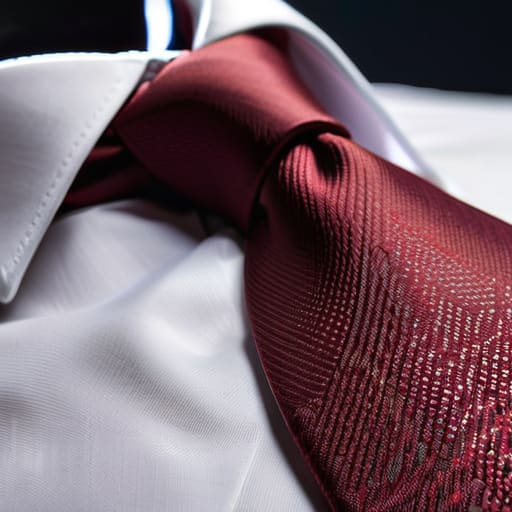
Think of your collar as the frame for your face. If the frame is too wide and you use a tiny, spindly knot, you’ll look like a child playing dress-up in their dad’s suit. Conversely, if you try to jam a massive, structural knot into a narrow, modern collar, you’re going to look like you’re being strangled by a silk sausage. It’s all about tie knot volume and proportion. You want the knot to fill the gap created by the collar points without forcing them to flare out awkwardly.
When you’re matching tie knot to shirt style, start by looking at the distance between the collar points. A spread collar has a generous gap, which practically begs for a more substantial knot like a Half-Windsor to hold its own. If you’re working with a button-down or a narrow collar, keep it simple; a Four-in-hand is your best friend here. It’s asymmetrical and slim, which respects the geometry of the shirt rather than fighting it. Stop treating the knot as an afterthought and start seeing it as a way to balance the architecture of your neck.
Key Things to Know

First, let’s talk about the physics of it. The biggest mistake I see isn’t the knot itself, but ignoring tie knot volume and proportion. If you’ve got a slim, narrow collar and you shove a massive, multi-layered Windsor knot under those points, you don’t look powerful; you look like you’re wearing a costume. It creates this awkward tension where the fabric of the shirt is literally fighting for its life. You want the knot to sit within the frame of the collar, not burst out of it like an overstuffed sausage.
Second, you need to respect the geometry of the shirt you actually own. If you are matching tie knot to shirt style, remember that a wide spread collar has a lot of “real estate” to fill. A tiny, skimpy knot will make you look like you’ve shrunk in the wash. On the flip side, if you’re working with a button-down or a narrow collar, a heavy knot will look clunky and cheap. It’s not about following a trend; it’s about making sure the lines of your outfit actually make sense together.
Practical Tips and Steps
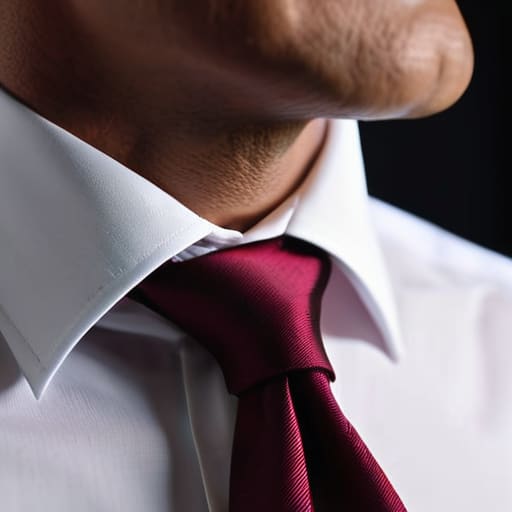
First, stop trying to force a massive, symmetrical knot into a shirt that clearly wasn’t built for it. If you’re working with a narrow collar, a heavy Windsor is going to look like a lump of dough stuck under your chin. For those smaller collars, you need a narrow collar tie knot guide approach: stick to a Four-in-Hand. It’s asymmetrical, it’s slim, and it actually lets the collar do its job instead of fighting for territory.
When you’re dealing with a wider spread, you finally have the breathing room to play with tie knot volume and proportion. This is where a Half-Windsor or a full Windsor actually makes sense because the spread of the collar points acts like a frame for the knot. If you try to pair a tiny, limp knot with a wide spread, you’ll look like you’re wearing your dad’s suit from a decade ago. It’s all about balance; the knot needs to fill the gap without choking the fabric. If the knot looks like it’s winning a wrestling match against your shirt, it’s time to downsize the knot or upsize the collar.
Common Mistakes to Avoid
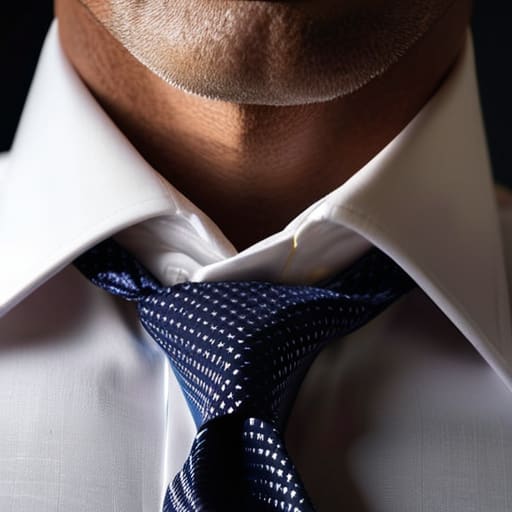
The biggest mistake I see—and I’ve seen it on everything from wedding guests to CEOs—is treating the tie knot like a one-size-fits-all solution. People get obsessed with the “perfect” knot they saw in a YouTube tutorial without actually looking at their shirt. If you try to force a massive, symmetrical knot into a narrow, button-down collar, you aren’t looking sharp; you’re looking like you’re being strangled by a silk sausage. It’s a fundamental failure of tie knot volume and proportion. If the collar points are struggling to stay tucked under the knot, stop. You haven’t failed at tying; you’ve failed at matching the tie to the architecture of the shirt.
Another massive pitfall is ignoring the fabric weight. I see people trying to pull off a heavy, thick silk knot with a lightweight, fine-cotton spread collar, and it just looks cluttered. It’s the same mistake as wearing a heavy wool overcoat with a summer linen shirt. When you’re matching tie knot to shirt style, you have to respect the physics of the materials. If the knot looks like it’s fighting the collar for territory, it’s a fit problem, not a style problem. Don’t let a bulky knot ruin the clean lines of a well-cut shirt.
Final Thoughts
Look, at the end of the day, your tie shouldn’t look like it’s staging a coup against your shirt. If you’ve spent twenty minutes in front of the mirror only to end up with a collar that looks strained or a knot that looks like a literal lump of dough, stop. You aren’t “bad at dressing”; you’re just ignoring the geometry of your clothes. Whether you are navigating a Windsor knot vs Four-in-hand debate or just trying to figure out why your favorite shirt looks wonky, remember that it’s all about balance.
Don’t go out and buy a whole new wardrobe of “statement” shirts just because you messed up a knot. Most of the time, you just need to master tie knot volume and proportion to make what you already own look expensive. If the collar is wide, give it a knot with some meat on its bones; if it’s slim, keep it tight and simple. Style isn’t about how much you spend at a department store—it’s about making sure the pieces actually work together once you leave the house.
The 'No-Nonsense' Rules for Not Looking Like You're Wearing a Costume
- Stop fighting the fabric; if you’re using a heavy, thick silk tie with a tiny, spread-collar shirt, you’re going to end up with a knot that looks like a structural hazard. Match the weight of the tie to the scale of the collar.
- Check your collar points before you even touch the tie. If the collar is narrow, a massive Four-in-Hand is fine, but if you’ve got a wide spread collar, a tiny knot will make you look like you’re wearing your dad’s clothes.
- The “Gap Test” is non-negotiable. If there is a visible daylight gap between the knot and the top button of your shirt, you haven’t tied it tight enough or your collar is too wide for that specific knot. It’s not a “relaxed look,” it’s just a bad fit.
- Don’t be afraid of the Four-in-Hand for everyday wear. It’s asymmetrical and slim, which works perfectly for most standard collars. Save the bulky, symmetrical knots for when you actually need to look like you’re trying to win an argument in a boardroom.
- Look at the seam allowance of your collar. If it’s a soft, unstructured shirt, a heavy knot will eventually pull the fabric out of shape and leave permanent wrinkles. If the shirt is flimsy, keep the knot light and simple.
The Math of the Knot
Stop treating your tie like an afterthought and start treating it like a structural component; if you jam a massive Four-in-Hand into a tiny spread collar, you aren’t making a fashion statement, you’re just creating a visual bottleneck that makes your whole shirt look like it’s shrinking.
Neve Okonkwo-Barr
The Bottom Line on Your Collar
At the end of the day, matching your knot to your collar isn’t about following some arbitrary rulebook from a menswear magazine; it’s about respecting the geometry of your clothes. If you’ve got a wide spread collar, give it a knot with some actual substance, like a Four-in-Hand or a Half-Windsor, so it doesn’t look like the shirt is swallowing the tie. Conversely, if you’re wearing a slim, narrow collar, a massive, bulky knot is going to make you look like you’re wearing a costume. Stop fighting your garments and start working with them. Remember: it is much cheaper to spend five minutes in front of the mirror getting the proportions right than it is to buy a whole new wardrobe because your current one looks unbalanced and messy.
My grandmother used to say that if you take care of the details, the details will take care of you. That applies to sewing, it applies to tailoring, and it absolutely applies to how you tie a tie. You don’t need a designer label to look put-together; you just need to understand how fabric and shape interact. Style isn’t a status symbol you purchase; it’s the intentional way you present yourself to the world. So, next time you’re getting ready for a Tuesday meeting or a wedding, don’t just grab the first tie you see. Look at the collar, check the scale, and make sure your knot actually belongs there.
Frequently Asked Questions
If I have a shirt with a really tiny collar, can I still pull off a Four-in-Hand, or will the tie look like it's swallowing the whole outfit?
You can absolutely pull off a Four-in-Hand with a tiny collar, but you have to be careful with the fabric. Since the knot is naturally slim and asymmetrical, it won’t choke a small collar, but a thick, heavy silk tie will look like a lump of dough under there. Stick to lightweight silks or thin knits. If the tie looks like it’s swallowing the shirt, it’s usually because the tie’s scale is fighting the collar’s geometry.
Is it worth paying a tailor to adjust the collar height if it's consistently clashing with my ties, or should I just buy new shirts?
Don’t go buying new shirts; that’s just throwing money at a symptom. If the collar height is fighting your ties, it’s a construction issue, not a wardrobe failure. However, adjusting collar height is heavy-duty surgery—it involves deconstructing the stand and re-stitching, which can cost more than a decent high-street shirt. Ask your tailor for a quote first. If it’s more than £25, save your cash and find a shirt with a collar that actually respects your tie.
How do I tell if my tie fabric is too heavy for the collar I'm wearing—is there a specific way to test the weight before I tighten the knot?
Don’t just look at it; feel the tension. Hold the tie by the narrow end and let the knot hang. If the fabric pulls the collar points upward or makes the collar feel like it’s being strangled, it’s too heavy. A good test? Drape the knot against your collar; if the tie creates a bulge that pushes the shirt away from your neck, the weight is fighting the geometry. It’s a physics problem, not a fashion one.
