Stop falling for the “luxury gift box” trap. We’ve all seen it: a beautifully embossed cardboard box containing a necklace that looks stunning under the boutique’s halogen lights, but the moment you get it home, you realize the clasp is made of hollow, scratchy metal that will tarnish before the thank-you note is even sent. Most people think learning how to choose a gift accessory is about finding the right brand name or a shiny “statement” piece, but that is exactly how you end up wasting fifty quid on something that ends up in a junk drawer by Tuesday.
I’m not here to sell you on a lifestyle or a mood board; I’m here to talk about construction. In this guide, I’m going to show you how to spot a piece that actually survives real life, from checking the weight of a belt to ensuring a scarf isn’t just a glorified piece of lint. I will tell you which materials are actually worth the price tag and which “trends” are just expensive mistakes in disguise. We’re going to focus on pieces that work on a Wednesday, not just pieces that look good in a box.
Stop Buying Fluff How to Choose a Gift Accessory That Lasts
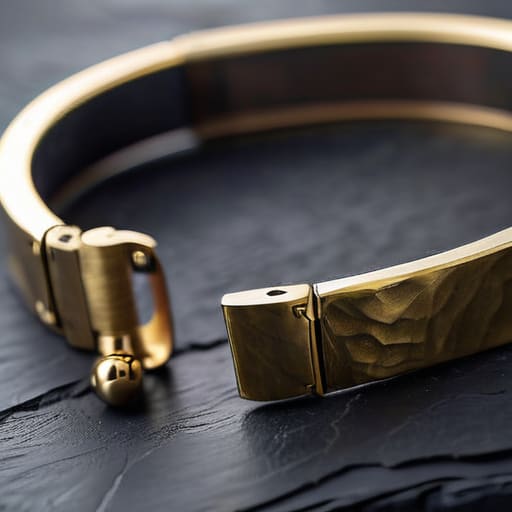
Most people treat gift shopping like a lottery—they hope the shiny thing in the box is actually good. But if you want to avoid the “junk drawer” fate, you have to look past the packaging. I’m talking about the difference between a heavy, solid brass cuff and one that feels like hollow, spray-painted plastic. If you are looking for budget-friendly accessory shopping that doesn’t feel cheap, stop looking at the brand name and start looking at the weight and the hardware. A real gift has substance. If the clasp on a necklace feels like it’s going to snap if someone sneezes, it’s not a gift; it’s a future headache.
The real secret to matching style and aesthetics isn’t about following a trend; it’s about understanding how the person actually moves. If they live in oversized knits, a tiny, delicate chain will get lost or tangled in the weave. They need something with enough visual weight to hold its own. Don’t just grab something because it’s “classic.” Check the materials—natural fibers, real metals, or sturdy leather—because if the material can’t survive a single season of real life, you haven’t given them a gift, you’ve given them a chore.
Matching Style and Aesthetics Without the Luxury Markup
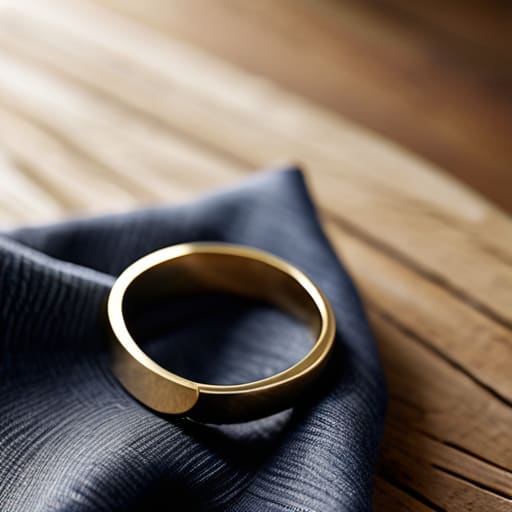
Here is the hard truth: “aesthetic” is a word marketing departments use to make you spend more, but matching style and aesthetics in real life is actually about observing how someone lives. If they are constantly moving, a heavy, clunky statement necklace is just a piece of metal that’s going to snag on their sweater and annoy them. I look for the “wearability factor.” Does this person live in linen and soft cottons, or are they a structured blazer and heavy denim type? If you try to gift a delicate, gold-plated chain to someone who lives in oversized hoodies, it’s going to disappear or get lost.
When you’re looking for personalized accessory gift ideas, stop searching for what’s “trending” on TikTok and start looking at their existing hardware. Check their jewelry box or even their handbag clasps—are they mostly silver or gold? Is the finish brushed or high-shine? This is the easiest way to nail budget-friendly accessory shopping without it looking like you just grabbed something off a random rack. You don’t need a luxury accessory gift guide to tell you that a well-chosen, high-quality brass hoop that matches their existing vibe is worth infinitely more than a branded piece that clashes with their entire life.
The Math of Personalized Accessory Gift Ideas
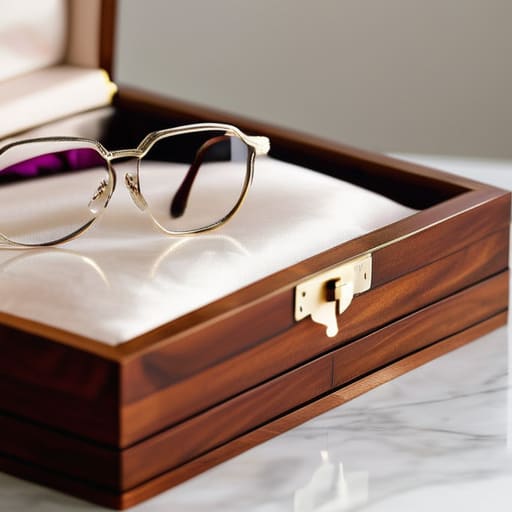
Here is where we get into the actual math of it. When people look for personalized accessory gift ideas, they usually default to “put their initials on it.” That’s fine, but it’s a surface-level fix. If you want to actually impress someone, you have to calculate the cost of utility versus sentiment. A monogrammed silk scarf is lovely, but if the silk is so thin it’s going to fray at the rolled hem within a month, you haven’t given a gift; you’ve given a ticking clock.
Instead, look at their daily rotation. If they live in denim and heavy cotton, a delicate, tiny gold chain might get lost or snapped. They need something with a bit of structural weight. If you’re looking at budget-friendly accessory shopping, don’t try to buy a “cheap” version of a high-end designer item—the hardware will be hollow plastic and it’ll look tacky by Tuesday. It is much smarter to spend that same thirty pounds on a solid, unbranded brass cuff or a heavy-weight leather belt. You’re paying for the material, not the marketing, and that is where the real value lives.
Measuring for Jewelry and Fashion Accessories to Avoid Regret
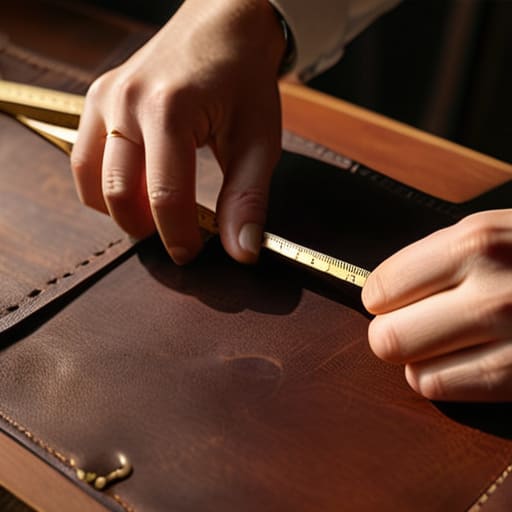
The biggest mistake people make when gift-giving is assuming “one size fits all” applies to anything beyond a tote bag. If you’re looking at necklaces, don’t just guess. A heavy pendant on a chain that’s too short will sit awkwardly on the collarbone, and a bracelet that’s too tight is basically a tourniquet. If you can’t ask them directly, steal a measurement from something they already wear. Grab a ruler and check the circumference of their watch strap or the length of a necklace they actually use. This is the most basic part of measuring for jewelry and fashion accessories, and it’s the difference between a piece that sits beautifully and one that spends its life in a velvet box because it’s physically uncomfortable.
The same logic applies to belts and scarves. A belt is useless if the holes don’t line up with their natural waist, and a silk scarf is a different beast entirely if the weight doesn’t match their usual vibe. When you’re navigating personalized accessory gift ideas, remember that utility is the highest form of luxury. If you don’t have their exact measurements, aim for adjustable elements—think sliding knots or extender chains—that allow the piece to adapt to them, rather than forcing them to adapt to the gift.
Budget Friendly Accessory Shopping vs the Luxury Gift Trap
Here is the truth: a higher price tag is not a proxy for quality, and a “luxury” label is often just a massive markup on the same polyester blend you’d find in a high-street shop. The luxury gift trap works by selling you the idea of status, but if you’re looking at a designer silk scarf and the edges are fraying or the hand-rolled hem is uneven, you haven’t bought a treasure; you’ve bought expensive marketing. When you are navigating budget-friendly accessory shopping, your goal shouldn’t be to find the cheapest thing possible, but to find the thing with the best construction. Look for weight in the metal and tightness in the weave.
If you want to avoid the trap, stop looking at the brand name and start looking at the hardware. A $30 brass earring with a solid post and a decent weight will always feel more “expensive” than a $200 “designer” piece made of hollow, lightweight alloy that turns green after two weeks. Real value is found in the integrity of the materials. If you can’t tell if the metal is solid or just plated junk, don’t call it an investment—just call it a mistake.
The "Will They Actually Wear This?" Checklist
- Check the hardware weight. If you’re buying a bag or a belt and the metal feels like hollow, clicking plastic, put it back. It’s going to snap or tarnish within a month, and then you’ve just gifted them a piece of expensive landfill. Look for weight; if it feels substantial in your hand, it’ll survive their daily commute.
- Avoid the “Statement Piece” trap unless you know their wardrobe is a blank canvas. Most people don’t need a massive, neon, sculptural earring that only works with one specific outfit. They need a high-quality, mid-weight gold hoop or a leather belt with a decent seam allowance. Aim for the pieces that bridge the gap between “special occasion” and “Tuesday morning.”
- Look at the lining. If it’s a scarf, is it a loose weave that will pill the second it touches a wool coat? If it’s a bag, is the interior a flimsy polyester that will tear at the seams? A gift is only good if the inside is as sturdy as the outside. I’ve spent too many hours in my studio fixing cheap linings that weren’t meant to hold the weight of a phone and keys.
- Prioritize natural fibers over “luxury” blends. A 100% silk scarf or a genuine leather cardholder will age with character; a “silk-feel” polyester blend will just look shiny and sad after three wears. If the tag is a laundry list of chemical names, it’s not a gift, it’s a temporary distraction.
- Consider the “Ease of Use” factor. If the accessory requires a PhD to put on or a specific set of tools to adjust, it’s going to sit in a drawer. A great gift is something they can grab on their way out the door—think adjustable sliders on necklaces or belts with functional holes, not just decorative ones.
The Real Cost of a 'Pretty' Gift
Stop looking at the brand name on the box and start looking at the weight of the hardware and the integrity of the stitching; a gift is only a gift if it doesn’t end up in a landfill by next season because the clasp snapped or the faux-leather started peeling after three wears.
Neve Okonkwo-Barr
The Real Value of the Gift
At the end of the day, choosing a gift accessory isn’t about finding the most expensive thing on the shelf; it’s about doing the homework that most people skip. We’ve talked about checking the weight of the metal, verifying the seam strength on a scarf, and actually doing the math on whether a piece can survive a real person’s lifestyle. If you spend your time looking at the hardware and the fabric composition instead of the brand name, you’re already ahead of 90% of the market. Remember, a gift that ends up in a junk drawer because the clasp is flimsy or the color is too “trendy” isn’t a gift—it’s just expensive clutter that you’ll feel guilty about buying.
My grandmother used to say that clothes and accessories are the armor we wear to face the world, and that armor should actually fit. When you choose an accessory based on how it functions and how it complements a person’s actual life, you’re giving them something far more valuable than a status symbol. You are giving them a tool that makes them feel capable on a rainy Tuesday or a busy Wednesday. Stop trying to buy a “vibe” and start looking for substance and utility. That is how you give a gift that doesn’t just sit in a box, but actually gets worn, loved, and lived in.
Frequently Asked Questions
If I find a vintage accessory that looks perfect but the clasp or hardware feels a bit loose, is it actually worth the repair cost?
It depends entirely on the metal. If it’s solid brass or sterling silver, fix it—a jeweler can tighten a spring or solder a hinge for a reasonable fee, and then you’ve got a piece for life. But if it’s “gold-tone” mystery metal or hollow plastic, walk away. The repair cost will likely exceed the item’s actual value, and you’ll just be spending good money to keep a cheap thing from falling apart.
How can I tell if a "gold-plated" piece is going to turn green in a month or if the plating is thick enough to actually survive a year of wear?
Honestly, “gold-plated” is the industry’s favorite way to sell you trash. If the listing doesn’t specify “micron thickness,” run. You want at least 2.5 microns for something to survive daily wear without turning your neck green by Tuesday. If it’s just “flash plated,” it’s basically a thin layer of glitter that’ll rub off the first time they sweat. Check the weight; if it feels hollow and light, that plating is paper-thin.
Is it better to buy a high-quality leather belt that needs a bit of breaking in, or a cheaper one that's already soft but will crack by next season?
Buy the high-quality leather. Every single time. A cheap, “soft” belt is usually just thin corrected grain or heavily coated in plastic; it feels good for ten minutes until the surface starts peeling like a bad sunburn. A real, full-grain leather belt might feel stiff at first, but it’s actually just structural integrity. It will mold to your waist and last a decade. The cheap one? You’ll be replacing it by Christmas.
