I spent two years in a basement studio pinning hems for a bridal shop, and if there’s one thing those satin slips taught me, it’s that luxury is often just a very expensive lie. I see it every week: people dropping three hundred pounds on a “designer” wool blend that’s actually sixty percent polyester, only to have it pill and lose its shape before the first February frost. Marketing departments want you to believe that a high price tag is a proxy for quality, but they’re just selling you expensive landfill. If you actually want to know how to buy a coat that lasts, you have to stop looking at the brand name and start looking at the fiber content and the seam allowance.
I’m not here to give you a curated list of “must-have” trends or tell you which influencer is wearing what. Instead, I’m going to show you the actual maths of outerwear. I’ll tell you which fabrics can survive a real winter, how to spot a cheap construction job from ten paces, and exactly what a decent tailor can—and cannot—fix once you’ve brought it home. Let’s get practical.
Forget the Label the Real Math of How to Buy a Coat That Lasts
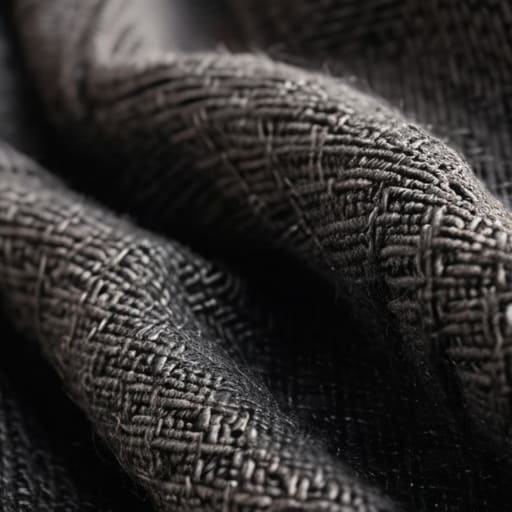
Stop looking at the price tag and start looking at the composition label. Marketing teams love using the term “investment piece clothing” to justify a £400 markup, but if that coat is 40% polyester, you aren’t buying an investment; you’re buying a glorified plastic bag that will pill by February. I want you to hunt for high quality wool coats—specifically those with at least 70% wool content. Wool has a natural elasticity and heat retention that synthetics can’t fake, and more importantly, it doesn’t hold onto odors or lose its shape after three wears.
Next, turn the garment inside out. This is where the truth lives. I don’t care how beautiful the buttons look if the seam strength and stitching are flimsy. If you see loose threads or single-stitched hems that look like they’d snap if you actually sat down in them, put it back. A coat that lasts is built on structural integrity, not just a pretty silhouette. You want to see bound seams and reinforced stress points. If the construction looks rushed, the fabric won’t matter—it’ll fall apart at the joints before the first frost is over.
Why High Quality Wool Coats Fail Your Outerwear Durability Testing
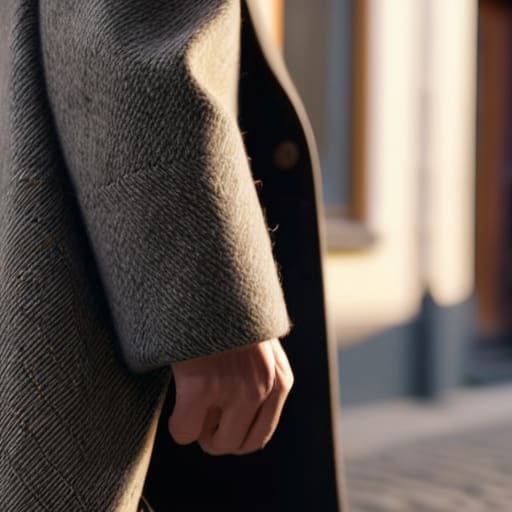
Here is the truth that brands hate: a high price tag is often just a marketing fee for a beautiful silhouette that falls apart by February. I’ve seen “luxury” wool coats that look stunning on a mannequin but fail every bit of practical outerwear durability testing the moment they hit a real sidewalk. The problem is usually the blend. If you see a tag claiming to be wool but it’s actually 40% polyester or acrylic, run. Those synthetic fibers don’t breathe, they pill instantly, and they lose their shape after three wears. You aren’t buying a garment; you’re buying a temporary costume.
Even if the fabric is decent, look at the construction. I’ve spent too many hours in my studio deconstructing “premium” pieces only to find the seam strength and stitching are absolute jokes. If the thread is thin or the tension is loose, that coat will pull apart at the armholes the first time you reach for your bag. A real piece of investment clothing should feel heavy in the hand—not because of the brand name, but because the density of the weave actually provides warmth.
The Truth About Seam Strength and Stitching vs Expensive Branding
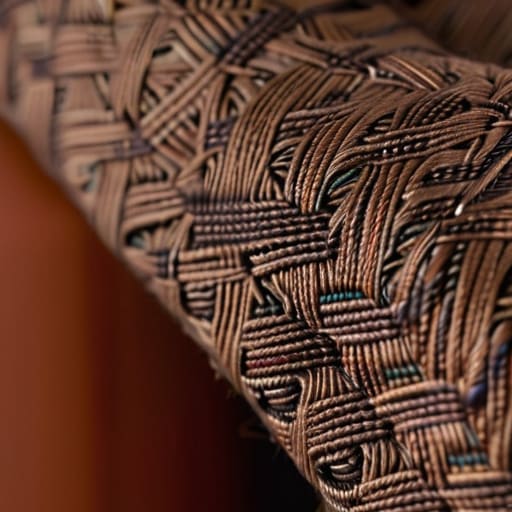
When you’re standing in a fitting room, your hand shouldn’t go to the logo on the sleeve; it should go to the inside of the garment. I spent two years pinning hems in a bridal studio, and if there is one thing I learned, it’s that a brand can buy a fancy marketing campaign, but they can’t buy you better seam strength and stitching. Most luxury brands use high-speed industrial machines to churn out pieces with incredibly long, loose stitches. On paper, it looks clean. In reality, those long stitches are a disaster waiting to happen because they provide zero structural integrity. One snag or one heavy tug on a button, and the whole seam starts to unspool like a cheap sweater.
If you want to pass your own outerwear durability testing, turn the coat inside out. Look at the seam allowances. Are they finished with a sturdy binding, or is it just a raw edge held together by hope and a single thread? A coat that actually lasts will have tight, consistent stitching and enough fabric in the seam to allow for a tailor to actually work on it. If the seams are too narrow or the thread looks like it’s barely holding on, that “designer” piece is just expensive landfill in disguise.
Choosing Weatherproof Fabric Types That Actually Survive a Wednesday
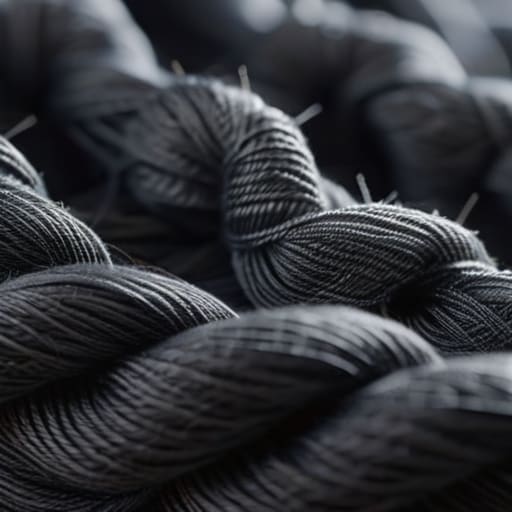
Stop looking at the “water-resistant” tag on a polyester blend and start feeling the weight of the weave. If you’re standing in a shop and the fabric feels thin, scratchy, or suspiciously like a plastic bag, walk away. For real weatherproof fabric types, you want density. A heavy, tightly woven wool or a dense cotton twill is what actually stands a chance when the sky decides to open up on a random Wednesday. I’ve seen “luxury” coats that lose their shape the second they catch a bit of mist because the fiber content is mostly recycled fluff and prayer.
If you want to pass my personal version of outerwear durability testing, look for natural fibers that have some structural integrity. A high-percentage wool coat isn’t just about warmth; it’s about the fabric’s ability to bounce back after being crushed in a commuter train or soaked by a sudden downpour. Avoid the temptation of “technical” fabrics that feel like they belong in a hiking catalog unless you actually hike. For a wardrobe that works for real life, you need materials that can handle a bit of grit without pilling into oblivion by November.
Real Investment Piece Clothing Requires Proper Coat Care and Maintenance
Buying a coat that survives more than one season isn’t just about the initial purchase; it’s about the relationship you have with the garment once it’s in your closet. If you’ve spent the money on actual investment piece clothing, you cannot treat it like a fast-fashion polyester shell. I see people buy a beautiful, heavy wool coat and then immediately throw it into a standard wash cycle or hang it on a flimsy wire hanger that ruins the shoulder line within a month. That is how you turn a three-hundred-pound masterpiece into expensive landfill.
Real coat care and maintenance means respecting the fibers. For high-quality wool, that means investing in a decent garment brush to whisk away surface dirt and salt before they settle into the weave and degrade the fabric. It also means using wide, contoured wooden hangers to support the weight of the garment. If you’re neglecting the structure, you’re essentially undoing all the hard work the tailor put into the seam strength and stitching during construction. Treat the fabric with a bit of respect, and it will actually work for you on a Wednesday in mid-February.
The Five-Minute Fit and Fabric Audit
- Check the weight of the fabric before you check the price tag. If you can see light through the weave when you hold it up, it’s going to pill, lose its shape, and eventually look like a rag by February. You want density, not just a pretty color.
- Turn the coat inside out and look at the seam allowance. If the fabric is cut so close to the edge that there’s no extra material left inside, you can’t ever let it out if your body changes or if you want a slightly more relaxed fit later. A coat with no “give” in the seams is a dead end.
- Do the “pull test” on the buttons and the lining. If the lining feels like thin, crunchy plastic, it will rip at the armpits within three months of real movement. A coat is only as good as the part you can’t see.
- Look at the shoulder construction. If the shoulder seam is sitting exactly where your bone ends, it’s a good sign. If it’s drooping or pulling, you’re looking at a structural nightmare that will be expensive—and potentially impossible—to fix without ruining the silhouette.
- Ask yourself if the buttons are actually secure or just glued on. Give them a tiny tug; if they feel loose, factor in an extra £10 to a tailor to have them properly shanked with thread. It’s a small cost that prevents a very annoying wardrobe failure.
The Cost of a "Good" Coat
Stop looking at the price tag to tell you if a coat is an investment; look at the seam allowance and the fiber content. If it’s a blend that feels like a polyester sponge, you aren’t buying a decade of warmth—you’re just pre-paying for a trip to the landfill.
Neve Okonkwo-Barr
The Bottom Line
At the end of the day, buying a coat isn’t about chasing a logo or falling for the “luxury” marketing fluff that costs more than the actual wool. It’s about looking at the seam allowance, checking the weight of the weave, and making sure the fabric isn’t going to pill into oblivion by February. Remember: a coat is a structural piece of engineering for your body. If the stitching is flimsy or the blend is mostly cheap polyester, it doesn’t matter how much you paid—it’s just expensive landfill in waiting. Focus on the construction, prioritize the weatherproofing, and always, always budget a little extra for a tailor to make sure the shoulders actually sit where they should.
Stop letting the industry convince you that you need a bigger wardrobe to find your style. You don’t need twenty mediocre jackets; you need one really good one that survives the rain, the commute, and the inevitable wear and tear of a busy Wednesday. Style isn’t something you buy off a rack; it’s the confidence that comes from knowing your clothes are actually working for you, not the other way around. Build your wardrobe with your eyes on the math of longevity, and I promise you’ll stop feeling like you’re constantly playing catch-up with the seasons.
Frequently Asked Questions
If I find a vintage coat at a charity shop that's a perfect fit, how do I know if the fabric is too degraded to actually be repaired?
The “pinch and pull” test is your best friend here. Grab a handful of the fabric and squeeze it hard for ten seconds. If it stays crumpled like a discarded receipt, the fibers are shot. Also, check the stress points—the armpits and the hem. If the fabric feels thin or “crunchy” rather than supple, it’s likely dry-rotted. If it tears like wet paper when you tug, walk away; no amount of stitching can save a dying base.
How much should I realistically budget for tailoring a coat that fits my shoulders but is way too long in the sleeves?
Since the shoulders fit, you’re in luck—that’s the expensive part. Shortening sleeves is straightforward, but the price depends on whether you have buttons or a lining. For a standard unlined coat, expect to pay £25–£40. If it’s a heavy, lined wool coat where they have to undo the cuff and work around the lining, budget closer to £50–£70. It’s still cheaper than buying a new coat that actually fits.
Is it actually worth paying a tailor to reline a coat, or am I just throwing good money after bad?
If the outer shell is solid wool and the seams aren’t shredding, relining is the smartest math you’ll ever do. Linings take the friction, not the coat, so they die first. A professional relining will cost you anywhere from £60 to £150 depending on the complexity, but that’s cheaper than a new coat that’s actually made of cheap, scratchy polyester. If the fabric is good, fix the lining. Don’t let a worn-out slip of silk kill a great coat.
