Stop looking at the shiny brochures and the “celebrity approved” dental packages; they are just marketing trying to sell you a lifestyle you don’t need. Everyone talks about the aesthetics of a straight smile, but nobody talks about the mechanics of the actual movement or the sheer cost of the maintenance. When you start researching how to choose braces, you’re immediately hit with a wall of jargon and “premium” options that are really just paying for a fancy waiting room. It’s exactly like buying a designer jacket that looks incredible on a mannequin but has a seam allowance so thin it’ll fall apart after three washes. You aren’t looking for a brand name; you’re looking for a functional solution that actually fits your jaw and your budget.
I’m not here to give you a sales pitch for the most expensive ceramic option on the market. Instead, I’m going to break down the maths of the mouth—the real stuff, like how different bracket types actually move teeth and which “upgrades” are total scams. I’ll show you how to spot a quality practitioner from a distance and how to ensure you aren’t overpaying for a result that a simpler, cheaper method could have achieved.
Stop Shopping for Smiles Start Shopping for How to Choose Braces
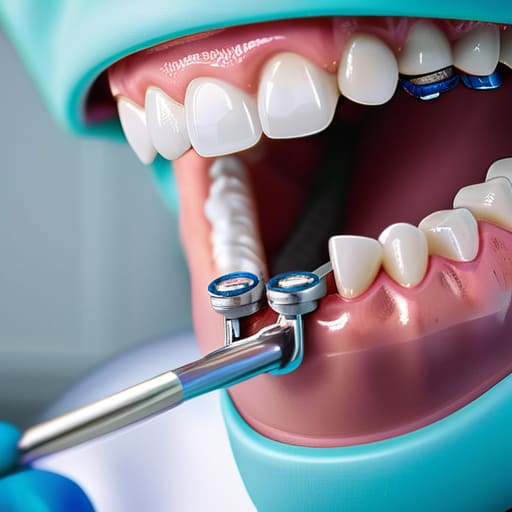
We spend so much time scrolling through “after” photos on Instagram, obsessing over whether a smile looks “natural” or “perfect,” but that is exactly the kind of marketing trap I hate. It’s like looking at a mannequin in a window and assuming the dress will actually sit right on your shoulders. When you’re looking at different types of orthodontic appliances, stop asking “how will I look?” and start asking “how will this actually move my teeth?” A smile is a functional piece of your anatomy, not a decorative accessory you buy off a rack.
If you are looking at metal vs ceramic braces, don’t just pick the ceramic ones because you think they’re “invisible.” Ceramic is fine, but it can be more brittle and sometimes harder to clean, which affects the long-term health of your enamel. I always tell my clients to look at the mechanics. Are you paying for a brand name, or are you paying for a specific way to fix your bite? Whether you are exploring clear aligner options or traditional wires, the real value isn’t in the aesthetic—it’s in the structural integrity of the final result.
The Math of Metal vs Ceramic Braces Durability Over Aesthetics
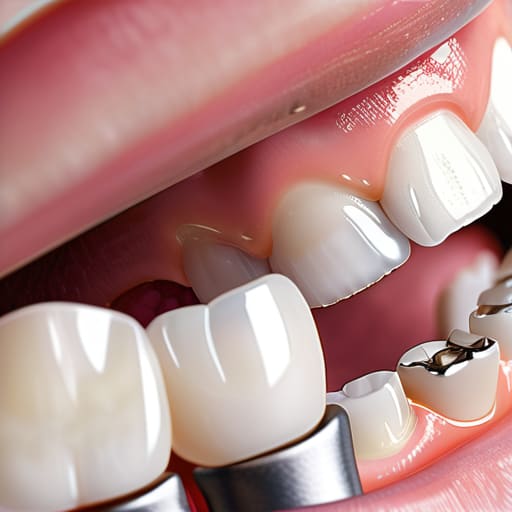
Let’s talk about the “invisible” tax. When you look at the different types of orthodontic appliances, the biggest jump in price usually comes from the aesthetic upgrade. Ceramic braces are basically the “designer label” of the dental world—they look better in photos because they blend in, but from a mechanical standpoint, they aren’t magic. They are just metal brackets with a different coat of paint.
If we are looking at the actual math of metal vs ceramic braces, you have to consider the breakage rate. Ceramic is more brittle. If you’re someone who tends to crunch on ice or bite into crusty bread, those “pretty” brackets are going to snap, and a replacement visit is an extra expense you didn’t budget for. Metal is the workhorse; it’s durable, it’s easy to adjust, and it survives the chaos of a real life. Unless your job requires you to be on camera every single second, don’t pay a premium for something that might require more frequent repairs just because it’s slightly less obvious.
Clear Aligner Options Are You Paying for Convenience or Results
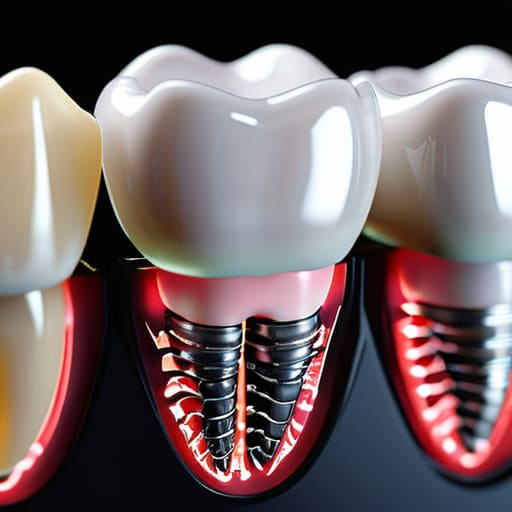
Now, let’s talk about the clear aligner hype. In my line of work, I see people buy into the “invisible” promise because they think it’s a lifestyle upgrade, but you need to look at the mechanics. Clear aligners are great for certain movements, but they aren’t a magic wand. When you’re looking at various clear aligner options, you aren’t just paying for the plastic; you are paying for the software and the convenience of not having wires poking your cheeks. However, if your bite needs significant structural shifting, a tray might just be a very expensive way to move a tooth a fraction of a millimeter.
Before you commit, ask yourself if you’re actually disciplined enough to wear them twenty-two hours a day. If you lose a tray or forget to pop them back in, your progress resets to zero. That is money down the drain. When comparing orthodontic treatment costs, remember that the “convenience” fee can sometimes be a tax on your own lack of consistency. If you want reliable, heavy-duty movement, don’t be afraid to look back at traditional hardware. Sometimes the most “invisible” solution is the one that ends up costing you the most in lost time and wasted plastic.
Deciphering Orthodontic Treatment Costs Where the Money Actually Goes
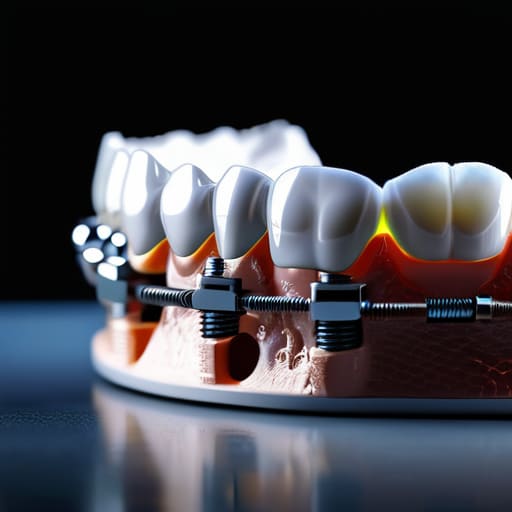
When you look at a quote for orthodontic treatment costs, it’s easy to feel like you’re being hit with a mystery fee. But as someone who spent two years calculating seam allowances and fabric yields, I can tell you that you aren’t just paying for the “look” of the appliance; you are paying for the mechanics of movement. A huge chunk of that money is actually going toward the precision of the hardware and the clinical hours required to monitor how your bone and soft tissue are responding to the pressure. Whether you are looking at metal vs ceramic braces or something more discreet, you are essentially paying for a highly technical, slow-motion structural renovation of your jaw.
Don’t let the sales pitch distract you. The price gap between different types of orthodontic appliances often comes down to the complexity of the materials and the specialized labor involved. For instance, braces for adults vs children often differ in cost because adult bone density requires more nuanced, controlled force to achieve proper dental alignment solutions. You aren’t just buying a product; you are paying for the expertise of the adjustment. If a quote seems high, ask for the breakdown—you want to know if you’re paying for the tech, the materials, or the hands on the tools.
Adults vs Children Why Your Dental Alignment Solutions Require Different Ma
When you’re looking at braces for adults vs children, you have to stop thinking about “cute” or “invisible” and start thinking about bone density and lifestyle. For a kid, the math is about growth; you’re using different types of orthodontic appliances to guide teeth that are still moving through changing jawlines. It’s a bit like tailoring a garment for a teenager—you have to build in enough seam allowance for them to grow, or you’ll be paying for a massive correction later.
For adults, the game is entirely different. We aren’t growing, so we’re working with fixed structures. My advice? Don’t get distracted by the marketing for high-end clear aligner options just because you want to look “professional” at work. If your bite is complex, you might actually need the heavy lifting of metal vs ceramic braces to get the structural result you want. With adults, you aren’t paying for a developmental guide; you are paying for precision mechanics. If you try to shortcut the physics of your jaw to save a few quid on aesthetics, you’ll end up spending double on the “fix” in three years.
The non-negotiables: 5 things to check before you sign the contract
- Stop looking at the “before and after” photos on Instagram; they’re the dental equivalent of a heavily filtered influencer post. Instead, ask to see the actual mechanics of the treatment plan. You want to know if they are moving teeth through bone or just masking a surface issue. If they can’t explain the structural logic, they’re just selling you a shiny finish.
- Audit the “convenience tax.” Clear aligners are great if you have the discipline to wear them 22 hours a day, but if you’re the type who forgets where they put their keys, you’re paying a massive premium for a product that will fail because of human error. Sometimes, the “ugly” metal option is actually the more efficient tool for the job.
- Do the math on the maintenance. A lower upfront cost for braces often hides a massive bill for “emergency visits” or mid-treatment adjustments. Ask for a comprehensive quote that includes everything from wire changes to broken bracket repairs. If the price feels too good to be true, it’s because the fine print is going to bite you later.
- Check the material durability, not just the color. Just like I’ll tell you to avoid cheap polyester that pills after one wash, don’t just pick ceramic because it’s “invisible.” Some low-grade ceramics can stain or chip, turning your “discreet” treatment into a maintenance nightmare. Ask about the material’s resilience before you commit.
- Prioritize the specialist over the brand. You wouldn’t go to a fast-fashion outlet for a bespoke suit, so don’t go to a generalist clinic just because they have a fancy marketing budget. You want someone who understands the mechanics of your specific bite, not someone who is just good at selling a lifestyle.
## Stop paying for the packaging
“Choosing braces isn’t about picking the prettiest option in a glossy brochure; it’s about understanding the mechanics of your bite and the reality of your lifestyle. Don’t let them sell you on ‘premium’ aesthetics if you’re actually paying for a brand name instead of better movement—you want a solution that works as hard as you do, not just one that looks expensive in a selfie.”
Neve Okonkwo-Barr
The Bottom Line
At the end of the day, choosing braces isn’t about picking the prettiest kit from a glossy brochure; it’s about understanding the mechanics of your mouth and the reality of your budget. We’ve looked at the math—from the durability of metal versus the aesthetic markup of ceramic, to whether those clear aligners are actually delivering results or just a convenient lifestyle accessory. Remember that the most expensive option isn’t automatically the best one for your bite, and the cheapest one might end up costing you more in corrective work down the line. You have to stop looking at the packaging and start looking at the functional value of the treatment plan itself.
My grandmother used to say that if you take care of the foundation, the rest of the house takes care of itself. Orthodontics is exactly the same. You aren’t just buying a straighter smile for a photo; you are investing in the structural integrity of your teeth and jaw for the next forty years. Don’t let the marketing jargon make you feel like you need a luxury budget to get a professional result. Focus on the mechanics, the maintenance, and the math, and you will build a smile that actually works for your life long after the wires are gone.
Frequently Asked Questions
If I find a cheaper orthodontic option online or at a discount clinic, what's the actual risk to the long-term integrity of my teeth?
Look, I’ve seen what happens when people try to “hack” a garment by using cheap thread and a prayer; the whole thing unravels by the second wash. Orthodontics is the same. A discount clinic isn’t just cutting costs on the brand; they’re often cutting corners on the supervision. If the mechanics are off by even a millimeter, you aren’t just looking at a bad smile—you’re looking at root resorption or bone loss. That’s a much more expensive fix than the initial savings.
Is it actually worth paying the extra premium for ceramic braces, or am I just paying for a marketing budget that doesn't change the treatment time?
Look, it’s the same logic as buying a designer silk blouse that’s actually just polyester with a fancy label. You aren’t paying for better movement; you’re paying for a different visual finish. Ceramic won’t move your teeth faster than metal—the mechanics of the wire are what matter. If you can handle the “metal look,” stick to the steel. Save that extra £400 for something that actually changes your life, not just your aesthetic.
How much should I realistically budget for the "hidden" costs like retainers and follow-up appointments so I don't get blindsided halfway through?
Don’t let the initial quote fool you; that’s just the entrance fee. You need to budget for the “aftercare” or you’ll end up paying twice. Retainers are the non-negotiable—think of them like the structural seam that holds the whole garment together. If you don’t budget an extra £200–£500 for high-quality retainers and those inevitable follow-up tweaks, you’re essentially buying a beautiful coat but forgetting to pay for the buttons.
