I was sitting in a dimly lit bridal studio three years ago, surrounded by mountains of silk, when a client’s “designer” clutch literally shed a buckle onto the floor like a piece of dead skin. It wasn’t even a heavy bag, just a flimsy piece of leather with a gold-plated clasp that felt more like plastic than metal. That’s the dirty little secret the luxury marketing machine won’t tell you: just because a logo is embossed on the front doesn’t mean the structural integrity is anything more than a suggestion. Most people think they’re buying longevity, but when you actually look at how bag hardware fails, it’s usually because they swapped solid brass for cheap, spray-painted zinc that can’t handle a bit of daily friction.
I’m not here to tell you which brand is “trending” or which bag will make you look rich. I’m here to show you the math of durability. In this guide, I’m going to break down the difference between hardware that survives a decade and the stuff that snaps by next Tuesday, including why a $15 replacement part is often better than a $500 “investment” piece. We’re talking weight, plating thickness, and the specific mechanical red flags you need to spot before you ever reach for your wallet.
The Math of Metal Fatigue in Luxury Handbags
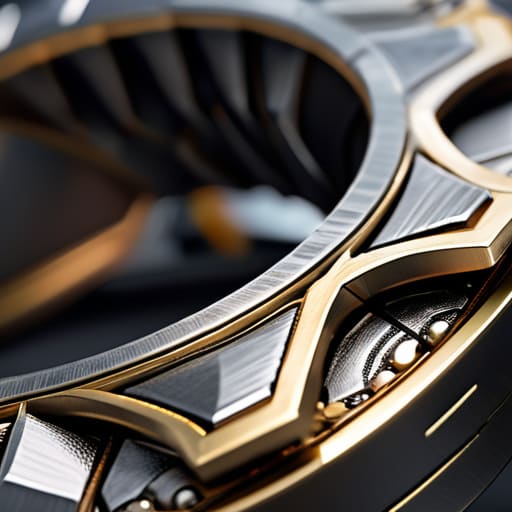
Here is the math of why that “designer” clasp is snapping. When you’re looking at a high-end piece, you aren’t just paying for the logo; you are paying for the weight of the metal. The industry loves to hide the truth behind heavy plating, but if you tap a clasp and it sounds hollow or feels strangely light, you’re likely looking at a zinc alloy rather than solid brass. Zinc is cheaper to cast, but it’s brittle. Over time, the constant stress of opening and closing the bag leads to metal fatigue in luxury handbags, where the internal structure literally gives up under the pressure of its own weight.
It’s a simple equation: density equals durability. A solid brass component can withstand thousands of cycles of tension, whereas a cheap alloy will develop microscopic cracks that eventually lead to a clean snap. I always tell my clients to check the weight-to-size ratio of the hardware. If a bag feels substantial but the hardware feels like a plastic toy coated in gold, the math doesn’t add up. You aren’t buying an heirloom; you’re buying a ticking clock.
Zinc Alloy vs Solid Brass the Real Durability Math
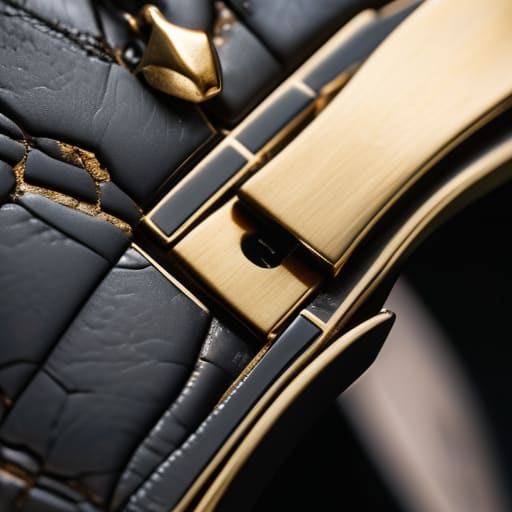
Here is the truth that most brand websites won’t tell you: not all “gold-tone” metal is created equal. When you’re looking at a bag, you need to look past the shine. Most mid-market brands use zinc alloy because it’s cheap, easy to cast, and looks expensive under showroom lights. The problem is that zinc is brittle. It doesn’t bend; it snaps. You’ll see the signs of worn out bag clasps when that metal starts to feel “soft” or develops tiny, hairline fractures near the screw points. Once that core structure fails, there is no fixing it—you’re just looking at a paperweight.
If you want a piece that actually survives a decade of being shoved into train compartments and tossed on cafe tables, you want solid brass. It’s heavier, sure, but it has a structural integrity that zinc lacks. Brass can handle the tension of a heavy load without succumbing to metal fatigue in luxury handbags. When you’re weighing up the durability of brass vs zinc alloy, remember that brass can be polished and even re-plated by a specialist, whereas a cracked zinc buckle is a permanent death sentence for your bag.
How Bag Hardware Fails When You Ignore the Small Signs
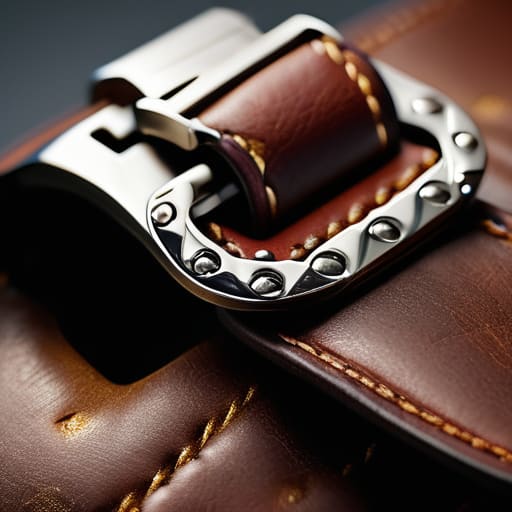
Most people wait until a clasp snaps or a zipper completely jams before they realize something is wrong, but by then, you’re usually looking at a massive repair bill or a total loss. I see it all the time in the studio: someone brings in a bag that’s been “struggling” for months. They notice the metal feels slightly warmer than usual or the movement isn’t as smooth, but they keep pushing it. That’s how you get signs of worn out bag clasps—the internal spring loses its tension, or the metal starts to shave off tiny, microscopic flakes of itself every time you click it shut.
If you start noticing a slight zipper teeth misalignment, do not try to force it with a pair of pliers. That’s the moment the hardware is telling you it’s tired. It’s often just a matter of a tiny bit of grit or a slightly bent slider, but if you ignore it, you’ll end up with a permanent tear in the fabric tape. Catching these common handbag hardware defects early usually costs you the price of a professional cleaning or a quick tension adjustment, rather than the price of a brand-new bag.
Why Zipper Teeth Misalignment Isnt a Design Choice
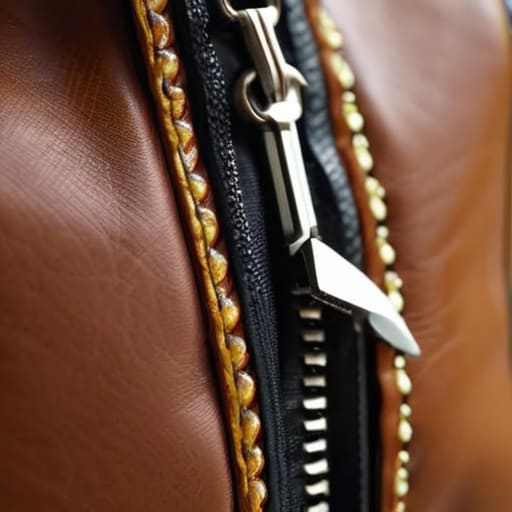
If you’ve ever felt that awkward, frantic tugging when your bag won’t close, let’s get one thing straight: it isn’t “character” and it isn’t a stylistic quirk. Zipper teeth misalignment is almost always a sign that the internal structure of the track is failing. In high-end pieces, the teeth are usually set into a heavy-duty tape that should hold its shape for a decade. When they start wandering or refusing to bite, it’s because the manufacturer used a flimsy base or skipped the reinforcement stitching. You aren’t experiencing a “vintage feel”; you’re experiencing a mechanical breakdown.
This is one of those common handbag hardware defects that people try to mask by saying the bag just needs “breaking in.” It doesn’t. Once the teeth lose their alignment, the tension on the surrounding leather increases every time you force it shut. This creates a domino effect: the uneven pull stresses the stitching, which eventually leads to the zipper pulling away from the leather entirely. If you see the teeth starting to gap or slant, stop fighting it. Forcing a misaligned zipper is the fastest way to turn a fixable $30 repair into a total structural disaster.
Fixing Worn Out Bag Clasps Before They Break
If you notice your clasp feels “mushy” or doesn’t click into place with that satisfying, sharp snap, do not just keep forcing it. That is the primary sign of worn out bag clasps before they actually snap and leave you clutching a strap in the middle of the street. Most people think a loose spring means the bag is “broken,” but usually, it just means the tension has shifted or the internal mechanism has gathered too much grit. If it’s a high-quality piece, a cobbler or a specialist hardware repairer can often swap out the internal spring for a fraction of the cost of a new bag.
However, you have to be careful about what you try to “fix” yourself. I see people trying to force a jammed clasp with pliers, which is the fastest way to turn a minor issue into permanent metal fatigue in luxury handbags. If the metal is actually bending, stop. If it’s just a bit of friction, a tiny amount of dry graphite lubricant can work wonders. Just avoid oils—they’ll seep into the leather and ruin the finish, and no amount of professional cleaning will fix a grease stain.
Five Ways to Stop Your Hardware From Giving Up the Ghost
- Stop treating your bag like a gym bag. If you jam a heavy laptop or a chunky water bottle against a delicate chain strap, you aren’t just stretching the leather; you’re putting lateral tension on the jump rings. When those little circles get pulled out of shape, they won’t snap back, and that’s exactly when your entire strap decides to go on a solo mission across the pavement.
- Check your weight distribution before you leave the house. I see people trying to stuff a “small crossbody” with their entire life—keys, phone, wallet, portable charger—and then they wonder why the D-rings are starting to look crooked. If the hardware is pulling at an angle, it’s a structural warning. A $15 reinforcement at a cobbler now is better than replacing a $400 bag later.
- Learn the difference between “gold-toned” and “solid.” If you see a tiny bit of silver or copper peeking through the gold on your buckle, that’s not patina—it’s a thin electroplated layer that’s wearing off. Once that happens, moisture gets to the base metal, and you’re looking at oxidation and green stains on your clothes. If it looks like it’s peeling, stop using it for formal events where you’ll be sweating or in the rain.
- Don’t ignore the “crunch.” If your zipper feels gritty or requires a bit of a tug to get past a certain point, do not force it. That’s usually a sign of a bent tooth or a buildup of pocket lint and grit in the slider. A tiny bit of beeswax or a dedicated zipper lubricant costs about the same as a latte and will save you from a total hardware meltdown.
- Treat your hardware like actual metal, not plastic. If you leave your bag in a hot car or near a radiator, that heat can actually expand the metal components or cause the plating to bubble. It’s not just about the leather drying out; it’s about the metal losing its integrity. Keep your pieces in a cool, dry spot, and they’ll actually last long enough to become vintage.
## The Cost of a "Luxury" Snap
“When a high-end clasp snaps mid-commute, don’t let the brand name gaslight you into thinking it’s just ‘wear and tear.’ Usually, it’s just cheap, brittle zinc hardware masquerading as luxury, and it’s a lot harder to fix than a simple seam.”
Neve Okonkwo-Barr
Stop Buying the Brand, Start Buying the Build
At the end of the day, a handbag isn’t just a piece of leather and a logo; it is a mechanical object that has to survive the chaos of your actual life. We’ve looked at the math—from the way cheap zinc alloys turn to powder under stress to the inevitable nightmare of misaligned zipper teeth. If you aren’t checking the weight of the metal or the smoothness of the glide before you tap your card, you aren’t buying a bag, you’re buying a future repair bill. Remember that a snagging clasp or a wobbly buckle isn’t a “vintage charm” or a “patina”—it is a mechanical failure that usually means the hardware was never meant to last more than a single season.
My advice? Stop letting marketing departments convince you that “luxury” is a synonym for “durable.” True style isn’t about having the newest drop; it’s about having a collection of pieces that actually stay together when you’re rushing for the bus on a rainy Tuesday. When you choose hardware that is solid, heavy, and well-engineered, you aren’t just being picky—you are being smart with your money. Invest in the build, not the hype, and you’ll find that a well-made bag doesn’t just look good; it actually does its job.
Frequently Asked Questions
Can I actually take my bag to a regular cobbler to fix a broken clasp, or do I need a specialist?
Look, if it’s a scuffed heel, go to the cobbler. But a broken clasp? That’s a different beast. Most cobblers are masters of leather and rubber, not precision metalwork. If you take a delicate designer clasp to someone used to hammering heavy soles, you risk them stripping the screw heads or scratching the finish. Unless they specifically mention hardware or “small leather goods,” find a specialist. It’ll cost more upfront, but it won’t ruin the bag.
Is it worth paying someone to re-plate my hardware if the gold finish starts peeling, or is that just throwing good money after bad?
Honestly? Most of the time, you’re throwing good money after bad. Re-plating is a specialized job that’ll cost you more than a decent mid-range bag. Unless that bag is a vintage heirloom with a construction that actually lasts, the underlying metal is probably cheap enough that the new plating will just flake off in six months anyway. If the structure is solid, do it. If it’s fast fashion, let it go.
How can I tell if a bag's hardware is actually solid metal just by feeling it in the shop?
Don’t just look at it; use your hands. Pick the bag up. Real brass or steel has a certain “heft”—it feels dense, not hollow. If the clasp feels light like a plastic toy, it’s probably a cheap zinc alloy that’ll flake in six months. Also, tap it with your fingernail. Solid metal gives a sharp, high-pitched “clink.” If it sounds dull or thuddy? That’s a sign of cheap, plated junk.
