I once spent forty-five minutes pinning a bespoke silk lining for a client, only to watch her walk out the door with a flimsy, designer-branded umbrella that looked like a piece of art but functioned like a wet paper bag. It’s the ultimate fashion scam: paying a premium for a logo on a handle while the actual ribs are made of such thin wire they’ll invert the second a real breeze hits. Most people think learning how to choose an umbrella is about matching your coat or finding a cute pattern, but that is a lie sold to you by people who don’t actually walk to the tube in a downpour. An umbrella isn’t an accessory; it is structural equipment.
I’m not here to talk about which colors are trending this season or which high-street brands have the prettiest prints. Instead, I’m going to show you how to spot the difference between a tool that lasts five years and one that becomes expensive trash after one gust. We are going to look at fabric density, the integrity of the joints, and why a slightly heavier frame is almost always a better deal than a lightweight “travel” version that snaps in a light drizzle. I’ll give you the actual maths on what makes a build durable, so you stop wasting money on things that fail when you actually need them.
Stop Buying Aesthetics How to Choose an Umbrella That Actually Works

Stop buying aesthetics: how to choose an umbrella that actually works
We’ve all been there: you see a sleek, minimalist umbrella in a shop window, and it looks like something a high-end architect would carry. You buy it because it matches your coat, only to have it invert and snap the second a real gust of wind hits you on the way to the station. Here is the truth: a pretty umbrella that lacks structural integrity is just expensive trash. When I’m looking at a piece, I don’t care about the pattern; I’m looking straight at the umbrella rib construction. If those ribs are made of cheap, thin wire, they are going to warp the moment the weather turns temperamental. You want fiberglass or reinforced steel—something that has enough flex to bend without snapping.
Then there is the constant debate of compact vs golf umbrellas. If you are commuting on a crowded bus, you want the compact version, but don’t sacrifice the canopy material durability to get it. A flimsy, thin polyester shell will soak through in ten minutes, leaving you just as damp as if you hadn’t bothered. Look for a high-density weave that actually sheds water rather than absorbing it like a sponge. If you’re paying more than the price of a decent lunch, you should also be checking if that automatic open-close mechanism feels solid or like it’s going to jam halfway through a downpour.
The Math of Windproof Umbrella Features and Structural Integrity
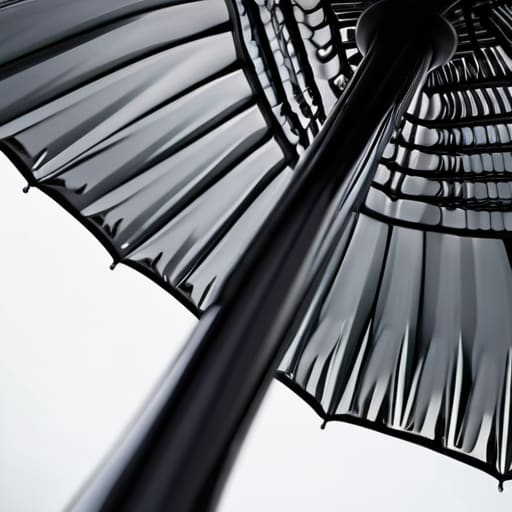
Let’s look at the math, because a £5 umbrella that snaps in a light breeze is actually an infinite expense. When you’re looking at umbrella rib construction, ignore the shiny finish and look at the joints. If the ribs are thin, flimsy aluminum, they’re going to buckle the second a gust hits. You want fiberglass or high-grade steel; they have the flex to bend without snapping. I always tell my clients that a slightly heavier frame is a better investment than a lightweight one that turns inside out like a cheap taco.
Then there is the question of size: compact vs golf umbrellas. If you’re commuting, you want the compact version for your bag, but you have to accept the trade-off in structural stability. A larger golf umbrella has more surface area, which means more wind resistance, so the frame must be beefier to compensate. If you’re buying a small, collapsible one, check the tension in the canopy. If the fabric feels thin and papery, it’s going to sag and pool water within a month, ruining the silhouette and the structural integrity of the whole thing.
Why Canopy Material Durability Is Your Real Cost Per Wear Metric

Most people look at a canopy and see a color or a pattern, but I see a ticking clock. If you’re buying a cheap, thin polyester shell because it looks “aesthetic,” you’re essentially paying for a disposable item. I’m talking about canopy material durability—the difference between a fabric that sheds water for three seasons and one that starts absorbing moisture like a sponge by next October. Once a fabric loses its coating, it gets heavy, stays damp, and eventually starts smelling like a basement. That is how you turn a twenty-pound purchase into a piece of landfill.
When I look at the math, I’m looking at how the fabric interacts with the frame. If you opt for a tiny, travel-sized model, you’re often sacrificing the density of the weave for the sake of being compact. I’d much rather you carry a slightly larger frame with high-quality waterproof fabric types like a tight-weave pongee. It might cost an extra tenner upfront, but it won’t sag when the wind picks up or leave you walking around in a damp, translucent mess. Real style isn’t being dry; it’s not having to replace your gear every time the weather turns.
Decoding Umbrella Rib Construction Versus Cheap Disposable Frames
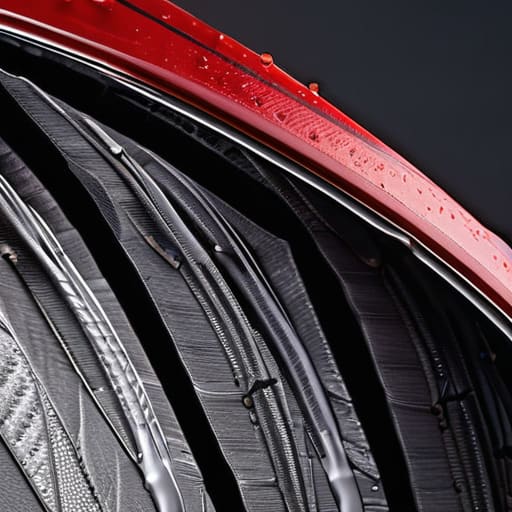
When you’re looking at an umbrella in a shop, don’t let the pretty print distract you from the skeleton. Most cheap umbrellas use thin, tensioned steel ribs that are designed to snap the second a gust of wind decides to play games with you. If you can bend a rib with just your thumb, it’s going to fail you mid-commute. I always look for fiberglass-reinforced ribs; they have a bit of “give” that allows them to flex under pressure rather than snapping like a dry twig. It’s the difference between a tool and a piece of litter.
You’ll also see a lot of marketing around the automatic open close mechanism, but here’s the reality: more moving parts means more points of failure. If the internal spring is low-grade, that mechanism will jam after three months of heavy use. If you’re choosing between a compact vs golf umbrellas, remember that the larger frame requires much more structural integrity to prevent the “inverted bowl” effect. If the frame feels flimsy in your hand, it’s not a bargain—it’s just a future trip to the bin.
Compact vs Golf Umbrellas Choosing Utility Over Convenience
Look, I get it. The tiny, collapsible ones are tempting because they don’t take up half your bag, but we need to talk about the math of convenience versus actual coverage. When you’re looking at compact vs golf umbrellas, you aren’t just choosing a size; you’re choosing how much of your outfit you actually want to stay dry. A micro-umbrella might fit in your pocket, but the second a breeze picks up, that tiny canopy becomes a glorified napkin. You’ll end up with dry shoulders and a soaked torso, which defeats the entire purpose of owning one.
If you live in a city where the wind tunnels between buildings turn every rain shower into a sideways assault, you need the structural integrity of a larger frame. A proper golf umbrella offers a much better canopy-to-wind ratio, meaning it won’t invert the moment things get messy. If you do go compact, please, for the love of your dry laundry, check for a sturdy automatic open close mechanism and reinforced ribs. A cheap, flimsy folding umbrella is just a piece of expensive plastic waiting to snap and leave you standing in the rain holding a useless metal skeleton.
The "Don't Get Stranded" Checklist: 5 things to check before you tap your card
- Check the rib joints, not the print. Flip the umbrella inside out and look at where the fabric meets the metal. If it’s just a messy glob of glue and cheap plastic, it’s going to snap the first time a gust of wind catches it. You want reinforced, mechanical connections that look like they were built to move, not just glued to stay still.
- Do the “tension test” on the canopy. Grab the fabric and give it a firm tug. If it feels thin and papery like a cheap souvenir, it’s going to soak through and become heavy, sodden dead weight within twenty minutes. You want a high-density weave that sheds water rather than absorbing it like a sponge.
- Avoid the “automatic” trap unless you have to. Those little push-buttons are great until the spring mechanism gets a bit of grit or salt in it, then they’re dead. A manual, sturdy shaft is much harder to break and much easier to fix if a part actually goes rogue.
- Weight is a lie; balance is the truth. A heavy umbrella feels “quality” in the shop, but if the center of gravity is all in the handle, your wrist will be screaming by the time you reach the office. A well-made umbrella should feel distributed, not like you’re swinging a lead pipe.
- Look at the handle grip for longevity. If it’s that weird, sticky faux-leather stuff, it’ll start peeling off in a damp bag within six months. Go for wood, solid resin, or a high-quality textured rubber. It’s the part of the umbrella you touch most, so don’t let it turn into a slimy mess halfway through a rainy Tuesday.
The true cost of a "cute" umbrella
Stop looking at the pattern on the fabric and start looking at the tension in the ribs; I’d much rather carry a bulky, uninspired black canopy that stays upright in a gale than spend fifteen quid on a ‘pretty’ compact umbrella that turns inside out and becomes a useless metal skeleton the second the wind actually picks up.
Neve Okonkwo-Barr
Stop treating umbrellas like seasonal accessories
At the end of the day, an umbrella isn’t a fashion statement; it is a piece of structural engineering that happens to sit in your hand. If you’ve spent any time looking at the specs, you know that a pretty pattern on a polyester canopy means nothing if the ribs are made of cheap, brittle plastic that snaps the moment a gust hits. You need to prioritize the weight of the fabric and the integrity of the frame over whatever “trend” the high street is pushing this month. Don’t get distracted by the aesthetic—look for reinforced joints, high-denier materials, and a scale that actually matches your lifestyle. An umbrella that survives three months of real weather is a better investment than a designer one that ends up in a landfill by November.
We spend so much time worrying about how we look in the rain that we forget the point of the object is to keep us dry and unbothered. My advice? Stop looking for the “perfect” umbrella in a magazine and start looking for the one that is built to be repaired, not replaced. When you buy for durability instead of impulse, you aren’t just saving money; you’re refusing to participate in a cycle of disposable junk. Build a kit that works for your actual life, and I promise you’ll feel a lot more stylish when you aren’t fighting a broken frame in the middle of a downpour.
Frequently Asked Questions
If I find a high-quality vintage umbrella at a charity shop, is it actually worth the repair cost to fix a bent rib?
It depends entirely on the frame. If it’s a vintage piece with fiberglass or high-grade steel ribs, it’s worth the £15–£20 repair to straighten it. You’re buying a structural legacy, not a piece of plastic. But if the fabric is thinning or the runner is wobbly, walk away. Don’t spend more on the fix than the umbrella is worth; a repaired cheap frame is just a broken umbrella with a higher price tag.
How can I tell if a "water-resistant" fabric is actually going to hold up, or if it's just a cheap polyester coating that will peel off in three months?
Don’t let the “water-resistant” label fool you; that’s usually just a chemical spray-on coating that’ll flake off the moment you hit a heavy downpour. If it feels like thin, crinkly plastic, it’s trash. You want a dense weave—look for high-denier polyester or, better yet, a nylon ripstop. If you can see light through the fabric when you hold it up, the water is coming through too. Check the tension; it should feel substantial, not flimsy.
Is there any point in paying extra for a wooden handle if the internal frame is still made of cheap, flimsy metal?
Absolutely not. That’s exactly how brands trick you into thinking you’ve bought a “luxury” item. A polished wooden handle feels expensive in your hand, but it’s just decorative skin over a skeleton of cheap, bendable metal. If the ribs are flimsy, the wind will snap them regardless of how pretty the grip is. Don’t pay a premium for a handle if the structural integrity is trash; you’re just buying a very heavy, very useless paperweight.
