Stop letting luxury marketing convince you that a designer logo is a substitute for actual structural integrity. I’ve spent years staring at the inside of people’s bags and pockets, and nothing makes me cringe more than seeing someone drop eighty quid on a “status” piece that’s already fraying at the seams because the leather is paper-thin and the stitching is purely decorative. Most people think learning how to choose a wallet or cardholder is about picking a color that matches their shoes, but they’re missing the point entirely. It’s not an aesthetic choice; it’s a mechanical one. If the grain is too weak or the card slots are cut too tight, you aren’t buying an accessory—you’re buying a future trip to the bin.
I’m not here to sell you on “investment pieces” that require a prayer to survive a single month of daily carry. Instead, I’m going to give you the actual maths behind the materials. We’re going to talk about edge painting versus burnishing, why certain leather weights will actually hold their shape, and how to spot a cheap construction job before you tap your card. I’ll show you how to find something that fits your life, not just your outfit.
Understanding How to Choose a Wallet or Cardholder
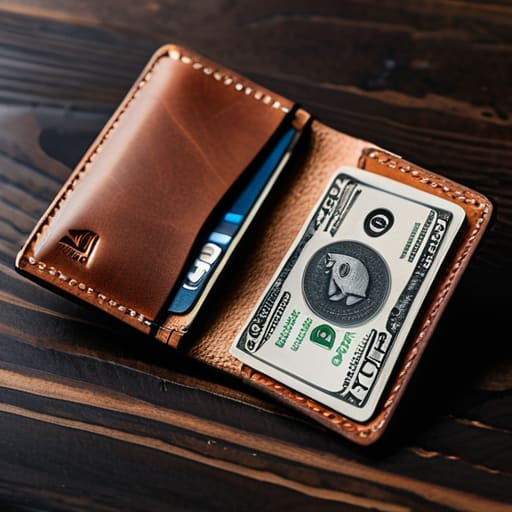
First, we need to stop treating your wallet like a junk drawer. Most people I see carrying around a bulky, overstuffed bifold are essentially walking around with a structural hazard in their pocket. If you’re deciding between a minimalist wallet vs traditional wallet, don’t just look at the aesthetic; look at your actual life. How many cards do you actually tap with? How much cash do you carry? If you’re carrying ten cards and a stack of receipts in a slim profile cardholder, you’re going to stretch the stitching and ruin the silhouette of your trousers within a month.
Then there is the material lie. You will see “genuine leather” everywhere, and I need you to hear me: that is a marketing term, not a quality standard. It usually means the lowest grade of scraps glued together. If you want something that actually ages instead of just peeling like a bad sunburn, you have to look for full grain leather vs genuine leather and choose the former every single time. It’s more expensive upfront, but the math works out because you won’t be replacing a cracked, “genuine” wallet every twelve months.
Key Things to Know
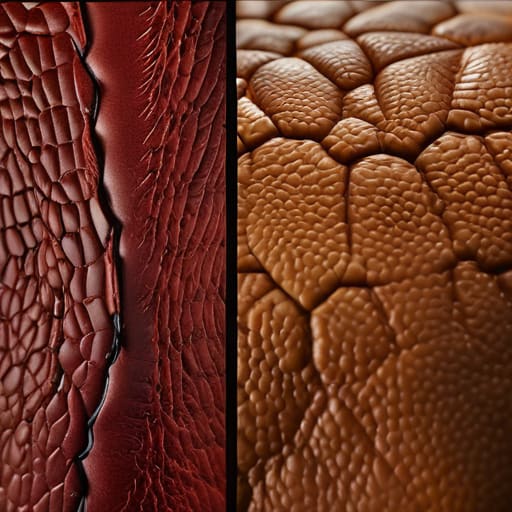
First, let’s talk about the material, because this is where most people lose their money. You’ll see “genuine leather” on a tag and think you’re getting a deal, but in my world, that’s a red flag. “Genuine” is often just a marketing term for the leftover scraps that have been heavily processed and coated in plastic to look decent. It will peel and crack within six months. If you want something that actually develops a patina instead of just falling apart, you need to look for full grain leather vs genuine leather—the former is the whole hide, the latter is the junk. It’s the difference between a wallet that lasts a decade and one you’ll be throwing in the bin by next Christmas.
Next, stop ignoring the geometry of your pockets. If you’re carrying a bulky bifold that turns your trousers into a lumpy mess, you aren’t “dressing well,” you’re just fighting your own silhouette. I always suggest looking into slim profile cardholders for front pocket use if you hate that feeling of a heavy brick against your thigh. It’s about the math of what you actually carry; if you only use four cards and a bit of cash, a massive traditional wallet is just wasted bulk and unnecessary stitching.
Practical Tips and Steps
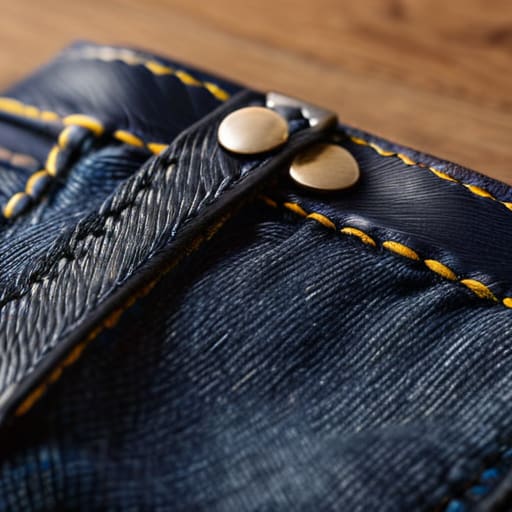
First, stop looking at the lifestyle photos and start looking at your actual pockets. If you’re wearing slim-fit trousers or denim, a bulky bi-fold is going to ruin your silhouette and probably end up feeling like a brick against your hip. I always suggest testing slim profile cardholders for front pocket use if you hate that awkward bulge. If you can’t fit your most-used cards and your ID into something that doesn’t distort the line of your clothes, it’s not a “classic” choice—it’s just poorly scaled for your life.
Next, let’s talk about the math of longevity. When you’re comparing full grain leather vs genuine leather, do not let the word “genuine” fool you; in the industry, that’s often code for “layers of scraps glued together with a thin veneer.” It will peel and crack within six months. If you want something that actually develops a patina instead of just falling apart, look for the grain density. A real piece of leather might cost more upfront, but when you factor in the cost of replacing a cheap synthetic every year, the math of durability favors the heavy hitter every single time.
Common Mistakes to Avoid
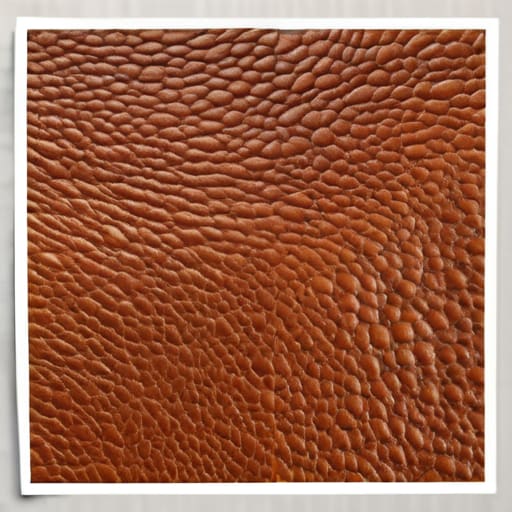
The biggest mistake I see is people falling for the “genuine leather” trap. In the industry, “genuine leather” is basically code for “we took the scraps left over from the good stuff, sanded them down, and painted them to look pretty.” It’s a lie. If you want something that won’t peel and crack like a cheap synthetic after six months of being shoved in your jeans, you need to look for full grain leather vs genuine leather comparisons. Full grain is the real deal; it develops a patina instead of just falling apart. If the surface looks unnaturally perfect and plasticky, walk away.
Another massive error is ignoring the physics of your pockets. People buy these massive, overstuffed bi-folds because they want to feel prepared, but they end up with a brick in their back pocket that ruins the silhouette of their trousers and kills their posture. If you’re wearing slim-cut chinos or tailored trousers, you need to prioritize slim profile cardholders for front pocket use. It’s about the architecture of your outfit. Don’t let a bulky, overstuffed wallet turn a well-fitted pair of pants into a lumpy mess.
Final Thoughts
At the end of the day, stop looking for a “lifestyle accessory” and start looking for a tool that actually functions within your life. If you’re constantly pulling out a bulky brick of a thing just to pay for a coffee, you haven’t bought a wallet; you’ve bought a pocket-shaped nuisance. Whether you decide on a minimalist wallet vs traditional wallet depends entirely on your actual inventory, not what looks good in a curated Instagram feed. If you only carry three cards and a bit of emergency cash, don’t let a brand convince you that you need a heavy, multi-compartment beast.
My final piece of advice is to look past the marketing gloss and check the construction. I’ve seen “luxury” items fall apart because they used corrected grain instead of real quality; please, learn the difference between full grain leather vs genuine leather before you drop fifty quid on something that will peel in six months. Buy for the material, buy for the dimensions of your actual pockets, and buy something that you can actually repair rather than replace. Style isn’t about having the newest thing; it’s about having the right thing that actually lasts.
The Real-World Stress Test: 5 Things to Check Before You Pay
- Stop looking at the logo and start looking at the edge paint. If that colorful coating on the leather edges looks thick, plasticky, or uneven, it’s going to peel and crack within six months of being shoved in your pocket. You want burnished edges or a clean, consistent finish that won’t turn into a sticky mess by autumn.
- Do the math on your actual life, not your fantasy life. If you carry three cards, a receipt from yesterday, and a bit of emergency cash, do not buy a massive bifold that’s going to sit half-empty and lose its shape. A cardholder is great, but if you have to carry a separate coin purse because the wallet has no depth, you’ve just created a new problem to solve.
- Check the stitching density. I’ve seen “luxury” wallets where the thread is so thin and the stitches are so far apart that the tension of a card sliding in will snap the seam. You want tight, even, slightly recessed stitching. If the thread looks like it’s barely holding on in the shop, it’ll definitely fail after a month of friction.
- Test the “pocket bulge” factor. A wallet is a structural item. If you buy a heavy, thick leather piece for a slim-fit trouser or a tight pocket, you aren’t wearing the outfit; the wallet is wearing you. If the leather is too stiff to bend slightly with your body, it’s going to ruin the line of your clothes and probably end up uncomfortable by lunchtime.
- Look at the lining material. A lot of brands use a thin, cheap polyester lining to save on costs while charging you for the “top-grain” exterior. That lining is the first thing to tear when you’re digging for a card. Look for a reinforced interior or a single-layer construction that doesn’t rely on a flimsy piece of fabric to hold everything together.
The Math of a Good Carry
Stop looking at the logo and start looking at the edges; if the leather is thin enough to see light through the grain or the stitching is a loose, decorative afterthought, you aren’t buying an accessory, you’re buying a future trip to the bin.
Neve Okonkwo-Barr
The Bottom Line
At the end of the day, choosing a wallet isn’t about matching a logo to your shoes; it’s about the physics of what you actually carry. If you’re stuffing five loyalty cards and a mountain of receipts into a slim cardholder, you aren’t being “minimalist,” you’re just destroying the leather and ruining the silhouette of your trousers. Look for high-density grains that won’t crack under pressure, check that the stitching is reinforced at the stress points, and for heaven’s sake, make sure the dimensions actually fit your life. A wallet is a tool, not a trophy, and it should be judged by how it handles your daily friction, not how much it cost at the checkout.
Stop letting the marketing departments convince you that you need a new accessory every time a season changes. A well-chosen, high-quality piece—even if it’s from a brand nobody has heard of—will outlast five “luxury” versions made of cheap, corrected-grain scraps. Focus on the math of longevity: cost divided by years of use. If you buy something that fits your pockets and your habits, you won’t be looking for a replacement by next Christmas. Build a kit that works for you, stays out of the way, and actually lasts a decade.
Frequently Asked Questions
I found a vintage leather cardholder for next to nothing, but how do I know if the leather is actually going to hold up or if it’s just going to peel in six months?
First, do the “pinch test.” If the surface feels like thin plastic or makes a crinkling sound, it’s likely “genuine leather”—which is just marketing speak for the scraps left over after the good stuff is cut. It’s heavily coated in pigment and will peel like a bad sunburn. You want something that feels substantial and absorbs a tiny bit of moisture. If it feels oily or waxy, that’s a good sign; it means the leather is actually breathing.
Is it actually worth paying a professional to replace the lining or fix the stitching on an old wallet, or am I just throwing good money after bad?
It depends on the math. If it’s a high-quality, full-grain leather piece with a solid structure, spend the money. Replacing a lining or reinforcing stitching is a fraction of the cost of a new quality wallet. But if the leather itself is “corrected” (basically plastic-coated) or the structural cardboard inside is crumbling, stop. You’re just paying to decorate a corpse. Fix the seams, but don’t try to resuscitate dead leather.
If I buy a slim cardholder to save space, am I going to end up stretching the seams out once I actually start putting cards in it?
If you’re stuffing a slim cardholder designed for four cards into a slot meant for ten, yes, you’re going to wreck the stitching. I’ve seen it happen in the studio all the time with leather goods. Once those seams start bulging or the thread pulls, that’s it—it’s not a fixable problem. Check the edge paint and the seam allowance before you buy. If it looks tight on the shelf, it’ll be trashed by Tuesday.
