Stop letting luxury marketing convince you that a “premium” watch strap needs to cost more than your weekly grocery shop. I spent two years in a basement studio pinning hems for brides, and if there is one thing I learned, it’s that a high price tag is often just a mask for terrible construction. I’ve seen people drop hundreds on “designer” leather that cracks and peels after three months of daily wear because the grain is paper-thin and the edges aren’t properly burnished. When you are learning how to choose a watch strap, you shouldn’t be looking at the logo; you should be looking at the stitch density and the weight of the material.
I’m not here to sell you on a “lifestyle” or a specific brand; I’m here to show you the actual maths of durability. In this guide, I’m going to break down which materials—from genuine calfskin to high-grade silicone—will actually survive a year of your life, and which ones are just expensive landfill. We’ll talk about lug widths, spring bar tension, and why the way a strap sits against your wrist is more important than the aesthetic. Let’s get your watch actually working for you.
Understanding How to Choose a Watch Strap
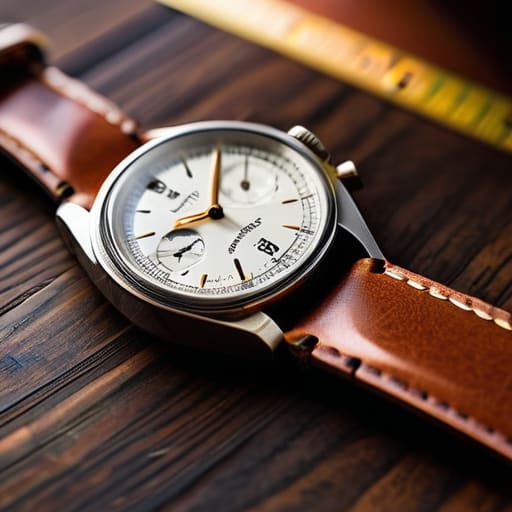
First things first: stop guessing the size. You can find the most gorgeous leather band in the world, but if you haven’t checked your lug width measurement, you’re just buying an expensive piece of scrap. It’s that tiny gap between the watch arms where the strap lives. If you get this wrong, the strap will either gap awkwardly or refuse to seat properly, and no amount of “styling” will hide a mechanical mismatch. Grab a ruler, measure that gap in millimeters, and write it down. It takes ten seconds and saves you a trip to the returns desk.
Next, look at the job the watch actually has to do. There is a massive functional difference between dress watch vs sports watch straps. If you’re wearing a slim, polished piece to a wedding, a heavy, notched rubber strap is going to look like you’ve strapped a piece of industrial equipment to your wrist. Conversely, don’t buy a delicate calfskin strap for a watch you wear while hiking; it’ll be ruined by sweat and salt in a month. Think about the friction and the environment—match the material to your actual Tuesday, not a Pinterest board.
Key Things to Know
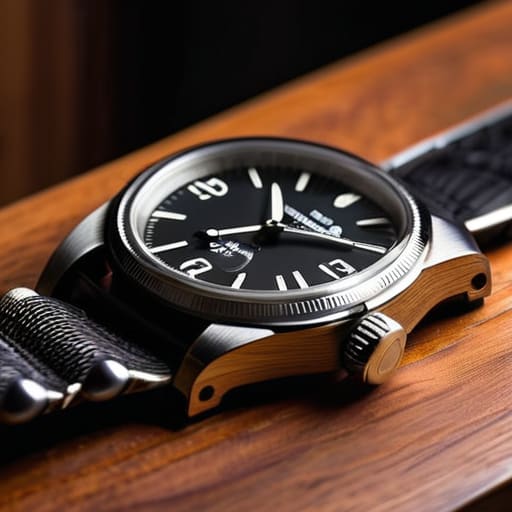
First, let’s talk about the technical stuff that most people ignore until they’re standing in a shop feeling confused. You cannot just grab whatever looks pretty; you need to know your lug width measurement. If you try to force a 20mm strap onto an 18mm lug, you aren’t being “edgy,” you’re just ruining the piece. Grab a millimeter ruler—it costs nothing—and check the space between the lugs. If you don’t get this right, the whole thing will sit crooked, and no amount of “styling” will hide a strap that looks like it’s fighting your watch.
Next, stop treating every strap like it’s interchangeable regardless of the occasion. There is a massive difference between dress watch vs sports watch straps in terms of how they actually behave on your wrist. A heavy, chunky NATO strap might look cool, but it’s going to feel ridiculous with a slim, polished timepiece meant for a wedding. Also, look at the edges. If the material looks like it’s going to fray after three wears, walk away. I’ve seen enough cheap leather peel in a month to know that durability is the only real metric of value.
Practical Tips and Steps
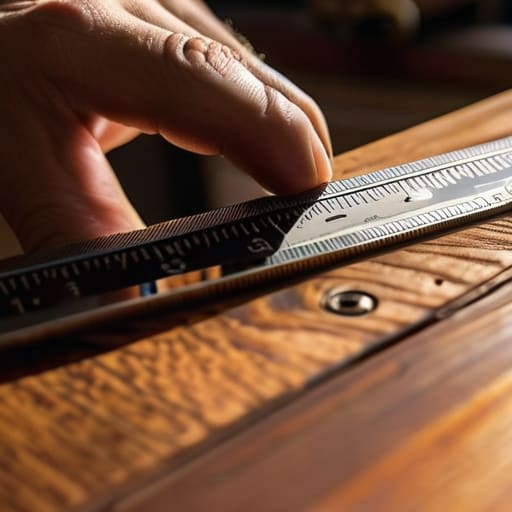
First things first: grab a ruler and a steady hand. Before you fall in love with a leather strap online, you need to nail your lug width measurement. If you buy a 20mm strap for a 18mm gap, you aren’t getting “a bit of a gap,” you’re getting a mistake that makes the whole watch look cheap and broken. Check the back of the case or measure the space between the lugs carefully. It’s a five-minute job that saves you the headache of a return or, worse, a strap that won’t even seat properly.
Once you have the size, think about the actual life you live. If you’re sweating through your commute, don’t force a delicate calfskin into the mix; you need a watch strap material guide that prioritizes resilience, like a high-quality FKM rubber or a tight NATO weave. I see too many people trying to wear a suede strap in July, only to have it look crusty and ruined by August. If it’s a weekend piece, go for the texture; if it’s your daily driver, pick something that can actually survive a bit of grit and moisture.
Common Mistakes to Avoid
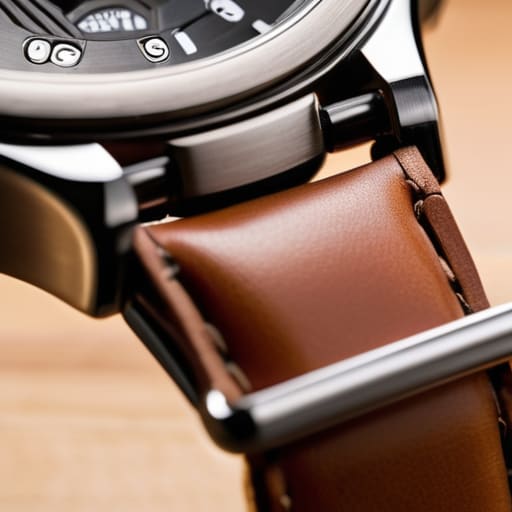
The biggest mistake I see? People buying a strap because it looks “expensive” in a studio photo, only to realize it’s a nightmare to actually wear. They ignore the lug width measurement and end up with a band that has a massive, unsightly gap or, worse, won’t even fit the spring bars. If the math doesn’t work, the aesthetic won’t either. It’s like trying to hem a pair of jeans that are three sizes too small; you can’t fix a fundamental lack of scale with a bit of styling.
Stop treating every watch like a generic accessory, too. There is a massive difference between dress watch vs sports watch straps in terms of how they handle tension and sweat. If you slap a heavy, chunky NATO strap on a slim vintage piece, you aren’t being “edgy”—you’re just ruining the silhouette. And please, for the love of everything practical, stop buying cheap, plastic-feeling “vegan leather” for daily wear. It won’t survive a month of friction, let alone a year. If you can’t see the grain in the leather or feel the weight of the metal, you are just paying for marketing.
Final Thoughts
Look, at the end of the day, your watch shouldn’t feel like a costume you’re putting on to pretend you’re someone else. If you’ve spent twenty minutes obsessing over a leather grain only to realize the strap is too stiff to actually move with your wrist, you’ve wasted your time and your money. Whether you’re looking for a dress watch vs sports watch straps distinction or just trying to find something that won’t make your skin itch by noon, the goal is the same: comfort that lasts longer than a single season.
Don’t get caught out by a “deal” that ignores the basics. Before you hit checkout, double-check that lug width measurement—there is nothing more soul-crushing than a beautiful strap that arrives and is two millimeters too wide to actually fit your case. If you can get the fit right and pick a material that actually survives your daily life, you’re already ahead of 90% of the people out there. Stop treating your accessories like disposable trends and start treating them like the tools they are.
The Non-Negotiables: 5 Things to Check Before You Tap 'Buy'
- Check the lug width, not just the vibe. If your watch has a 20mm gap and you buy a 22mm strap because it’s on sale, you’re stuck with a gap that looks amateur or a strap that won’t fit. Measure the space between the lugs with a ruler first—it’s a five-second job that saves you a return shipment.
- Look at the underside of the leather. If it’s smooth, shiny, and feels like plastic, it’s going to crack and peel by next Tuesday. You want something with a bit of grain or a suede finish that actually breathes; otherwise, you’ll be sweating through it by midday.
- Prioritize the hardware over the color. A beautiful navy strap is useless if the buckle is a cheap, hollow-feeling alloy that scratches the moment it touches your desk. If the metal feels light and “tinny,” walk away.
- Consider the “wrist-bend” factor. If you’re buying a thick, heavy rubber or a stiff leather strap, make sure it’s supple enough to actually contour to your wrist. A strap that sits stiffly like a plank of wood isn’t “rugged”—it’s just uncomfortable, and you’ll end up leaving it in a drawer.
- Do the math on the spring bars. If the strap comes with cheap, flimsy spring bars, factor in the £5–£10 it’ll cost to buy a decent set of stainless steel ones. A strap is only a bargain if the whole assembly doesn’t fail and drop your watch on the pavement.
The Math of a Good Strap
Stop treating a watch strap like a disposable accessory; if it’s pinching your wrist or fraying after a month of Tuesday commutes, you haven’t bought a ‘look,’ you’ve just wasted twenty quid. A real strap is about the weight of the leather, the strength of the stitching, and how much it actually costs to replace when you inevitably wear it into the ground.
Neve Okonkwo-Barr
The Bottom Line
At the end of the day, choosing a watch strap isn’t about chasing every seasonal trend that pops up on your feed; it’s about understanding the relationship between the material, the hardware, and your own wrist. Stop looking for the “perfect” strap and start looking for the one that actually makes sense for your lifestyle. Whether you’re opting for a heavy-duty NATO nylon that can survive a commute or a fine leather strap that needs a quick adjustment at the tailor to sit right, remember that the goal is longevity. Check the stitching, weigh the material, and for heaven’s sake, make sure the lug width is correct before you hit buy. If the fit is wrong, no amount of “aesthetic” will save it from looking cheap.
My biggest piece of advice is to stop treating your watch like a museum piece and start treating it like a tool. A watch strap is meant to be worn, sweated in, and eventually replaced when the edges fray. You don’t need a massive collection of mediocre accessories; you need three or four high-quality pieces that you can swap out depending on whether it’s a Tuesday in the office or a Saturday at the pub. Style isn’t about how much you spend on the upgrade—it’s about knowing exactly how that piece sits on your body and making it work for you without breaking the bank.
Frequently Asked Questions
I found a vintage leather strap for next to nothing, but is it actually worth the cost of getting a new lining so it doesn't rot against my skin?
Here’s the math: if the leather is supple and the stitching isn’t fraying, it’s a win. But if the lining is crumbling, you’re looking at a £15–£25 repair for a specialist to swap the underside. If the strap cost you £5, you’ve just tripled the price. Only do it if the leather quality is top-tier; otherwise, you’re paying premium prices for a vintage look that’s fundamentally broken. Don’t chase a bargain that costs more to fix than it’s worth.
Can a tailor actually shorten a metal link bracelet, or am I better off just buying a new one that fits my wrist properly from the start?
Don’t buy a new one just yet. A tailor can’t do it—they deal in thread and needles, not steel—but any decent jeweler with a link removal tool can. It takes ten minutes and usually costs less than a decent lunch. If it’s a cheap, flimsy alloy, don’t bother; it’ll snap. But if it’s solid stainless steel, pay the small fee to get the links out. A properly fitted bracelet looks intentional; a loose one looks like you borrowed it.
Is there any point in paying extra for a 'premium' nylon strap, or is it all just clever marketing for something that's going to fray in three months?
Honestly? Most “premium” nylon is just a marketing markup on the same basic weave. If you’re paying £40 for a brand name, you’re paying for the logo, not the longevity. However, there is a difference in the hardware and the edge finishing. Cheap nylon frays because the ends aren’t heat-sealed properly or the buckle is flimsy tin. Buy a mid-range one with solid stainless steel hardware and tidy edges; that’s the real math.
