I spent three years in a basement studio pinning hems for a bridal shop, and if there is one thing I learned, it’s that most people treat jewelry and belts like a frantic afterthought rather than a tool. You’ve seen the “complete guide to accessories” videos online where some influencer tells you that you need a new gold hoop for every mood or a $400 designer belt to “elevate” a basic outfit. Honestly? That is just expensive noise. Most of those “must-have” pieces are made of cheap alloys that will turn your skin green by Friday, or they’re so trend-heavy they’ll look ridiculous by next season.
I’m not here to sell you a lifestyle or a shopping list of things you don’t need. Instead, I’m giving you a real, no-nonsense way to look at what you already own and what is actually worth your hard-earned cash. We are going to talk about weight, hardware durability, and how a single well-made leather belt can actually fix a silhouette that’s slightly off. This isn’t about buying more; it’s about buying better so your wardrobe actually works on a Wednesday.
Understanding Complete Guide to Accessories
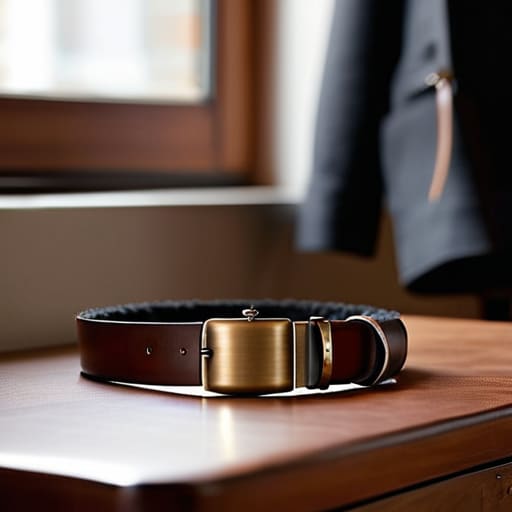
Look, if you’re expecting a list of what’s “in” this season, you’ve come to the wrong place. I don’t care about seasonal accessory trends if they’re designed to fall apart after three wears. To me, a real guide isn’t about accumulation; it’s about utility. You need to stop looking at accessories as “extras” and start seeing them as the structural components of an outfit. A heavy leather belt isn’t just a way to hold up trousers; it’s a tool to redefine your silhouette when a shirt is too boxy.
When I build an essential accessory checklist for my clients, I focus on the math of durability. I want to see premium accessory materials—think solid brass hardware instead of gold-plated plastic that chips by November, or full-grain leather that actually develops a patina rather than peeling like an old sunburn. If you invest in high-quality basics, you aren’t just buying “stuff”; you are building a versatile accessory wardrobe that survives the laundry cycle and the daily grind. If the hardware feels light and hollow in your hand, put it back on the rack. It’s not an investment; it’s a future landfill contribution.
Key Things to Know
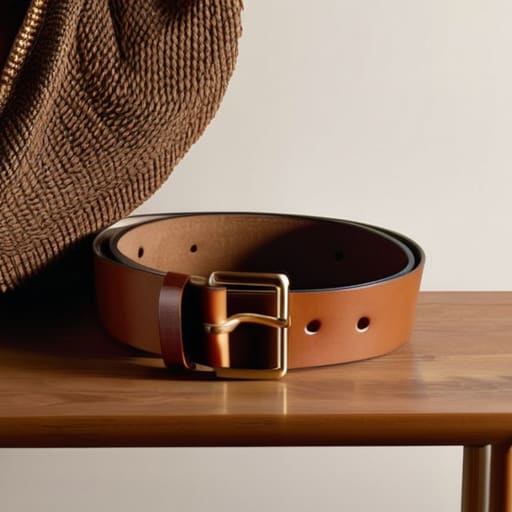
First, stop looking at the shiny things in the window and start looking at your closet. A versatile accessory wardrobe isn’t about having a different bag for every outfit; it’s about having three pieces that actually play well with your existing clothes. If you buy a neon green clutch because it’s “on trend,” you’ve just bought a single-use item that will sit in a drawer for eleven months. I want you to look for structural integrity—a belt that doesn’t peel after three wears or a scarf that doesn’t pill the moment it touches your wool coat.
When you are building your essential accessory checklist, prioritize materials over logos. I don’t care if the brand name is embossed on the leather if the tanning process was so cheap that the edges are already fraying. Look for heavy-weight metals and natural fibers. If you can’t tell if a piece is high-quality by the weight of it in your hand, it’s probably not worth the space in your life. Real style is found in the details that actually last.
Practical Tips and Steps
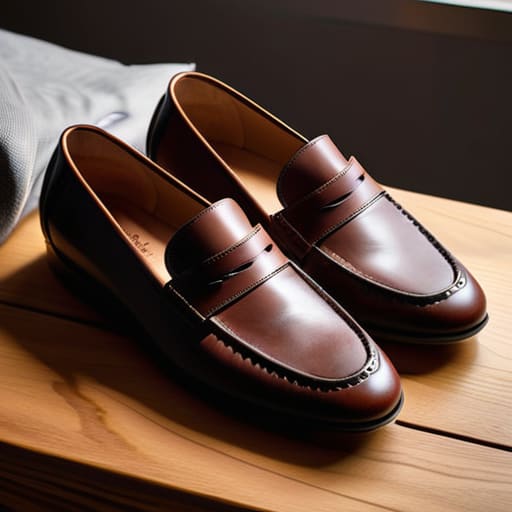
First, stop looking at the “New In” section and start looking at your existing hardware. Before you buy a single thing, run through an essential accessory checklist: do you have a belt that actually holds its shape, a bag with a reinforced strap, and shoes that don’t make your feet scream by noon? Most people fail because they buy “statement” pieces that have zero structural integrity. If you’re looking at a faux-leather bag, check the edges; if they look like they’ll peel after three trips on the bus, it’s not an accessory, it’s landfill.
When you are actually ready to spend, focus on premium accessory materials like heavy-gauge metals or full-grain leather. It sounds expensive, but it’s just basic math—a $40 solid brass buckle will outlive four $15 plastic ones. Once you have the pieces, practice your styling accessory combinations by layering them against your most basic, boring outfits. A plain grey sweater and jeans become a “look” not because of a trend, but because the weight of a structured scarf and a decent leather belt creates a silhouette that actually looks intentional.
Common Mistakes to Avoid
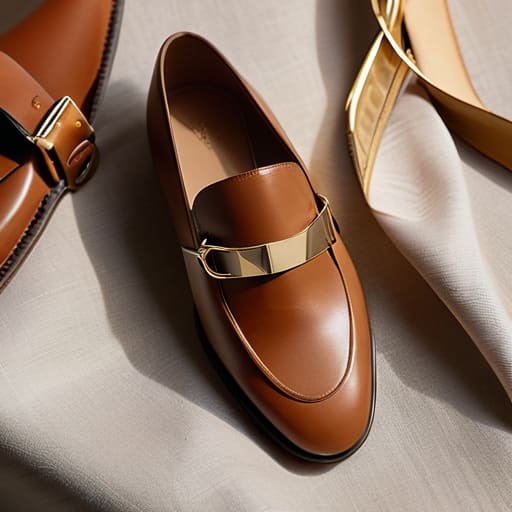
The biggest mistake I see—and I see it every time I’m styling a client who’s stressed about a big event—is treating accessories like a frantic afterthought rather than a structural part of the outfit. People often go out and buy a bunch of “statement” pieces that look great on a mannequin but have zero synergy with their actual clothes. If you’re chasing every passing micro-trend, you aren’t building a wardrobe; you’re just collecting clutter. Instead of chasing seasonal accessory trends that will look dated by next October, focus on building a versatile accessory wardrobe that actually plays well with the fabrics you already own.
Another trap is the “luxury illusion.” I cannot tell you how many people spend a fortune on a designer bag only to realize the strap is poorly constructed or the leather is so thin it’s going to peel within six months. Don’t fall for it. An expensive logo doesn’t compensate for cheap hardware or poor construction. Before you tap your card, check the weight of the metal and the quality of the stitching. If you want your pieces to last, you need to prioritize premium accessory materials like full-grain leather or solid brass over anything that feels like lightweight plastic.
Final Thoughts
Look, at the end of the day, building a versatile accessory wardrobe isn’t about chasing every micro-trend that pops up on your feed. It’s about knowing that a well-made leather belt or a sturdy brass buckle will outlast three seasons of “must-have” plastic trinkets. If you focus on the construction—checking the weight of the metal and the grain of the leather—you stop being a consumer and start being a curator.
Stop treating your extras like disposable decor. If you want things to actually last, you need to implement a few basic accessory maintenance tips, like storing your jewelry separately so it doesn’t scratch or using a cedar block for your leather goods. It sounds like extra work, but it’s much cheaper than replacing a broken strap every six months.
Don’t get overwhelmed trying to master every single combination overnight. Just start with your essential accessory checklist: one good bag, one reliable belt, and one pair of earrings that don’t pull on your lobes. Get those right, make sure they fit your actual life, and the rest will fall into place.
Five ways to accessorize without falling for the marketing trap
- Stop buying “statement” jewelry that’s actually just cheap alloy. If a necklace turns your neck green after three wears, the cost-per-wear is infinite because it’s effectively trash. Look for gold-filled or sterling silver; it might cost more upfront, but you won’t be replacing it every month.
- Use belts to fix a silhouette, not just to hold up trousers. If you find a great vintage blazer but it’s drowning you, don’t buy a new one—spend £15 on a decent leather belt to cinch the waist. It changes the entire architecture of the outfit for the price of a lunch.
- Check the weight of your scarves. I see so many people buying these flimsy, polyester-blend “fashion” scarves that provide zero warmth and look like tissue paper by mid-January. If it doesn’t have some substance or a natural fiber like wool or cotton, it’s just more clutter in your closet.
- Bags are about structure, not logos. A canvas tote is fine for the grocery run, but if you’re looking for a “staple” bag, look at the stitching and the base. If the bag can’t stand up on its own when you set it down, the construction is poor, and it’ll look slumped and messy within a season.
- Don’t let a “trend” accessory dictate your budget. If everyone is wearing a specific type of chunky earring, ask yourself if you’ll actually wear it on a random Wednesday in six months. If the answer is no, skip it. Accessories should serve your existing wardrobe, not force you to buy a whole new one just to match them.
The Real Math of Style
Stop treating accessories like little treats you buy to compensate for a wardrobe that doesn’t fit; a high-quality belt or a sturdy leather bag isn’t a ‘finishing touch’ if it’s going to peel by next season—it’s a functional tool that should work as hard as your favorite pair of trousers.
Neve Okonkwo-Barr
The Bottom Line
At the end of the day, an accessory shouldn’t be another thing you’re trying to “manage” or layer on just to feel complete. We’ve talked about why a heavy brass buckle beats a flimsy plastic one, why you should check the stitching on a leather strap before tapping your card, and how a single well-made belt can actually save a mediocre outfit by creating a better silhouette. Remember: don’t let a brand name trick you into thinking a $200 scarf is an “investment” if the weave is so loose it’s going to pill after three wears. Focus on the weight of the metal, the integrity of the material, and whether or not the piece actually serves a purpose in your Tuesday-to-Friday rotation.
Stop looking at your wardrobe as a collection of things you need to buy, and start seeing it as a kit you can refine. Style isn’t about having the most stuff; it’s about having the right stuff that actually works when you’re halfway through a busy afternoon. If you can master the art of the small fix—whether that’s swapping a cheap button or finding a vintage piece that actually fits your proportions—you’ll realize you don’t need a massive budget to look intentional. Build your kit one durable, functional piece at a time, and I promise you’ll stop feeling like you’re constantly running to catch up with a trend that wasn’t made for you anyway.
Frequently Asked Questions
I found a vintage leather bag at a charity shop, but the strap looks frayed—is it worth paying a professional to reinforce it, or is the leather too far gone?
First, feel the leather. If it’s supple and doesn’t crack when you flex it, the bag is a winner. If it feels like stiff cardboard, walk away—that’s a lost cause. For a frayed strap, it depends: if it’s just the edge stitching, a tailor can fix it for about £15. If the leather itself is splitting, you’re looking at a specialist cobbler, which might cost £40+. Do the maths: if the bag is worth more than the repair plus your time, grab it.
How can I tell if a piece of "costume" jewelry is actually going to turn my skin green after three wears, regardless of what the packaging says?
Look at the weight and the color. If it feels like a hollow piece of plastic, it’s probably just spray-painted brass or copper. If the “gold” looks suspiciously orange or lacks a certain heft, it’s a runner. Most importantly, check the clasp. If it’s a flimsy, lightweight alloy that feels scratchy, run. Real plating has some substance. If you can’t see a visible seam where the metal meets, it’s just a thin layer waiting to flake off.
If I have a great coat that fits perfectly but feels a bit boring, can a belt actually change the silhouette, or am I just wasting money on another thing to store?
It’s not a waste if you do the math. A belt isn’t just “another thing”; it’s a structural tool. If your coat is a heavy wool or a structured crepe, a belt can completely redefine your waistline and stop that “boxy” feeling that makes you look like you’re wearing a tent. Just don’t buy a cheap, thin faux-leather one that will crack in three weeks. Get a decent leather belt—it’ll cost you maybe £20 for a good one—and it’ll actually work.
