I spent three years in a cramped basement studio pinning hems for brides, and if there is one thing those frantic, expensive lace gowns taught me, it’s that a high price tag is a terrible indicator of quality. Most “expert” advice online is just a glorified shopping list, pretending that if you just spend enough on a designer cashmere sweater, you’ve solved your wardrobe problems. It’s a lie. A “complete guide to knitwear” shouldn’t be a map to the nearest luxury boutique; it should be a lesson in fiber density and tension. I’ve seen £500 sweaters pill after a single Tuesday afternoon and £20 charity shop finds that have outlasted every single thing in my closet.
I’m not here to help you spend more money; I’m here to help you spend it smarter. In this guide, I’m going to strip away the marketing fluff and show you the actual math behind the knit. We’ll talk about why certain blends are a total waste of your cash, how to spot a cheap stitch before you even touch the fabric, and exactly what a decent sweater should feel like when it’s actually built to survive a season.
The Mathematical Truth a Complete Guide to Knitwear That Lasts
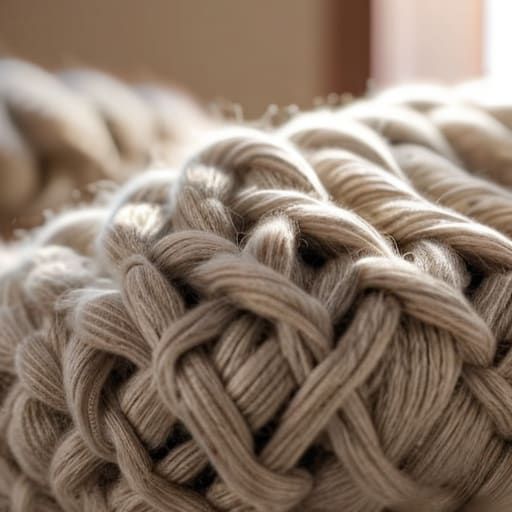
Let’s look at the actual math. When you see a “luxury” sweater for £200, half that price is often just paying for the brand’s marketing budget and a logo. To see if it’s actually worth it, you have to look at the fiber content. I always tell my clients to check the tag for the ratio of natural vs synthetic fibers. If you’re buying a “premium” knit that is 40% acrylic, you are essentially paying a premium price for plastic that will pill, lose its shape, and trap sweat by mid-November. A true bargain is a 100% wool or cashmere piece—even from a high street shop—because the fiber integrity allows it to breathe and bounce back.
You also need to factor in the cost of wool sweater maintenance. A heavy-gauge, chunky knit might cost more upfront, but it’s much more forgiving. When understanding yarn weight, remember that thinner, tightly spun yarns are more prone to holes and snagging. If you buy a lightweight, delicate knit, you aren’t just buying a garment; you’re signing up for a lifetime of careful hand-washing and the constant fear of a snag. If the math doesn’t include the cost of your time and care, it isn’t a bargain.
Natural vs Synthetic Fibers Why Most Sweaters Are Planned Obsolescence
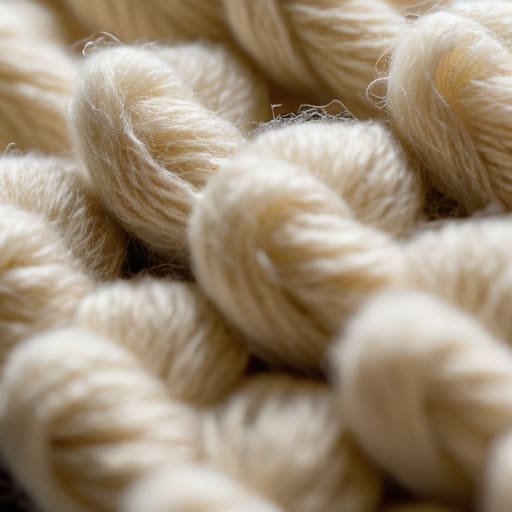
Here is the truth that the big-box retailers won’t tell you: most of those “soft-touch” sweaters in the window are engineered to fall apart. When you’re looking at natural vs synthetic fibers, you have to look past the marketing fluff. A high percentage of acrylic or polyester might feel cozy on day one, but those are plastic threads. They don’t breathe, they trap sweat, and they develop that annoying little fuzz—pilling—almost immediately because the fibers are too short and weak to hold their shape.
If you want a piece that actually survives a Tuesday morning commute and a dozen washes, you need to prioritize luxury knitwear fabrics like merino, cashmere, or heavy-gauge cotton. I’ve spent too many hours in my studio trying to fix “distressed” knits that weren’t distressed by design, but simply disintegrated because the yarn weight was too thin and the material was cheap. A heavy wool sweater might cost more upfront, but when you factor in the cost of replacing a synthetic one every six months, the math always favors the natural fiber.
Decoding Luxury Knitwear Fabrics Without Paying the Brand Tax
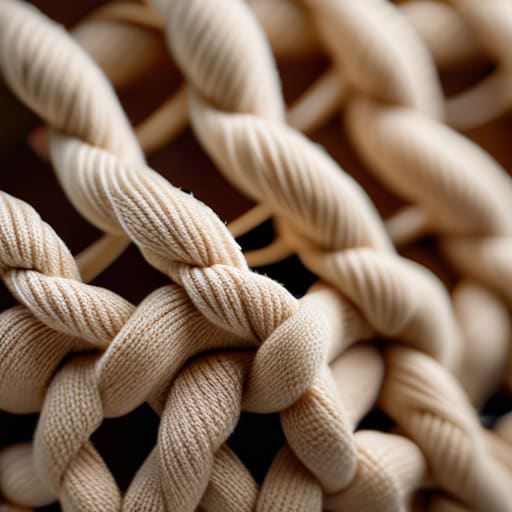
Here is the reality: a designer label on a cashmere sweater doesn’t mean the yarn is superior; it often just means you’re paying for their marketing budget and a fancy shopping bag. When you’re looking at luxury knitwear fabrics, stop looking at the brand name and start looking at the composition tag. I’ve seen £400 sweaters made from “cashmere blends” that are actually 70% nylon, which is just a polite way of saying the garment will pill and lose its shape by mid-November. If you want real value, you need to look for high-percentage natural fibers—merino, alpaca, or true cashmere—that actually have the structural integrity to hold a shape.
You also need to start understanding yarn weight like a pro. A heavy, dense knit in a single-ply wool is going to outlast a flimsy, “cloud-like” designer knit every single time. If the fabric feels thin and translucent when you hold it up to the light, it’s going to stretch out at the elbows within a month. Don’t let the softness fool you; density is what provides longevity, not a high price tag.
Understanding Yarn Weight and Stitch Patterns for Real World Wear
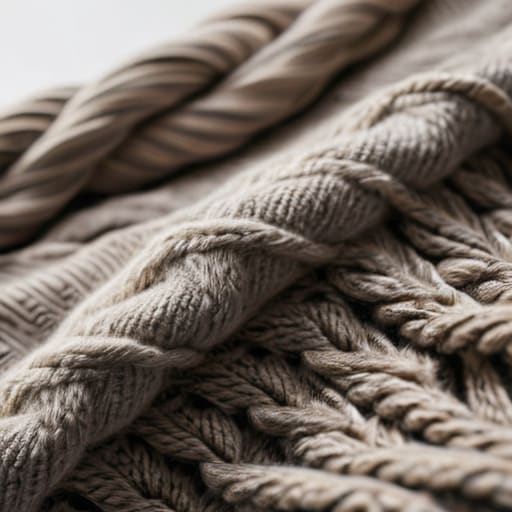
Now, let’s talk about how much space that sweater is actually going to take up in your life. Understanding yarn weight isn’t just for people who knit; it’s for anyone who has ever tried to layer a chunky cable-knit over a crisp button-down only to end up looking like a stuffed sausage. A “bulky” weight is great for a weekend in a drafty cottage, but if you’re trying to wear it to a meeting on a Wednesday, you’re going to struggle with mobility. On the flip side, “fine” gauge knits are elegant, but they are also much more prone to snagging and losing their shape if the tension isn’t right.
Then there are the knitting stitch patterns. A tight, jersey stitch is a workhorse, but once you get into heavy textures like Aran or honeycomb, you’re adding significant physical mass to the garment. This means more weight pulling on your shoulders and more surface area to deal with during wool sweater maintenance. If you buy a heavy, textured piece, you have to be prepared for the fact that it’s going to be harder to wash and even harder to dry without it stretching into a tent.
Wool Sweater Maintenance Preventing Shrinkage and Extending Life
Listen, if you treat your knitwear like a standard cotton t-shirt, you are essentially paying for a very expensive rag. The biggest mistake I see—and I’ve spent far too many hours in my studio deconstructing “shrunken” sweaters—is the aggressive machine wash. Heat and agitation are the enemies of wool sweater maintenance. When those fibers hit hot water, they felt, they lock together, and suddenly that oversized cardigan is a crop top. If you want to avoid the heartbreak of preventing sweater shrinkage through sheer luck, you need to learn the hand-wash ritual: cool water, a tiny bit of gentle soap, and absolutely no wringing.
Once you’ve washed it, do not, under any circumstances, hang it on a hanger. Gravity is a thief; it will pull your garment out of shape, turning your beautiful shoulders into weird, pointy lumps. Instead, lay it flat on a towel to dry. This is where understanding yarn weight becomes practical—a heavy, chunky knit needs even more structural support while damp to avoid stretching into a distorted mess. Treat your pieces with a bit of respect, and they’ll actually survive until next winter.
The "Don't Get Ripped Off" Checklist for Your Next Knitwear Haul
- Check the seam allowance before you hit the till; if the knit is so tight or the construction so flimsy that a tailor can’t even grab a seam to adjust the length, you aren’t buying a sweater, you’re buying a temporary shape.
- Do the “light test” on any blend—hold the knit up to the light, and if you see uneven gaps or “thin” spots in the weave, it’s going to develop holes by next February, regardless of what the label says.
- Ignore the “softness” trap in the fitting room; if a sweater feels like a cloud of synthetic fuzz, it’s likely acrylic that will pill the second it touches your skin, so look for the slight, honest friction of real wool instead.
- Calculate the “cost per wear” by looking at the cuff and hem tension; if the ribbing looks limp on the hanger, it will stretch out and lose its shape within three wears, making the price tag irrelevant.
- Always check the care label for the “dry clean only” lie; if it’s a high-quality natural fiber, it usually just needs a gentle hand wash and a flat dry, so don’t let them charge you a premium for a garment that requires a professional’s intervention every single week.
The Real Cost of a Knit
Stop looking at the price tag and start looking at the fiber content and the tension of the knit; a £200 cashmere sweater that pills by Tuesday is a scam, but a £40 heavy-gauge wool piece with enough seam allowance to survive a wash is an actual investment.
Neve Okonkwo-Barr
The Bottom Line on Your Knitwear
Look, we’ve covered a lot of ground, from the math of fiber content to why that “luxury” cashmere might actually be a blend of glorified plastic. If you remember nothing else, remember this: stop looking at the brand name and start looking at the composition label and the stitch density. A heavy-weight wool with a tight knit will always outlast a thin, trendy acrylic blend, even if the latter has a prettier logo. Check your seam allowances, understand the difference between a pill-prone synthetic and a resilient natural fiber, and remember that maintenance is cheaper than replacement. If you treat your knits like living things rather than disposable rags, they’ll actually stay in your rotation instead of ending up in a landfill by next February.
At the end of the day, building a wardrobe isn’t about having the most clothes; it’s about having the right clothes that actually fit your life. You don’t need a mountain of sweaters to feel stylish on a Wednesday morning. You just need a few pieces that don’t lose their shape the moment you sit down at your desk. Style isn’t a shopping problem you can solve with a credit card—it’s a curation problem you solve with your brain. Go find those solid basics, check the fabric, and if the fit is slightly off, take it to a tailor. You’ve got this.
Frequently Asked Questions
I found a beautiful cashmere sweater at a charity shop, but the cuffs are stretched out—can a tailor actually fix that or is it a lost cause?
It’s not a lost cause, but it’s a “measure twice” situation. If the ribbing is just tired, a specialist can sometimes re-knit or replace the cuffs entirely. If the knit itself is stretched and distorted, you’re looking at a structural issue. A decent tailor will charge you anywhere from £15 to £30 to swap those cuffs out. It’s worth it if the cashmere is high-grade, but don’t spend more on the fix than the sweater’s actual value.
Is it actually worth paying someone to shorten the sleeves on a heavy chunky knit, or will it ruin the drape of the garment?
It’s a risk, but it’s a calculated one. If it’s a heavy, chunky knit, you aren’t just shortening fabric; you’re moving the weight. If your tailor just hacks the cuff off, the sleeve will lose its “hang” and look like a truncated tube. You need someone who understands seam allowance and can potentially re-taper the arm slightly to compensate. It’ll cost you about £25–£40, but it beats wearing sleeves that swallow your hands.
How do I tell if a "wool blend" is actually a decent deal or just a bunch of cheap acrylic disguised with a fancy label?
Check the composition tag, not the marketing. If “wool blend” is followed by more than 30% acrylic or polyester, run. You’re paying a premium for a sweater that will pill by Tuesday and lose its shape by Friday. A decent deal is usually 70% natural fiber minimum. If it feels suspiciously springy or “slick” in a way that isn’t silk, it’s plastic. Don’t let a fancy label mask a cheap, synthetic core.
