I spent three years pinning hems in a basement studio, and if there is one thing I’ve learned, it’s that the fashion industry loves to use the word “luxury” to mask a total lack of substance. You’ll walk into a high-end shop, see a sweater that costs more than my monthly rent, and be told it’s a “must-have cashmere staple,” when in reality, the weave is so loose it’ll pill before you’ve even finished your first commute. I’m tired of people being sold expensive mistakes under the guise of quality. This isn’t a marketing brochure; this is your complete guide to wool from someone who actually knows how the fibers behave under a sewing machine and how they hold up after twenty washes.
I’m not here to sell you on a lifestyle or a specific brand; I’m here to show you the actual maths of fabric longevity. We are going to talk about the difference between a high-twist merino and a cheap blend that loses its shape by Tuesday, and I’ll tell you exactly which weaves are worth the extra twenty quid. By the end of this, you’ll know how to spot a garment that actually survives a year of real life, rather than just looking good on a mannequin.
Stop Buying Hype a Complete Guide to Wool That Actually Lasts
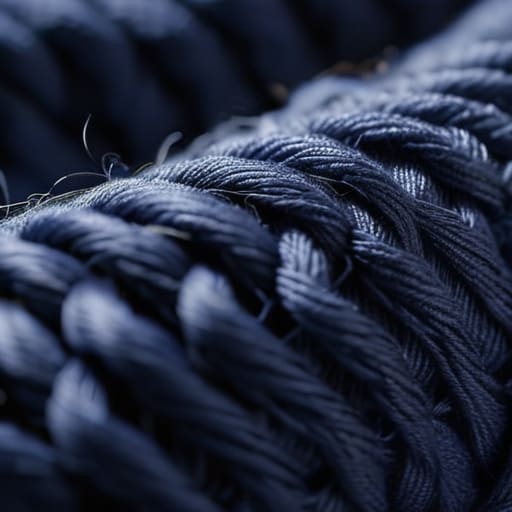
Stop looking at the brand name and start looking at the weave. Most people walk into a shop, see a “100% Wool” label, and assume they’ve found a lifelong companion. They haven’t. A lot of what’s sitting on high street racks is a loosely spun, low-grade blend that will pill before you’ve even finished your first month of commuting. If the fabric feels scratchy or looks suspiciously thin under the light, it’s going to lose its shape by Tuesday. You need to understand the natural fiber properties of what you’re actually holding; a dense, tightly spun wool holds its structure, whereas the cheap, airy stuff just collapses under its own weight.
I’m also tired of seeing “luxury” coats that are essentially glorified felt. When you’re looking at different wool types and textures, remember that weight equals longevity. A heavy Melton wool is a workhorse that survives a rainy Wednesday, while a delicate cashmere blend is often more trouble than it’s worth for daily wear. Don’t let them sell you on the “feel” alone—if the garment doesn’t have enough substance to hold a seam, no amount of tailoring can save it.
The Math of Sheep Breeds Deciphering Wool Types and Textures
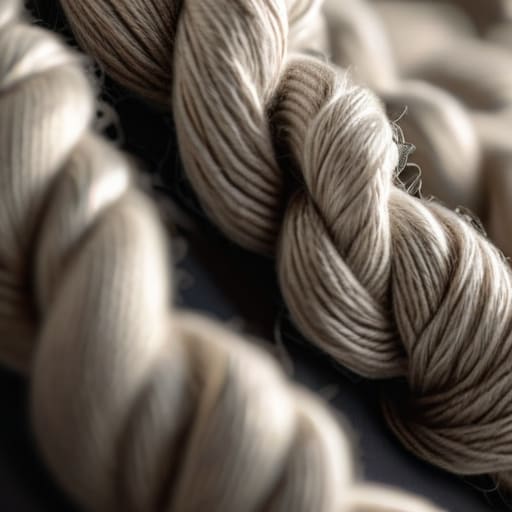
When you’re staring at a rack of sweaters, the labels usually lie to you. They’ll say “100% Wool” and leave it at that, but a Merino blend and a coarse Shetland are worlds apart in terms of how they actually behave on your body. The secret lies in the sheep breeds for wool that provided the fiber. Merino is the gold standard for a reason—the fibers are incredibly fine, which is why it doesn’t feel like you’re wearing a scratchy carpet. If you want something for a professional setting where you need to look sharp without the itch, Merino is your best bet.
On the flip side, if you’re looking for something to survive a brutal winter, you need to look at the insulating properties of wool found in heavier, coarser weaves like those from Romney or Lincoln sheep. These aren’t meant for a delicate silk blouse; they are built for structure and warmth. Don’t get tricked by “soft-touch” marketing that uses heavy chemical coatings to mask low-quality fibers. I always tell my clients: check the weight and the crimp. A tight, bouncy crimp usually means the fiber has more life in it and will hold its shape after a dozen trips to the dry cleaner.
Why Natural Fiber Properties Determine Your Real Cost Per Wear
Here is the math they don’t want you to do: when you buy a synthetic blend masquerading as a luxury knit, you aren’t saving money; you’re just pre-paying for a landfill trip. Synthetic fibers trap sweat and odors, meaning you have to wash them more often, which destroys the garment’s shape. Real wool, however, has incredible insulating properties and natural breathability that works with your body rather than against it. Because it regulates temperature so well, you actually end up wearing it more frequently across different seasons.
The real secret to lowering your cost per wear lies in understanding how natural fiber properties dictate longevity. A high-quality wool piece can be steamed, aired out, and worn dozens of times before it even needs a deep clean. If you’re buying a cheap acrylic sweater that pills after three wears, your cost per wear is astronomical. I’d much rather see you spend more upfront on a sturdy, well-constructed wool piece that survives a decade of Wednesday mornings than a “bargain” that loses its structural integrity by November.
Insulating Properties of Wool Why Some Coats Are Pure Waste
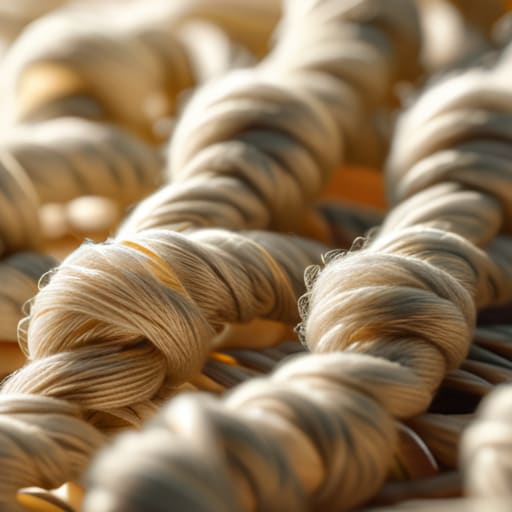
Marketing departments love to slap a “warm” label on anything that feels fuzzy, but they rarely explain the science of why you’re still shivering on your commute. The real magic lies in the insulating properties of wool, which come down to the crimp—that tiny, microscopic springiness in the fiber. High-quality wool types and textures have a tight, consistent crimp that creates millions of tiny air pockets. These pockets trap your body heat while allowing moisture to escape. If you buy a cheap, “wool-blend” coat that’s actually 70% polyester, those air pockets don’t exist. Instead, you’re just wearing a plastic bag that traps sweat against your skin, making you feel clammy and cold at the same time.
I’ve seen so many people spend a month’s rent on a designer coat only to find it’s functionally useless in a real winter. A coat isn’t just a visual statement; it’s an engineering project. When you’re looking at the composition tag, don’t just look for the word “wool”—look for the density and the fiber structure. If the weave is loose and flimsy, it doesn’t matter how much you paid; it won’t hold the heat.
Sustainable Textile Sourcing and the Right Wool Washing Techniques
When we talk about sustainable textile sourcing, most brands use it as a buzzword to justify a 40% markup. Real sustainability isn’t just about a “green” label; it’s about whether the farm actually manages its land and whether the wool was processed with chemicals that strip the fiber of its natural oils. If a sweater feels scratchy and “dead” the moment you touch it, it’s likely because the processing has compromised the integrity of the fiber. I look for traceability—knowing which sheep breeds for wool were used tells me a lot about how the garment will actually behave in a washing machine.
Once you’ve actually found a decent piece, you have to stop treating it like a cotton t-shirt. Your biggest mistake is the weekly hot wash. To preserve the natural fiber properties that keep you warm, you need to master basic wool washing techniques: cold water, a dedicated wool detergent, and absolutely no tumble drying. If you can’t handle a gentle hand wash in the sink, you shouldn’t be buying high-micron wool. It’s a simple trade-off: a little more effort in the laundry room means you won’t be replacing a shrunken mess next season.
5 Ways to Not Get Scammed by Your Own Wardrobe
- Check the seam allowance before you commit. If you find a wool piece you love but the shoulders are slightly off, check if there’s enough fabric inside the seam to let it out. If there isn’t, that “bargain” is actually a dead end because a tailor can’t fix a shoulder that’s too narrow.
- Stop trusting the word ‘blend’ at face value. A 70/30 wool-polyester mix isn’t always a bad thing for a high-friction item like trousers, but if it’s 50% acrylic, it’s going to pill before you’ve even finished your first month of commuting. Always check the inner care label, not the marketing fluff on the hangtag.
- The ‘Hand-Feel’ Test is a lie. Just because a sweater feels incredibly soft and buttery in the shop doesn’t mean it’s high quality; often, that’s just a heavy chemical finish or ultra-fine micron wool that will lose its shape and turn into a shapeless blob after three washes. Look for a bit of “bounce” or resilience in the fiber instead.
- Budget for the ‘Hidden Cost’ of maintenance. If you buy a beautiful, heavy wool overcoat, you need to factor in the cost of a decent cedar hanger and a garment brush. If you toss a heavy wool coat on a cheap wire hanger, you’re paying for the structural damage to the shoulders before you’ve even worn it once.
- Learn to spot a ‘Cheap’ weave. Hold the fabric up to the light. If the weave is uneven or has inconsistent gaps, it’s going to snag and pull within weeks. A tight, consistent weave is what actually makes wool durable, regardless of whether the brand name is something you’d see on a runway.
The Truth About the Price Tag
Stop letting a brand label a scratchy, thin blend an ‘investment piece’ just because it’s expensive. Real value isn’t in the logo; it’s in the micron count, the weight of the weave, and whether the fabric actually holds its shape after three months of real life. If the math doesn’t work, it’s just an overpriced mistake.
Neve Okonkwo-Barr
The Bottom Line on Wool
Look, we’ve covered a lot of ground, from the actual science of sheep breeds to why your “luxury” wool blend is probably just a glorified way of paying for plastic fibers. The takeaway is simple: stop looking at the brand name and start looking at the weave and the weight. If the fabric feels thin and hollow, it won’t survive a single rainy Tuesday, no matter how much the marketing team claims it’s an “essential piece.” Remember that a high-quality wool garment is only half the battle; you also need to know how to wash it without turning it into a felted coaster, and you need to be ready to take it to a tailor to ensure the drape actually works with your body. Real value is found in the intersection of fiber density and proper maintenance.
At the end of the day, I don’t want you to go out and buy a whole new wardrobe of expensive sweaters. I want you to look at what you already own and ask if it’s actually doing its job. Style isn’t about having a closet full of “investment pieces” that sit there collecting dust because they don’t fit right or they itch like crazy. It’s about owning a few things that actually work for your life. If you can find a solid wool coat at a charity shop, spend the twenty quid to get the sleeves shortened, and treat the fabric with respect, you’ve already won. Build a wardrobe that lasts, not one that just looks good on a hanger.
Frequently Asked Questions
If I find a high-quality wool piece at a charity shop but the elbows are thinning or the shape is off, is it actually worth the cost of a tailor to fix it?
It depends entirely on the math. If the elbows are thinning, you’re looking at an elbow patch—roughly £15–£25 for a decent job. If the shape is off, like the waist needs taking in, budget another £20. If the piece cost you £5 at the charity shop, you’ve spent £45 to make it perfect. That’s a win. But if it’s a cheap blend, don’t bother; the fabric won’t hold the new seams.
How can I tell if a "wool blend" is actually a decent way to save money or if the synthetic percentage is so high that the garment will pill and fall apart in three months?
Check the composition tag, not the marketing. If it’s more than 20% synthetic—like polyester or acrylic—run. Those fibers are basically plastic; they don’t breathe, and they’ll pill into a fuzzy mess by month three. A little nylon can actually add durability to a knit, but if it’s a “wool blend” that’s 50% polyester, you aren’t saving money; you’re just buying a very expensive sweater that’s destined for the bin.
I have a wool coat that's a bit too big in the shoulders—is that a simple, cheap fix, or am I better off just buying something new?
Honestly? That’s the “boss fight” of alterations. Fixing shoulders is a structural overhaul, not a quick hem. A tailor has to deconstruct the sleeve, shave the armhole, and reset the entire top block. It’s rarely “cheap”—expect to pay a significant chunk of the coat’s value. If the fabric is high-quality heavy wool, do it. If it’s a thin, trendy blend? Save your money and buy something that actually fits your frame.
