I spent my first two years in a basement studio pinning hems for a bridal shop, and if there is one thing I learned, it’s that a high price tag is a terrible way to measure quality. I have seen “designer” silk blouses that pill after three wears and cheap polyester blends that actually hold their shape better than the luxury stuff. Most people think they need a complete guide to fabrics just to sound smart at dinner parties, but you don’t need a glossary of Latin terms; you need to know why that sweater is currently shedding like a golden retriever. The industry wants you to focus on the brand name, but I want you to focus on the fiber content before you even touch the hanger.
I’m not here to give you a lecture on textile science that requires a PhD to understand. Instead, I’m giving you the practical version: the kind of knowledge you gain from years of seeing how different weaves actually behave under a sewing machine. This is your no-nonsense survival guide to knowing which materials will survive a year of real life and which ones are just expensive landfill waiting to happen. We’re going to talk about weight, drape, and exactly how much a seam allowance can do for a tricky fabric, so you can finally stop wasting money on things that don’t last.
Understanding Complete Guide to Fabrics
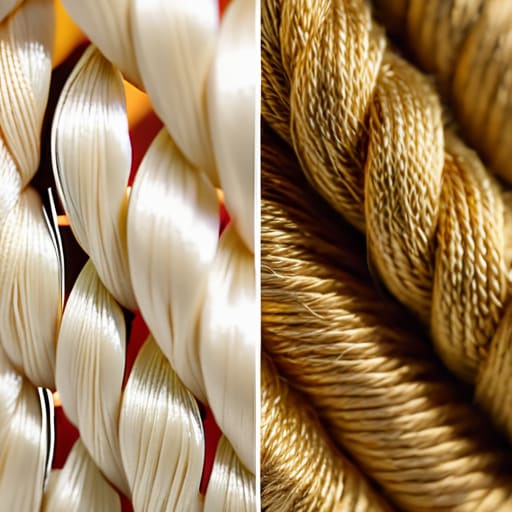
Before you even look at the price tag, you need to look at the composition label. This is where most people get tripped up, thinking a “luxury” label equates to quality. In reality, you’re often just paying for the brand’s marketing budget rather than the actual integrity of the thread. When you’re weighing up natural vs synthetic textiles, remember that nature usually wins on longevity. A high-quality wool or cotton might cost more upfront, but it breathes, it ages gracefully, and it doesn’t pill into a fuzzy mess after three washes like a cheap polyester blend will.
I also want you to start paying attention to fabric drape and texture when you’re in the fitting room. A garment can look incredible on a mannequin, but if the fabric lacks weight or structure, it’s going to hang off your body in a way that feels cheap and unflattering. If a fabric feels thin, limp, or strangely “crunchy,” it’s a sign that the textile manufacturing processes used were cutting corners on fiber length. Don’t be fooled by a soft hand-feel that disappears the moment you step outside into the wind.
Key Things to Know
First, let’s talk about the battle between natural vs synthetic textiles. I see this every day in the studio: someone buys a gorgeous-looking blazer that’s actually 100% polyester, and then they’re baffled when it starts pilling or feels like wearing a plastic bag by mid-October. Natural fibers like wool, cotton, and linen breathe with you and, crucially, they hold an alteration much better. If I’m taking in the waist of a silk or wool trouser, the fabric behaves. If I’m fighting against a cheap, high-percentage synthetic blend, the seam allowance is often non-existent and the fabric just refuses to cooperate.
You also need to look past the color and start understanding fabric GSM (grams per square meter). It sounds technical, but it’s just a fancy way of asking: how much weight does this actually have? A low GSM means a flimsy, see-through shirt that will lose its shape after three washes. A higher GSM means a substantial, sturdy piece that actually has some fabric drape and texture to work with. If a garment feels weightless in a way that suggests it’s hollow, walk away. It’s not a bargain if you have to replace it in twelve weeks.
Practical Tips and Steps
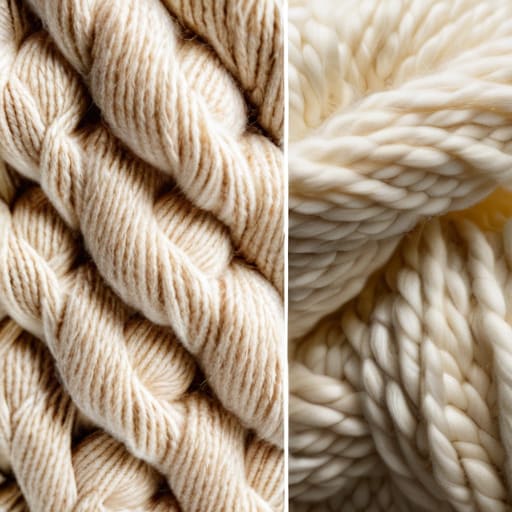
First, stop looking at the price tag and start looking at the internal composition label. If you’re staring at a “premium” sweater that is 100% acrylic, walk away. It’s going to pill by Tuesday and lose its shape by Friday. When comparing natural vs synthetic textiles, remember that natural fibers like wool, cotton, and linen generally breathe better and age with you, whereas cheap synthetics often trap heat and smell like a gym bag after three hours.
Next, get your hands on the garment. You can’t judge quality from a screen. I always check the fabric drape and texture to see how the material actually behaves; a heavy silk should flow like liquid, not stiffen like paper. If you can, try to find the GSM (grams per square meter) info online—it sounds nerdy, but understanding fabric GSM tells you if that white T-shirt is going to be a substantial staple or a see-through disaster. Check the seams, too. If the fabric is high-quality but the stitching is pulling, no amount of “investment” branding will save you from a wardrobe meltdown.
Common Mistakes to Avoid
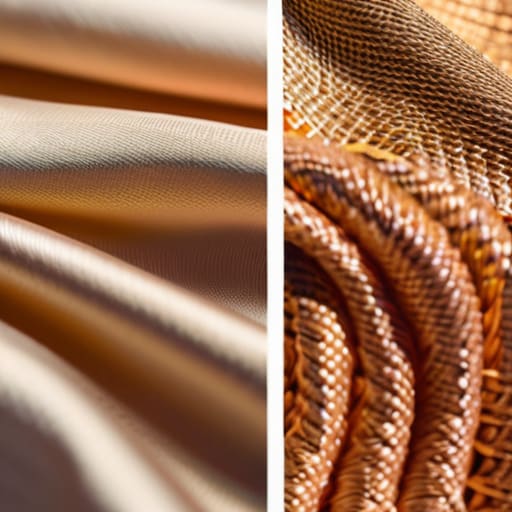
The biggest mistake I see is people falling for the “feel test” in the dressing room. You touch a sleeve, it feels soft, and you think you’ve found a winner. But soft doesn’t mean durable. A lot of fast-fashion brands use heavy chemical coatings to make cheap polyester mimic the feel of silk. If you aren’t looking at the care label to understand the natural vs synthetic textiles ratio, you’re basically buying a garment that will pill and lose its shape after three washes. Don’t let a soft hand-feel trick you into buying something that will look like a crumpled napkin by next month.
Another trap is ignoring how a fabric actually behaves when it’s moving. People buy a heavy, structured blazer because it looks expensive on the hanger, but they completely ignore the fabric drape and texture in relation to their own body. If the material is too stiff and lacks any give, no amount of tailoring is going to make it sit right on your shoulders. It’s not a “fit issue” you can fix with a pin; it’s a structural failure of the textile itself. Stop buying for the mannequin and start buying for the way the cloth moves when you actually walk.
Final Thoughts
Look, at the end of the day, I don’t want you to become a textile scientist, but I do want you to stop being a victim of clever marketing. Most people walk into a shop and see a color or a silhouette, but if you start looking for the real story—the way the fabric actually behaves when you move—you’ll stop wasting money. Whether you are debating natural vs synthetic textiles or just trying to figure out why a shirt looks limp instead of structured, remember that the material is doing 90% of the work for you.
If you take nothing else away from this, let it be this: stop buying for the “vibe” and start buying for the reality of your life. Check the weight, feel the grain, and if a garment feels like it’s going to pill after three washes, put it back on the rack. A wardrobe isn’t built on impulse buys; it’s built on knowing exactly what you’re bringing into your closet. Invest in the stuff that survives the laundry, the commute, and the Wednesday afternoon slump.
5 Ways to Tell if a Fabric is Actually Worth Your Money
- Check the composition tag before you even look at the price. If it’s more than 30% polyester in a garment that’s supposed to breathe—like a summer dress or a blouse—you’re basically paying for a plastic bag that will make you sweat and pill by next Tuesday.
- Do the ‘scrunch test’ right there in the shop. Grab a handful of the fabric and squeeze it tight for five seconds; if it looks like a crumpled piece of paper when you let go, put it back. Unless you love spending your Sunday mornings ironing, that’s a nightmare waiting to happen.
- Look at the weight, not just the drape. A heavy wool coat might feel expensive, but if the weave is loose and you can see light through it, it’s going to lose its shape after three wears. Real quality has a density that holds its own structure.
- Inspect the seams for ‘pulling.’ If you see the fabric straining or gaps opening up between the stitches while it’s still on the hanger, that fabric doesn’t have the integrity to survive a single wash cycle without looking ragged.
- Don’t get seduced by ‘softness’ alone. A lot of cheap synthetic blends are brushed to feel incredibly soft in the fitting room, but that’s often just a surface treatment that will shed and go fuzzy within a month. Natural fibers like cotton, linen, and wool might feel slightly ‘crisper’ at first, but they actually age with you.
The Truth About the Tag
Stop reading the brand name and start reading the composition label; a ‘luxury’ silk blend that loses its shape after one wash is just an expensive way to look messy, while a sturdy, well-woven cotton can be tailored, washed, and worn for five years straight.
Neve Okonkwo-Barr
The Bottom Line on What You’re Wearing
Look, at the end of the day, knowing your fabrics is about refusing to be tricked by a pretty label or a high price tag. We’ve covered how to spot a flimsy synthetic blend that will pill after three washes, why a heavy-weight cotton is often better than a “luxury” silk that requires a professional dry cleaner every Tuesday, and how to read a care label before you even touch the hanger. It isn’t about being a textile expert; it’s about understanding that durability is a math equation involving fiber content, weave density, and how much actual life you can get out of a single garment. If you can identify a high-quality seam and a stable fabric, you’ve already won half the battle against a wardrobe that falls apart by mid-season.
My final piece of advice? Stop looking at clothes as temporary thrills and start looking at them as tools for your life. A wardrobe shouldn’t be a collection of “maybe” pieces that look great on a mannequin but feel like sandpaper or lose their shape by lunchtime. When you prioritize substance over trends, you stop being a victim of the marketing cycle and start building a kit that actually works on a rainy Wednesday or a frantic Monday morning. You don’t need a massive closet; you just need a few things that are built to survive the real world.
Frequently Asked Questions
If a piece is a blend like 60% cotton and 40% polyester, is it actually a bad buy or is it just more durable for daily wear?
It’s not a bad buy, but you need to know what you’re signing up for. That 40% polyester is basically a structural bodyguard; it helps the cotton keep its shape and stops it from looking like a crumpled napkin by lunchtime. However, it won’t breathe as well as pure cotton. If it’s for a work shirt you’ll sweat in, skip it. For a sturdy everyday trouser? That blend is actually a smart math move.
How can I tell if a fabric is high quality just by feeling it in a shop without looking at the care label?
First, do the scrunch test. Grab a handful of the fabric, squeeze it tight for five seconds, and let go. If it stays looking like a crumpled napkin, walk away—that’s a cheap synthetic that’ll look messy by lunchtime. Also, check the weight and “bounce.” Real wool or heavy cotton has a certain structural memory; it feels substantial, not thin and papery. If it feels limp or overly slippery, it’s probably just marketing fluff.
Which fabrics are actually worth paying the extra money for when I'm looking at more expensive items?
Look, if you’re going to spend more, spend it on fiber, not a logo. Stop paying a premium for “luxury” blends that are 70% polyester—that’s just expensive plastic that will pill before your first laundry cycle. Go for 100% wool, heavy linen, or thick cotton twill. These fabrics have “memory” and structure. They hold their shape after you sit down, they breathe, and most importantly, they actually survive a year of real life.
