I spent two years hunched over a sewing machine in a basement studio, pinning hems for brides who were more worried about their guest list than their seam allowance. If there is one thing I learned while breathing in lint and thread tension, it’s that the fashion industry is lying to you. They want you to believe that if a pair of trousers doesn’t look like a second skin the moment you walk out of the fitting room, you’ve failed—or worse, you need to buy a new pair. That is absolute nonsense. Most people don’t have a style problem; they have a geometry problem. This isn’t some glossy, aspirational magazine spread; this is my complete guide to alterations, and it’s designed for the person who wants clothes that actually work for their life, not just their feed.
I’m not here to sell you “investment pieces” or tell you to shop more. I’m here to show you the maths. I’ll tell you exactly which fabrics can handle a tapered leg without puckering, which seams are a total write-off, and what a fair price for a tailor looks like in this economy. We are going to stop treating your wardrobe like a collection of disposable items and start treating it like a toolkit. By the end of this, you’ll know how to take a £20 thrift find and make it look like it was made specifically for your body, for the price of a few coffees.
Stop Shopping for Style Why Your Wardrobe Is a Fit Problem
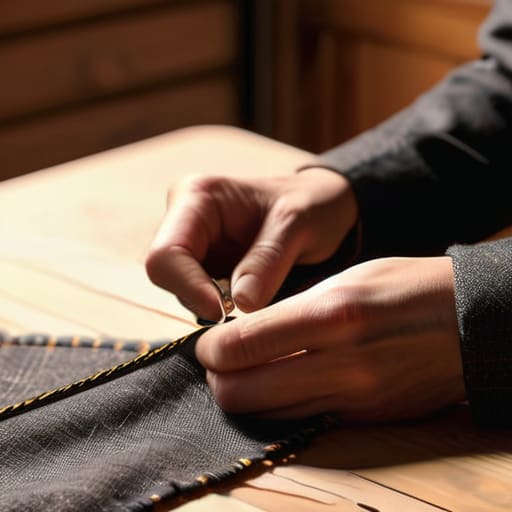
We’ve been conditioned to think that if a pair of trousers makes us look “off,” the fault lies with our bodies and the solution is a different size. It’s a lie. Most of the time, the garment is just built for a generic mannequin that doesn’t exist in real life. When you walk into a shop and see a beautiful wool blazer but the shoulders are slightly too wide or the waist is a box, your instinct is to walk away. I’m telling you: don’t. That’s where the real magic happens. Most people don’t need a new wardrobe; they need to understand tailoring vs alterations so they can stop treating clothes like disposable skin.
A quick hem or some subtle tapering can turn a “meh” thrift find into your favorite piece of clothing. Instead of chasing the next trend, start looking at the construction. Is there enough seam allowance to let it out? Is the fabric heavy enough to hold a new shape? When you start finding a professional seamstress who actually understands grainlines rather than just someone who runs a mending machine, you realize that style isn’t about what you buy—it’s about how the fabric interacts with your actual, moving human frame.
The Math of the Machine a Complete Guide to Alterations
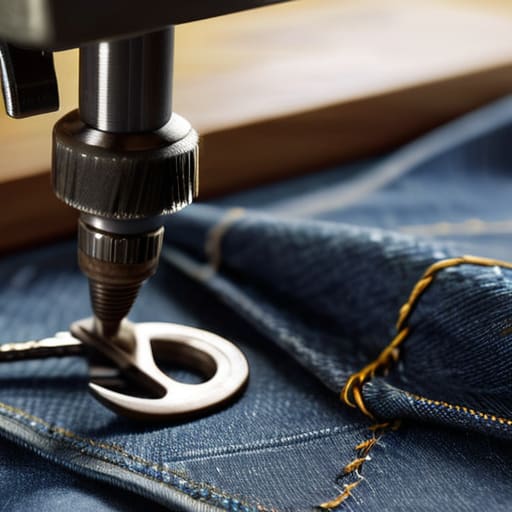
Look, I’m not going to give you a vague list of “possibilities.” I’m going to give you the actual math. When you walk into a studio, you need to know the difference between tailoring vs alterations so you don’t get quoted for a structural rebuild when you only needed a hem. A simple hem on a pair of trousers or a skirt is usually the cheapest fix you’ll find—think the price of a sandwich—but if you’re asking for complex hemming and tapering techniques to slim down wide-leg jeans, the price climbs because of the time spent on the machine.
The real “investment” isn’t the garment; it’s the labor. If you find a high-quality wool blazer at a charity shop for £10, but it needs a sleeve shortening and a waist nip, you might spend £40 at a local shop. That’s £50 for a blazer that actually looks like it was made for you. Always ask about the alteration turnaround time before you commit, too. A professional seamstress who takes two weeks is usually worth the wait compared to a rushed job that leaves your seams puckered and your confidence ruined.
Tailoring vs Alterations Knowing Whats Worth Your Money
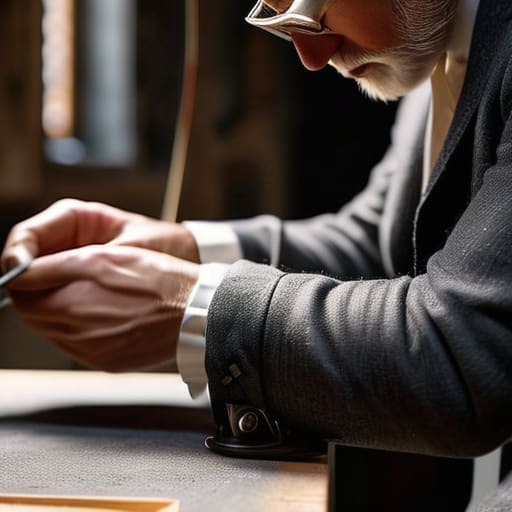
People use these words like they’re interchangeable, but if you want to avoid a disaster, you need to know the difference. Think of tailoring vs alterations as the difference between a surgical reconstruction and a quick patch-up. Tailoring is the heavy lifting—it’s structural. We’re talking about reshaping the shoulders of a blazer or adjusting the waist of a heavy wool coat so it actually follows the line of your spine. It’s precise, it’s expensive, and it’s what makes a vintage find look like it was made specifically for you.
Alterations, on the other hand, are usually about length or minor tweaks. I’m talking about hemming and tapering techniques on a pair of trousers or taking in a side seam that’s a bit too breezy. When you are finding a professional seamstress, ask them straight up: “Is this a structural change or a quick fix?” If you try to ask a quick-fix specialist to rebuild a jacket’s silhouette, you’re going to end up with a garment that looks lumpy and feels wrong. Know what you’re asking for so you don’t waste your money.
Hemming and Tapering Techniques That Actually Last a Year
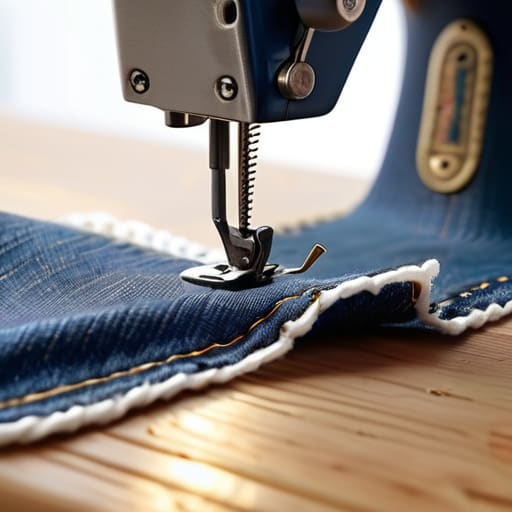
If you’re looking at a pair of trousers that pool around your ankles like a sad puddle, don’t just accept it. The difference between a cheap “quick fix” and a result that actually lasts a year comes down to the finish. For jeans or heavy chinos, I always push for an original hem—where the tailor cuts the excess but reattaches the factory edge. It keeps the distressed look intact so you don’t end up with a stiff, unnatural line at the bottom. For more formal trousers, you want a blind stitch. If you see a row of visible, chunky thread running around your leg, walk away; that’s a sign they’ve taken a shortcut that will likely unravel after three washes.
Tapering is where things get even more technical. When you’re asking for hemming and tapering techniques to slim down a leg, make sure they aren’t just pulling the side seams tight. If they do that, the pockets will flare out like little wings, and you’ll look ridiculous. A proper taper should follow the natural curve of your leg, usually by taking in the inseam or the outseam specifically to maintain the garment’s balance. It’s the difference between a pair of trousers that looks custom-made and one that looks like you’re wearing a hand-me-down that’s too big.
Finding a Professional Seamstress and Mastering Garment Resizing Tips
Finding a professional seamstress isn’t like finding a hair stylist; you can’t just go by the aesthetic of their Instagram feed. You need to look at the integrity of their finish. When you walk into a shop, look at the machines and the scrap pile. If the workspace is a chaotic nest of tangled thread and half-finished hems, run. You want someone who understands the structural difference between a simple hem and complex garment resizing tips involving dart repositioning. Ask them straight up: “Do you do structural work, or just basic repairs?” A good pro won’t mind the question, but a hobbyist will get defensive.
Before you hand over your favorite vintage blazer, always ask about the alteration turnaround time. There is nothing worse than a “quick fix” that takes three weeks, leaving you with nothing to wear for your Monday meeting. Also, don’t be afraid to ask for a quote upfront. If they can’t tell you exactly what a waist taper will cost before they touch the fabric, they aren’t being transparent with you. A real pro knows their margins and won’t surprise you with a bill that costs more than the shirt itself.
Five Rules to Live By Before You Hand Over Your Clothes
- Check the seam allowance before you fall in love. If you’re at a charity shop or a sale and the garment has zero extra fabric inside the seams, you are stuck with that fit forever. I’ve seen people try to let out a pair of trousers only to realize there’s no “meat” left in the seam to work with. If there’s no room to move, it’s not a bargain; it’s a trap.
- Learn the “Sit Test” in the changing room. A skirt might look divine while you’re standing perfectly still like a mannequin, but if it pulls across the hips or digs into your waist the second you sit down, it’s going to be a nightmare. A tailor can fix a waist that’s a half-inch too big, but they can’t magically add fabric to a crotch that’s riding up.
- Don’t let them “cheap out” on your zippers. If you’re getting a dress resized and the tailor suggests a plastic zipper because it’s cheaper, walk away. A cheap zipper is a ticking time bomb that will split mid-event. It’s better to pay an extra £10 now for a metal YKK zipper than to spend £50 replacing the whole garment when it jams in six months.
- Bring the shoes you actually wear with the outfit. This is the biggest mistake people make. If you take a pair of trousers to be hemmed while wearing flats, but you plan to wear them with three-inch boots, those trousers are going to be dragging on the pavement by lunchtime. Bring the heels, the trainers, or the boots. The floor doesn’t lie.
- Know when to walk away from a “fix.” I’m a big believer in making things work, but I’m not a magician. If you’ve bought a heavy, structured wool coat that’s three sizes too big, a tailor can fix the sleeves, but they can’t fix the shoulders. If the shoulder seam doesn’t sit where your bone ends, the whole silhouette is ruined, and no amount of stitching will save it.
The Real Cost of Looking Good
“Stop looking at the price tag on the rack and start looking at the seam allowance. A £20 skirt that needs a £15 waist adjustment is actually a £35 skirt—but it’s a £35 skirt that actually belongs to your body, rather than one you’re just trying to survive in.”
Neve Okonkwo-Barr
The End of the Shopping Cycle
Look, we’ve covered a lot of ground, from the difference between a quick hem and a full structural resize to the actual math of why that thrifted wool blazer is a better bet than a fast-fashion polyester blend. The takeaway is simple: stop looking at your clothes as finished products and start seeing them as raw material. Whether you are tapering a trouser leg to stop it from swallowing your shoes or taking in a waist that’s been gaping since the day you bought it, the goal is the same. You don’t need a bigger closet; you need a better relationship with your local seamstress and a basic understanding of what a seam can actually do.
At the end of the day, style isn’t about how much you spend or how many “must-have” items you can cram into your bedroom. It’s about the quiet confidence of knowing that when you pull on a jacket on a rainy Wednesday morning, it actually sits where it’s supposed to. When you stop chasing trends and start investing in the fit, you stop being a victim of the marketing machine. Go find that piece you’ve been avoiding because it’s “almost perfect,” take it to someone with a machine, and finally make it yours. Your wardrobe—and your bank account—will thank you.
Frequently Asked Questions
Is there a specific type of fabric that is actually too expensive or too difficult to bother fixing?
Look, I’ll always try to save a garment, but let’s be real about the physics. If you’re dealing with heavy, structured faux leather or anything with a massive amount of intricate, glued-on sequins, walk away. The cost to deconstruct that mess and re-sew it usually exceeds the value of the piece. Also, avoid ultra-thin, cheap synthetics that fray the second a needle touches them. If the fabric can’t handle a seam allowance, it’s not worth the repair bill.
How do I know if a tailor is actually good at what they do versus someone who just owns a sewing machine?
Don’t just look at their machines; look at their hands and their workspace. A real pro has a pincushion that’s actually used, not just a decorative one, and a scrap bin full of fabric tests. Ask them, “Can you take in this shoulder without ruining the drape?” A hobbyist will say yes; a professional will tell you exactly why it’ll look like a cheap suit if they try. If they don’t talk about grainlines, walk away.
At what point does the cost of the alteration actually exceed the value of the garment?
The math is simple: if the alteration costs more than 50% of what you’d pay for a replacement that actually fits, walk away. If you’re looking at a £20 polyester blend top from a high-street sale and the tailor wants £15 to take in the sides, just bin it. You aren’t “saving” anything; you’re just subsidizing a bad garment. Only commit when the fabric quality justifies the spend. If the seams are flimsy, no amount of tailoring will save it.
