I spent two years in a basement studio pinning hems for a bridal shop, and if there is one thing I learned, it’s that a “luxury” label is often just a very expensive way to mask mediocre construction. I’ve had clients come to me, genuinely heartbroken, clutching a cashmere sweater that looks like it was attacked by a lawnmower after only three wears. They think they’ve failed at being “high maintenance,” but the truth is much simpler and much more annoying: they were sold a lie about fiber length. Most people think pilling is some mysterious sign of wear, but understanding how pilling happens and what prevents it is actually just a lesson in basic textile physics and avoiding the marketing trap of “soft-touch” synthetic blends.
I’m not here to sell you a specialized, $50 fabric shaver or tell you to treat your clothes like delicate museum artifacts. Instead, I’m going to give you the actual maths behind the fabric. We are going to talk about why certain weaves fail under friction, how to spot a “pilling trap” while you’re still in the changing room, and the specific laundry habits that are secretly destroying your wardrobe. This isn’t about buying more; it’s about making what you own last through a Wednesday, a Friday, and every week after that.
The Friction Lie How Pilling Happens and What Prevents It
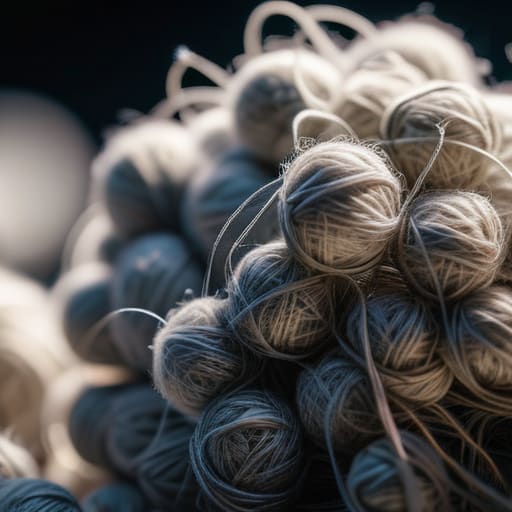
Look, pilling isn’t some mysterious force of nature; it’s just a physical breakdown of the yarn. When you move, your clothes rub against your skin, your bag, or even other clothes in the wash. This constant fabric abrasion resistance struggle causes those tiny, loose fibers to tangle into those annoying little balls. If you’re wearing a blend of polyester and wool, you’re basically asking for trouble. I see it constantly in the studio: high-end brands marketing “luxury” blends that are actually just a cocktail of short synthetic fibers designed to migrate to the surface and clump together.
The truth about synthetic vs natural fibres pilling is that synthetics are often the culprits because they are incredibly strong. While a natural fiber might break and fall away, a synthetic fiber holds onto that little fuzzball, anchoring it to the garment like glue. This is why your “premium” sweater looks like it’s been through a blender after a month. To fight back, you need to stop treating your knits like gym gear. Use a mesh bag, turn things inside out, and for heaven’s sake, stop overstuffing your washing machine.
Synthetic vs Natural Fibres Why Your Expensive Knit Is Fuzzing
Here is the truth that the marketing departments hate: a high price tag does not equal high quality. I see it all the time in my studio—clients bringing in “luxury” sweaters that have turned into a fuzzy mess after a single month. When we look at synthetic vs natural fibres pilling, the math usually favors the natural stuff, even if it feels more expensive upfront. Synthetics like acrylic or polyester are essentially tiny plastic tubes; they are incredibly strong, which sounds good until you realize that strength is exactly why they pill so badly. Because these fibers have high fabric abrasion resistance, they don’t break when they tangle; they just stay attached to the surface, creating those annoying little bobbles that refuse to go away.
Natural fibers like wool or cotton might actually break down over time, but they tend to shed the debris rather than trapping it in a plastic knot. When you’re shopping, look for tightly spun yarns. A loose, “fluffy” knit is a trap—it’s just more surface area for friction to grab onto. If you want your clothes to actually survive a Tuesday, stop chasing the “soft-touch” synthetic blends and start looking at the fiber composition.
The Maths of Textile Surface Degradation and Fabric Abrasion Resistance
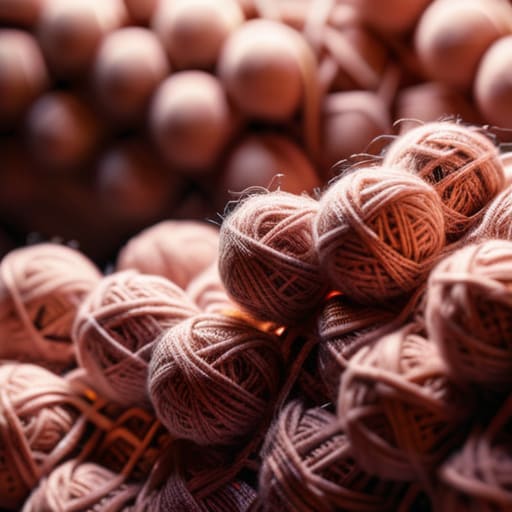
Look, I’m not going to bore you with a lecture on physics, but there is a very real bit of math happening every time your thighs rub together or your bag bumps against your hip. It’s called fabric abrasion resistance, and it’s basically the measure of how much a material can take a beating before it starts falling apart. When a fabric has low resistance, the tiny fibers don’t just stay tucked into the yarn; they migrate to the surface, tangle up, and create those annoying little balls of fuzz. It’s a slow process of textile surface degradation, but if you’re wearing a high-friction blend, that “degradation” happens at warp speed.
If you want to slow down the math, you have to change how you treat the surface. Most people think they can just hack their way out of it with a cheap electric shaver, but you need to be careful with pill remover tools effectiveness; if you press too hard on a weakened seam, you aren’t just removing fuzz, you’re thinning the actual structure of the garment. The real trick is preventing the friction from starting in the first place through better care.
Laundry Techniques to Prevent Pilling Without Ruining Your Clothes
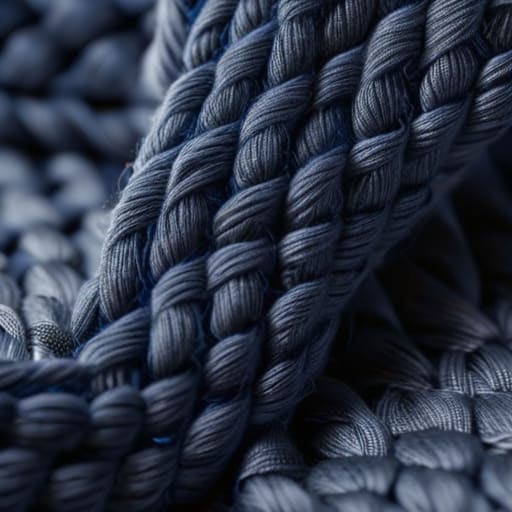
Stop treating your washing machine like a torture chamber for your knits. Most people think they’re being “gentle” by using a delicate cycle, but if you’re tossing a heavy wool jumper in with your denim and rough cotton towels, you’re essentially sanding the fibers down. To improve fabric abrasion resistance during the wash, you need to stop the friction before it starts. Turn everything inside out—seriously, it’s the easiest way to keep the visible side of the garment from taking the brunt of the mechanical action—and use a mesh laundry bag. It’s an extra £2, but it’s cheaper than replacing a sweater that looks like it’s been through a blender.
When it comes to laundry techniques to prevent pilling, temperature and drying are your biggest enemies. Heat is a disaster for fiber integrity; it makes them brittle and prone to snapping. Air dry your knits flat on a towel instead of using the tumble dryer, which is basically a high-speed pilling machine. If you do end up with some fuzz, don’t go hacking at it with a cheap disposable razor. Invest in a decent electric fabric shaver or a metal pill comb; the effectiveness of pill remover tools depends entirely on how much pressure you apply, so treat the fabric like it’s actually worth something.
Pill Remover Tools Effectiveness Real Maintenance or Just More Waste
Let’s talk about the gadgets. Every time I walk into a charity shop, I see these little plastic combs or electric shavers sitting in the “accessories” bin, looking like they’re going to perform a miracle. Here is the truth: pill remover tools effectiveness depends entirely on whether you are treating the symptom or the disease. If you have a high-quality wool jumper that has just suffered some minor textile surface degradation from your seatbelt rubbing against it, an electric shaver is a godsend. It’s a quick, cheap fix that can make a three-year-old knit look brand new again.
However, if you’re using a shaver to try and “save” a cheap, high-polyester blend, you’re just chasing your tail. Because of the way synthetic vs natural fibres pilling works, those tiny plastic threads are structurally weak; you’ll shave off a layer of fuzz only for the friction to trigger a fresh wave of pills two days later. You aren’t maintaining the garment; you’re thinning the fabric until you hit a hole. Use the tools for actual wool or cotton, but don’t expect a razor to fix a fundamental lack of fabric abrasion resistance.
The "Don't Blame the Price Tag" Cheat Sheet
- Check the blend before you tap your card. If a sweater is more than 30% synthetic—think acrylic or polyester—it’s basically a ticking time bomb for pilling because those plastic fibers are strong enough to hold onto the fuzz rather than letting it fall away.
- Stop treating your knits like gym gear. Never, ever throw a delicate wool or cashmere piece in with your heavy denim or towels; the rough texture of the cotton acts like sandpaper on your sweater during the spin cycle.
- Watch your friction points. If you’re constantly wearing a heavy crossbody bag over a fine knit, you are literally sanding the fabric down with the strap; switch to a handheld or a different bag shape to save the shoulder seam.
- Turn everything inside out. It sounds basic, but it puts the “face” of the fabric away from the agitator and other clothes, meaning any minor abrasion happens on the part of the garment that isn’t even visible.
- Learn the “Hand Test.” Before you buy something labeled “luxury,” rub a small patch of the fabric against itself in the shop; if it immediately starts to feel fuzzy or “grabby,” it’s going to look like a disaster by next Tuesday.
The Truth About the 'Fuzz'
Stop blaming your washing machine for every little ball of fuzz on your sweater. Pilling is just the fabric’s way of telling you that the fibers are too short or too weak to stay put, and no amount of ‘delicate cycle’ magic can fix a garment that was engineered to fall apart the moment it touches your skin.
Neve Okonkwo-Barr
The Bottom Line on Fabric Friction
At the end of the day, pilling isn’t some mysterious curse; it’s just the physical reality of fibers rubbing together. Whether you’re dealing with a high-percentage synthetic blend that’s basically plastic or a delicate natural knit, the physics remain the same. You can buy the most expensive sweater in the shop, but if the fiber length is short and the weave is loose, it’s going to look like a felt coaster within a month. Stop blaming your washing machine and start looking at the composition tag before you tap your card. Remember: a cheap sweater that you can actually maintain with a decent shaver is a better deal than an “investment” piece that loses its integrity after three wears.
My goal isn’t to make you afraid of your wardrobe, but to make you smarter about it. Style isn’t about having a pristine, untouched collection of clothes; it’s about having pieces that actually live with you. If a garment pills, don’t bin it—fix it, shave it, and keep wearing it. We need to move away from the idea that a single fuzzball means a garment is “dead.” A well-loved, slightly weathered knit that fits you perfectly is infinitely more stylish than a brand-new one that’s falling apart at the seams. Buy for the fiber, maintain for the longevity, and stop letting marketing departments convince you that perfection is something you have to buy.
Frequently Asked Questions
If I find a sweater that's already pilling like crazy, is it worth paying a tailor to de-pill it, or is the fabric just too compromised to save?
Look, don’t pay a tailor to de-pill. That’s not what they do; they’re there for structural changes, not surface grooming. If it’s already fuzzing like crazy, the fibers are likely short or weak, and a professional won’t charge you much more than a coffee to do what a $10 electric shaver does at home. If the fabric feels thin or “hollow” after you clear the pills, it’s compromised. Bin it or compost it.
You mentioned synthetic blends are the worst offenders, but can I actually "fix" a high-percentage polyester knit, or am I just delaying the inevitable?
Look, I’m going to give it to you straight: you’re mostly just delaying the inevitable. When a knit is heavy on polyester, those tiny plastic fibers are basically glued to the surface; once they tangle into pills, they aren’t going anywhere. You can shave them off with a shaver, but you’re just creating more loose ends to tangle again next week. If it’s a high-poly blend, don’t call it an investment. It’s a temporary fix.
Is there a specific way to tell if a garment is going to pill before I buy it, or am I stuck playing roulette with every new sweater I find?
You aren’t stuck playing roulette, but you do need to stop trusting the “soft touch” test. A sweater that feels like a cloud is often just a minefield of short, loose fibers waiting to tangle. Instead, look at the twist. Grab a bit of the yarn and give it a gentle tug; if it feels airy and loose, run. Look for tight, multi-ply spins and high-twist yarns. If it feels dense and slightly “hard,” it’ll actually survive your life.
