I spent two years in a basement studio pinning hems for a bridal shop, and if there is one thing I learned, it’s that people use accessories to mask a total lack of understanding about proportions. I’ve seen guys drop two hundred pounds on a silk tie only to look like they’re wearing a colorful noose because the collar of their shirt is too wide or the fabric is too flimsy to hold a shape. We need to stop treating neckwear like a magic wand for professionalism; the truth about how ties and formality relate isn’t found in the price tag of the silk, but in how the knot interacts with your shirt’s collar and the weight of your jacket.
I’m not here to sell you on “luxury” textures or tell you that a specific brand will suddenly make you look more authoritative. Instead, I’m going to show you the actual mechanics of a polished look. We are going to talk about collar spreads, fabric density, and why a cheap cotton tie with the right structure often beats an expensive silk one that collapses by noon. I promise you a guide built on seam allowances and scale, not marketing fluff, so you can stop guessing and start dressing for the room you’re actually in.
Understanding How Ties and Formality Relate
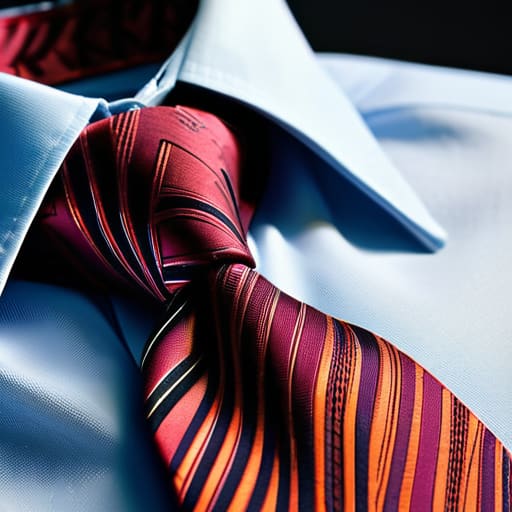
Most people treat a tie like a piece of jewelry—something you just slap on at the end to “finish” the look. That is a mistake. To actually understand how different levels of dress work, you have to stop looking at the pattern and start looking at the architecture. Formality isn’t about how much you paid for the silk; it’s about the relationship between the necktie width and collar size. If you’re wearing a wide, heavy knit tie with a tiny, sharp spread collar, you’re going to look like a child playing dress-up in their dad’s closet. The proportions have to balance, or the whole outfit falls apart.
When we talk about formal vs casual tie styles, the math is pretty simple. A high-shine silk tie is your heavy lifter for business professional dress code accessories, but it demands a certain level of structural integrity in your shirt. If you try to pair a formal silk tie with a soft, unstructured linen shirt, you’re fighting a losing battle against physics. You can’t “style” your way out of a mismatch in fabric weight. Real style is knowing that a tie is just a tool to anchor the lines of your jacket and collar.
Key Things to Know
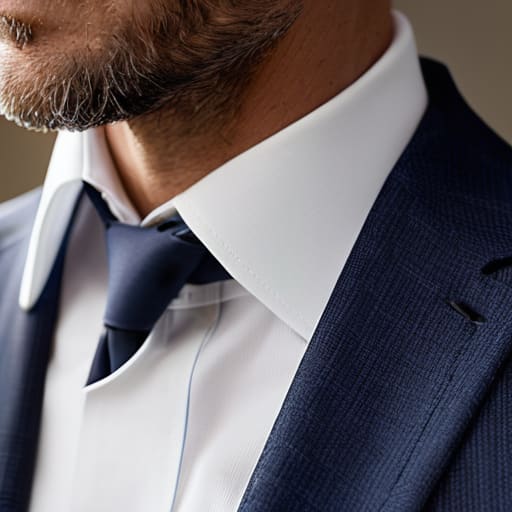
First, let’s talk about the geometry of the thing. You can buy the most expensive Italian silk in the world, but if your necktie width and collar size are fighting each other, you’re going to look like you’re wearing a costume. A wide, heavy tie paired with a tiny, narrow collar is a disaster waiting to happen; it creates a visual imbalance that no amount of “confidence” can mask. If the tie is wider than the lapel of your jacket, you aren’t looking “classic,” you’re looking like you’re heading to a 1990s boardroom meeting.
Second, stop treating every tie like it’s for a wedding. There is a massive difference between formal vs casual tie styles, and knowing where that line sits saves you from looking overdressed or, worse, sloppy. A heavy, textured wool tie is great for a textured blazer on a Tuesday, but it has no business being near a crisp white shirt for a formal event. If you’re navigating strict business professional dress code accessories, stick to smooth weaves and predictable knots. It’s not about being boring; it’s about making sure the clothes look like they belong to the person wearing them, rather than the other way around.
Practical Tips and Steps
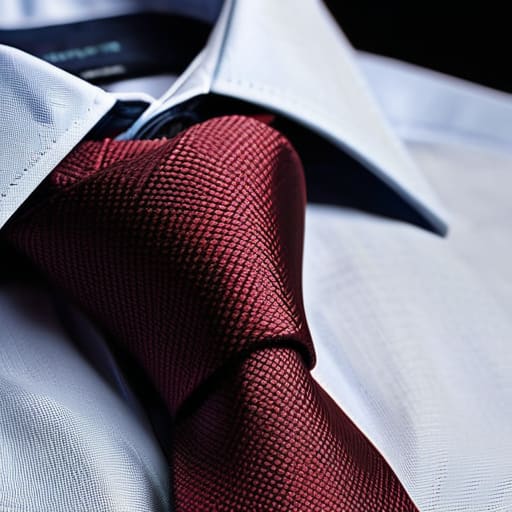
First, stop looking at the pattern on the silk and start looking at the architecture of your shirt. If you’re trying to navigate business professional dress code accessories, the most common mistake is ignoring the relationship between your necktie width and collar size. A skinny tie paired with a wide, spread collar looks like a mistake, not a choice. If your tie is wider than your lapels, you’re going to look like you’re wearing a costume. Match the scale of the tie to the scale of the collar and the width of your jacket lapels; it’s basic geometry, not magic.
Second, learn to read the fabric weight. A heavy, textured wool tie is great for a casual Friday, but if you’re aiming for something closer to black tie attire requirements, you need the drape of a high-quality silk. If the knot looks like a collapsed tent, it’s usually because the fabric is too thick for the knot you’ve chosen or your collar is too tight. Don’t fight the material—work with the drape it gives you.
Common Mistakes to Avoid

The biggest mistake I see? People treating the tie like a separate entity from the rest of the outfit. You can buy a $200 silk tie, but if you’re pairing it with a shirt that has a massive, floppy collar, you’re going to look like you’re wearing a costume. You need to respect the relationship between necktie width and collar size; a skinny tie with a wide spread collar looks accidental and messy, not “edgy.” It’s a geometry problem, not a luxury problem.
Another massive fail is the “one-size-fits-all” approach to events. I see people showing up to a business professional dress code wearing a knitted tie that’s far too casual, or worse, trying to force a loud, patterned silk piece into a black tie attire requirement. If the event is formal, your tie shouldn’t be the loudest thing in the room. Stop trying to use a tie to create importance; if the foundation of the suit is poor, a fancy knot is just putting a designer band-aid on a broken leg.
Final Thoughts
Look, at the end of the day, a tie isn’t a magic wand that turns a cheap suit into a formal one. You can buy the most expensive silk in the world, but if the proportions are fighting each other, you’re just going to look like you’re wearing a costume. Stop obsessing over whether a brand is “prestige” and start looking at how the necktie width and collar size actually interact with your frame. If your collar is wide and your tie is a skinny strip of fabric, you don’t look “modern”—you look unbalanced.
My advice? Stop trying to follow a rigid, unspoken rulebook and start looking at the physics of the outfit. Whether you are navigating black tie attire requirements or just trying to look put-together for a Tuesday meeting, focus on the geometry. Does the knot fill the gap? Does the weight of the fabric match the jacket? If you get the proportions right, you can make a fifty-pound tie look like a hundred. Style isn’t about the label; it’s about the math of the fit.
Five Ways to Stop Treating Your Tie Like an Afterthought
- Check the collar gap before you even touch the tie. If there is a massive space between your neck and your shirt collar, a silk tie won’t save you; it’ll just highlight the fact that your shirt is two sizes too big. A tie is meant to anchor the collar, not hang suspended in mid-air.
- Match the fabric weight to the suit, not the price tag. Wearing a heavy, chunky wool knit tie with a lightweight summer linen suit looks like a costume error. If the suit is breathable and thin, your tie should be too. It’s about visual weight, not looking “expensive.”
- Stop buying “shiny” silk just because the box says it’s formal. High-shine polyester ties look cheap because they catch the light in a way that screams “fast fashion.” For real formality, look for a matte silk or a subtle texture. It’s the difference between looking polished and looking like you’re wearing a costume from a high school play.
- The knot is a geometry problem, not a status symbol. A massive, bulky Windsor knot on a slim-lapel suit is a disaster waiting to happen. If you’re wearing a modern, tapered shirt, stick to a Four-in-Hand. It’s smaller, more organic, and doesn’t make your neck look like it’s being strangled by a giant lump.
- Do the math on the length. A tie that ends halfway down your fly is a waste of money and fabric. It needs to hit right at the center of your belt line. If you find a vintage gem at a charity shop that’s too long, don’t ditch it—take it to a tailor. A twenty-minute hem job is cheaper than buying a new “premium” tie that fits poorly.
The Math of the Knot
Stop thinking a silk tie is a ticket to a higher dress code; if you’re wearing a high-end tie on a shirt with a collar that’s already losing its shape, you don’t look formal, you just look like you’re wearing your dad’s leftovers. Formality isn’t about the price of the silk, it’s about whether the proportions actually respect the architecture of your neck.
Neve Okonkwo-Barr
The Bottom Line
At the end of the day, formality isn’t about owning a silk tie that costs more than your weekly groceries; it’s about understanding the geometry of your outfit. We’ve covered how the fabric weight dictates the vibe, how the knot needs to respect your collar width, and why a poorly tied knot can make even a bespoke suit look like a costume. Remember, a tie is just a tool to manage proportions. If you get the scale right—matching the width of the blade to the lapel and ensuring the length hits that sweet spot at your belt—you’ve already won half the battle. Stop worrying about the brand name on the box and start looking at the integrity of the drape and how the colors interact with your skin tone.
My final piece of advice is this: don’t let the fear of “doing it wrong” stop you from wearing what you actually like. Style isn’t a math equation where one wrong variable ruins the whole result; it’s a series of small, intentional choices. If you find a vintage silk tie at a charity shop for five pounds, don’t let anyone tell you it’s not “formal” enough. If it fits your collar and sits straight on your chest, it belongs there. Build your wardrobe around how things actually sit on your body, not how a marketing department tells you they should look. Confidence is the only thing that truly scales with formality.
Frequently Asked Questions
If I have a decent tie but the shirt collar is too wide or flimsy, does the tie even matter?
It doesn’t matter at all. You can wear a £200 silk Hermès, but if your collar is flabby or the spread is too wide for the knot, you’ll just look like you’re wearing a costume. A tie is a structural element, not a decoration. If the collar can’t support the weight of the knot, the whole silhouette collapses. Fix the collar—either with stays or a better shirt—before you waste money on more silk.
Is it worth paying a tailor to shorten a tie if it’s hitting me at a weird spot on my belt, or should I just buy a new one?
Don’t buy a new one. Most ties are just silk over a cotton core, and shortening one is a quick job for a specialist, but it’s not a “standard” alteration. Expect to pay about £15–£20. If it’s a high-quality silk or wool tie, the maths works: you spend twenty quid to save sixty on a replacement. If it’s a cheap polyester thing from a high-street sale? Let it go. It’s not worth the labor.
Can I actually make a cheap, polyester tie look expensive by playing with the knot and the fabric weight, or is that a losing battle?
Look, if it’s that shiny, thin polyester that feels like a plastic bag, you’re fighting a losing battle. High-shine synthetic fibers scream “budget” regardless of the knot. However, if it has a decent weight and a matte finish, you can cheat. Avoid massive, bulky knots; they look ridiculous on flimsy fabric. Go for a slim Four-in-Hand. It’s less about the knot and more about whether the fabric actually holds a shape.
