Stop letting brands convince you that a £200 “minimalist” nylon bag is a lifestyle choice. Most of that money isn’t going into reinforced stitching or ergonomic support; it’s going into a marketing budget designed to make you feel like you’re buying a personality. I’ve spent years looking at how garments and accessories actually hold up under the weight of a real life, and frankly, most “designer” commuters bags are a disaster waiting to happen. If you’re trying to figure out how to choose a backpack for daily use, you shouldn’t be looking at the aesthetic on a mood board, you should be looking at the tensile strength of the shoulder straps and whether the base is going to collapse the moment you set it on a damp cafe floor.
I’m not here to sell you on a trend or tell you that a specific logo will make your commute more meaningful. I’m going to show you the actual maths of a good bag: the weight distribution, the fabric durability, and the specific hardware that won’t snap after three months of heavy lifting. We are going to look at what actually survives a year of being shoved under bus seats and dragged through rain, so you can stop wasting money on pretty things that don’t work.
Stop Buying for Aesthetics How to Choose a Backpack for Daily Use
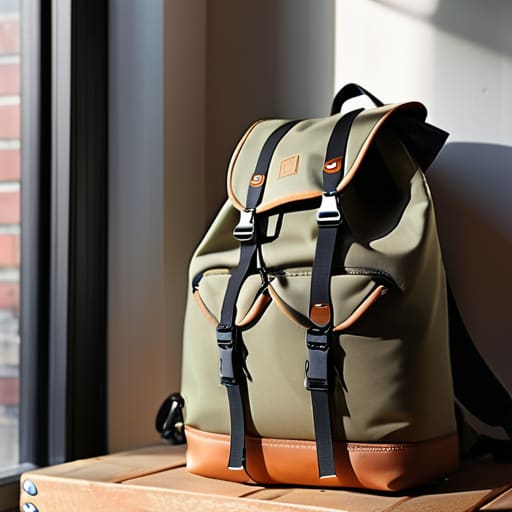
We’ve all been there: you see a sleek, minimalist backpack on a mood board and think, this is the one. It looks incredible with a trench coat, but the second you put a laptop and a charger in it, the whole thing sags like a wet paper bag. Marketing teams are experts at selling you a “look” that ignores the reality of your spine. If the straps are thin, unpadded, or sit too high on your shoulders, you aren’t wearing an accessory; you’re wearing a torture device.
Stop looking at the silhouette and start looking at the construction. I don’t care how “aesthetic” the nylon is if it lacks proper weight distribution for back health. You need to check the load-bearing points—specifically where the straps meet the body of the bag. If there isn’t enough structure to keep the weight close to your center of gravity, you’ll be slouching by your second coffee break. Also, look for dedicated laptop compartment protection that actually uses padding, not just a thin layer of polyester that pretends to be a cushion. A bag that looks good in a studio window is useless if it fails the Monday morning commute.
The Math of Commuter Backpack Durability and Fabric Longevity
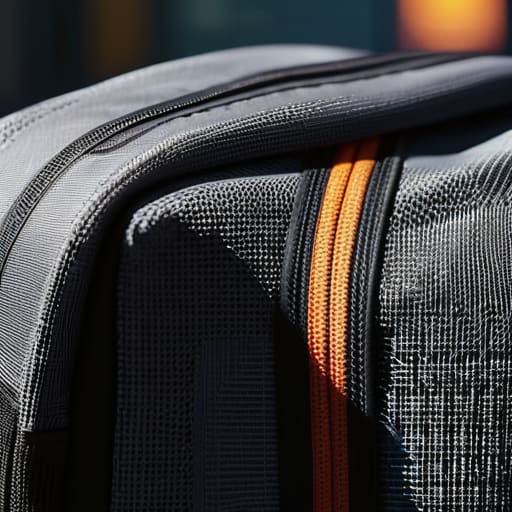
Let’s talk numbers, because “long-lasting” is a marketing term, not a measurement. If you’re buying a bag made of thin, high-shine polyester, you aren’t saving money; you’re just pre-paying for a replacement in six months. I look at the denier count—that’s the thickness of the fibers—and the weave. A high-denier nylon or a heavy canvas might feel stiff at first, but that is the cost of commuter backpack durability. You want a fabric that doesn’t pill or thin out where the straps meet the body, because that’s where the structural stress lives.
Then there is the cost of the hardware. If the zippers are plastic and feel flimsy, they will teeth-skip by mid-winter. I always check if the zippers are YKK or a similar heavy-duty gauge. If you’re carrying a MacBook, you also need to factor in the cost of a dedicated laptop compartment protection layer. A bag without a suspended sleeve means your tech hits the floor every time you set your bag down. If the bag costs £40 but destroys your £1,000 laptop, the math says you bought a very expensive mistake.
Why Your Back Hurts the Truth About Weight Distribution for Back Health
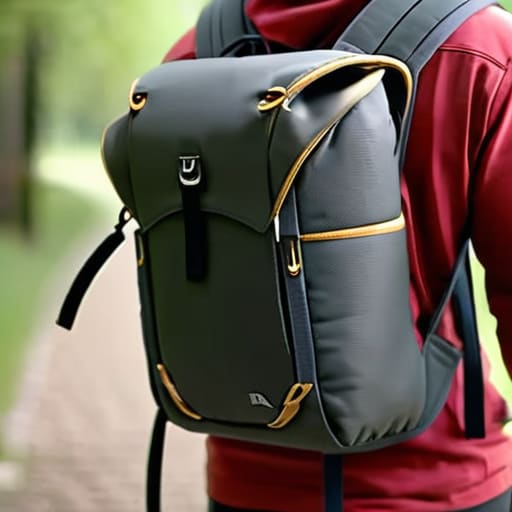
Look, I’ve spent enough hours pinning trousers on people who are wincing because their waistband is too tight to understand why we ignore the same logic with bags. Most people treat a backpack like a sack they just throw on, but if you aren’t looking at weight distribution for back health, you’re essentially paying a slow tax on your spine. If the weight is pulling your shoulders backward or sagging into your lumbar, you aren’t “wearing” a bag; you’re being dragged by it.
You need to stop looking at the pretty patterns and start looking at the harness. I’m talking about padded, adjustable straps that actually sit on your clavicle, not sliding off your arms. A decent bag should have a structured back panel—not just thin mesh that lets the heavy corners of your tech dig into your skin. If you’re carrying a heavy laptop, you need dedicated laptop compartment protection that keeps the device snug against your back. The closer the heavy stuff is to your center of gravity, the less your muscles have to fight to keep you upright by 5 PM.
Beyond the Hype Essential Ergonomic Backpack Features That Actually Work
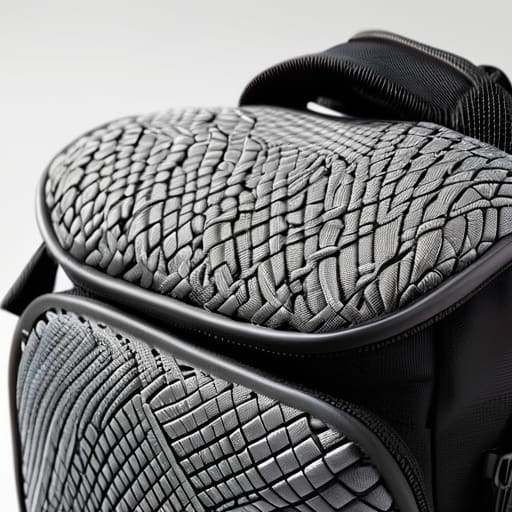
Look, you can spend three hundred pounds on a bag that looks “architectural,” but if the straps are thin nylon cords, you’re basically punishing your trapezius muscles for the sake of a silhouette. When I’m looking at ergonomic backpack features, I don’t care about how many buckles look cool; I care about the foam density in the shoulder straps and whether they actually contour to your body. If the padding is too thin, it’ll compress within a month, and suddenly that “sleek” design is just a torture device digging into your collarbone.
I also want to talk about what’s happening inside the bag. A lot of brands claim to have “premium” laptop compartment protection, but often it’s just a flimsy piece of felt. You want a dedicated, suspended sleeve—one that doesn’t let your computer hit the floor when you set the bag down. It’s about the physics of the carry. If the heavy stuff isn’t stabilized against your spine, you’re fighting gravity all day. Don’t let a pretty marketing campaign talk you out of looking for actual structural integrity.
Protecting Your Tech Real Laptop Compartment Protection and Water Resistant
Marketing teams love to slap a “water-resistant” label on a bag, but let’s be clear: there is a massive difference between a fabric that sheds a few droplets and one that actually protects your gear during a sudden downpour. If you’re paying £150 for a bag, I expect more than just a light coating of DWR. You want to look for high-denier nylon or a heavy-duty polyester with a polyurethane coating. If the fabric feels thin and papery, it’s going to fail you by November. Real water resistant materials should feel substantial, not like a disposable grocery bag.
Then there is the laptop situation. Most brands treat the laptop sleeve like an afterthought—a thin piece of felt tucked into a pocket. That is not laptop compartment protection; that is a prayer. If you drop your bag, that thin layer won’t stop your screen from cracking. I look for a “suspended” compartment, meaning the sleeve ends an inch or two above the bottom of the bag. If the laptop sits directly on the floor of the pack, you’re one curb-trip away from a very expensive repair bill.
The "No-BS" Checklist Before You Tap Pay
- Check the strap attachment points. If the straps are just sewn directly into the top seam with a single row of stitching, run. You want reinforced bar-tack stitching or heavy-duty webbing loops; otherwise, the moment you pack a heavy laptop, those straps are going to pull right out of the fabric.
- Test the seam allowance. Open the main compartment and look at the inside. If the seams are raw or barely finished, that bag is going to fray and fall apart within six months of daily use. You want bound seams or at least a clean overlock stitch that can handle the friction of your things shifting around.
- Ignore the “water-resistant” marketing and look at the zippers. A bag can have coated nylon, but if it has cheap, flimsy plastic zippers that snag every time you reach for your keys, the whole thing is useless. Look for YKK zippers or something with a chunky, reliable teeth structure.
- Evaluate the “empty weight” math. If a bag weighs two kilos before you’ve even put a charger in it, you’re paying for unnecessary structure that’s going to kill your shoulders by lunchtime. A good daily bag should be lightweight enough to be functional, not a structural burden.
- Feel the base material. If the bottom of the bag is the same thin polyester as the front, it’s going to scrape and tear the second you set it on a train floor or a cafe rug. Look for a reinforced base—something like a high-denier Cordura or a thicker synthetic—that can actually take a beating.
The Real Cost of a Bad Carry
Stop looking at the logo and start looking at the seam allowance and the strap padding. You can spend three hundred pounds on a ‘designer’ bag that looks incredible in a mirror, but if the weight distribution is garbage and the fabric is too thin to hold its shape by month three, you haven’t bought an accessory—you’ve just bought a very expensive way to ruin your posture and your budget.
Neve Okonkwo-Barr
The Bottom Line
At the end of the day, a backpack isn’t a fashion statement or a status symbol; it’s a piece of equipment that lives on your spine for eight hours a day. If you’ve ignored the seam strength, the weight distribution, and whether that “water-resistant” coating is actually just a marketing lie, you’re going to end up with a broken bag and a sore back by next Tuesday. Stop looking at the logo and start looking at the hardware and the stitch density. If the straps aren’t reinforced and the laptop sleeve doesn’t have actual structural integrity, it doesn’t matter how much it costs—it’s a bad investment.
My advice? Stop trying to buy the “perfect” look and start buying for your actual life. A backpack should be the most boring, reliable part of your outfit, the thing that just works so you can focus on getting through your day. You don’t need a designer piece to look put together; you just need gear that doesn’t fall apart when you’re rushing for the train. Build a wardrobe—and a kit—that is functional by design, not by accident. If it survives the commute and keeps your shoulders happy, you’ve already won.
Frequently Asked Questions
I found a vintage leather bag that looks incredible, but is it actually worth the cost to have the straps reinforced so it doesn't snap in six months?
Here’s the math: if the leather is high-quality but the stitching or the strap attachment is failing, you aren’t just buying a bag; you’re buying a project. Reinforcing straps usually costs between £25 and £40 depending on if they need a heavy-duty machine. If that vintage find was a steal, pay the fee. It’s cheaper than replacing a snapped strap that ruins your laptop, and it turns a “maybe” into a wardrobe staple.
If I buy a high-end technical backpack, can a tailor actually adjust the harness to fit my torso, or am I stuck with whatever the manufacturer decided?
Short answer: No. Most high-end technical packs use bonded seams, heat-pressed laminates, or complex foam structures that a local tailor can’t touch without ruining the integrity. If you try to deconstruct a technical harness, you’ll likely end up with a pile of expensive, unfixable scrap. With technical gear, you aren’t buying a garment; you’re buying an engineered piece of equipment. If the torso length is wrong, don’t buy it. You can’t math your way out of bad engineering.
Is it better to spend more on a heavy-duty Cordura fabric that lasts five years, or should I just buy a cheaper nylon one every year when the seams start to fray?
Do the math. If a cheap nylon bag costs £30 and shreds every twelve months, you’re spending £150 over five years—plus the mental tax of replacing it constantly. A high-denier Cordura bag might run you £120, but it’ll actually survive a rainy Tuesday without the seams weeping. Buy the Cordura. It’s not an “investment” because of the brand name; it’s an investment because the cost-per-wear drops significantly once you stop replacing trash.
