Stop letting brands convince you that a “professional” work bag requires a four-figure price tag or a logo that screams from across the subway car. I spent two years in a basement studio watching people pay hundreds for “designer” totes, only to have the shoulder straps fray and the lining tear before their first performance review. Most of that marketing fluff is just a distraction from poor construction; if you’re looking at how to choose a work bag, you shouldn’t be looking at the brand name, you should be looking at the stitching density and the weight of the hardware. A bag that loses its shape by a rainy Tuesday isn’t an “investment”—it’s just expensive trash.
I’m not here to sell you on a lifestyle or a specific aesthetic; I’m here to talk about utility and longevity. I’ll show you how to spot reinforced seams that actually hold a laptop, why certain synthetic blends are better for commuting than “luxury” untreated leather, and exactly where you should look for quality before you tap your card. We’re going to find you something that survives a real Wednesday, without wasting your money on a label.
Understanding How to Choose a Work Bag
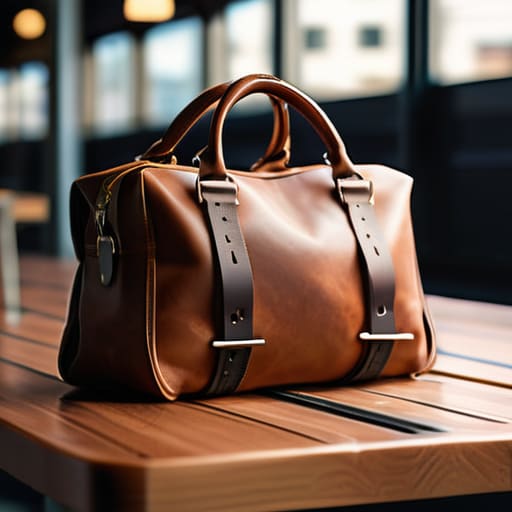
Before you even look at the color or the logo, you need to look at the construction. Most people get caught up in the “aesthetic” of a bag, but I want you to look at the weight distribution. If you’re weighing up a tote bag vs backpack for work, remember that a tote is lovely until you’ve been standing on a train for twenty minutes with ten pounds of tech pulling on one shoulder. If you go the tote route, look for wide, flat straps—not those thin little spaghetti strings that dig into your trapezius by lunch.
Next, check the internals. I’ve seen too many “luxury” bags that are basically just empty voids. If you don’t have dedicated organizational pockets for professionals, you’ll spend half your morning digging for a charger at the bottom of a dark fabric pit. Look for a bag with a dedicated, padded laptop compartment that actually sits close to your back; that’s where the center of gravity should be. Most importantly, test the hardware. If the zipper feels scratchy or the metal looks thin, it’s going to snag or snap by the end of the quarter.
Key Things to Know

First, let’s talk about the structural integrity of what you’re carrying. I’ve spent too many hours deconstructing bags that looked “chic” on a mannequin but fell apart after three months of heavy use. If you’re debating a tote bag vs backpack for work, look past the leather finish and check the base. A tote with no structure will sag and pull at the seams the moment you drop a charger and a notebook inside. If you go the backpack route—which I usually recommend for anyone walking more than ten minutes to a station—you need to check for ergonomic shoulder straps. If they are thin, unpadded ribbons, they’ll dig into your trapezius by lunchtime, and no amount of “style” makes a literal pain in the neck worth it.
Next, look at the guts. A bag is only as good as its internal architecture. I look for durable materials for office bags, like high-denier nylon or tightly woven canvas, because they actually hold their shape. Most importantly, ensure there is dedicated laptop compartment protection; you want a padded sleeve that doesn’t just exist, but actually keeps the device from hitting the bottom of the bag every time you set it down.
Practical Tips and Steps
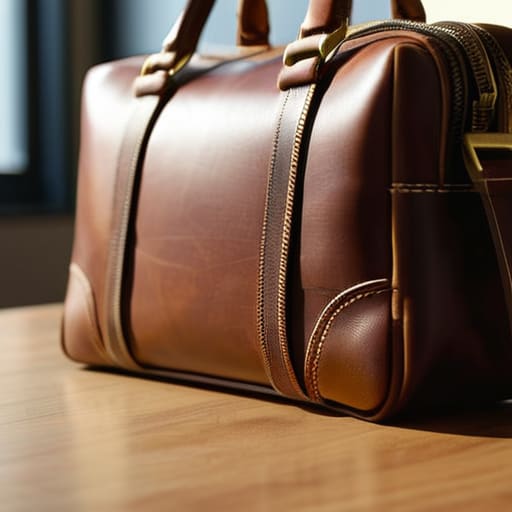
First, stop looking at the silhouette and start looking at the hardware. A bag can look incredibly chic in a studio photoshoot, but if the zippers are lightweight plastic and the strap attachment points aren’t reinforced with double-stitching, that bag is going to fail you by mid-November. When deciding between a tote bag vs backpack for work, look at the base. If you’re carrying a laptop and a heavy water bottle, you need a structured bottom so the bag doesn’t slump into a sad, shapeless heap on your desk.
Next, let’s talk about your spine. If you opt for professional commuter backpacks, do not settle for thin, flimsy padding. You want ergonomic shoulder straps that actually distribute weight; anything less is just a recipe for a tension headache by 3 PM. Check the internal layout too—I’m obsessed with dedicated laptop compartment protection. You shouldn’t have to wedge your computer between a sandwich and a notebook. If the bag lacks internal structure to keep your tech from bouncing around, it’s not a tool, it’s just a heavy sack.
Common Mistakes to Avoid

The biggest mistake I see is people choosing a bag based on a single “aesthetic” photo on Pinterest without looking at the construction. I’ve seen so many people fall for a beautiful leather tote, only to realize two months later that the shoulder straps are too thin to handle the weight of a laptop and a charger. If you’re choosing between a tote bag vs backpack for work, remember that a tote is a fashion choice, but a backpack is a structural one. If you’re carrying more than a notebook and a lipstick, you need something that won’t ruin your posture by lunchtime.
Stop ignoring the internal architecture, too. People often buy a bag that looks “professional” but has zero organizational pockets for professionals, meaning you end up fishing for your keys at the bottom of a dark fabric abyss like you’re looking for buried treasure. Also, please, stop buying bags with flimsy, unpadded laptop sleeves. If the bag doesn’t have dedicated laptop compartment protection, you aren’t saving money; you’re just one accidental drop away from a very expensive repair bill.
Final Thoughts
Look, at the end of the day, your bag isn’t a status symbol; it’s a piece of equipment. If you’re spending forty minutes every morning digging through a bottomless pit for your keys or a charger, the bag has failed you, regardless of how much it cost. I’ve seen people spend a month’s rent on a designer leather tote that has zero organizational pockets for professionals, only to watch the straps fray and the lining tear within six months. Don’t fall for that. Whether you decide on a tote bag vs backpack for work depends entirely on your spine and your transit route, but the priority should always be how the weight is distributed.
If you’re walking more than ten minutes to the office, please, invest in ergonomic shoulder straps. I don’t care how “minimalist” the aesthetic is—if it digs into your trapezius, it’s a bad purchase. Check the seams, feel the weight of the durable materials for office bags, and make sure the laptop compartment actually protects your tech. If it survives a year of rainy Tuesdays and crowded trains without looking like a rag, you’ve won.
Five Non-Negotiables Before You Tap 'Pay'
- Check the strap attachment points. If the strap is just sewn into a thin seam of fabric rather than being anchored to a reinforced patch or a metal D-ring, it will rip within three months of carrying a laptop. I’ve seen too many “aesthetic” bags fail because the construction couldn’t handle the weight of a charger and a notebook.
- Test the bottom of the bag. A flimsy, single-layer base means your bag will sag and lose its shape the second you put your keys in it. Look for a structured base or double-layered fabric; if it can’t stand up on its own on a table, it’s going to look like a slumped mess by lunchtime.
- Ignore the “Genuine Leather” label and look at the grain. If it feels like plastic and smells like a chemical factory, it’s likely a heavily corrected split leather that will peel and crack by next season. Real, durable leather should have some character and a bit of weight to it—it’s an upfront cost, but it’s the only way to avoid buying the same bag every year.
- Evaluate the zipper quality, not the color. A gold-toned zipper looks great in the studio lighting, but if it’s lightweight and lacks a chunky metal pull, it’s going to snag or split. You want a heavy-duty metal zipper that glides; a stuck zipper turns a quick grab for a pen into a frantic, embarrassing struggle.
- Do the “Wednesday Math” on the pockets. If a bag has one giant cavernous void, you’ll spend ten minutes digging for your ID every single morning. Look for at least one dedicated internal zipped pocket for valuables and one easy-access external pocket for things like transit cards. If you have to empty the whole bag to find your keys, the design has failed you.
The Math of a Good Bag
Stop looking at the logo and start looking at the base; if the bottom of the bag is made of flimsy, unreinforced fabric, it’s going to sag and lose its shape by the second month, making even the most expensive leather look like a sad, crumpled mess.
Neve Okonkwo-Barr
The Bottom Line
At the end of the day, stop looking at the logo and start looking at the hardware. A bag isn’t a success because it looks good in a flat-lay photo on Instagram; it’s a success if the strap doesn’t dig into your shoulder by 2 PM and the zipper doesn’t catch every time you reach for your keys. Check the stitch density near the handles and ensure the base is sturdy enough to actually hold your laptop without sagging like a wet paper bag. If you can’t see reinforced seams or heavy-duty nylon, you aren’t buying a tool for your life—you’re just buying a temporary aesthetic that’s going to cost you more in replacements by next season.
My goal isn’t to get you to spend more, but to get you to spend smarter. Style isn’t about having a different bag for every possible scenario; it’s about having one reliable, well-constructed piece that survives the reality of a rainy commute and a frantic Wednesday morning. When you prioritize fabric weight and construction over marketing hype, you stop being a victim of the trend cycle and start building a wardrobe that actually serves you. Buy for the life you actually live, not the one you see in a curated ad, and your wallet—and your shoulders—will thank you.
Frequently Asked Questions
If I find a designer bag at a charity shop that looks great but has fraying lining, is it worth paying a tailor to reinforce it?
Check the exterior first. If the leather or canvas is structurally sound, a lining replacement is a no-brainer. I’ve seen bags worth hundreds saved for about £30–£40 by a decent tailor swapping in a heavy-duty cotton poplin. But if the fraying is coming from the seams of the bag itself, walk away. You’ll spend more on repairs than the bag is actually worth, and you can’t fix bad construction.
How can I tell if a bag's straps are actually built to handle the weight of a laptop, or if they're just going to snap by mid-November?
Pull the strap away from the bag and tug. If you hear a faint crunching or see the stitching stretching like a rubber band, walk away. You want to see heavy-duty nylon webbing or thick, reinforced leather, not that thin, flimsy stuff that looks pretty under studio lights. Most importantly, check the attachment point. If it’s just a single thread holding the strap to the bag, it’s a ticking time bomb. Look for metal D-rings or boxed stitching.
Is it actually cheaper in the long run to buy one heavy-duty nylon bag instead of a "luxury" leather one that loses its shape after three months?
Mathematically? Yes. A “luxury” leather bag that loses its structure in ninety days is just an expensive way to carry your laptop. If the leather is thin and the stitching is decorative rather than structural, it’s a disposable item masquerading as an investment. Give me heavy-duty, reinforced nylon with thick straps any day. It survives the commute, the rain, and the weight of your life without needing a professional reshape every season.
