Stop falling for the “luxury leather” trap. I’ve spent enough time hunched over a sewing machine in a damp basement to know that a high price tag doesn’t mean a single thing if the leather is so stiff you can’t even grip your bus pass. Most people approach the question of how to choose gloves by looking at the brand or the sheen, but they completely ignore the mechanical reality of their own hands. I once spent an entire afternoon pinning a client’s custom silk-lined gloves because she’d bought a “designer” pair that had zero mobility in the thumb—she was essentially wearing expensive, beautiful handcuffs.
I’m not here to sell you on a lifestyle or a trend; I’m here to talk about seam allowance, tactile feedback, and fabric weight. In this guide, I’m going to show you how to spot a lining that actually breathes and how to tell if a glove is built to last or just built to look good on a mannequin. We’re going to look at the actual maths of fit and durability, so you can stop wasting money on accessories that end up in a landfill by February.
Stop Buying for Aesthetics How to Choose Gloves That Last
Stop Buying for Aesthetics: How to Choose Gloves That Last
The biggest lie in the accessory aisle is that a glove is just a finishing touch for your coat. If you’re picking a pair based solely on whether the color matches your scarf, you’re doing it wrong. I see people every week buying these beautiful, thin leather gloves that look incredible in a mirror but offer zero warmth because the material selection for gloves was based on a mood board rather than a thermometer. If there is no lining, you aren’t buying a winter accessory; you’re buying a very expensive way to get frostbite.
You have to look past the silhouette and check the construction. For anything beyond a quick walk to the car, you need to consider winter glove insulation—look for wool or fleece linings that actually hold their shape. If you’re looking at something for more rugged use, check the stitching at the thumb crotch; if it’s flimsy, that’s where it’ll rip by November. And please, don’t sacrifice tactile sensitivity in gloves just for a chunky knit look. If you can’t feel your phone or your keys, you’ll end up taking them off anyway, which defeats the entire purpose of wearing them.
The Math of Warmth Winter Glove Insulation vs Real Value
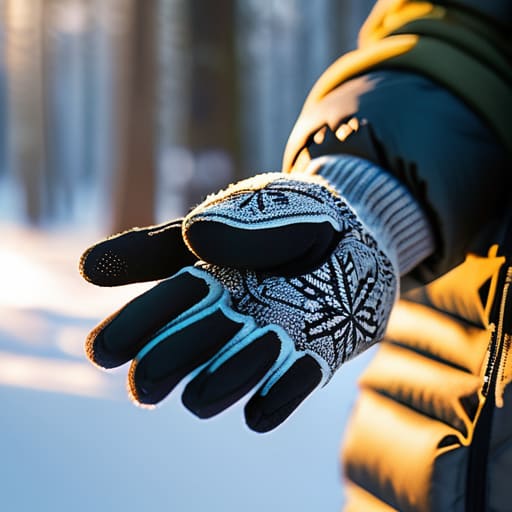
Marketing departments love to slap a “thermal” label on anything with a bit of polyester fluff inside, but if you want to see the maths, you have to look at the density. Real value isn’t found in a bulky, oversized mitten that makes you look like a cartoon character; it’s found in the ratio of weight to warmth. When you’re looking at winter glove insulation, don’t just trust the box. If it’s cheap synthetic fill, it’ll compress after three weeks of actual use, leaving you with cold fingers and a useless piece of fabric. I’d much rather you pay an extra ten pounds for a slim profile of merino wool or high-quality down that actually holds its loft.
You also need to account for the cost of losing your dexterity. If you buy heavy-duty gloves that kill your tactile sensitivity in gloves, you’ll end up taking them off to use your phone or grab your keys, which defeats the entire purpose of wearing them. That’s when you get frostnip. A glove that costs £40 but lets you actually function is a better investment than a £10 pair that forces you to work with numb, clumsy hands.
Material Selection for Gloves Why Cheap Synthetics Fail You

If you’re looking at a pair of gloves and they feel suspiciously light, almost like they’re made of air, run. Most high-street “winter” gloves are just thin polyester shells stuffed with cheap recycled fluff that loses its loft the second it gets damp. This is where most people fail their material selection for gloves; they buy for the color, but they end up with a product that offers zero thermal retention. Once that synthetic insulation clumps up from humidity or sweat, you aren’t just cold—you’re wearing useless fabric.
I’ve spent enough time at a sewing machine to know that a cheap synthetic weave can’t hold a seam under tension. If you’re looking for something that actually survives a Tuesday in January, you need to prioritize tactile sensitivity in gloves alongside actual substance. Natural fibers like wool or treated leather don’t just look better; they breathe and move with your hands. If the material feels stiff or plasticky in the shop, it’s going to be a nightmare to wear once your fingers actually need to move. Don’t pay for a silhouette that turns your hands into frozen blocks.
The Tactile Sensitivity Trap Finding Balance in Hand Protection Types
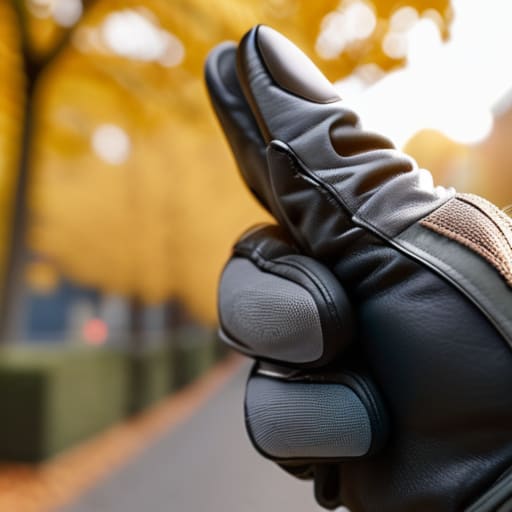
Here is the problem with most marketing: they promise you “unrivaled warmth” while handing you a mitten so thick you might as well be wearing oven mitts. You’ll end up taking them off five minutes into your commute just so you can actually use your phone or find your keys, which defeats the entire purpose of wearing them. When looking at different hand protection types, you have to stop thinking about how soft the lining feels in the shop and start thinking about your actual dexterity.
If you’re choosing leather, look for goatskin; it’s thinner and more supple, which helps maintain tactile sensitivity in gloves without sacrificing much against the wind. If you go for heavy-duty wool or tech-fabrics, check the fingertip construction. If the seams are bulky or poorly placed, you’re going to lose that fine motor control. I always tell my clients that if you can’t feel the difference between a coin and a button through the fabric, you haven’t bought a glove—you’ve bought a very expensive, very clumsy mitten.
A Real Fitting Guide for Gloves Avoiding the Bulk Problem
Most people walk into a shop, grab the thickest, fluffiest mitten they can find, and assume they’ve won. They haven’t. They’ve just bought a way to lose all dexterity. If you can’t actually close your hand or grip your keys without performing a frantic dance of fumbling, you aren’t wearing gloves; you’re wearing oven mitts. A proper fitting guide for gloves starts with the palm. If there is excess fabric pooling in your palm when you make a fist, that’s dead space. That space doesn’t just feel clumsy; it lets cold air circulate, effectively neutralizing whatever winter glove insulation you paid extra for.
You want a silhouette that follows the hand, not one that tries to hide it. Look for a snug fit through the knuckles and ensure the seam doesn’t dig into your wrist. If you’re looking at different hand protection types, pay attention to the tension in the fingertips. You should have enough room to wiggle, but not enough to feel like you’re wearing a sleeping bag for your hands. If it feels bulky in the dressing room, it will feel unmanageable by the time you’re trying to navigate a subway turnstile or a coffee lid.
The Quick-and-Dirty Checklist for Not Wasting Your Money
- Check the seam reinforcement before you head to the till. If the stitching at the thumb junction looks thin or uneven, that’s the first place it’s going to blow out when you’re actually trying to use your hands. A reinforced seam might cost you an extra tenner upfront, but it’s cheaper than a new pair by December.
- Do the “fist test” in the shop. Don’t just look at them; make a fist. If the fabric pulls tight across your knuckles or feels like it’s fighting your movement, the pattern is wrong for your hand shape. No amount of “stretchy” marketing can fix a glove that’s fundamentally too small in the palm.
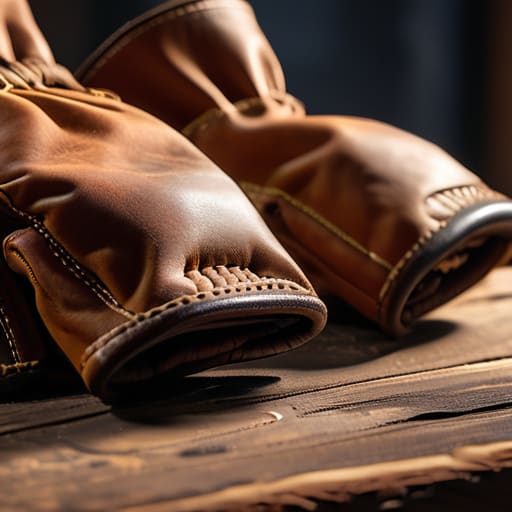
- Look for leather that actually has some weight to it. If it feels like tissue paper, it’s going to crack the moment it gets damp from snow or rain. You want something with enough substance to hold its shape, even if it feels a bit stiff for the first week of wearing it.
- Avoid “fashion” gloves with zero lining if you live anywhere with a real winter. A thin, unlined leather glove is just a very expensive way to make your hands look pretty while they turn blue. If there’s no insulation, you’re better off buying a cheap pair of thermal liners to wear underneath.
- Inspect the closure mechanism. Zips are convenient until they snag or break, and buttons can be a nightmare if you’re already wearing thick layers. If you’re choosing between the two, go for a sturdy, oversized zipper or a simple slip-on with a wide enough opening to accommodate your hand without a struggle.
The Real Cost of a "Cute" Glove
Stop looking at the color swatch and start looking at the seam allowance; if a glove is so tight that the stitching is straining before you’ve even pulled it on, you aren’t buying an accessory, you’re buying a ticking clock of popped threads and cold fingers.
Neve Okonkwo-Barr
The Final Check Before You Pay
At the end of the day, choosing gloves isn’t about matching your coat or chasing a seasonal trend; it’s about the intersection of seam strength, material integrity, and actual mobility. If you’ve checked the leather for grain, verified that the lining isn’t a thin layer of polyester that will pill by January, and ensured you can actually close your fist without the stitching straining, you’re ahead of 90% of shoppers. Don’t let a brand name convince you that a stiff, poorly shaped glove is “high fashion.” If the fit feels like a struggle and the warmth relies on bulk rather than smart construction, put them back on the rack. You aren’t just buying an accessory; you are buying a tool to keep your extremities functional in the cold.
Stop treating your wardrobe like a collection of disposable props and start treating it like a set of gear that needs to perform. When you prioritize fabric weight and structural reality over a pretty silhouette, you stop the cycle of buying “cheap” gloves every single year that actually end up costing you more in the long run. A single pair of well-made, properly fitted gloves—even if they cost a bit more upfront—is a mathematical win. Wear them, care for them, and stop letting marketing departments tell you that style is something you buy, rather than something you actually live in.
Frequently Asked Questions
I found a pair of vintage leather gloves at a charity shop, but the lining is thinning; is it worth paying a tailor to replace the lining, or am I just throwing good money after bad?
First, check the leather. If it’s supple and not cracking like old parchment, it’s a winner. Replacing a lining is a straightforward job, but it’s not cheap—expect to pay anywhere from £25 to £40 depending on the complexity. If the gloves cost you £5 at the charity shop, you’re doubling the price. But if the leather is high-quality grain, that’s a bargain. Do the maths: is the leather worth the repair?
How can I tell if a high-end wool glove is actually high-quality or if it’s just a thin knit with a fancy brand name slapped on the sleeve?
Don’t look at the logo; look at the stitch density. Grab the glove and give it a gentle, firm tug. If the knit opens up and you see light or gaps between the fibers, it’s a glorified sock with a markup. High-quality wool should feel substantial and “springy”—it should snap back to shape immediately. Also, check the tension at the wrist; if it’s flimsy, the whole glove will slide off your hand by noon.
If my gloves are slightly too long in the fingers, can a professional actually shorten them without ruining the seam, and how much is that going to set me back?
Yes, a tailor can shorten them, but it depends on the construction. If they’re simple leather or knit, it’s a quick fix. If they have intricate decorative stitching or a complex lining, you’re looking at more labor. Expect to pay anywhere from £15 to £30. Don’t let them tell you it’s impossible; they just don’t want the headache. It’s much cheaper than buying a new pair that actually fits.
