Stop letting a logo convince you that a pair of sunglasses is a personality trait. I spent three years pinning hems in a bridal studio, and if there is one thing I learned, it’s that structure matters more than branding. I’ve seen people drop three hundred pounds on designer frames that slide down their nose the second they sweat, or worse, frames that sit so heavy on the bridge they leave red divots by lunchtime. Learning how to choose sunglasses shouldn’t be about matching your outfit to a seasonal trend; it’s actually a geometry problem involving your temple width, your bridge height, and the weight of the acetate.
I’m not here to sell you on the “must-have” collections of the month or tell you that luxury equals longevity. Instead, I’m going to show you how to look at the hinges, how to spot a lens that actually protects rather than just tints, and why a twenty-pound adjustment at an optician is often better than a thousand-pound splurge. We are going to focus on the math of the fit so you can stop buying expensive plastic that ends up at the bottom of a drawer.
Understanding How to Choose Sunglasses
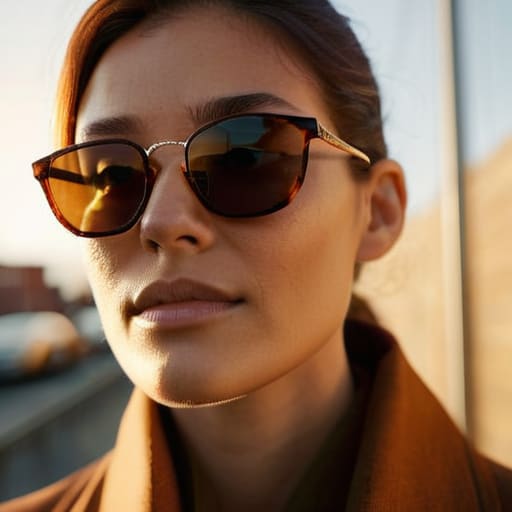
Forget everything you’ve seen in those glossy magazine spreads where models look like they’re wearing nothing but light and air. Real sunglasses have weight, they have physics, and they have to actually stay on your face when you lean over to pick up your keys. Most people start by looking at the “vibe,” but I want you to start with your bone structure. You aren’t looking for a “look”; you are looking for geometry that balances your face shape for sunglasses. If you have a sharp, angular jaw, those tiny, rectangular frames are going to make you look like you’re perpetually squinting in a wind tunnel. You need some curves to soften the edges.
Once you’ve found a shape that doesn’t fight your face, we need to talk about what’s actually happening in front of your eyes. This is where the marketing gets loud and the science gets quiet. Don’t just buy a pair because the acetate looks expensive; check the uv protection standards printed on the inside of the arm. If they aren’t blocking the rays, you’re just wearing expensive, dark-tinted window film that actually makes your pupils dilate, letting more damage in. It’s a common trap, and it’s a mistake you’ll pay for in eye strain later.
Key Things to Know
First, let’s talk about what’s actually happening behind the lens. You can have the most aesthetic frames in the world, but if they aren’t protecting your eyes, they are just overpriced plastic. When you’re looking at specs, stop obsessing over the brand and start looking for UV protection standards. If a pair doesn’t explicitly state they block 100% of UVA and UVB rays, leave them on the rack. Also, don’t get caught in the middle of the polarized vs non-polarized lenses debate without knowing your lifestyle; polarization is a godsend for cutting glare while driving or near water, but it can actually make it harder to read certain digital screens.
Then there is the physical reality of the frame. I see people buy these massive, heavy acetate frames because they look “editorial,” only to end up with a headache by lunchtime. You need to consider frame material durability and weight relative to your bridge. If the material is cheap and brittle, it’ll warp the first time you sit them on top of your head. A good pair should feel like an extension of your face, not a heavy weight you’re constantly pushing back up your nose.
Practical Tips and Steps
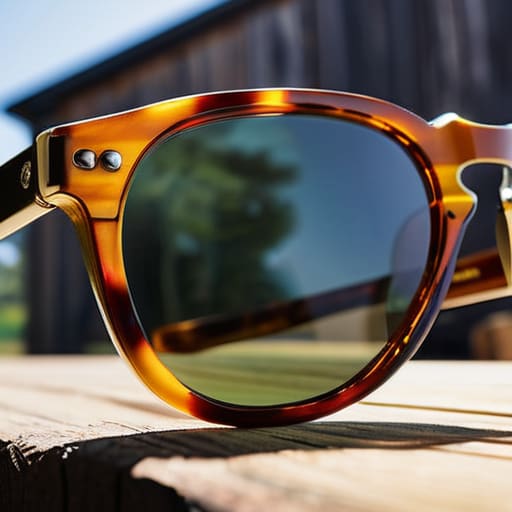
First, stop looking in the mirror and start feeling the weight. Pick up the frames; if they feel like hollow, flimsy plastic, they’ll likely warp or snap within six months. You want to check the frame material durability by seeing if the hinges have any “give” or if they feel like they’re going to crack the moment you pull them over your ears. If you’re choosing based on face shape for sunglasses, remember that the goal isn’t to “balance” your features like a math equation—it’s to ensure the frames don’t slide down your nose every time you tilt your head.
Second, look past the aesthetic and check the technicals. I don’t care if the lenses are a beautiful gradient if they don’t meet basic uv protection standards. If a pair doesn’t explicitly state it blocks UVA and UVB rays, leave them on the rack; you’re just paying for expensive eye strain. Also, do the math on your lifestyle: if you’re driving or near water, polarized vs non-polarized lenses is the only debate that actually matters. Polarized is worth the extra ten pounds because it kills the glare that makes you squint, and squinting is what leads to those permanent little lines around your eyes.
Common Mistakes to Avoid
The biggest mistake I see is people treating sunglasses like a status symbol rather than a piece of functional equipment. They’ll drop two hundred pounds on a designer frame because the logo looks good on a selfie, but if the frame material durability is rubbish and they snap after three months of being tossed in a bag, you haven’t bought an accessory—you’ve bought expensive landfill. Don’t get blinded by the branding; if the hinges feel flimsy and the plastic feels thin, walk away.
Another trap is ignoring the actual science of what’s happening in front of your eyes. I see so many people grabbing “fashion” shades that look great but offer zero actual coverage. You need to check the uv protection standards before you even think about the price tag. If they don’t explicitly state they block UVA and UVB rays, you aren’t protecting your eyes; you’re just making them dilate in the dark, which actually lets more harmful light in. It’s not about the aesthetic; it’s about not paying for a squint.
Final Thoughts
Look, at the end of the day, stop treating your eyewear like a decorative accessory you just slap on to look “cool.” If you’re staring at a wall of designer frames, ignore the logo and look at the mechanics. A pair of sunglasses is a tool for your face. If the bridge pinches or the temples dig in behind your ears, you aren’t going to wear them, no matter how much they cost. Focus on the geometry of your face shape and the actual weight of the frames. I’d much rather see you spend a bit more on frame material durability—like a solid acetate that won’t warp in a hot car—than on a brand name that’s basically just expensive plastic.
And please, for the sake of your actual vision, don’t skimp on the tech. I don’t care if the tint looks pretty; if they don’t meet basic UV protection standards, they are just making your pupils dilate while letting the damage through. Whether you go for polarized vs non-polarized lenses depends on if you’re driving or sitting by a pool, but the goal is always the same: protect your eyes without sacrificing comfort. Buy for the life you actually live, not the aesthetic you see on a screen.
The Real-World Checklist: How to Tell if They’re Actually Worth Your Money
- Stop obsessing over the logo and start looking at the hinge. If the temple arms feel flimsy or snap shut with a cheap, hollow click, they won’t last a season of being tossed into a bag. You want weight and tension that feels intentional, not like you’re playing with a toy.
- Check the bridge fit before you check the color. If you have a low bridge and the glasses sit on your cheeks or slide down every time you look down at your phone, they are useless. A $10 pair of nose pads or a quick adjustment from an optician is better than spending $200 on something that spends half its life on your chin.
- Look at the lens material, not the tint. Cheaply made plastic lenses can actually distort your vision, which is a massive headache you don’t need. If you hold them up and see any warping or “rainbow” effects in the light, put them back. You want clarity, not a funhouse mirror effect.
- Scale the frame to your bone structure, not the trend. If everyone is wearing oversized “bug-eye” frames but you have a delicate face, you’re going to look like you’re wearing a costume. Find the balance where the frame complements your proportions rather than swallowing them whole.
- Do the “Wednesday Test.” Don’t buy sunglasses that only work with a linen suit or a specific designer dress. If they don’t look just as decent with a plain grey sweatshirt and jeans on a random Wednesday, they aren’t a practical addition to your life—they’re just clutter.
The Geometry of Shade
Stop looking at the brand name on the temple and start looking at where the bridge actually sits on your nose; if they’re sliding down every time you tilt your head, you haven’t bought an accessory, you’ve bought a very expensive, very annoying piece of plastic that’s going to ruin your afternoon.
Neve Okonkwo-Barr
The Bottom Line
Look, at the end of the day, choosing sunglasses isn’t about chasing whatever celebrity is plastered on a billboard this week. It is about the math of your face and the reality of your lifestyle. Stop worrying if a frame is “on trend” and start checking if the bridge actually sits where it should or if the lenses offer real protection instead of just a tinted lie. If you find a pair that hits the right geometry but the arms feel a bit loose, don’t bin them—take them to a local optician or a specialist for a quick adjustment. A ten-minute tweak is much better than spending eighty pounds on a pair that constantly slides down your nose every time you look down at your phone.
My biggest piece of advice is to stop letting the marketing convince you that you need a new pair every season to stay relevant. A solid, well-fitted pair of frames is a piece of equipment, not a disposable accessory. When you prioritize fabric weight, lens quality, and structural fit over a logo, you stop being a victim of the trend cycle and start building a wardrobe that actually lasts. Buy for the person you are on a rainy Tuesday, not the version of yourself you think you need to be for a summer holiday. If it fits your face and it protects your eyes, you’ve already won.
Frequently Asked Questions
If I find a vintage pair of frames that look incredible but are a bit too wide for my face, is that a "fix it" situation or a lost cause?
It’s a “fix it” situation, but only if the bridge and temples allow for it. If they’re just sliding down because the arms are too wide, a local optician can heat and bend the temples for a few quid—total win. But if the frame width is massive compared to your cheekbones, you’ll get that “floating” look that no amount of adjusting can solve. Check the hinge first; if it’s solid, it’s worth the trip.
How can I tell if a pair of lenses is actually high-quality UV protection or just cheap tinted plastic that's going to give me a headache?
Look, don’t trust the sticker on the case; marketing is a liar. If the lenses feel like lightweight, flimsy plastic that bends when you squeeze them, run. High-quality lenses have a specific density and clarity. If you look through them and see any “rainbowing” or distortion at the edges, they’re garbage and will absolutely trigger a migraine. Honestly? If you can’t afford the polarized stuff, just stick to the basics—at least you know the tint isn’t lying to you.
Is it actually worth paying a specialist to adjust the nose pads and temples, or am I better off just buying a new pair that fits from the jump?
Listen, unless you’ve bought a pair of frames that are physically too small for your skull, do not throw them away. Most “bad fit” issues are just geometry problems that a specialist can solve in ten minutes. A professional adjustment to the temples and nose pads usually costs less than a decent lunch. Buying new because of a slight pinch is just letting marketing win; fix the pair you have and save the cash.
