I spent three years in a basement studio pinning hems and watching people treat their accessories like afterthoughts, and if I see one more “luxury” velvet-lined organizer that costs more than a decent pair of boots, I might actually lose it. The industry wants you to believe that knowing how to store jewellery requires a dedicated, multi-tiered vanity setup or a designer box that looks good on Instagram but does nothing for the metal. It’s a total scam. Most of those fancy displays are just expensive ways to let your silver tarnish in the open air or, worse, let your necklaces become a permanent, inseparable knot because they’re hanging loosely in a drawer.
I’m not here to sell you a lifestyle or a new piece of furniture; I’m here to tell you how to actually protect what you own. I’m going to show you the cheap, practical ways to stop oxidation in its tracks and how to organize your pieces so you aren’t fighting a losing battle with tangled chains every single morning. We are going to talk about fabric friction, air exposure, and the real-world math of keeping your gold looking new without wasting a single penny on marketing fluff.
Understanding How to Store Jewellery
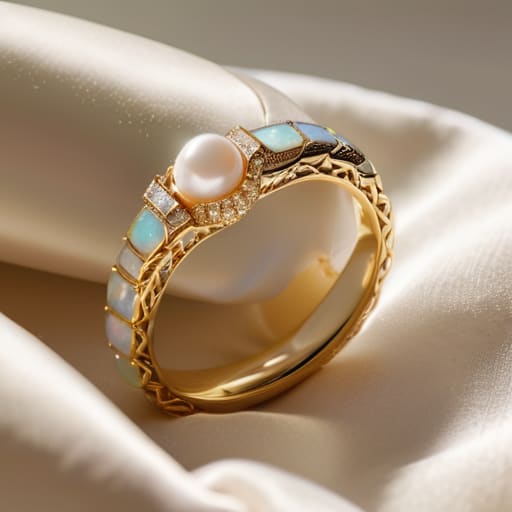
Before you go buying one of those velvet-lined, multi-tiered towers you saw on an Instagram ad, you need to understand that not all pieces are created equal. You wouldn’t store your delicate vintage lace in a plastic bin, so why treat your jewelry like it’s indestructible? The biggest mistake I see is treating a jewelry box as a single compartment. If you toss your heavy gold bangles in the same pile as your tiny, delicate earring backs, you aren’t just being messy; you are actively protecting gemstones from scratches by doing the exact opposite. Harder stones like diamonds will absolutely wreck softer ones like opals or pearls if they’re rattling around together in a heap.
It’s also about the chemistry of your environment. If you live somewhere damp, you’re fighting a losing battle with preventing silver oxidation unless you actually consider humidity control. Silver hates moisture, and it hates air. If you just leave your pieces out on a bedside tray, they’re going to tarnish before your next payday. You need to think about separation—different materials need different levels of isolation to stay bright.
Key Things to Know
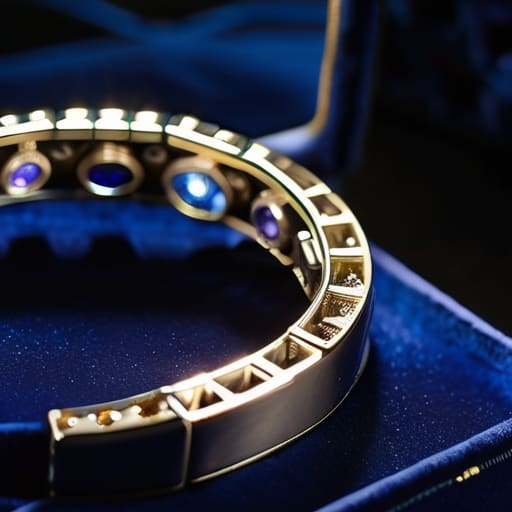
First off, let’s talk about the physics of the mess. If you’re tossing everything into one big bowl, you aren’t just being “casual”—you’re actively inviting chaos. Metals are hard, and gemstones are even harder; without some basic protecting gemstones from scratches logic, your favorite sapphire is going to end up looking like a scratched-up piece of cheap glass because it spent the night rubbing against a heavy silver cuff. It’s not about having a velvet-lined vault; it’s about creating boundaries so things don’t fight each other.
Then there is the chemistry of it all. If you’ve ever pulled a necklace out of a drawer only to find it’s turned into a permanent, unfixable tangle, you’ve experienced the nightmare of necklace knot prevention failure. It’s usually caused by friction and lack of tension. Similarly, if you live somewhere damp, you need to realize that humidity is the enemy of your silver. I’ve seen more ruined pieces from bathroom steam than from actual wear. If you aren’t managing the air around your pieces, you’re basically just paying for a slow-motion oxidation experiment.
Practical Tips and Steps
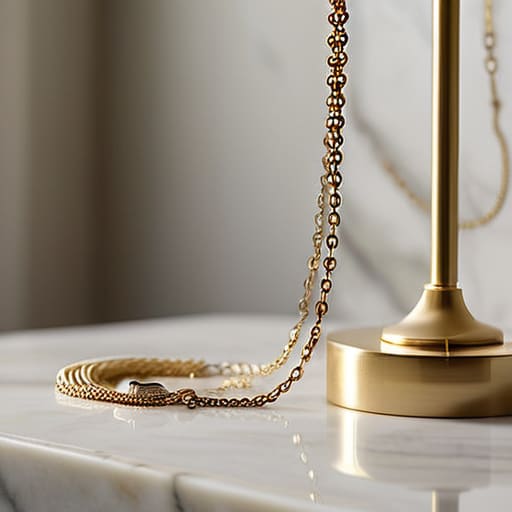
First things first: stop the tangles before they start. If you have a collection of delicate chains, do not just throw them into a single pile; that is a one-way ticket to a headache. I always recommend hanging necklaces or using a dedicated stand to prioritize necklace knot prevention. If you’re tight on space, even a simple hook on the back of a door works better than a chaotic pile at the bottom of a drawer.
When it comes to the actual setup, think about separation. You wouldn’t put a heavy ring in the same compartment as a delicate pearl, right? You need to focus on protecting gemstones from scratches by ensuring hard stones like diamonds aren’t rubbing against softer ones like opals. A bit of basic jewelry box organization—using felt dividers or even small silicone pouches—goes a long way. And for the love of your silver, keep it away from the bathroom. High moisture levels are the enemy; if you want to succeed at preventing silver oxidation, keep your pieces in a dry, cool spot, not in a humid vanity cabinet.
Common Mistakes to Avoid
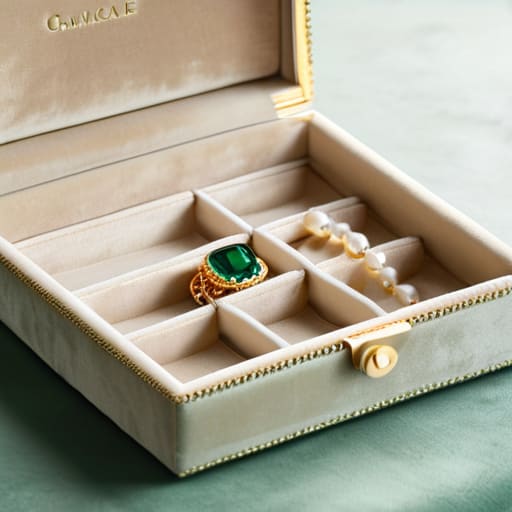
The biggest mistake I see? Treating your jewellery like it’s indestructible. People toss everything—from heavy silver chains to delicate pearls—into one big, chaotic pile in a bedside drawer. This is a recipe for disaster. When metal rubs against metal, you aren’t just losing shine; you are protecting gemstones from scratches by doing the exact opposite. If you have an emerald or an opal, a rogue ring hitting it in a drawer can cause micro-fractures that no amount of polishing will ever fix.
Another thing that drives me mad is the “tangle pile.” If you aren’t practicing some basic necklace knot prevention, you’re basically just creating a metal Gordian knot that will eventually require a pair of wire cutters to undo. Stop hanging everything on a single cheap rack, too; if the weight isn’t distributed, the tension will snap the jump rings. Finally, stop ignoring the air. If you leave your silver sitting out on a vanity in a damp room, you’re just fast-tracking the tarnish. You don’t need a high-tech vault, but you do need to stop treating your pieces like they’re part of the furniture.
Final Thoughts
Look, I’m not telling you to go out and buy a velvet-lined, multi-tiered mahogany chest just because some influencer said it looks “aesthetic” on a vanity. That’s just more clutter you don’t need. At the end of the day, keeping your pieces in good shape is about managing friction and air. Whether you’re using a dedicated piece of jewelry box organization or just a series of small, airtight zip bags, the goal is to stop the damage before it happens.
If you take nothing else away from this, remember that the most expensive earring in the world won’t matter if it’s sitting in a pile of tangled chains. Spend five minutes tonight doing some necklace knot prevention by hanging them up or laying them flat in separate compartments. It’s a tiny bit of effort that saves you from the heartbreak of a snapped silk cord or a lost stud. Stop treating your accessories like afterthoughts; treat them like the tools they are for making you feel put-together. A little bit of care goes a long way in making sure your favorite pieces actually survive your real life.
Five ways to stop your jewellery from turning into a mess
- Stop the metal-on-metal madness. If you throw all your rings and necklaces into one ceramic bowl, they are going to scratch each other every single time you move the dish. It’s basic friction. Get some small, separate pouches or even just a divided felt tray so your silver isn’t constantly being abraded by your harder stones.
- Watch out for the humidity trap. If you keep your jewellery in a damp bathroom, you are basically inviting tarnish to move in and make itself at home. Moisture is the enemy of silver and cheap plating. Keep your pieces in a dry bedroom drawer or a closed box; it’s not about being fancy, it’s about chemistry.
- Treat your pearls like the delicate things they are. Most people don’t realize that pearls need to “breathe”—if you seal them in a plastic airtight bag, they can actually dry out and crack. Store them in a soft cloth pouch, and for heaven’s sake, don’t spray your perfume after you’ve put them on.
- Separate your metals by “hardness.” You wouldn’t put a heavy, chunky brass cuff in the same little compartment as a delicate gold chain, right? The weight of the heavier pieces will snap or stretch the fine ones. Think of your storage like a wardrobe: heavy knits on bottom, light silks on top.
- Use the “tangle-free” rule for chains. If you have a necklace that’s already a bird’s nest, don’t just toss it in a box. Hang it on a hook or lay it flat in a dedicated compartment. A single knot can lead to a broken link when you try to force it apart, and a repair bill for a broken clasp is a waste of money you could have spent on a better pair of earrings.
The cost of a junk drawer
Stop treating your jewelry like loose change in a ceramic bowl; if you keep letting your necklaces tangle and your silver oxidize in a pile, you aren’t ‘saving time,’ you’re just paying the price in ruined finishes that no amount of polishing can actually fix.
Neve Okonkwo-Barr
The Bottom Line
Look, at the end of the day, storing your jewellery isn’t about buying a $200 velvet-lined mahogany chest that looks good on a Pinterest board; it’s about preventing the slow, invisible decay of your things. If you stop tossing your silver in a pile where it can scratch itself into oblivion, or if you just remember to keep your perfumes away from your pearls, you’ve already won half the battle. It comes down to the basics: separate your metals, watch out for moisture, and stop treating your pieces like they’re disposable. It’s a minor investment of time that saves you from the heartbreak of finding a tarnished, bent mess when you actually need to look put-together.
We spend so much energy chasing the next “must-have” piece, but we rarely spend any time actually looking after what we already own. Real style isn’t about the sheer volume of what you buy; it’s about the longevity of your wardrobe and the care you put into the items that actually make you feel like yourself. Treat your jewellery with a bit of respect, and it will actually be there for you when you have a Tuesday that feels like a Friday. You don’t need more stuff—you just need the stuff you have to actually work for you.
Frequently Asked Questions
I found a beautiful vintage ring at a charity shop, but the metal looks dull—is it worth paying a jeweler to clean it, or is the plating just gone?
First, check the weight. If it’s heavy, it’s likely solid metal; if it feels like a hollow toy, it’s probably cheap plating that’s already surrendered to the elements. Take a look at the “dull” spots—if you see a different color peeking through (like yellow showing through silver), the plating is gone, and you’re looking at a permanent fix, not a cleaning. A professional polish is cheap, but re-plating is where the math stops making sense.
Can I actually get away with keeping my everyday silver pieces in a bathroom cabinet, or is the steam going to ruin them faster than I think?
Look, I know the bathroom cabinet is the easiest place to grab your hoops before heading out, but please—stop. The steam from your shower is basically a fast-track to tarnish. It’s not just about the moisture; it’s the humidity and the aerosol sprays that settle on the metal and react. If you want to avoid spending £15 on a polishing cloth every month, move your silver to a dry drawer. It’s worth the extra three seconds.
If I have a piece that’s a bit tangled or knotted, should I try to fix it myself with a needle, or am I just going to snap the chain and end up paying more for a repair?
Put the needle down. Seriously. I’ve spent way too many afternoons in a studio untangling snapped links that someone tried to “help” with a sewing needle. If it’s a fine chain, you’re likely to scratch the plating or, worse, snap the solder point. If it’s a tiny knot, try a drop of olive oil and a toothpick first. If that fails, take it to a jeweler. It’ll cost you twenty quid to fix a knot, but fifty to replace a broken chain.
