Stop letting brands use the word “investment” like it’s a magic spell that justifies a three-month salary. I’ve spent enough time in basement studios watching people try to salvage “heirloom” pieces that were actually just thin, plated junk that started turning skin-green after three Tuesday shifts. If you want to know how to choose a ring that lasts, you have to stop looking at the sparkle in the marketing photos and start looking at the structural integrity of the setting. A diamond doesn’t matter if the metal holding it is so flimsy that a rogue encounter with a heavy grocery bag sends your stone skittering across the kitchen floor.
I’m not here to sell you on a lifestyle or a romanticized dream; I’m here to give you the actual maths. I’ll tell you which metals can actually handle a daily grind, why a certain setting might cost you a fortune in repairs later, and how to spot a quality build before you tap your card. We are going to look at weight, hardness, and construction so you can buy something that survives your life, not just your wedding photos.
Understanding How to Choose a Ring That Lasts
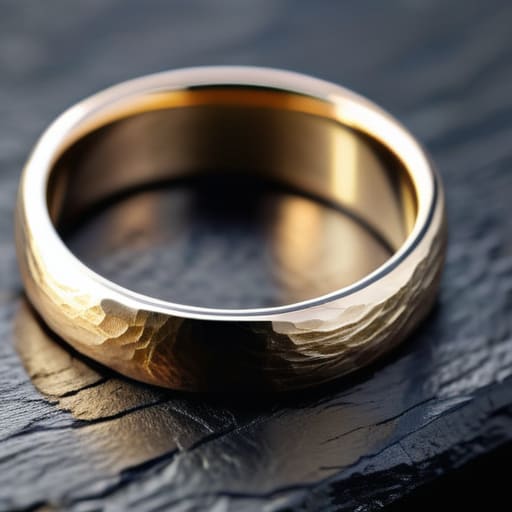
First, we need to talk about the metal. Most people see a gold band and think “forever,” but they aren’t looking at the math of daily friction. If you’re someone who works with your hands or constantly taps a laptop, you need to understand platinum vs gold longevity. Gold is an alloy; it’s mixed with other metals to make it hard enough to hold a shape, but it still wears down over time. Platinum is denser and more “stubborn”—it doesn’t lose mass when it gets scratched, it just moves the metal around. If you want a ring that survives a decade of heavy lifting without looking like a melted candle, you have to prioritize structural integrity over just the color of the metal.
Then there is the stone. If you’re picking a diamond, fine, but don’t let a salesperson convince you that every crystal is a miracle worker. You need to look at the Mohs scale. For anything you plan to wear while doing the dishes or hitting the gym, you should only be looking at the hardest gemstones for daily wear, like sapphires or rubies. Anything softer is going to end up looking cloudy and scratched within six months, and no amount of professional cleaning can fix a stone that has physically lost its surface.
Key Things to Know
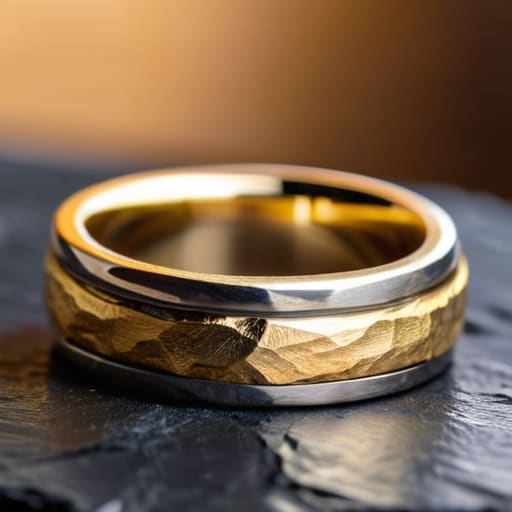
First, stop looking at the sparkle and start looking at the structural integrity. If you’re buying something you intend to wear every single day—not just for a wedding or a fancy dinner, but while you’re scrubbing dishes or typing—you need to talk about durable precious metals for jewelry. I always tell my clients: don’t get seduced by a thin, dainty band just because it looks “aesthetic” on Instagram. If the metal is too thin, it’s going to warp or snap within six months. When comparing platinum vs gold longevity, remember that platinum is denser and more stable, whereas gold is an alloy that needs the right karat weight to hold its shape under pressure.
Then there is the stone. If you want a ring that doesn’t turn into a cloudy mess by next Tuesday, you have to understand the Mohs scale. You need the hardest gemstones for daily wear, like diamonds or sapphires, because anything softer is going to pick up micro-scratches that make the whole piece look tired. It’s not about being precious; it’s about choosing materials that can actually survive your actual life.
Practical Tips and Steps
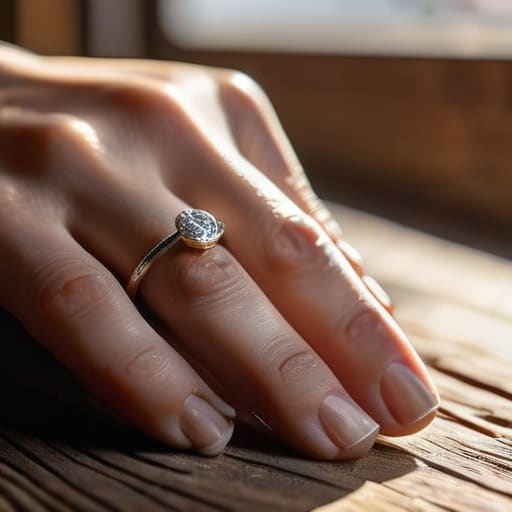
First, stop looking at the sparkle and start looking at the weight and the setting. If you’re buying something for daily wear, you need to prioritize scratch resistance in wedding bands and engagement rings over aesthetic fluff. I always tell my clients: if you work with your hands, a high-set stone is just a magnet for every door handle and coffee mug in your life. Look for low-profile settings where the metal actually protects the stone. It’s the difference between a ring that stays on your finger and one that ends up in a jewelry box because it’s too “fussy” to actually live in.
Next, let’s talk about the math of the metal. When weighing up platinum vs gold longevity, remember that platinum is denser and more “forgiving”—it doesn’t lose metal when scratched; it just displaces it. Gold is beautiful, but you need to check the karat; 18k is the sweet spot for durability without being too soft. Finally, don’t skip the jewelry maintenance and care part of the equation. A ring only lasts as long as you bother to check the prongs once a year. A £20 professional prong check is much cheaper than replacing a lost diamond.
Common Mistakes to Avoid
The biggest mistake I see is people buying for the “vibe” and ignoring the physics. You’ll see someone fall in love with a delicate, high-set pavé ring because it looks incredible under Instagram lighting, but they’re essentially buying a disaster waiting to happen. If you have an active life—meaning you actually use your hands to open doors, carry groceries, or type—you cannot ignore scratch resistance in wedding bands. A ring that looks like a dream on day one but gets snagged on every knit sweater you own isn’t a piece of jewelry; it’s a chore.
Stop falling for the “luxury” trap where a brand name justifies a flimsy setting. I’ve seen rings that cost three months’ rent fall apart because the metal was too thin to support the stone. When you’re weighing up platinum vs gold longevity, remember that it isn’t just about the price tag; it’s about how the metal holds up to daily impact. Don’t get distracted by the sparkle if the structural integrity is non-existent. If the setting is too shallow, that stone is going to end up in a gutter within six months, and no amount of “investment” marketing will fix that.
Final Thoughts
Look, at the end of the day, stop letting the marketing departments convince you that “forever” is something you can just buy off a shelf. A ring isn’t a magic talisman; it’s a piece of engineering that has to survive your life—the hand-washing, the gym sessions, and the accidental knocks against the kitchen counter. Whether you are weighing up platinum vs gold longevity or deciding if a diamond is actually practical, remember that the best piece is the one you don’t have to baby.
If you do end up with something beautiful, don’t just shove it in a drawer and forget it exists. A little bit of jewelry maintenance and care goes a long way in preventing a small scratch from becoming a structural nightmare. I’m not telling you to be precious about your things, I’m telling you to be smart about them. Buy for the reality of your Tuesday afternoon, not the fantasy of your wedding day, and you’ll actually have something left to wear in five years.
The quick-and-dirty checklist for not wasting your money
- Check the setting’s structural integrity, not just the sparkle; if the prongs look thin or the metal feels hollow, it’s going to snag on your knitwear and lose a stone by next Tuesday.
- Prioritize metal density over “gold plating”; if it’s just a thin layer of gold over brass, it will rub off within three months of hand-washing and you’ll be left with a pinkish ring that looks like a costume piece.
- Look at the underside of the setting—if the jeweler can’t show you a clean, solid base where the stone sits, they’re hiding poor craftsmanship and a lack of metal weight.
- Avoid “trendy” ultra-thin bands if you actually plan to wear the ring daily; a band that’s too spindly will warp under the pressure of your life, and a repair job to reshape it will cost more than the ring itself.
- Do the math on the stone’s security; if the setting is so intricate that it’s impossible to clean the grit out from underneath, you’ll eventually scratch the stone or loosen the mount entirely.
The Math of Longevity
Stop looking at the sparkle and start looking at the structural integrity; a ring isn’t an ‘investment’ because of the price tag on the receipt, it’s an investment if the metal density can actually handle your life without the setting warping or the stone migrating by next Tuesday.
Neve Okonkwo-Barr
The Bottom Line
At the end of the day, picking a ring isn’t about chasing a specific aesthetic or falling for a brand’s “timeless” marketing. It’s about checking the math on the materials. If you aren’t looking at the metal density, the structural integrity of the setting, or how much a jeweler will charge you to resize it every two years, you aren’t buying jewelry—you’re buying a future headache. Stop looking at the sparkle for a second and start looking at the seams of the piece, so to speak. A ring that lasts is one where the weight of the metal matches the reality of your daily life, and where the stone is actually secure enough to survive a Tuesday afternoon of typing, cleaning, or just living.
I know the industry wants you to feel like you need a massive budget to own something meaningful, but that is a lie. Real style isn’t about how much you spent; it’s about owning things that actually endure. Whether you’re buying a vintage band from a charity shop or saving up for a solid gold piece, make sure it’s something that can be repaired, not just replaced. Buy for the person you are on a messy Wednesday, not the person you pretend to be in a curated Instagram feed. If you focus on the construction, the rest will take care of itself.
Frequently Asked Questions
If I find a beautiful vintage ring at a charity shop, how do I know if the metal is too soft to actually wear every day or if it's just needs a quick polish?
First, check the hallmark. If it says 925, it’s sterling silver—it’ll tarnish, but a cloth fixes that. If it’s 14k or 18k gold, you’re golden for daily wear. But if it’s “gold plated” or just “gold tone,” stay away from the daily rotation; the plating will rub off in a month and you’ll be left with a base metal ring that turns your finger green. If it’s soft, it’s a Sunday ring, not a Wednesday one.
Is it actually worth paying a jeweler to resize a ring, or will the structural integrity of the band be ruined in the process?
It depends entirely on the metal and how much “meat” is left in the band. If you’ve got a thick gold band, a jeweler can cut and solder it without a sweat—it’s basically just a tiny bit of structural surgery. But if it’s a thin, cheap silver band or a complex eternity ring with stones all the way around? Stop. Resizing that is like trying to re-stitch a silk slip with a heavy-duty sewing machine; you’ll ruin the integrity. Always ask: “How much metal are we losing?” before they touch it.
When looking at stones, should I be more worried about the clarity of the gem or how much metal is actually protecting the setting from getting knocked loose?
Honestly? Worry about the metal. A flawless diamond is useless if it’s sitting in a flimsy, high-set prong that catches on every knit sweater you own. You can live with a tiny inclusion you’ll never see, but you can’t live with a stone that rolls out onto the pavement because the setting was designed for a photo shoot rather than a real life. Prioritize a secure, low-profile setting; clarity is a luxury, but structural integrity is a necessity.
