Stop letting jewelry brands convince you that you need a “curated collection” of gold-plated hoops to look put together; most of that stuff is just shiny landfill waiting to happen. I spent two years in a cramped basement studio pinning hems for brides, and if there’s one thing I learned, it’s that the wrong scale can ruin even the most expensive outfit. People spend hundreds on “statement pieces” only to realize they look like they’re wearing costume props because they didn’t understand the basic geometry of their own face. Learning how to choose earrings isn’t about following a seasonal trend or buying a heavy set of studs just because they’re on sale; it’s about understanding proportion and weight.
I’m not here to sell you a lifestyle or a new aesthetic. I’m here to give you the actual maths of jewelry: how to match the drop of a thread to your jawline and why certain metals are worth the extra twenty quid while others will turn your ears green by Tuesday. We’re going to talk about scale, weight, and longevity, so you can stop wasting money on things that just sit in a drawer.
Stop Shopping for Trends and Learn How to Choose Earrings
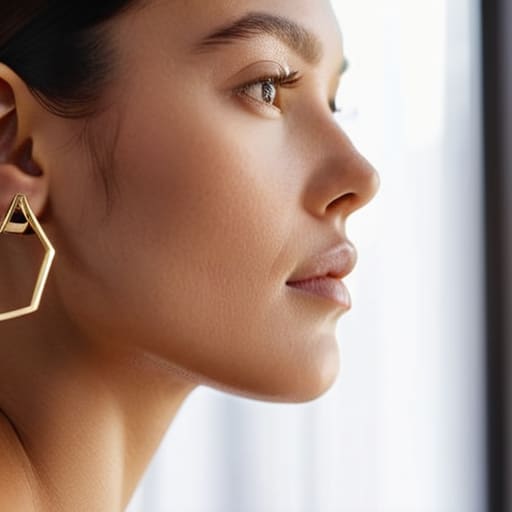
Stop scrolling through your feed looking for whatever “it-girl” is wearing this week. Trends are designed to make you feel like your current jewelry box is obsolete, but a pair of hoops from three years ago doesn’t care about a TikTok cycle. Instead of chasing a look, look at your own geometry. Most people struggle because they buy for the aesthetic rather than the architecture of their own head. You need to understand face shape earring styles—like how a sharp, angular drop earring can balance out a soft, rounded jawline—rather than just buying what’s on the mannequin.
It’s also about the physical reality of wearing things, not just the visual. I’ve spent too many afternoons at my sewing machine seeing clients who have given up on jewelry because they’ve developed a reaction to cheap plating. If you have reactive skin, stop wasting money on “fashion jewelry” that’s mostly mystery alloys; prioritize hypoallergenic earring metals like surgical steel or titanium from the jump. It’s much cheaper to buy one decent pair of studs that won’t make your lobes throb than to replace a drawer full of itchy, gold-washed junk every two months.
The Geometry of the Face Face Shape Earring Styles That Work
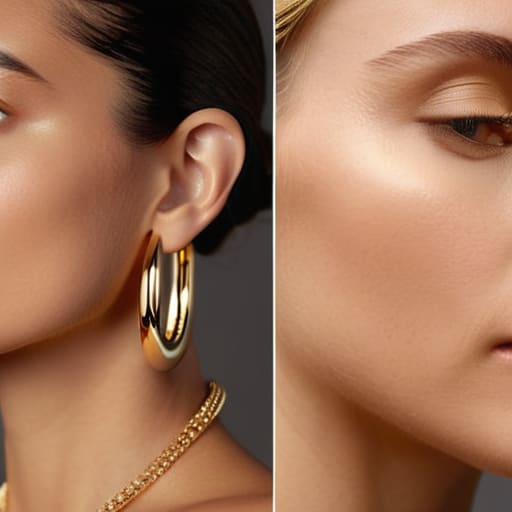
Look, I’m not going to give you a geometry quiz, but you need to understand how lines interact with your jawline. If you have a rounder face, stop trying to wear tiny, circular studs that just mimic your shape; you want something with verticality—think long, linear drops or rectangular shapes—to create a bit of visual length. Conversely, if you’ve got a sharp, angular face, those heavy, geometric squares can make you look a bit too much like a piece of modern art. You want curves. Soften those edges with hoops or teardrops. It’s all about counterbalancing the silhouette you were born with.
And while we’re talking about physics, let’s talk about the actual anatomy of your ear. If you have tiny lobes, don’t feel pressured to wear massive statement pieces that swallow your face; look for the best earring styles for small ears, like delicate climbers or high-quality huggies that sit close to the skin. Also, if you find yourself constantly itching or redness creeping in, stop ignoring it. You aren’t “allergic to jewelry,” you’re likely just reacting to cheap plating. Prioritize hypoallergenic earring metals like titanium or surgical steel. It’s much easier to find a pair that fits your face than it is to find a cure for a skin rash.
Why Your Ears Hurt Hypoallergenic Earring Metals and Sensitivity
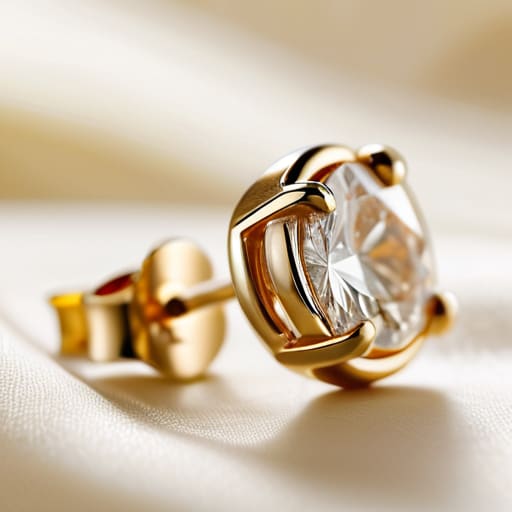
Look, you can find the most perfect, geometrically ideal earring in the world, but if it makes your lobes feel like they’re being branded with a hot iron after twenty minutes, it’s useless. Most people think they’re “allergic to jewelry,” but usually, you’re just reacting to cheap nickel plating. When you are choosing earrings for sensitive ears, stop looking at the sparkle and start looking at the composition. I always tell my clients to check for surgical steel, titanium, or 14k gold. If a brand can’t tell you exactly what the metal content is, leave it on the shelf. It’s not worth the infection or the itchy, red mess.
Even if the metal is fine, we need to talk about the physics of it. If you’ve gone for heavy, oversized statement pieces, you’re fighting gravity. I’ve seen so many people ruin their piercings because they didn’t consider the physical load on the lobe. If you’re worried about heaviness, look for hollow gold or lightweight resin. And while we’re at it, check your butterfly backs; if they’re digging in, a slightly different earring back type can be the difference between a long night out and a headache.
The Math of Comfort Earring Weight for Stretched Lobes
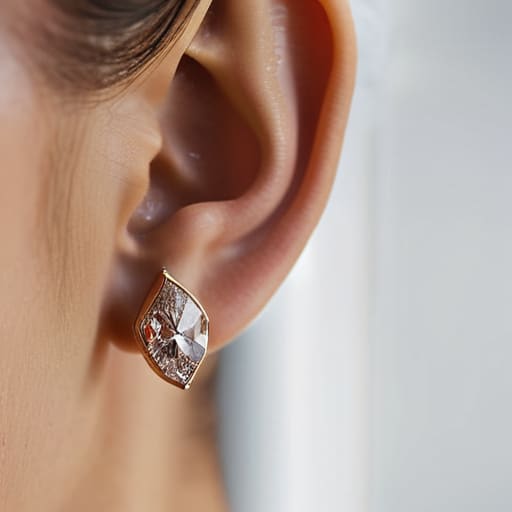
If you’ve spent any time stretching your lobes, you know the physical math of a heavy earring is different from someone with “standard” piercings. It isn’t just about how it looks; it’s about the physics of gravity. When you’re working with larger gauges, the goal is to find a balance between aesthetic impact and the structural integrity of your skin. I see people all the time trying to pull off massive, chunky resin hoops or heavy metal drops, only to realize they’ve created a downward pull that’s going to make that stretch look tired or uneven.
The secret to managing earring weight for stretched lobes is all about material density. If you want something that makes a statement without the literal heavy lifting, look for hollowed-out metals or high-quality wood and lightweight acrylics. Avoid solid brass or heavy pewter if you’re planning on a long day. If you’re already dealing with some sensitivity, remember that the weight often puts more pressure on the piercing site, making choosing earrings for sensitive ears a two-part battle of both metal purity and physical lightness. Keep the heavy hitters for your short events, and save the lightweight geometry for your everyday wear.
Small Ears and Secure Closures Earring Back Types Explained
If you have small earlobes, you’ve probably realized that standard butterfly backs are essentially tiny, metal bullies. They’re bulky, they sit awkwardly against the side of your head, and if you’re wearing a hair tie or a scarf, they’re gone—lost to the void of your floorboards. For those looking for the best earring styles for small ears, I always suggest looking for flat-back studs or “nap earrings.” These sit flush against the skin, which means they don’t snag on your clothes and they don’t make your ears look like they’re being poked by a toothpick.
When we get into earring back types explained, it’s not just about security; it’s about the physics of the lobe. If you’re wearing something heavier, a screw-back is your best friend because it actually locks in place, preventing that dreaded “slow slide” down the lobe. On the flip side, if you’re already dealing with irritation, avoid those cheap, sharp-edged butterfly backs that dig in. Stick to silicone push-backs; they’re soft, they distribute the weight better, and they won’t scratch you when you’re rushing out the door on a Wednesday morning.
The real-world checklist: 5 things to check before you tap 'buy'
- Check the scale, not the sparkle: Before you get obsessed with a design, hold it up to your face in a mirror. A massive statement earring can swallow a small face whole, and a tiny stud can look like a lost speck on someone with strong features. It’s about visual balance, not how much the brand claims it’s “on trend.”
- Do the “heavy metal” test: If you’re looking at something chunky, don’t just assume it’s pretty. If it’s solid brass or heavy plated steel without a hollow core, you’re going to be reaching for Ibuprofen by 3 PM. If you love a heavy look, look for hollowed-out designs or lighter materials like resin—your earlobes will thank you.
- Mind the “hair factor”: If you have thick hair or tend to wear it down, those delicate, thin chain earrings are going to spend half their lives tangled in your locks. If you want low maintenance, go for something with more structural integrity or a shape that won’t snag every time you move your head.
- Don’t ignore the post length: This is a tiny detail that ruins everything. If the post is too short, it’ll sit too tight against your lobe and cause irritation; if it’s too long, the earring will wobble and look cheap. A good quality earring should have enough “room to breathe” behind the ear.
- The “wearability” math: Before you buy, ask yourself if these work with your Tuesday-to-Friday life. If they only work with a specific cocktail dress and a blowout, they aren’t a good purchase. A pair of earrings is only a “win” if they can survive a coffee run and a Zoom call without feeling like a costume.
The scale over style rule
Stop looking at the earring in the display case and start looking at the scale of your own face; a ‘statement’ piece is only a statement if it doesn’t make you look like you’re being swallowed by hardware, and if the weight is pulling your lobe into a teardrop shape, no amount of gold plating is worth the structural damage.
Neve Okonkwo-Barr
Stop overthinking it and start wearing it
At the end of the day, choosing earrings isn’t some mystical fashion rite; it’s just a series of practical decisions about geometry and biology. You need to balance your face shape, respect the weight limits of your lobes, and—this is the big one—make sure the metal isn’t going to make you itch by lunchtime. If you can find a pair that hits the right scale and uses a closure that actually stays put, you’ve already won half the battle. Don’t let a marketing campaign convince you that you need a new gold-plated collection every season when what you actually need is a solid rotation of reliable, well-proportioned pieces that don’t require a painkiller to wear.
My final piece of advice is to stop treating your jewelry box like a graveyard of “maybe one day” impulse buys. If you’ve got a pair of gorgeous vintage hoops that are just a bit too heavy, don’t toss them; take them to a jeweler to see if the weight can be redistributed or the back reinforced. Style isn’t about having the most expensive things in the room; it’s about the confidence that comes from knowing your accessories aren’t fighting against your body. Wear what fits your life, not what fits a mood board, and you’ll find that true style is much more about comfort than it is about the price tag.
Frequently Asked Questions
I have a lot of vintage earrings but they always feel like they're sliding out; is there a way to fix the backs without buying new ones?
Don’t toss them; vintage posts are often thinner or more worn than modern ones, which is why they’re sliding. If they’re studs, swap the flimsy butterfly backs for silicone ones—they cost about £2 for a pack and the grip is much better. If they’re hoops, a jeweler can tighten the hinge for the price of a latte. It’s much cheaper than replacing the pair, and it saves the jewelry from a one-way trip to the floor.
How can I tell if a metal is actually high-quality or just "gold-toned" plating that's going to turn my ears green by Tuesday?
Look, “gold-toned” is marketing speak for “this will turn your ears green by Tuesday.” If the price doesn’t make you blink, it’s likely flash plating over a cheap base metal like nickel or brass. Check the weight; real gold or high-quality vermeil has a certain heft. Most importantly, look for “gold filled” or “solid gold” labels. If it just says “gold color,” walk away—you’re paying for a chemical reaction, not jewelry.
If I find a pair of statement earrings that are beautiful but way too heavy for my lobes, is there a way to lighten them or is that a lost cause?
It’s not a lost cause, but don’t let a jeweler charge you a fortune for “refining” them. If they’re heavy because of a solid metal backing, a good jeweler can sometimes swap the post for something lighter or drill out some of the excess metal from the reverse side. If it’s just bulk, try swapping heavy butterfly backs for lightweight silicone ones. If the metal itself is the problem? That’s a hard no—you can’t un-weight solid brass.
