I spent three years in a basement studio pinning hems and watching people throw away money on “luxury” jewelry that ended up leaving them looking like they’d been attacked by a Smurf. There is this massive, expensive lie being sold that if you just spend more, you won’t deal with the itch or the discoloration. But here’s the truth: understanding how metals affect skin has nothing to do with the brand name on the box and everything to do with the actual chemistry of the alloy. If your favorite gold-plated hoops are leaving a crusty green ring around your ears, it isn’t a “sensitivity” you need to pray away—it’s just cheap base metal reacting to your sweat, and no amount of high-end moisturizer is going to fix a bad manufacturing choice.
I’m not here to sell you a ten-step skincare routine or a subscription to a boutique jeweler. I’m going to show you the actual math behind what you’re wearing, from identifying nickel-heavy junk to knowing which metals are actually safe for a long Tuesday at the office. We are going to talk about real-world durability, what a decent coating actually costs, and how to stop wasting money on pieces that you can only wear for twenty minutes before they start to sting.
Understanding How Metals Affect Skin
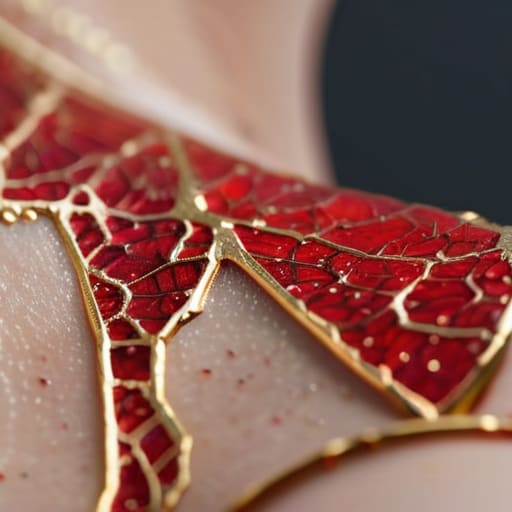
Most people think a red, itchy patch on their neck is just a random reaction to a new perfume or a laundry detergent change. Usually, it’s much more mechanical than that. When we talk about skin irritation from cheap jewelry, we’re usually talking about nickel. It is the most common culprit because it’s cheap, it’s everywhere, and it’s used to plate almost every “fashion” piece you’ll find in a high-street window. When that plating wears down—which happens fast if you’re sweating or even just wearing perfume—the base metal starts leaching directly into your pores.
The real problem is that once you develop a sensitivity, your body doesn’t just “get used to it.” You’ll start seeing classic contact dermatitis symptoms: redness, tiny bumps, or even weeping skin where the metal sits. If you aren’t sure what’s causing the flare-up, I always suggest a bit of metal allergy testing via a patch test before you commit to a whole new collection. It’s much easier to identify the offender now than to spend forty quid on dermatological creams later because you bought a “statement necklace” that was actually just a nickel-trap.
Key Things to Know
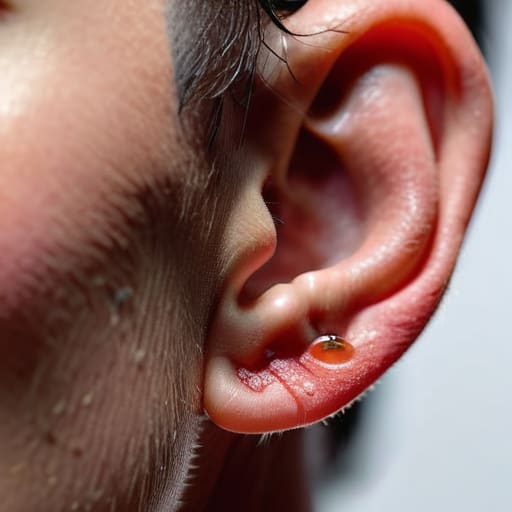
First, let’s talk about the culprit: nickel. It is the most common trigger for contact dermatitis symptoms, and if you’re buying “fashion jewelry” from a high-street giant, chances are it’s loaded with it. When you see a red, itchy patch forming exactly where your earring or necklace sits, that isn’t a random breakout; it’s a clear sign of skin irritation from cheap jewelry. The metal is leaching into your skin, and no amount of moisturizer is going to fix a structural material problem.
If you’re tired of the itch, stop guessing and look for hypoallergenic jewelry options like surgical stainless steel, titanium, or high-karat gold. I always tell my clients: if you have to ask if it’s “safe,” it probably isn’t. If you’re unsure, do some simple metal allergy testing at home with a patch test before you commit to wearing a heavy statement piece all night. It’s much cheaper to spend an extra ten pounds on a solid sterling silver stud than it is to deal with a week of angry, inflamed skin.
Practical Tips and Steps

Stop guessing and start testing. If you aren’t sure if a specific necklace is the culprit, don’t just keep wearing it and hoping your neck stops itching. You can do a basic bit of metal allergy testing at home by wearing the piece against a sensitive patch of skin—like the inside of your elbow—for a few days. If you see redness or those classic contact dermatitis symptoms, you have your answer. It’s much easier to identify the enemy early than to treat a full-blown rash later.
When you are hunting through charity shops or browsing online, look past the “luxury” branding and check the fine print. If a brand won’t explicitly state what the base metal is, assume it’s going to cause skin irritation from cheap jewelry. I always tell my clients to prioritize hypoallergenic jewelry options like surgical steel, titanium, or high-karat gold. Yes, they might cost a bit more upfront, but when you factor in the cost of soothing creams and the frustration of wearing nothing at all, the maths actually favors the better metal every single time.
Common Mistakes to Avoid

The biggest mistake I see is people treating a red, itchy patch of skin like a temporary “adjustment period.” If you’re seeing contact dermatitis symptoms after putting on a new necklace, your skin isn’t “getting used to it”—it’s actively rejecting the material. Stop trying to power through the discomfort. That itchy, bumpy mess is a clear signal that the metal is leaching ions into your skin, and no amount of moisturizer is going to fix a structural chemistry problem.
Another massive blunder is assuming “gold-plated” means safe. Marketing is a liar, and in the jewelry world, it’s often a very expensive one. A thin layer of gold over a nickel base is just a ticking time bomb for skin irritation from cheap jewelry; the moment that plating wears thin—which happens fast with daily wear—the base metal makes contact and the reaction starts. Instead of chasing the “luxury” look on a budget, do some actual metal allergy testing on your own skin first. It’s much cheaper to find out you hate brass now than to spend forty quid on a “statement piece” that ends up sitting in a drawer because it makes your neck swell.
Final Thoughts
Look, at the end of the day, your skin isn’t the enemy—your jewelry box might be. If you’ve been ignoring those itchy red patches, stop treating them like a mystery and start looking at your hardware. Most people assume they just have “sensitive skin,” but more often than not, it’s a straightforward case of skin irritation from cheap jewelry that’s been sitting in a drawer for years. You don’t need to bin everything you own, but you do need to be smarter about what actually touches your body.
If you’re tired of the constant cycle of contact dermatitis symptoms, stop gambling on “gold-toned” mystery metals. It is much cheaper to invest in a few solid pieces of sterling silver or titanium than it is to keep buying plated junk that flakes off in a week. Finding reliable hypoallergenic jewelry options isn’t about following a trend; it’s about the math of longevity. Spend the extra bit of money now so you aren’t spending your afternoon applying soothing cream to a neck rash later. Buy better, wear longer, and stop letting a five-dollar earring ruin your week.
The Metal Math: How to Stop Your Jewelry from Sabotaging Your Skin
- Stop blaming your skin for a cheap alloy issue. If your necklace is leaving a crusty green ring around your neck, it isn’t an “allergy” in the medical sense—it’s a chemical reaction between your sweat and the copper in the metal. You aren’t sensitive; the jewelry is just low-grade.
- Check the hallmark before you commit. If you’re buying “gold” jewelry that doesn’t have a stamp like 14k or 925 for sterling silver, you aren’t buying precious metal; you’re buying a thin layer of gold over a base metal that is almost certainly going to irritate you within a week.
- Use the clear nail polish hack sparingly. People tell you to coat your rings in clear polish to stop the green marks, and while it works for a Tuesday, it’s a temporary fix that chips. It’s better to spend the £15 it would cost to fix a broken clasp on a real silver piece than to keep layering plastic over junk.
- Watch the “sweat factor” with costume pieces. If you’re wearing heavy, plated brass earrings during a humid commute, the moisture is going to break down that plating fast. Once that plating thins, the base metal is exposed, and that’s exactly when the itching and redness start.
- Prioritize surgical steel or titanium for your “daily drivers.” If you have reactive skin, stop trying to make “fashion jewelry” work for your 9-to-5. A decent pair of surgical steel hoops might not feel as “luxurious” as a plated gold set, but they won’t cost you a pharmacy run for soothing cream.
## The Cost of Cheap Plating
If your skin is turning green, don’t blame your body—blame the metallurgy. You aren’t having an allergic reaction to ‘luxury’; you’re reacting to a cheap copper base that’s oxidizing because the manufacturer skimped on the plating. I’d rather you spend ten pounds on a solid sterling silver piece that actually lasts than fifty on a ‘designer’ alloy that leaves you itching by lunchtime.
Neve Okonkwo-Barr
The Bottom Line on Metals and Skin
Look, at the end of the day, your skin isn’t the problem—it’s the chemistry of what you’re forcing it to wear. We’ve covered the basics: nickel is usually the culprit behind that itchy, red rash, and if your “gold” jewelry is turning your skin green, you aren’t dealing with a skin sensitivity, you’re dealing with cheap copper alloys and poor plating. You don’t need to bin your entire jewelry box, but you do need to start reading the fine print. Pay attention to whether a piece is solid, gold-filled, or just a thin layer of spray-on shine. Understanding the difference between a high-quality base metal and a plated disaster is the only way to stop the cycle of buying things that look great for ten minutes but leave you scratching your neck for three days.
Stop letting marketing terms like “luxury” or “designer” dictate your comfort. A piece of jewelry isn’t an investment if it makes you physically miserable, no matter how much it cost or how many influencers are wearing it. Real style is about how you feel when you walk into a room, and that includes not feeling like you’re wearing a tiny, metallic irritant. Focus on quality over quantity, find out what your body actually tolerates, and remember that a well-chosen, nickel-free piece is worth more than a drawer full of junk that you’re too itchy to actually wear.
Frequently Asked Questions
If I have a piece of vintage jewelry that’s turning my skin green, is there a cheap way to fix it without ruining the metal?
If it’s turning you green, it’s likely a copper alloy reacting with your skin’s acidity. Don’t panic—it’s probably not “ruined,” just cheap. The cheapest fix is a clear nail polish coating on the inside of the band; it creates a barrier so the metal never actually touches you. If you want something more professional, look for a nickel-free sealant. It’s a five-minute job that saves a piece from the bin.
Can I actually tell the difference between "gold-plated" and "gold-filled" just by looking, or am I going to end up with an itchy neck regardless?
Honestly? You can’t tell just by glancing, and that’s exactly how they get you. Gold-plated is just a thin flash of color over a cheap base—it’ll wear off and start itching your neck by next Tuesday. Gold-filled is a much thicker layer bonded with heat; it actually lasts. If you can’t see a stamp, don’t guess. Ask for the specs. If they won’t tell you, assume it’s going to turn your skin green.
Is it worth paying a professional to re-plate my favorite earrings, or is the cost of the repair higher than just buying a new pair of surgical steel studs?
Look, here is the math: if those earrings are sentimental or have a silhouette you actually love, pay the professional to re-plate them. A good re-plating job is a temporary fix, but it preserves the soul of the piece. However, if they’re just “cute” gold hoops from a fast-fashion haul, don’t bother. The cost of labor will dwarf the item’s value. Just buy the surgical steel studs and save your cash for a better seamstress.
