Stop letting brands convince you that “everyday jewellery” has to be either a tiny, overpriced gold loop or a piece of costume junk that turns your neck green by lunchtime. I spent two years in a basement studio pinning hems for brides, and if there’s one thing I learned, it’s that people are exhausted by the binary choice between financial ruin and literal trash. You don’t need a diamond solitaire to feel put together on a Tuesday, but you also shouldn’t have to worry about your earring clasp snapping while you’re just trying to grab a coffee. Learning how to choose everyday jewellery isn’t about following a trend cycle; it’s about understanding metal weight, clasp security, and whether a piece can actually survive a day of real life.
I’m not here to sell you an “investment collection” or some curated aesthetic from a mood board. I’m going to show you the actual maths of what makes a piece durable, which finishes won’t irritate your skin, and why the weight of a chain matters more than the brand name on the box. We’re going to build a kit of pieces that actually work when you’re busy, without the marketing fluff.
Understanding How to Choose Everyday Jewellery

First, we need to talk about the physics of your life. Most people pick jewellery based on a photo, but I pick it based on how much you move. If you’re constantly typing, washing your hands, or layering sweaters, you aren’t looking for “statement pieces”; you’re looking for things that won’t snag a knit or get caught in a zipper. This is where the debate of gold vs silver for daily wear actually matters. It’s not about which one looks better with your skin tone—though that’s a factor—it’s about the metal’s durability against your specific sweat acidity and daily friction.
Don’t let a shiny marketing campaign fool you into thinking every “gold” necklace is a forever item. If it’s just gold plating over cheap brass, it’s going to turn your neck green by the end of a long Wednesday. You need to look for tarnish resistant jewellery materials like gold vermeil or solid gold if you actually want to stop replacing things every three months. I always tell my clients: if the weight feels suspiciously light, like it’s made of air and hopes, it’s going to break. Check the clasps. If the spring feels mushy, walk away.
Key Things to Know
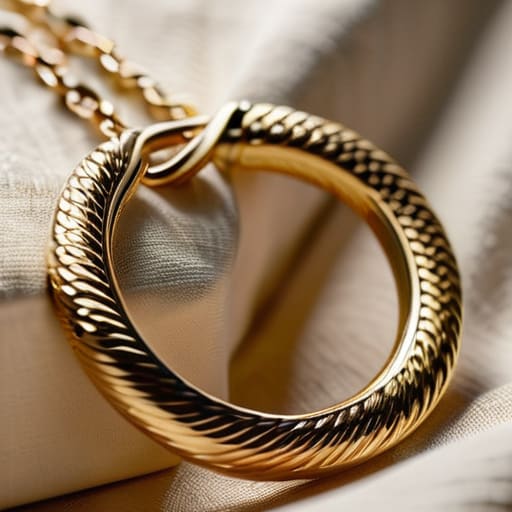
First, let’s talk about the metal itself, because the “gold vs silver for daily wear” debate isn’t just about aesthetics—it’s about how much work you want to do on a Tuesday morning. If you have sensitive skin, skip the cheap mystery alloys and look for hypoallergenic jewellery options like surgical steel or high-karat gold. There is no point in a necklace looking stunning if it leaves a green ring around your neck by lunchtime. I always tell my clients: if the metal feels “light” in a way that suggests it’s hollow or flimsy, it’s going to snap under the weight of a real life.
Next, look at the construction. I spend my days looking at how seams hold up under tension, and jewellery is no different. Check the clasps. If a lobster claw feels like it might give up the ghost if you sneeze, walk away. You want tarnish resistant jewellery materials like vermeil or solid gold if you actually intend to wear them in the shower or while sweating. Don’t let a brand call something an “investment piece” just because it has a heavy box. If the jump ring is too thin, it isn’t an heirloom; it’s a ticking time bomb.
Practical Tips and Steps
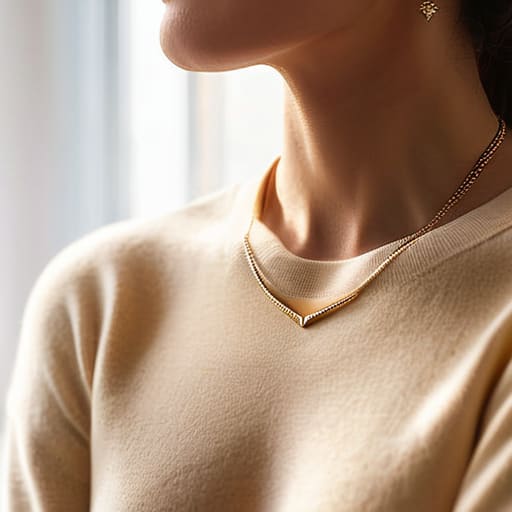
First, stop treating jewellery like it’s a museum exhibit. If you’re wearing it every day, it’s going to hit your skin, your soap, and your sweater. Before you buy, check the metal content. If you have sensitive skin, skip the “gold-plated” mystery metals and go straight for hypoallergenic jewellery options like surgical steel or high-karat gold. I’ve spent too many afternoons helping people deal with green necklines caused by cheap alloys; it’s not a “look,” it’s just a bad reaction.
Second, look at the weight and the closures. A necklace that’s too heavy will pull on your neck by lunchtime, and a flimsy lobster clasp is a one-way ticket to losing your earring in a taxi. When weighing up gold vs silver for daily wear, remember that the “math” of an investment piece is its durability. A solid gold hoop might cost more upfront, but if it survives five years of showers and gym sessions without pitting or fading, the cost-per-wear is actually lower than that trendy piece that tarnishes before your next paycheck.
Common Mistakes to Avoid

The biggest mistake I see is people treating “everyday” like a synonym for “indestructible.” I’ve seen so many people drop a fortune on what they think are investment pieces for daily use, only to realize six months later that the clasp is so finicky they can’t even put them on without a struggle, or the plating is already flaking off. If you’re buying something to wear while you’re commuting, typing, or grabbing a coffee, you have to look at the mechanics. If the chain is too thin, it’s going to snap; if the earring post is too flimsy, it’ll bend. Don’t buy something that requires a delicate touch just to exist in your life.
Another trap is ignoring how your own skin reacts to different metals. I see people constantly fighting red, itchy patches because they didn’t bother to check for hypoallergenic jewellery options before committing to a trendy, cheap set. Also, stop trying to force a “look” that ignores your lifestyle. If you’re constantly moving, heavy statement pieces aren’t going to look effortless—they’re just going to be a literal weight around your neck. Style isn’t about the price tag; it’s about how much friction the item creates in your actual day.
Final Thoughts
Look, at the end of the day, your jewellery shouldn’t be a source of stress or a constant battle with your skin. If you’re spending forty quid on a necklace only to have it turn your neck green by Thursday, you haven’t bought an accessory; you’ve bought a headache. Stop chasing the “aesthetic” and start looking at the construction. Whether you’re weighing up gold vs silver for daily wear or hunting for something more substantial, remember that the goal is to forget you’re even wearing it.
If you want pieces that actually survive a busy Tuesday, focus on tarnish resistant jewellery materials like sterling silver or gold vermeil rather than cheap mystery metals. It’s not about having a massive collection; it’s about having five things that don’t require a rescue mission from a chemist every month. Real style isn’t about the sparkle—it’s about the math of durability. Buy things that can handle your life, and if they need a little polishing once a season, let them. That’s just part of the cost of owning things that last.
The "Will it survive a Wednesday?" checklist
- Check the weight, not just the shine. If a necklace feels heavy enough to make you want to unclip it by lunch, it’s not an everyday piece; it’s a costume. Real daily wear needs to be light enough that you forget you’re wearing it, but substantial enough that it doesn’t feel like cheap plastic.
- Test the clasp like your life depends on it. I’ve seen too many “investment” earrings where the butterfly back is so flimsy it wouldn’t hold a heavy piece of paper, let alone a gold hoop. If the mechanism feels scratchy or loose in the shop, it’s going to fail you the moment you’re rushing to catch a bus.
- Stop ignoring the metal’s reaction to your skin. If you have sensitive skin, “gold-plated” might just be a fancy way of saying “you’ll have a green neck by 4 PM.” Look for solid gold or high-quality vermeil if you actually want to wear it every day without a pharmacy run.
- Look at the jump rings. If you’re buying a charm bracelet or a layered necklace, check if the little rings connecting the pieces are soldered shut. If they’re just open loops, one snag on your knitwear and your “heirloom” is scattered across the pavement.
- Do the math on the “cost per wear” versus the repair cost. A £15 pair of earrings that turns your ears red is more expensive than a £60 pair that lasts three years. If the piece is too delicate to be worn with a heavy coat or a work bag, it’s not a wardrobe staple—it’s a liability.
The real cost of "cheap" sparkle
Stop treating jewellery like a disposable trend and start looking at the mechanics. If the clasp feels like it’s going to snap the first time you try to put it on in a rush, or if the metal turns your skin green by lunchtime, it’s not a bargain—it’s just expensive litter. Real style isn’t about how much you spent; it’s about whether the piece actually survives your life without needing a repairman every fortnight.
Neve Okonkwo-Barr
The Bottom Line
At the end of the day, choosing everyday jewellery shouldn’t feel like a math exam or a high-stakes gamble. It’s about looking past the shiny marketing and checking the actual mechanics: Does the weight feel right on your neck? Is the clasp something you can actually operate when you’re running five minutes late for a bus? Is the metal actually going to survive your hand soap and your morning shower, or is it going to turn your skin green by Friday? Stop chasing the “must-have” trends that expire in three weeks and start looking for the structural integrity of the piece. If the construction feels flimsy or the scale is completely wrong for your frame, it doesn’t matter how much you paid for it—it’s just expensive clutter that you’ll eventually leave in a junk drawer.
My advice is to stop treating your jewellery box like a collection of trophies and start treating it like a toolkit. Your accessories are there to support you, to make you feel put-together on a rainy Wednesday, and to move with you through your actual, messy life. You don’t need a vault full of “investment” pieces that you’re too terrified to actually wear; you need a handful of reliable, well-made items that work as hard as you do. Find the pieces that fit your lifestyle, respect your budget, and—most importantly—make you feel like yourself. Style is a choice, not a purchase.
Frequently Asked Questions
If I find a pair of earrings I love at a charity shop but the posts are bent or the metal feels thin, is it actually worth the cost of a repair?
If the posts are just bent, a jeweler can usually straighten them for the price of a coffee—do it. But if the metal feels thin or “tinny,” walk away. That’s not a vintage find; it’s cheap base metal that’ll irritate your skin and snap by next month. Unless it’s solid silver or gold, the math doesn’t work. Don’t spend ten pounds fixing a five-pound mistake. If it feels flimsy, it is.
How do I tell if a "gold-plated" necklace is actually going to turn my neck green after three wears, or if it's decent enough to survive my daily routine?
Look, “gold-plated” is a massive spectrum. If it’s just a thin flash of color over cheap base metal, you’re going to be green by Tuesday. Check the weight; if it feels like a hollow piece of plastic, run. I look for “gold vermeil”—that’s a thick layer of gold over sterling silver. It actually has some substance. If the price seems too good to be true, it’s probably just a chemical reaction waiting to happen.
I have a lot of sentimental jewellery that doesn't really "fit" my current style—should I try to have it resized and updated, or is that just throwing good money after bad?
Don’t touch them yet. First, look at the metal. If it’s solid gold or sterling silver, it’s worth the jeweler’s fee to resize or refashion. If it’s plated or “costume” jewelry, stop right there—you’re throwing good money after bad. A £40 alteration on a piece that will tarnish in six months is a bad math equation. If the sentiment is the only thing holding it together, keep it in a box, not on your neck.
