I spent three years pinning hems in a basement studio, and if there is one thing I learned from working with fabrics, it’s that the most expensive label usually hides the worst construction. I see the same nonsense happening in horology. Salespeople will try to dazzle you with technical jargon, acting like a mechanical movement is a spiritual experience you need to own, when in reality, it might just be a high-maintenance headache. They want you to believe that complexity equals quality, but understanding how watch movements differ isn’t about chasing prestige; it’s about knowing if you’re buying a reliable tool or a disposable paperweight that requires a service appointment every time you sneeze.
I’m not here to sell you on the romance of tiny gears or the “soul” of a spring. I’m here to show you the math. I will break down exactly why a quartz movement is often the smarter choice for a busy Wednesday, when a mechanical one actually justifies its cost, and which parts are built to survive a decade of real life. This is about functional value, not marketing hype.
Stop Paying for Prestige How Watch Movements Differ in Reality
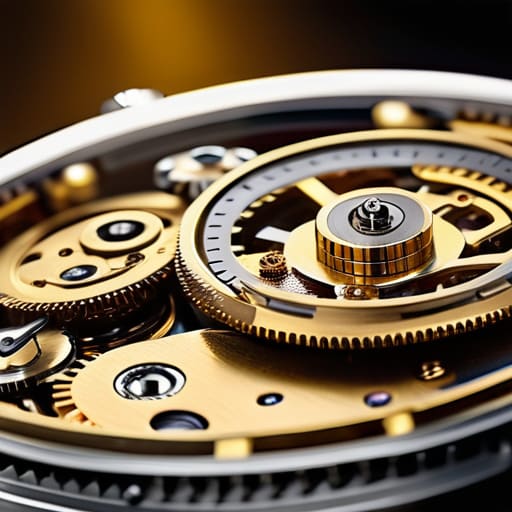
Stop paying for prestige: How watch movements differ in reality
Marketing departments love to sell you the “soul” of a machine, but let’s look at the actual math. When you’re comparing mechanical vs quartz accuracy, the winner isn’t even a contest. A quartz watch uses the precision of quartz crystals to keep time within seconds a month. Meanwhile, a mechanical piece—even an expensive one—is essentially a tiny, temperamental engine that might drift several seconds every single day. If you need to know exactly when your train leaves at 8:02 AM, a mechanical watch is actually a liability, not a luxury.
The real divide comes down to how you live your life. If you go for an automatic, you’re committing to watch movement maintenance costs that most people ignore until it’s too late. You aren’t just buying a timepiece; you’re subscribing to a service plan of oils, gaskets, and tiny parts that need cleaning every few years. An automatic is a beautiful, complex piece of engineering, but don’t let a salesperson convince you it’s “better” just because it’s more complicated. It’s just more work.
The Precision of Quartz Crystals vs Mechanical Soul
Here is the truth most watch enthusiasts won’t tell you: there is a massive gap between what a watch does and how it feels. If we are talking strictly about the precision of quartz crystals, the math is unbeatable. A quartz movement uses a tiny battery to pulse electricity through a crystal, keeping time with a level of accuracy that makes a mechanical piece look like it’s having a mid-life crisis. For a Tuesday morning commute or a hectic shift, quartz is the reliable workhorse that won’t leave you guessing.
But then you have the mechanical side, and this is where the “soul” argument actually has some legs. When you look at how automatic watches work, you’re looking at a tiny, complex ecosystem of gears and springs powered by your own movement. It’s not about being more accurate—it’s actually less accurate—it’s about the fact that it doesn’t need a battery to live. However, you have to factor in the watch movement maintenance costs here. A quartz watch is basically “set and forget,” while a mechanical piece is a living thing that eventually needs a service. If you want a tool, get quartz; if you want a tiny machine on your wrist, go mechanical.
Mechanical vs Quartz Accuracy Doing the Actual Math
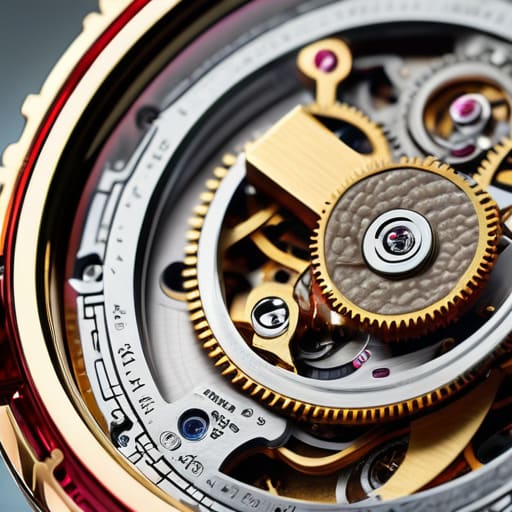
Look, if you’re buying a watch because you think a mechanical movement is going to magically keep you more punctual for your 9:00 AM meetings, I have some bad news. In the battle of mechanical vs quartz accuracy, quartz wins by a landslide every single time. A standard quartz movement, powered by the precision of quartz crystals, can drift by maybe fifteen seconds a month. A mechanical watch? It’s lucky if it stays within ten seconds a day. If your lifestyle requires you to actually arrive on time, a mechanical piece is essentially a high-maintenance hobby, not a reliable tool.
But here is where the math actually matters for your bank account: the long game. A quartz watch is cheap to buy and cheap to run, but once the circuit board dies, it’s a paperweight. On the flip side, while you have to account for watch movement maintenance costs—think service intervals every five years to clean out dried oils—a well-made mechanical piece can theoretically outlive you. You aren’t paying for accuracy; you’re paying for serviceability. You’re choosing between a disposable gadget and a machine that requires a regular check-up to keep ticking.
How Automatic Watches Work and Why They Eventually Fail
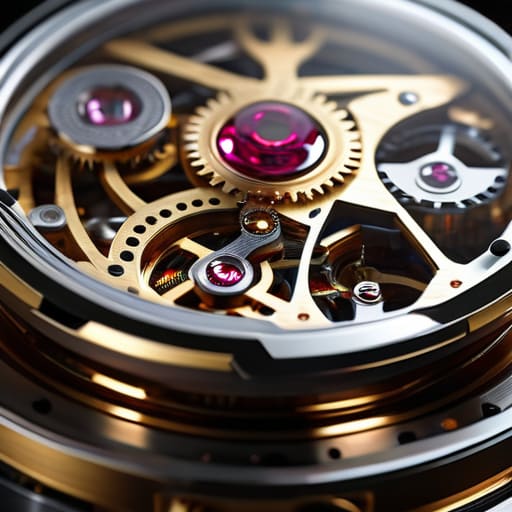
If you’re looking at an automatic watch, you’re essentially buying a tiny, wind-up engine that lives on your wrist. Unlike a quartz watch that relies on a battery, how automatic watches work is actually quite tactile: there is a weighted rotor inside that spins every time you move your arm, which in turn winds the mainspring. It feels romantic, right? It’s that “living” connection to the machine. But here is the reality check: that movement is a collection of hundreds of microscopic parts rubbing against each other, all governed by gravity and the literal friction of your daily life.
Because these parts are constantly in motion, they aren’t immortal. While the precision of quartz crystals is basically set-and-forget, an automatic movement is a high-maintenance relationship. Eventually, the lubricants dry up or the gears pick up microscopic debris, and that’s when you hit the reality of watch movement maintenance costs. If you don’t service it every five years or so, that “heirloom” piece becomes a very expensive, very still paperweight. It’s not a matter of if it needs a specialist, but when.
Watch Movement Maintenance Costs Avoiding the Luxury Trap
Here is the truth that the glossy brochures won’t tell you: owning a mechanical watch is less like buying an accessory and more like owning a very small, very temperamental car. When we talk about watch movement maintenance costs, we aren’t just talking about a quick battery swap. A quartz movement might cost you twenty quid every few years to keep running, but a mechanical piece requires a full service—cleaning, oiling, and checking the escapement—every five to seven years. If you skip that, the friction from old, dried-up lubricants will literally grind the metal components into dust.
I see people drop three months’ rent on a mechanical piece because they love the “craftsmanship,” only to realize they can’t actually afford to keep it alive. It’s the same logic I use with clothes: a cheap polyester blend is disposable, but a heavy wool coat is a commitment. If you don’t have the budget for the periodic professional servicing that high-end horology demands, stick to the precision of quartz crystals. It’s not “lesser”—it’s just smarter for your bank account.
The "Will It Last Until Next Tuesday?" Checklist
- Check the service interval before you tap your card. If you’re buying a mechanical movement that needs a $500 overhaul every three years just to keep time, that’s not an “heirloom,” it’s a subscription service you didn’t sign up for.
- Don’t mistake “automatic” for “indestructible.” An automatic movement relies on a rotor that’s constantly moving; if you’re someone who bangs their wrist against a desk or a doorframe, a high-end quartz movement is actually the more durable, logical choice.
- Look at the movement through the case back if you can. I can tell if a watch is built to be repaired or replaced just by looking at how much space is between the gears. If it looks like a crowded, cheap mess of stamped metal, you aren’t buying a machine, you’re buying a paperweight.
- Ignore the “precision” marketing on luxury mechanicals. A quartz watch will beat a $10,000 Swiss mechanical in a race every single time. Only buy the mechanical if you actually care about the physics of the gears, not because a salesperson told you it’s “more accurate.”
- Do the math on the “investment” claim. If a quartz watch costs $100 and stays accurate for five years, and a mechanical costs $2,000 and loses two minutes a day and needs a service every four years, the quartz wins the math test. Buy the mechanical for the soul, but don’t let anyone call it a “smart financial move.”
The real cost of a "soul"
Stop letting brands romanticize mechanical movements as having ‘soul’ just to justify a price tag that could pay your rent for three months. A movement doesn’t have a soul; it has friction, tiny parts that wear down, and a service bill that will eventually make you regret the purchase. If you want precision that actually works on a Tuesday, buy the quartz. If you want a beautiful piece of engineering that you’re willing to pay a mechanic to baby every few years, buy the automatic. Just don’t call it an ‘investment’ unless you’ve actually done the math on the maintenance.
Neve Okonkwo-Barr
The Bottom Line
At the end of the day, choosing between a quartz movement and a mechanical one isn’t a moral decision; it’s a math problem. If you need a piece that tells the exact time every single morning without you thinking about it, buy the quartz. If you want a tiny, complex machine that you can actually feel on your wrist, go mechanical—but only if you have the budget set aside for the inevitable service appointment. Don’t let a brand’s “heritage” story trick you into ignoring the reality of maintenance costs and mechanical fatigue. Whether it’s the steady pulse of a crystal or the rhythmic swing of a balance wheel, the best movement is simply the one that actually stays on your wrist instead of sitting in a velvet box because it’s too expensive to keep running.
Stop looking for the “perfect” watch in a glossy magazine and start looking for the one that fits your actual life. You don’t need a $10,000 heirloom to prove you appreciate craftsmanship, and you certainly don’t need to apologize for wearing a reliable quartz piece that just works. Style isn’t about how much you spent on the gears inside the case; it’s about the confidence of knowing your gear is functional, honest, and suited to your Tuesday. Buy for the utility, pay for the repairability, and ignore the marketing noise.
Frequently Asked Questions
If I go with a mechanical watch, how much should I actually budget for a service every few years so it doesn't just become a paperweight?
Look, don’t let a boutique tell you a service is “optional” if you want to keep the heirloom status. If you’re buying a mechanical piece, budget at least $200 to $500 every five years. If it’s a high-end Swiss movement, that number climbs fast. Think of it like a car service: skip the oil change, and the whole thing seizes. It’s better to pay for a professional cleaning now than a total overhaul later.
Is there a middle ground, or am I forced to choose between a "disposable" quartz and a high-maintenance automatic?
There is absolutely a middle ground, but you won’t find it in a glossy magazine. Look for “Solar Quartz”—think Citizen Eco-Drive. You get the “set it and forget it” reliability of a quartz movement, but without the cheap, disposable battery that dies every two years. It’s the smart math choice: zero maintenance, incredible accuracy, and it won’t end up in a landfill because you forgot to swap a cell. It’s basically the “gooddenim” of watches.
Can a cheaper movement actually be more reliable for daily wear than one of those expensive, complicated mechanical ones?
Honestly? Yes. If you want a watch that actually tells the time every single morning without you thinking about it, a basic quartz movement wins. A high-end mechanical movement is a tiny, beautiful, temperamental engine that hates temperature changes and gravity. It’s a masterpiece, but it’s also high-maintenance. For daily wear, a $50 quartz movement is objectively more reliable than a $5,000 mechanical one that needs a service every few years.
