Stop letting luxury marketing convince you that a watch is a “statement piece” or a shortcut to looking like you have your life together. Most of that high-end hype is just a way to charge you three months’ rent for a brand name that doesn’t actually care about your wrist. If you’re trying to figure out how to choose a watch, stop looking at the prestige and start looking at the lug-to-lug distance. I’ve spent years pinning hems and adjusting shoulder seams; I know that if a piece of hardware doesn’t sit flush against your skin and respect your proportions, it’s not an accessory—it’s just a heavy, expensive distraction that makes your arm look awkward.
I’m not here to sell you on “investment pieces” that lose half their value the moment you walk out the door. Instead, I’m going to give you the actual math on what makes a timepiece work for a Tuesday morning or a Saturday night. We are going to talk about strap durability, case diameters that won’t snag on your sweater, and why the weight of the metal matters more than the logo on the dial.
Understanding How to Choose a Watch
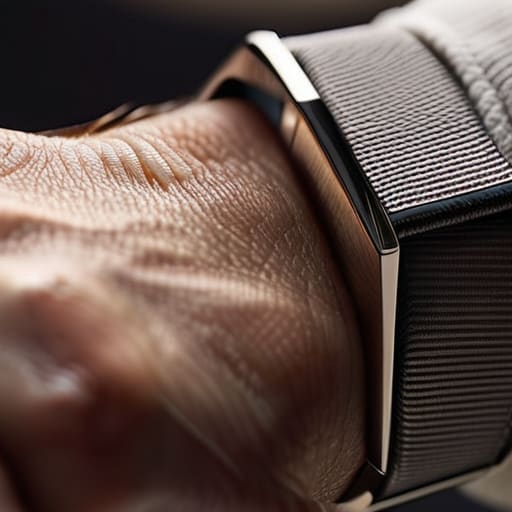
First, stop looking at the brand name on the dial and start looking at your own wrist. I see people all the time buying these massive, heavy pieces because they saw them on an influencer, only to have the lugs overhang their arm like a structural error. You need to figure out your wrist size watch diameter before you even step foot in a shop. If you have a smaller frame, a 42mm hunk of steel is going to wear you, not the other way around. It’s about proportions and how the case sits flush against your skin, much like how a well-tailored shoulder seam should sit right at the bone.
Then, you have to decide what kind of relationship you want with the machine. Do you want something that just works every time you pick it up, or do you want the soul of a ticking engine? Choosing between mechanical vs quartz movement isn’t just a technicality; it’s about how much maintenance you’re willing to do. A quartz watch is practical and low-maintenance, whereas a mechanical piece requires you to care for it. One is a tool, the other is a hobby. Decide which one fits your actual life, not your fantasy one.
Key Things to Know

First, let’s talk about the actual anatomy of the thing, because a watch isn’t just a piece of jewelry; it’s a machine that sits on your pulse. You need to decide between mechanical vs quartz movement based on how much you actually want to interact with your gear. If you want a piece of engineering that feels alive—even if it means winding it or worrying about power reserves—go mechanical. If you want to grab it and go without a second thought, quartz is your best friend. Don’t let anyone sell you on the “soul” of a movement if you’re just someone who loses things in the couch cushions.
Then there is the physical reality of your arm. I see people buying massive, heavy-duty divers that look like they’re trying to anchor a boat, only to have them slide down their wrist every ten minutes. You have to match the wrist size watch diameter to your actual bone structure. A 42mm case might look great on a marketing model, but on a smaller wrist, it’s just going to look like you’re wearing a gadget from a sci-fi movie. It’s about proportions, not bravado.
Practical Tips and Steps
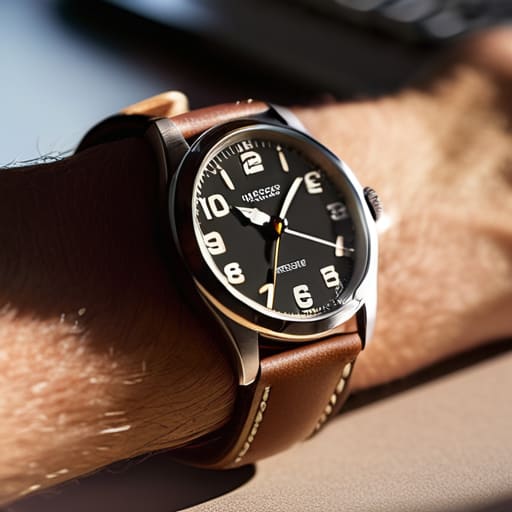
First, stop looking at the brand name on the dial and look at your own wrist. If you have a smaller frame, a 44mm chunky diver is going to look like you’re wearing a piece of heavy machinery rather than an accessory. You need to find a wrist size watch diameter that actually sits within the bounds of your arm; ideally, the lugs shouldn’t overhang your wrist bone. If the watch is constantly sliding down or hitting your desk every time you type, it’s not a “statement,” it’s just poorly scaled.
Next, let’s talk about what’s actually happening inside the casing. People love to use the term “investment” to justify a massive price tag, but I want you to look at the movement. Deciding between mechanical vs quartz movement isn’t just about prestige; it’s about maintenance. A quartz watch is reliable and low-maintenance for a busy Wednesday, whereas a mechanical piece requires you to actually care for it. If you aren’t prepared to wind it or service it, don’t let a salesperson convince you that a high-maintenance movement is a better value.
Common Mistakes to Avoid
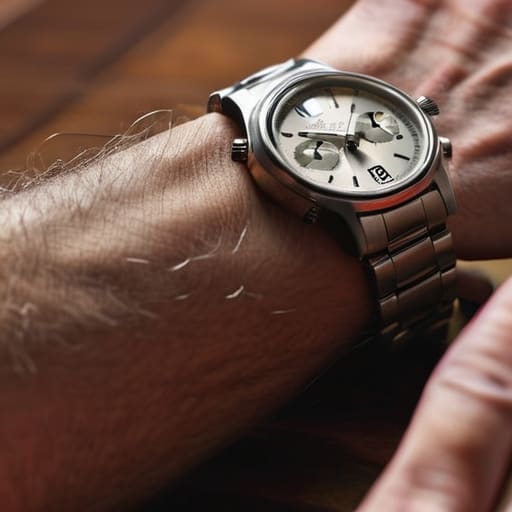
The biggest mistake I see is people treating a watch like a status symbol rather than a piece of hardware. They see a massive, shiny face and think it looks “expensive,” but they haven’t actually measured their own arm. If the lugs are hanging off the edge of your wrist, it doesn’t look powerful; it looks like you’re wearing your dad’s heirloom. You need to pay attention to wrist size watch diameter ratios. A 42mm chunk of steel might look great on a marketing model, but on a smaller wrist, it’s just going to snag on every sleeve you own and feel like a heavy weight you’re trying to hide.
Another trap is getting blinded by the “luxury” label without looking at the actual build. People will drop a month’s rent on something because of the brand name, ignoring the fact that the water resistance ratings are practically non-existent or the movement is finicky. Don’t get caught up in the hype of a luxury watch investment if you don’t even understand the difference between a reliable quartz and a temperamental mechanical movement. Buy for the way it sits on your skin and how it handles your actual life, not for the logo.
Final Thoughts
Look, at the end of the day, a watch shouldn’t be a math problem you’re trying to solve to impress people who aren’t even looking at your wrist. If you’ve spent more time worrying about whether you need a mechanical vs quartz movement than whether the thing actually feels comfortable when you’re typing or driving, you’ve missed the point. I’ve spent enough time at a sewing machine to know that if the proportions are off, no amount of brand prestige will save the look.
Stop chasing the “luxury watch investment” hype that social media feeds you. Most of those pieces are just overpriced metal that sits heavy and awkward on your arm. Instead, focus on the physical reality of the piece: does the diameter suit your frame, and can you actually live with the strap? Whether you choose leather vs metal watch bands, make sure it’s something that survives your actual life, not just a curated photo. Buy something that works on a Wednesday, not just something that looks good in a shop window.
The Math of the Wrist: 5 Rules for Not Buying a Timepiece That Wears You
- Stop obsessing over the brand name and start measuring your wrist circumference. If the lug-to-lug distance (the total length from one top corner to the other) exceeds the width of your wrist, the watch will look like a piece of equipment strapped to a child. It’s not “oversized”; it’s just poorly scaled to your anatomy.
- Check the strap attachment point before you tap your card. A cheap, flimsy spring bar is a disaster waiting to happen, and if the leather is so stiff it won’t contour to your wrist, you’ll end up with a gap that makes the whole thing look like it’s floating. A good leather strap should feel like a second skin, not a piece of cardboard.
- Ignore the “water resistant” marketing fluff and look at the actual specs. If you’re paying more than the price of a decent dinner, “splash resistant” isn’t enough. You want to know if the gaskets are actually rated for more than a rainy walk to the tube, because a seal failure is a repair bill that will make your “bargain” look very expensive, very quickly.
- Weight is a silent dealbreaker. A heavy, chunky steel watch might feel “premium” in the store, but try wearing it for a ten-hour shift or a long commute. If the weight causes it to slide down your arm every time you move, you’ll spend the whole day adjusting it, which is the antithesis of good style.
- Evaluate the clasp like you would a hemline: it has to be functional and secure. If the buckle is finicky or the deployment clasp feels hollow and tinny, it’s going to fail. A watch is only as good as its ability to stay exactly where you put it without you having to think about it.
The math of the wrist
Stop looking at the brand name on the dial and start looking at the lug width and the case diameter; a ‘luxury’ watch is just a heavy piece of metal that makes you look like you’re wearing a handcuff if it doesn’t actually respect the proportions of your wrist.
Neve Okonkwo-Barr
The Bottom Line
Look, at the end of the day, a watch isn’t a trophy or a piece of marketing fluff; it’s a tool that happens to live on your wrist. If you’ve listened to anything I’ve said, you know it comes down to the math: does the case diameter actually respect your wrist size, and does the strap material survive your actual life? Don’t get caught up in the “prestige” of a brand if the lugs are hanging off your arm like an afterthought. Whether you’re looking at a vintage piece with a beautiful patina or a modern quartz, the goal is to find something where the proportions feel intentional and the build quality justifies the spend. If it doesn’t sit flush and feel like it belongs to you, it’s just expensive clutter.
My final piece of advice is to stop trying to dress for the person you think you should be and start dressing for the person you are on a rainy Tuesday. You don’t need a collection of “statement pieces” that sit in a drawer because they’re too precious to actually wear. You need a piece that works, that fits, and that makes you feel prepared. Style isn’t about how much you can spend; it’s about the confidence of a perfect fit. Go find that one piece that makes sense for your life, and stop apologizing for not following the trends.
Frequently Asked Questions
If I find a vintage watch at a charity shop that’s a steal, is it actually worth the cost of getting the movement serviced and the strap replaced?
It’s only a steal if the math works. A vintage piece is a win if the casing is solid and the movement isn’t rusted shut. But here’s the reality: a proper service and a decent leather strap will easily cost you more than the watch itself. If you’re spending £40 on a watch and £150 on a watchmaker, you haven’t found a bargain; you’ve just bought an expensive hobby. Check the internals first.
Can a tailor or a jeweler actually fix a watch that's too big for my wrist, or am I stuck with a piece that looks like a borrowed prop?
If it’s a metal bracelet, yes—a jeweler can remove links in ten minutes, and it’ll look seamless. It’s not magic; it’s just math. But if it’s a leather strap that’s too long, don’t ask a tailor to trim it; you’ll ruin the stitching. Just buy a new strap. And if the actual watch face is massive for your wrist? Sorry, that’s a structural problem. No amount of resizing can fix a diameter that swallows your arm whole.
Is there a point where a "cheap" watch becomes more expensive in the long run because the materials—like plating or cheap leather—won't actually survive a year of daily wear?
Absolutely. If you buy a twenty-pound watch with “gold-tone” plating, you aren’t saving money; you’re just renting a look that will flake off by next Tuesday. Once that thin coating wears down to the base metal, it looks cheap, not vintage. The same goes for bonded leather straps—they peel like a bad sunburn. I’d rather you spend a bit more on a stainless steel case and a solid leather strap that can actually be replaced.
