I once spent three weeks in a basement studio pinning hems for a bridal boutique, and if there is one thing those silk-wrapped, high-end designers won’t tell you, it’s that a massive price tag doesn’t guarantee a decent weave. I’ve watched people drop two hundred pounds on a “luxury” white tee only to have it look like a crumpled paper bag after a single wash because the fibers were too short and cheap to hold their shape. The industry loves to use buzzwords to distract you, but understanding how cotton quality varies isn’t about learning fancy French terms; it’s about realizing that most “premium” labels are just clever marketing hiding a structural disaster.
I’m not here to sell you on a lifestyle or tell you that you need a whole new wardrobe to look polished. Instead, I’m going to show you the actual math of durability by looking at thread counts, staple lengths, and how a fabric behaves under a sewing machine. We are going to strip away the hype and talk about what actually survives a year of real life, so you can stop wasting money on clothes that fall apart before your first payday.
Stop Paying for Marketing How Cotton Quality Varies in Reality
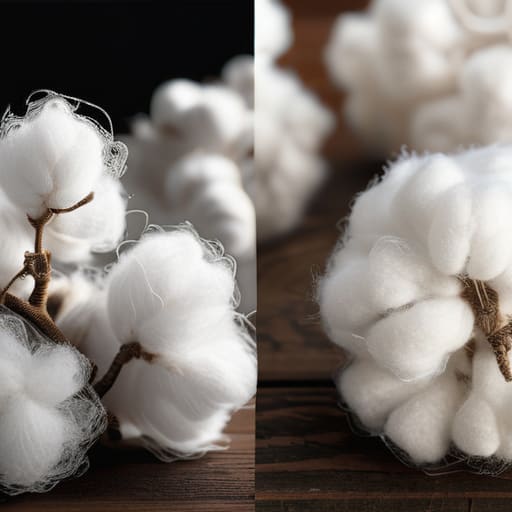
Stop Paying for Marketing: How Cotton Quality Varies in Reality
The marketing departments want you to think a “100% Organic” label is a guarantee of longevity, but they’re lying. They use those buzzwords to distract you from the actual physics of the fabric. The real difference between a shirt that looks crisp for two years and one that turns into a sad, pill-covered rag after three washes comes down to long staple vs short staple cotton.
When a brand uses short staple fibers, they’re essentially using the “scraps” of the cotton plant. These tiny, uneven fibers have less cotton fiber strength, meaning they fray and snap easily during the wash cycle. To hide this, manufacturers often twist the yarn tighter or coat it in cheap finishes, which feels okay in the store but ruins the fabric softness and breathability once it hits your skin. If you’re looking at a garment, don’t just check the brand name; look at how the light hits the weave. If it looks fuzzy or uneven before you even try it on, those short fibers are already giving up the ghost.
The Math of Long Staple vs Short Staple Cotton
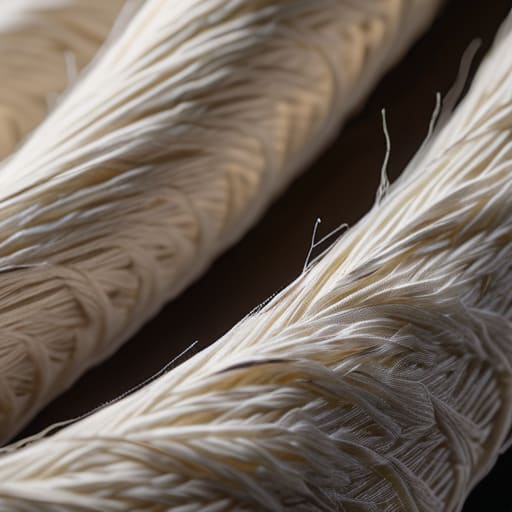
Here is the math you need to understand: it all comes down to the length of the actual hair-like strands inside the fiber. In the industry, we talk about long staple vs short staple cotton, but what that actually means for your wallet is the difference between a shirt that lasts five years and one that looks like a rag after five washes. Long staple fibers are longer, smoother, and can be spun into a much tighter, stronger thread. Because there are fewer “ends” poking out of the yarn, the fabric stays smooth. Short staple cotton, which is what most fast-fashion brands use to pad their margins, has thousands of tiny fiber ends sticking up. This is why your “cheap” tee starts pilling almost immediately—those little balls of fuzz are just the short fibers breaking off.
When you look at the cotton fiber strength, you’re looking at how much tension that fabric can take before it loses its shape. A high-quality long-staple weave holds its structure through the laundry, whereas short-staple weaves tend to warp and thin out. If you’re looking at a label and it just says “100% Cotton” without mentioning Pima, Supima, or Egyptian, assume they’ve gone for the short stuff. It’s a calculated risk every time you buy it.
Why Cotton Fiber Strength Determines Your Wardrobes Lifespan
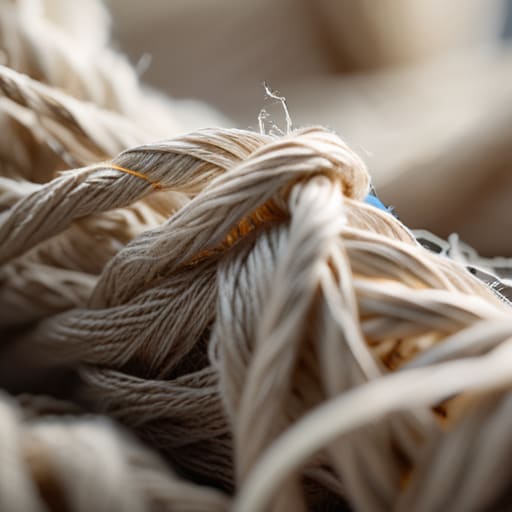
Here is the reality of what happens when you pull that favorite T-shirt over your head for the hundredth time: it starts to look tired. That’s not just because of age; it’s because of cotton fiber strength. When you buy the cheap stuff, you’re essentially buying a collection of tiny, brittle fragments. During the spinning process, those short fibers poke out of the yarn, creating that annoying fuzziness we call pilling. Once those little ends snap, the whole structure of the fabric starts to unravel.
I see this constantly in my studio. Someone brings in a “luxury” cotton shirt that’s lost its shape, and it’s almost always because the manufacturer used low-grade scraps to save a few cents. They might talk a big game about fabric softness and breathability, but if the fiber strength is bottom-of-the-barrel, that softness is just a temporary illusion that disappears after the first hot wash. A garment that can’t hold its own tension isn’t a wardrobe staple; it’s just a future rag.
Decoding Micronaire Value and Natural Fiber Grading Standards
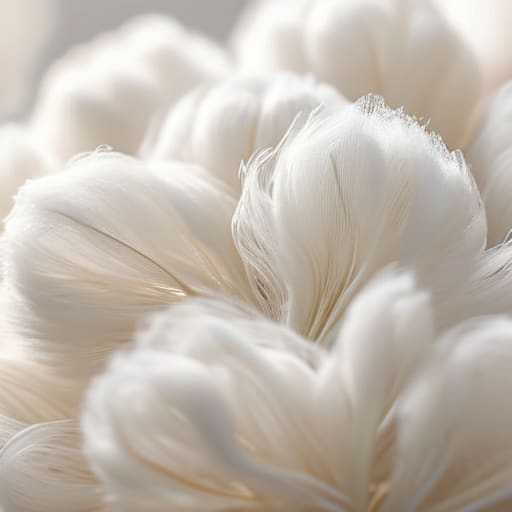
Look, I know “micronaire value” sounds like something you’d find in a chemistry textbook rather than a wardrobe, but if you want to know why one t-shirt feels like a cloud and the other feels like sandpaper, this is where the secret lies. In the world of natural fiber grading standards, micronaire is essentially a measure of how fine or coarse the cotton fiber is. It isn’t just a random number; it’s a direct indicator of how that fabric will behave against your skin.
If the micronaire is too high, the fibers are thick and scratchy—the kind of shirt that loses its shape and makes you want to peel it off by noon. If it’s too low, the fibers are too fine and weak, meaning they’ll likely pill or develop holes after a few months of real-world wear. I always tell my clients to look for that sweet spot where the fiber is fine enough for superior fabric softness and breathability, but substantial enough to actually hold its structure. You aren’t just buying a color or a brand; you’re buying the physical integrity of the thread itself.
How Textile Manufacturing Processes Ruin Fabric Softness and Breathability
You can find a shirt with a perfect cotton micronaire value and decent fiber length, but if the factory treats it like trash, it’s going to feel like wearing a sheet of sandpaper. A lot of brands try to cut corners during the finishing stage to make a garment look “expensive” on a hanger. They use heavy chemical coatings or aggressive resin treatments to give the fabric a stiff, polished sheen that mimics luxury. The problem is that these chemicals clog the gaps between the fibers, effectively killing the fabric softness and breathability before you even get it home.
Once you wash that “premium” shirt a few times, those coatings break down unevenly, leaving you with a garment that is simultaneously scratchy and limp. It’s a classic trick of modern textile manufacturing processes: they prioritize the immediate visual impact over how the fabric actually behaves against your skin. I’ve seen plenty of high-street pieces that look crisp in the shop but turn into a shapeless, sweaty mess by week three because the weave was suffocated by cheap finishes.
5 Ways to Spot a Quality Cotton Garment Before You Hit the Till
- Do the “Scrunched Fist” test. Grab a handful of the fabric and squeeze it hard for five seconds. If it bounces back with minimal, soft wrinkles, the fibers are long and resilient. If it looks like a crumpled paper bag the moment you let go, those are short, cheap staples that will lose their shape by next Tuesday.
- Check the weight against the weave. A heavy, thick cotton that feels “crunchy” or stiff usually means it’s been heavily treated with chemical starches to hide a low thread count. You want a fabric that feels substantial but has a natural, fluid drape—not something that feels like it’s wearing you.
- Look at the seams, not just the label. Even the best cotton can’t save a garment with wonky, tension-strained stitching. If the seams are puckering or the thread looks like it’s fighting the fabric, the manufacturer cut corners on the construction, which means the fabric will likely warp and twist after the first wash.
- Turn the garment inside out to inspect the “hand.” High-quality cotton should feel consistent on both sides. If the interior feels scratchy, uneven, or significantly thinner than the exterior, it’s a sign of a low-grade weave that’s been “finished” to look pretty on the rack but will pill and fray within months.
- Ignore the “100% Cotton” tag and look for the weave type. “Cotton” is a broad term. A lightweight poplin is great for a summer shirt, but if you’re buying a heavy-duty trouser, you should be looking for a twill or a denim weave. If the weave is too loose for the garment’s purpose, it’s going to sag and lose its structural integrity immediately.
## The Truth About the Price Tag
“Marketing teams will try to sell you ‘luxury’ using words that mean absolutely nothing, but I don’t care about the adjectives on the tag—I care about the fiber length. If you’re buying a shirt made from short-staple cotton just because it’s in a pretty box, you aren’t buying an investment; you’re buying a future rag that’s going to lose its shape before your first paycheck clears.”
Neve Okonkwo-Barr
The Bottom Line on Your Next Buy
Look, we’ve covered a lot of ground, from the microscopic length of the fibers to the way industrial processing can strip a fabric of its soul. If you remember nothing else, remember this: a high price tag is not a proxy for quality, and a “soft touch” in the dressing room is often just a chemical coating that will wash off by next Tuesday. You need to look past the marketing fluff and start looking at the structural integrity of the weave. Whether it’s the staple length that prevents pilling or the micronaire value that ensures breathability, the math of a good garment is written in the fibers, not the branding. Stop buying into the hype and start investing in the actual physics of the fabric.
At the end of the day, building a wardrobe that actually lasts isn’t about having a massive budget; it’s about having a sharper eye. It’s about realizing that a well-made, mid-range cotton shirt with a decent seam allowance is worth ten “luxury” pieces that lose their shape after one spin in the wash. You don’t need a designer’s permission to look put-together, and you certainly don’t need to overspend to find clothes that survive a Wednesday. Focus on the substance over the label, buy things that can actually be repaired or altered, and stop letting the industry convince you that style is something you can simply buy your way into.
Frequently Asked Questions
If I’m at a charity shop and can't see the tag, are there any physical tells—like the way the light hits it or how it feels between my fingers—that can help me spot high-quality long-staple cotton?
Give it a squeeze. High-quality long-staple cotton has a certain “bounce”—it feels substantial and snaps back when you bunch it in your fist. If it feels limp or stays crumpled like a discarded receipt, the fibers are short and cheap. Also, look at the sheen. Hold it up to the light; good cotton has a subtle, natural luster. If it looks fuzzy or “hairy” under the light, those are short fibers breaking, and it’ll pill by Tuesday.
Is it actually worth paying the extra £20 for "organic" cotton, or is that just more marketing fluff that doesn't actually change the fiber strength or how long the shirt lasts?
Look, if that extra £20 is paying for a “sustainable” label but the weave is still a flimsy, short-staple mess, you’re just subsidizing a marketing budget. Organic doesn’t automatically mean stronger fibers; it just means how the plant was grown. Don’t buy it for the eco-badge alone—buy it if the fabric weight and staple length justify the cost. If it feels thin and scratchy in the hand, it’s just expensive fluff.
If I’ve already bought a bunch of cheap, short-staple cotton basics, is there any way to wash or care for them to stop them from pilling and turning into paper bags immediately?
Look, I’m not going to lie to you: you can’t fix bad fibers, but you can slow the decay. Stop using high heat; it’s basically cooking the short fibers until they snap. Wash them inside out in cold water on a delicate cycle to reduce friction—friction is what causes that annoying pilling. Use a liquid detergent, not powder, and skip the dryer entirely. Air-dry them flat so they don’t lose their shape.
