I spent two years in a cramped basement studio, surrounded by the hum of industrial machines and the scent of steam, pinning hems for brides who were more stressed about the guest list than the silhouette. It taught me one thing: the fashion industry is lying to you. They want you to believe that if a pair of trousers doesn’t look like a second skin right off the rack, you’ve failed—or worse, that you need to spend another hundred pounds on a “better” size. They hide the truth about how much alterations cost because if you knew that a simple waist nip or a hem adjustment is often the cheapest way to look expensive, you’d stop feeding the fast-fashion machine.
I’m not here to give you a vague, polished guide that ignores the reality of a tight budget. Instead, I’m giving you the actual maths. I will walk you through what you should realistically expect to pay for everything from a basic hem to a complex bodice reconstruction, and more importantly, I’ll tell you when a garment is actually worth the extra stitch. We are going to focus on making clothes work for your body, not the other way around.
Understanding How Much Alterations Cost
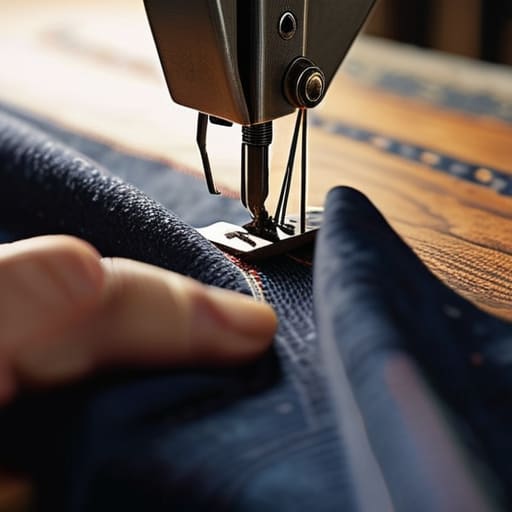
Look, I can’t give you a single, magical number because every shop operates differently, but I can give you the reality of how these numbers actually move. When you ask for dress alteration estimates, you aren’t just paying for someone to sit at a machine; you’re paying for the years they spent learning how to not ruin a silk slip or a heavy wool blazer. A simple hem on a pair of straight-leg jeans might only set you back fifteen or twenty bucks, but if you’re asking for a complex taper on a pair of designer trousers, expect that price to climb.
The real trick is knowing that professional tailoring rates fluctuate based on the “surgery” required. Taking in a side seam is one thing, but reconstructing the shoulders of a structured coat is a different beast entirely. Most shops won’t hand you a formal tailor service price list the second you walk in because they need to see the fabric first. A heavy denim requires a different needle and more time than a lightweight linen, and that extra labor is where the cost lives. Always ask for the quote before they touch the fabric—it’s better to walk away than to find out a repair costs more than the garment itself.
Key Things to Know
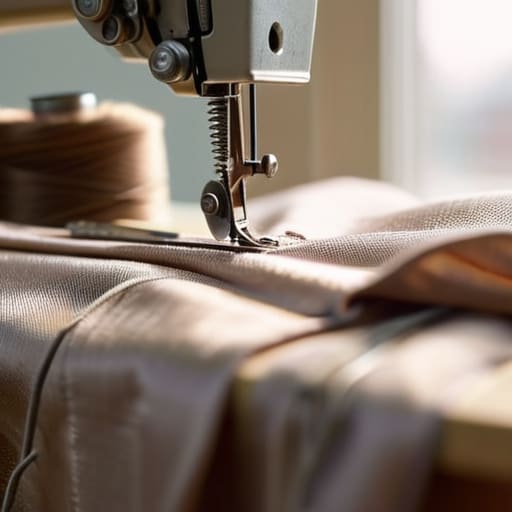
Before you head to the shop, you need to understand that there isn’t a universal tailor service price list that works for everyone. I’ve seen a local dry cleaner charge ten dollars for a hem, while a high-end studio in the city will charge triple that for the exact same stitch. The difference usually comes down to the machine they’re using and the person behind it. If you’re just looking for an average cost of hem and taper on a pair of straight-leg jeans, you’re looking at a relatively low-stakes fix. But if you bring me a silk slip dress with a broken side seam, you aren’t just paying for thread; you’re paying for the time it takes to handle delicate fabric without puckering it.
You also have to account for the “complexity tax.” A simple sleeve shortening is one thing, but resizing a structured blazer requires deconstructing the shoulder—and that is where professional tailoring rates start to climb. Always ask for dress alteration estimates upfront rather than being surprised at the register. If a shop won’t give you a ballpark figure after looking at the garment, walk away. You deserve to know the math before you commit.
Practical Tips and Steps
First, stop walking into a shop expecting a menu like a cafe. Most places don’t have a formal tailor service price list taped to the window because every body is a different math problem. Instead of guessing, bring the garment in with the shoes and undergarments you actually plan to wear with it. If you show up to get a skirt hemmed in flip-flops but plan to wear it with three-inch heels, you’re going to end up with a trip back to the studio that costs you double.
When you’re getting your dress alteration estimates, don’t just ask for the total; ask about the construction. Ask if they are taking up the side seams or just nipping the waist, because that changes the labor significantly. I always tell my clients to look for the integrity of the stitch. If a shop quotes you a suspiciously low price for a complex repair, they’re likely skipping the pressing or using a cheap thread that will snap in three months. It is always better to pay an extra tenner now for a seam that actually holds than to pay for a total replacement by next season.
Common Mistakes to Avoid
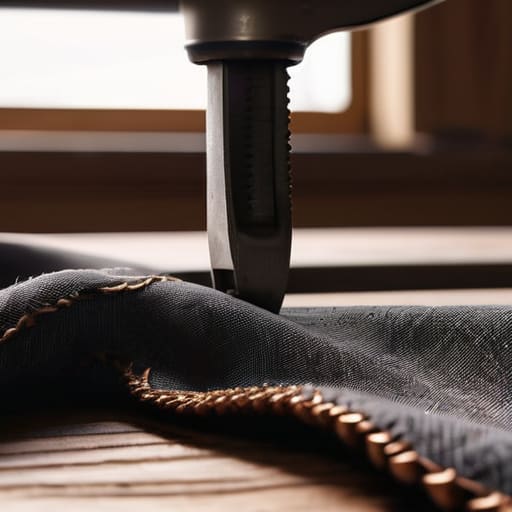
The biggest mistake I see? People treating a tailor like a magic wand that can fix a structural disaster. I’ve had people bring me a polyester blend blazer with a shattered shoulder seam and act shocked when the professional tailoring rates don’t include a total reconstruction. If the fabric is too thin or the pattern is cut in a way that ignores human anatomy, no amount of stitching will save it. You can’t “alter” your way out of a badly manufactured garment; you’re just paying to move the problem two inches to the left.
Another trap is the “I’ll just do it myself” mentality with anything more complex than a simple button. I know a $5 sewing kit feels like a win, but if you mess up the tension on a heavy denim hem, you’ve just turned a decent pair of jeans into expensive rags. Always ask for dress alteration estimates before you commit. It is much better to know the average cost of a hem and taper upfront than to realize halfway through that you’ve spent more on thread and mistakes than you would have on a professional service.
Final Thoughts
At the end of the day, stop looking at your clothes as finished products and start seeing them as raw material. A garment isn’t “wrong” just because the waist gapes or the sleeves swallow your hands; it’s just unfinished. When you stop scrolling through endless shopping feeds and start looking at professional tailoring rates, you realize that the real power in your wardrobe isn’t in your credit limit, but in your ability to adapt what you already own.
I know it feels daunting to walk into a shop and ask for a quote, but don’t let the fear of a price tag keep you wearing clothes that make you feel awkward. Most of the time, getting a dress alteration estimate or checking a simple tailor service price list is the most cost-effective way to make a twenty-dollar thrift find look like a thousand-dollar custom piece.
Don’t let the industry gaslight you into thinking you need a new size every time your body shifts. Buy for the fabric and the bones of the piece, then let a machine do the rest. It’s much cheaper than a shopping addiction.
5 Ways to Stop Overpaying for Your Wardrobe Fixes
- Stop treating every hem like a surgical procedure. A simple straight hem on a cotton skirt is basic work; if a tailor quotes you forty bucks for it, they’re either charging for a brand name or they’re trying to fleece you. Always ask if it’s a “basic” or “complex” job before they touch the fabric.
- Check the seam allowance before you fall in love. If you find a vintage blazer at a charity shop for tenner but the seam allowance is non-existent, you can’t let it out. You’ll end up spending more on a specialist reconstruction than the jacket was worth. Do the math on the “savings” before you head to the register.
- Learn the difference between a “tweak” and a “rebuild.” Taking in a waist is a standard fix, but shortening sleeves on a jacket with functional buttonholes (surgeon’s cuffs) is a nightmare that will double your cost. If you can’t afford the extra labor, don’t buy the jacket with the fancy cuffs.
- Bring the shoes you actually intend to wear. I see it every week: someone pays for a hem, walks out, and then realizes the trousers are dragging because they wore flats instead of the heels they planned on. That’s a second trip and a second fee you didn’t need to pay.
- Budget for the “hidden” costs of fancy fabrics. Silk, heavy wool, and delicate lace require different needles and much more patience. If you’re bringing in a slip dress, expect to pay a premium compared to a pair of denim jeans. It’s not a scam; it’s the cost of not ruining your clothes.
The Real Math of Style
Stop looking at the price tag on the hanger and start looking at the cost of the seam. A fifty-dollar skirt that fits like a glove because you spent twenty on a waist nip is a much better deal than a two-hundred-dollar designer piece that sits awkwardly on your hips because you were too afraid to visit a tailor.
Neve Okonkwo-Barr
The Bottom Line
Look, at the end of the day, knowing how much alterations cost isn’t about being stingy; it’s about being smart with your money. We’ve covered the math: a simple hem or a tapered waist might cost you the price of a decent lunch, while something structural like adjusting a shoulder is going to demand a bigger slice of your budget. Remember that the price tag on the garment is only half the story. If you find a gorgeous vintage blazer for ten quid but it needs a full deconstruction to fit your frame, that hidden cost is what actually determines the value. Always factor in the machine work before you tap your card at the till, because true style lives in the details, not the brand name.
Stop letting “off-the-rack” dictate how you feel when you walk out the door. The fashion industry is designed to make clothes fit a generic mannequin, not a human being with actual shoulders and a life to live. You don’t need a massive wardrobe; you just need the pieces you already own to actually work for you on a Tuesday morning when you’re running late. Once you stop viewing a tailor as a luxury and start seeing them as your secret weapon, the way you dress changes forever. Build a wardrobe that fits your body, not the other way around, and I promise you’ll never feel like you have nothing to wear again.
Frequently Asked Questions
Is it actually worth paying to fix a cheap high-street find, or should I just save my money for something better?
It depends entirely on the fabric and the seam allowance. If it’s a flimsy polyester blend that feels like a plastic bag, walk away—no amount of tailoring will make it drape like heaven. But if it’s a decent cotton or a heavy linen with enough room in the seams to actually work with, do it. A $15 hem on a $30 find can make you look like a million bucks; a $30 fix on a $10 rag is just throwing good money after bad.
How do I know if a tailor is overcharging me for a simple hem or a basic waist adjustment?
Look, don’t let a markup scare you, but don’t get fleeced either. For a basic trouser hem, if they’re asking more than $15–$25, they’re charging you for the “luxury” of their shop’s postcode, not the stitch. A waist adjustment is slightly more—think $25–$40—because they actually have to unpick and resew. If the quote feels like a mortgage payment for a ten-minute job, walk out. Ask for a breakdown; a pro won’t mind.
Are there certain fabrics, like heavy denim or delicate silk, that are going to make my alteration bill skyrocket?
Short answer: Yes. Fabric dictates the labor, and labor is what you’re paying for. Heavy denim or thick wool requires industrial needles and more hand-work to keep the seams from puckering, so expect a higher fee. On the flip side, delicate silk or lace is a nightmare because it’s slippery and prone to fraying; you’re paying for the tailor’s steady hand and extra time. If it’s fussy, the price goes up.
