I spent two years in a basement studio pinning hems for a bridal shop, and if there is one thing I learned, it’s that nothing ruins a beautiful silhouette faster than a sudden, dark bloom of moisture under the arms. Most people think the solution is to just buy more clothes—more layers, more “breathable” tech-wear, or more expensive silks to hide the shame—but that is a lie. If you are constantly searching for how to deal with sweat and deodorant marks, you don’t have a wardrobe problem; you have a fabric and chemistry problem. Marketing will try to sell you “stain-proof” shirts that cost a week’s worth of groceries, but they usually just fail more spectacularly when you actually need them.
I’m not here to sell you a miracle spray or a subscription to a luxury basics brand. Instead, I’m going to give you the actual maths of garment care. We are going to talk about which synthetic blends are essentially plastic bags for your skin, why your “natural” deodorant is actually eating your favorite linen, and how to spot a high-quality weave that can actually handle a wash cycle. I promise no fluff—just practical ways to stop your clothes from looking like a mess before you’ve even finished your morning coffee.
The High Cost of Bad Hygiene How to Deal With Sweat and Deodorant Marks
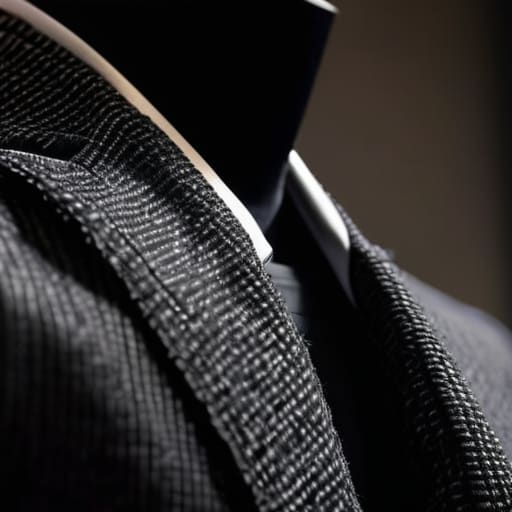
Let’s be real: nothing kills the vibe of a great outfit faster than a sudden, damp patch or those crusty white streaks on a black blazer. We talk about “investment pieces,” but you aren’t investing in anything if you’re constantly removing white deodorant streaks before you even leave the house. It’s not just about looking “unprofessional”—it’s about the slow, structural death of your clothes. When you ignore buildup, you aren’t just dealing with a cosmetic issue; you’re letting chemicals and salt eat into the fibers.
If you find yourself constantly removing yellow pit stains from your favorite cotton tees, stop looking for a magic laundry detergent and start looking at your chemistry. Most of the time, it’s a combination of aluminum in your antiperspirant reacting with your sweat and the fabric’s dye. It’s a chemical reaction, not a personal failure. If you want your clothes to actually last a decade instead of a season, you have to learn how to clean deodorant buildup before it hardens into a permanent crust that no amount of scrubbing will ever touch.
Stop Replacing Your Silks Smart Fabric Care for Sweat Stains
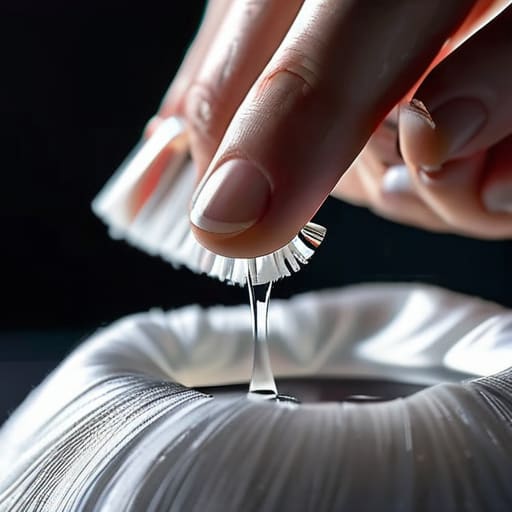
If you’ve ever felt that sinking feeling seeing a white crusty line on a black silk camisole, please stop reaching for the heavy-duty laundry bleach. Bleach is the enemy of delicate fibers; it doesn’t just clean, it eats the structural integrity of the fabric, leaving you with a garment that thins out and tears within weeks. When it comes to removing white deodorant streaks from something high-end, your best friend isn’t a chemical bomb, it’s a soft-bristled toothbrush and a tiny bit of pH-neutral soap. You want to gently lift the buildup rather than scrubbing the fibers into submission.
The real heartbreak, though, is when the damage moves from the surface to the actual weave. If you are struggling with fabric care for sweat stains on silk or fine synthetics, the goal is to neutralize the salts before they set. I always tell my clients: if you can feel a slight stiffness in the underarm area, the minerals have already bonded. Instead of a full wash, try a targeted spot treatment with a diluted, gentle detergent. It’s much cheaper to spend ten minutes on a spot clean than it is to replace a blouse that cost more than my weekly grocery bill.
The Chemistry of Clean Removing Yellow Pit Stains Without Ruining Fibers
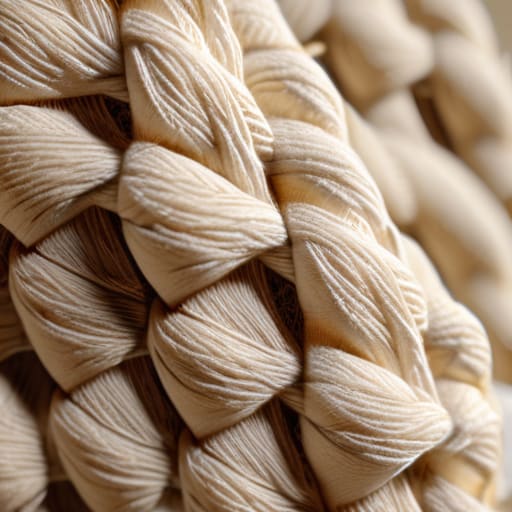
First, let’s get one thing straight: that crusty, yellow patch under your arm isn’t just “sweat.” It’s a chemical reaction between your body’s proteins and the aluminum in your deodorant. When those two meet, they create a buildup that acts like a glue, trapping dirt and dead skin cells deep inside the weave. If you’re trying removing yellow pit stains by just tossing the shirt in a hot wash, you’re actually making it worse. Heat sets those mineral deposits like concrete, turning a temporary stain into a permanent part of the garment’s history.
To actually fix it, you need to break down that mineral crust before you even think about the washing machine. I usually tell people to start with a paste of baking soda and a bit of water—it’s one of those natural ways to prevent underarm stains from becoming permanent. Scrub it into the fibers with an old toothbrush, let it sit for thirty minutes, and then use a dedicated enzyme cleaner. If you’re dealing with how to clean deodorant buildup on heavy cotton, don’t be afraid to be a bit aggressive with the scrubbing, but never use bleach on synthetics; you’ll just turn your white shirt a sickly, permanent shade of cream.
Beyond the Hype Finding the Best Antiperspirant for White Clothes
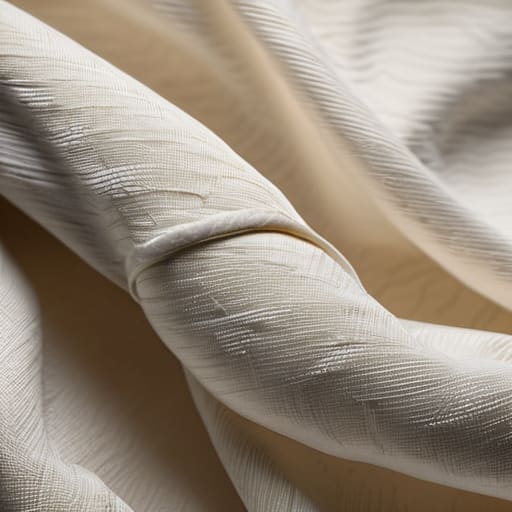
Look, most of the “clinical strength” labels on the drugstore aisle are marketing lies designed to make you feel like you need a medical intervention. If you’re constantly fighting a losing battle with removing yellow pit stains, the problem might not be how much you sweat, but the aluminum salts in your stick reacting with your skin chemistry. I’ve seen too many people ruin a perfectly good cotton poplin shirt because they applied a thick, waxy layer of antiperspirant and didn’t let it dry before pulling the shirt on. That’s how you end up with a crusty buildup that no amount of washing can touch.
If you want to find the best antiperspirant for white clothes, stop looking for the most aggressive formula and start looking at the consistency. Aim for clear gels or sprays; if you can see a thick white residue in the stick, you’re basically applying glue to your fibers. If you’re committed to the natural route, just be aware that “natural” often means “less effective at stopping moisture,” which can lead to more frequent washing and faster fiber degradation. It’s a trade-off: you either deal with the salt stains or the sweat stains. Pick your poison, but apply it to dry skin every single time.
The Maintenance Math Removing White Deodorant Streaks and Buildup
If you’ve ever pulled a crisp black tee out of the drawer only to find those chalky, white streaks across the pits, you know the frustration. It’s not actually “dirt”—it’s a buildup of dried product and dead skin cells that has essentially turned into a crust. Most people try to scrub it aggressively, but that’s a mistake; you’ll just fray the fibers or make the patch permanent. The trick to removing white deodorant streaks without destroying the garment is to use a damp microfiber cloth or even a dry sponge to gently lift the residue before you ever hit the washing machine.
If the marks are stubborn, stop thinking about heavy detergents and start thinking about oils. A tiny bit of cleansing oil or even a drop of dish soap can break down that waxy layer. This is a vital part of fabric care for sweat stains because if you don’t clear the buildup, the sweat has nothing to soak into, so it just sits on the surface and makes the garment feel stiff and gross. It’s much cheaper to spend five minutes with a sponge than it is to replace a perfectly good shirt because you tried to “scrub” the problem away.
The Survival Guide: 5 Ways to Stop Your Clothes from Losing the War
- Stop the “Dry Before You Dress” habit. I see people rushing out the door with damp pits all the time; that moisture is basically an invitation for the salts in your deodorant to bond permanently with the fibers. Wait for the product to actually set, or you’re just tattooing it into the fabric.
- Check your labels for “synthetic blends” before you sweat. Polyester and nylon are basically plastic, and they don’t breathe. They trap heat, which triggers more sweat, which creates more stains. If you’re having a high-stress week, reach for a high-percentage cotton or linen—it’s more expensive upfront, but it won’t turn yellow by Tuesday.
- Invest in undershirts, but do the maths first. A decent cotton undershirt costs about £10-£15, which is significantly cheaper than a professional dry cleaner trying to lift a set-in salt stain from a £120 silk blouse. Think of the undershirt as an insurance policy for your expensive stuff.
- The “Damp Cloth” trick for white streaks. If you see those annoying white deodorant marks on dark trousers, don’t reach for the brush and start scrubbing like a madwoman—you’ll just pill the fabric. Use a slightly damp microfiber cloth and a gentle buffing motion. It lifts the residue without destroying the pile of the fabric.
- Stop using “Heavy Duty” antiperspirants on your delicate pieces. If you’re wearing a vintage blazer or a fine knit, the aluminum salts in heavy-duty sticks are your worst enemy. Save the industrial-strength stuff for your gym gear and use a lighter, more breathable formula for your work wardrobe.
The Real Cost of a "Fresh" Shirt
Stop blaming your body for ruined clothes when the real culprit is usually a bad combination of cheap polyester and an overpriced antiperspirant that’s more wax than science. You don’t need a new wardrobe every time you have a stressful Tuesday; you need to understand which fabrics can actually breathe and which chemicals are currently eating your seam allowances.
Neve Okonkwo-Barr
The Bottom Line on Body and Fabric
Look, managing sweat and deodorant marks isn’t about buying a more expensive wardrobe; it’s about understanding the relationship between your skin and your seams. We’ve covered the ground: stop letting aluminum buildup turn your white cotton into a yellowed mess, learn to treat your silks with the respect they deserve, and for the love of everything, stop thinking a new shirt is the solution to a fabric chemistry problem. It’s about smart maintenance, not constant replacement. If you can master the art of the pre-wash soak and choose an antiperspirant that actually plays nice with your fibers, you’ve already saved yourself a fortune in “replacements” that would have ended up in a landfill within six months.
At the end of the day, your clothes are meant to live in, not just sit there looking pretty on a hanger. They are going to move with you, sweat with you, and endure the chaos of a real Wednesday. Don’t let a little salt or a white streak make you feel like you need to hide or start from scratch. Style isn’t about being pristine; it’s about being prepared. If you take care of the fabric, the fabric will take care of you, and you can get back to actually living your life instead of worrying about your armpits.
Frequently Asked Questions
If I’ve already turned a white cotton tee yellow, is it actually fixable, or am I just wasting money on cleaning products?
Look, I’ll give it to you straight: if it’s a deep, crusty yellow, you’re likely fighting a losing battle against oxidized protein. Most “miracle” sprays are just expensive scents. If you want to try one last time, skip the supermarket aisle and go for an enzyme-based cleaner or a soak in oxygen bleach—but don’t use chlorine bleach, it actually makes yellowing worse. If that doesn’t work, stop spending money. At that point, it’s a rag.
Is it worth paying a dry cleaner to handle heavy sweat stains, or is that just a way to charge me for something I can do in my sink?
Look, if it’s a fresh sweat stain on a cotton tee, do it in your sink with some dish soap and patience. Don’t waste the money. But if you’re talking about a structured silk blouse or a heavy wool blazer where the salt has actually bonded with the fibers? Take it to the pros. You’ll pay maybe £15–£20, but a DIY scrub on a delicate seam can ruin the drape forever. Know your fabric before you grab the sponge.
Can I actually wear high-quality natural fibers like linen or silk in the summer without them being ruined by my body chemistry?
You absolutely can, but you have to stop treating linen and silk like they’re precious museum pieces. They aren’t “fragile”; they’re just reactive. Natural fibers breathe, which is why you want them, but they also soak up everything. The trick isn’t avoiding them; it’s managing the moisture. Wear a lightweight cotton cami underneath to act as a sacrificial layer, and for heaven’s sake, don’t let a sweat stain sit for a week before washing.
