I spent two years hunched over a sewing machine in a basement studio, pinning hems for people who thought a “delicate cycle” was a magic wand. I’ve seen more heartbreak in a pile of pilled wool and stretched-out necklines than I have in most romantic comedies. Most people think they’re being careful, but they’re actually just paying a premium to watch their favorite pieces disintegrate. If you’re wondering how washing damages clothes, the truth is much more aggressive than the little icons on your care labels suggest. It isn’t just about the water; it’s the heat, the friction, and the way we treat our machines like industrial disposal units rather than tools for maintenance.
I’m not here to sell you a fancy, overpriced laundry basket or a subscription to a “sustainable” detergent brand. I’m here to give you the actual mechanics of why your $80 trousers suddenly look like they belong to a toddler after three months. I will show you which fabrics can actually handle a spin cycle, why your dryer is the absolute enemy of fit, and how to stop the slow death of your wardrobe without spending a fortune on specialized equipment.
Understanding How Washing Damages Clothes
Look, it isn’t just about the water; it’s the physics of the whole ordeal. When you toss a heavy denim jacket in with a load of lightweight cotton tees, you aren’t just cleaning them—you’re subjecting them to laundry machine mechanical stress that would make a structural engineer wince. Every time that drum spins, your clothes are being pulled, twisted, and slammed against the metal. This constant friction causes fabric fiber degradation, where those tiny, microscopic threads that hold the shape of your clothes literally snap and fray. Once those fibers go, that expensive blazer you thought was a “forever piece” starts looking fuzzy and tired, and no amount of steaming is going to bring that structural integrity back.
Then there’s the chemical side of the disaster. If you’re eyeballing your detergent like it’s a suggestion rather than a measurement, you’re begging for detergent residue buildup. It sits in the weave, making everything feel stiff and weirdly heavy, which eventually pulls at the seams. Between the heat and the chemicals, you aren’t just cleaning your clothes; you are slowly eroding the very thing you paid for.
Key Things to Know
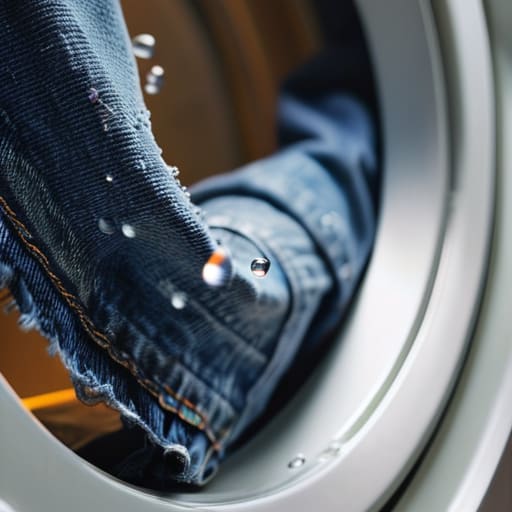
First, let’s talk about the physical violence happening inside your drum. Every time you toss a heavy denim jacket in with a load of lightweight tees, you’re subjecting those thinner fibers to massive laundry machine mechanical stress. It’s not just the agitation; it’s the weight of the wet fabric pulling at the seams. If you aren’t separating your loads by weight, you are essentially using your favorite knits as a glorified scrub brush for your jeans.
Then there is the chemical side of the disaster. Most people use way too much soap because they think “more suds equals more clean,” but you’re actually just creating detergent residue buildup that makes your clothes feel stiff and scratchy. This gunk traps dirt against the fibers, which accelerates fabric fiber degradation over time. You aren’t just cleaning your clothes; you’re slowly sanding them down from the inside out. If you want to actually stop the bleeding, start looking at your settings—less heat and less soap will do more for your wardrobe than any expensive “fabric refresher” spray ever could.
Practical Tips and Steps
First off, stop treating your washing machine like a combat zone. If you’re shoving a heavy denim jacket in with a load of thin cotton tees, you are asking for trouble. That laundry machine mechanical stress is exactly how you end up with twisted side seams and one sleeve that suddenly looks longer than the other. To keep things sane, wash your clothes in similar weights and always turn them inside out. It’s a thirty-second habit that is incredibly effective at preventing color fading and protecting the face of the fabric from those tiny, abrasive pills that make a nice knit look like it’s been lived in for a decade.
Secondly, let’s talk about the liquid in the drawer. More soap does not equal cleaner clothes; it just equals detergent residue buildup that makes your fibers stiff and heavy. Use exactly what the label says, or even slightly less. If you’re dealing with anything remotely fancy—silk, wool, or that “soft-touch” knit that’s actually just a blend of mystery fibers—use optimal wash cycle settings like a cold, gentle cycle. If the care label says hand wash, please, for the love of your wardrobe, actually hand wash it. It’s cheaper than replacing a ruined sweater.
Common Mistakes to Avoid
First off, stop treating your washing machine like a heavy-duty combat zone. One of the biggest mistakes I see is people just throwing everything—denim, silk, heavy knits—into one massive, overloaded drum. This creates insane laundry machine mechanical stress where your clothes are basically being pummeled against the metal. When you overstuff, the clothes can’t move, which means they don’t actually get clean, and you end up with a nasty layer of detergent residue buildup that makes even the softest cotton feel scratchy and stiff.
Another huge one? The “hot water everything” approach. I know it feels like it’s getting things “cleaner,” but you’re actually just accelerating fabric fiber degradation every single time. High heat is the fastest way to turn a decent mid-priced sweater into a shapeless rag that won’t sit right on your shoulders. If you want to actually succeed at preventing color fading, you have to stop being lazy with the dial. Use cold water, use the right amount of soap, and for the love of everything holy, stop ignoring the care labels. They aren’t suggestions; they’re the manual for not wasting your money.
Final Thoughts
Look, I’m not asking you to become a professional laundress or spend three hours hand-washing every single t-shirt you own. That’s not realistic for a Wednesday. But we have to stop treating our clothes like they’re indestructible. Every time you toss a heavy denim jacket in with a pile of thin cottons on a high-heat cycle, you’re essentially paying for laundry machine mechanical stress to eat your wardrobe alive. It’s not just about things looking old; it’s about the actual structure of the garment failing.
If you want your clothes to actually last longer than a single season, you have to start thinking about the math of maintenance. It costs way more to replace a high-quality wool sweater that’s been shrunk into a doll-sized rag than it does to spend five extra minutes checking a care label. Focus on slowing down the inevitable—use the cold settings, stop overusing the dryer, and pay attention to how your fabrics feel after a wash. A little bit of intentionality goes a long way in preventing color fading and keeping your silhouette looking sharp, rather than tired.
Five Ways You’re Accidentally Sabotaging Your Wardrobe
- Stop the high-heat madness. If you’re nuking your clothes on a 60°C cycle just because you’re lazy, you are literally paying to turn your decent cottons into shapeless rags. Wash cold or lukewarm; your fibers will thank you for not cooking them.
- Turn everything inside out before it hits the drum. Friction is the enemy of a good finish. If you want your prints and your delicate weaves to actually last more than a season, stop letting the machine sandpaper the “right” side of your clothes against the agitator.
- Stop overstuffing the machine like you’re trying to win a prize. If there’s no room for the clothes to actually move and rinse, they’re just getting beaten against the metal walls with concentrated detergent. A crowded machine is a recipe for stretched seams and uneven wear.
- Close your zips and hook your bras. I cannot tell you how many times I’ve had to fix a snagged knit because someone threw a loose metal zipper into the mix. Treat your laundry like a construction site—secure the hardware so it doesn’t tear up everything else.
- Learn to love the air-dry. The dryer is a graveyard for elasticity. If you have anything with Lycra, elastane, or even just a nice structured blazer, keep it away from the tumble dryer unless you want it to lose its shape by next Tuesday. Hang it, lay it flat, just don’t bake it.
The High Cost of a Hot Cycle
Stop treating your washing machine like a disposal unit; if you keep nuking your clothes on high heat, you’re literally paying to turn your wardrobe into rags. You can spend an extra ten minutes air-drying a shirt, or you can spend fifty quid every six months replacing the same basic cotton tee because the fibers gave up the ghost.
Neve Okonkwo-Barr
The Bottom Line
Look, at the end of the day, your washing machine isn’t a magic wand; it’s a high-friction environment that is constantly trying to eat your clothes. Between the heat that kills elasticity, the agitation that shreds delicate fibers, and the sheer aggression of a heavy-duty cycle, you are essentially paying to slowly dismantle your own wardrobe. If you want your clothes to actually last until next season, you have to stop treating every single item like it’s a gym towel. Check your labels, use the cold setting, and for the love of everything holy, stop over-washing things that don’t actually need it. A bit of spot cleaning and a good steam can save you more money than any “buy one get one free” sale ever will.
My goal isn’t to make you spend your entire Sunday hand-washing silk slips in a sink, but I do want you to realize that style is a maintenance game. A well-loved, perfectly fitted jacket that has been cared for will always look more expensive and intentional than a brand-new piece that has already lost its shape to a hot dryer. Building a wardrobe that works on a Wednesday—and every other day—starts with respecting the fabric you already own. Treat your clothes like they have a future, and they’ll actually show up for you when you need them most.
Frequently Asked Questions
If I stop washing everything after every wear, am I just going to end up smelling like a gym locker?
Not if you actually learn the difference between “dirty” and “worn.” If you’ve just sat in an office all day, your clothes don’t need a full scrub; they just need a quick air-out or a steam to refresh the fibers. Focus your washing on the high-friction, high-sweat zones—think underarms and waistbands. If you spot a localized stain, treat it. Otherwise, you’re just nuking the fabric for no reason. Keep it fresh, not sterile.
Is it actually worth paying for those expensive "delicate" detergents, or is that just more marketing nonsense?
Most of the time, it’s just expensive water and fancy scents. If you’re washing basic cottons or synthetics, a standard, mid-range liquid detergent is fine. You don’t need a £15 bottle of “silk elixir” for a Tuesday. However, if you’re actually wearing real silk, wool, or high-end lace, spend the extra few quid on a pH-neutral delicate wash. It protects the natural fibers from getting brittle. Otherwise, you’re just paying for the marketing.
I have a few high-quality wool pieces—should I be air-drying them or is a low-heat tumble actually safe?
If you value those pieces, stay far away from the tumble dryer. Even on “low heat,” the mechanical action of the drum combined with heat is a recipe for felting. You aren’t just drying them; you’re essentially shrinking the fibers into a tight, felted mess that no tailor can ever un-do. Lay them flat on a towel to reshape. It takes longer, but it’s cheaper than replacing a good sweater.
