I spent two years in a basement studio pinning hems for a bridal shop, and if there is one thing I learned, it’s that people are being lied to about longevity. We’ve been sold this idea that if you just buy the “premium” version, you don’t have to worry about maintenance, but that’s absolute rubbish. You can spend three hundred pounds on a heavy wool jumper, but if you toss it in a hot wash with your denim, you’ve essentially thrown that money down the drain. Most people think knowing how to look after clothes properly requires a PhD in textile science or a wardrobe full of expensive specialized detergents, but it’s actually much simpler—and much cheaper—than the marketing departments want you to believe.
I’m not here to sell you a fancy cedar chest or a subscription to a luxury fabric spray. I want to show you the actual mechanics of what makes a garment survive a Wednesday, a rainy commute, and three years of repeated wear. I’ll be talking about the real physics of fabric: why certain weaves pill, why your dryer is your worst enemy, and exactly when you should stop washing a garment and just hang it up instead. We’re going to focus on the practical stuff that keeps your clothes looking intentional rather than exhausted.
Understanding How to Look After Clothes Properly
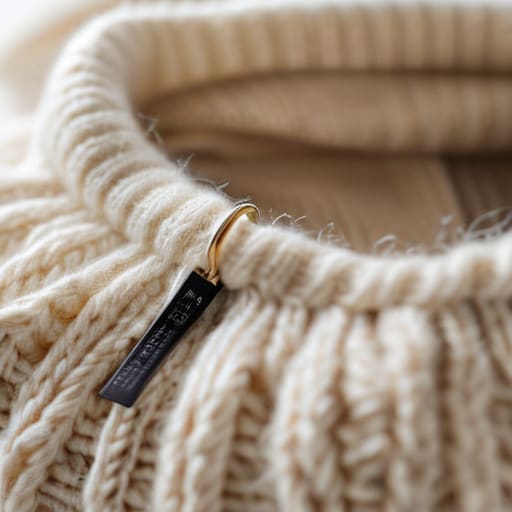
First, we need to talk about the little itchy symbols sewn into your side seams. Most people treat fabric care labels explained on a website like a suggestion, but they’re actually the only thing standing between your favorite sweater and a total structural collapse. If it says “dry clean only,” it’s usually because the fabric doesn’t have the structural integrity to survive a high-speed spin cycle without looking like a crumpled piece of paper. I’ve seen too many people try to “save time” by tossing wool in a standard wash, only to end up with a garment that fits a toddler.
Beyond the laundry room, you have to think about the physics of your wardrobe. How to extend garment life isn’t just about washing; it’s about how much stress you put on the fibers when they aren’t being worn. Stop hanging heavy knits on thin wire hangers—it’ll stretch the shoulders out so badly that even a skilled tailor won’t be able to save the silhouette. Instead, fold them. And when the seasons shift, don’t just shove everything into a plastic bin; that’s a recipe for trapped moisture and stale smells.
Key Things to Know
First, let’s talk about the little white tags that everyone ignores until their favorite sweater turns into a shapeless rag. Fabric care labels explained aren’t just suggestions from a factory; they are the manual for not ruining your life. If it says “dry clean only,” it’s usually because the structure—the interfacing or the lining—will collapse the second it hits a spin cycle. I’ve spent way too many hours in my studio trying to fix “reconstructed” wool coats that someone thought they could just toss in the wash. Don’t be that person.
Next, stop treating your washing machine like a magic box. If you want to actually succeed at preventing clothes from fading, you need to stop washing everything on hot. High heat is the enemy of fiber integrity; it cooks the elastic and bleaches the dye. Use cold water, turn your clothes inside out to protect the face of the fabric, and for the love of everything, stop overfilling the drum. Clothes need room to move so the dirt actually gets rinsed away, rather than just being redistributed into the weave.
Practical Tips and Steps
First, let’s talk about the actual labor of maintenance. Most people treat their washing machine like a magic box, but if you’re constantly throwing high-quality wool or heavy denim in on a hot cycle, you’re essentially paying to destroy your wardrobe. Start by actually reading the fabric care labels explained on the inner seams—I know, it’s tedious, but that little symbol tells you if a garment is going to shrink into a doll’s outfit the moment it hits warm water. If you want to master how to extend garment life, stop over-washing. Unless it’s literally covered in sweat or spilled pasta, most things just need a good steam or a quick hang near an open window to freshen up.
When it comes to the heavy lifting, like removing stains from delicate fabrics, please stop scrubbing like you’re cleaning a kitchen floor. You’ll just fray the fibers and ruin the silhouette. Use a gentle, targeted approach. And for heaven’s sake, once the season shifts, don’t just shove everything into a plastic bin under your bed. The best way to store seasonal clothing is in breathable cotton bags; plastic traps moisture and can actually yellow your whites or cause mildew. Treat your clothes like the structural pieces they are, and they’ll actually show up for you on a random Tuesday three years from now.
Common Mistakes to Avoid
The biggest mistake I see? People treating their washing machine like a magic eraser. I’ve seen more ruined knits from a single high-heat cycle than I have from actual wear and tear. If you’re constantly tossing everything in on a 40-degree wash, you are basically speed-running the destruction of your wardrobe. Stop ignoring the fabric care labels explained on the inside of your seams; those little symbols aren’t suggestions, they are instructions on how not to turn your favorite wool jumper into a doll’s outfit.
Another massive blunder is the “hang everything” approach. If you hang heavy knits on plastic hangers, they will grow shoulder bumps that no amount of steaming can ever truly fix. You need to fold them. Similarly, if you’re obsessed with preventing clothes from fading, stop leaving your darks to bake in direct sunlight on a drying rack. It’s an easy way to turn a crisp navy blazer into a sad, dusty grey. Treat your clothes like they have a lifespan, because they actually do.
Final Thoughts
Look, I’m not asking you to become a textile scientist or spend your entire Sunday hovering over a steaming iron. I just want you to stop treating your wardrobe like it’s a collection of single-use plastics. Most of the “wear and tear” people complain about is actually just bad maintenance. If you take five minutes to actually read those fabric care labels explained on the inside of your seams, you’ve already done more than 90% of the population. It’s the difference between a sweater that stays soft and one that turns into a fuzzy, shapeless rag after three washes.
At the end of the day, the goal isn’t perfection; it’s longevity. Learning the basics of how to extend garment life—like air-drying instead of nuking everything in a tumble dryer—is essentially just refusing to let marketing win. Every time you save a piece from the bin because you knew how to treat the fiber, you’re winning. Stop buying more, start caring for what you have, and I promise your Wednesday mornings will feel a lot less chaotic.
Five ways to stop killing your wardrobe
- Stop treating the washing machine like a magic box. Most of your clothes don’t need a full cycle every time you wear them; if it doesn’t smell and doesn’t have a visible stain, just hang it near an open window. Every time you agitate a fabric, you’re essentially sandpapering the fibers, and that’s how a decent knit turns into a shapeless rag in six months.
- Read the damn care label, but look past the symbols. If a tag says “Dry Clean Only,” it’s often a manufacturer’s way of avoiding liability for cheap construction, but if it’s a structured blazer with shoulder pads, believe them. If you machine-wash a lined jacket, you’ll end up with “bubbling” where the interfacing separates from the fabric, and that’s a permanent structural failure you can’t just iron out.
- Invest in proper hangers, specifically wooden or padded ones for heavier items. Using those thin wire hangers from the dry cleaners is a crime against silk and wool; they create “shoulder nipples” that stretch the seam allowance and ruin the silhouette. A £5 wooden hanger is cheaper than a £40 tailoring job to reshape a distorted shoulder.
- Learn the difference between a stain and a permanent dye. If you spill something, blot it—do not rub it. Rubbing pushes the pigment deeper into the weave and can fray the surface fibers of delicate things like viscose or silk. If it’s a real disaster, treat it immediately, but if you’re working with something high-quality, sometimes it’s better to take it to a professional than to try a “home remedy” that ends up bleaching the color out.
- Store your knits flat, always. Hanging a heavy wool jumper is an invitation for gravity to win; the weight of the garment will pull the neck out of shape and lengthen the body until it looks like a sack. Fold them, stack them, and give them breathing room so the fibers can actually recover their shape between wears.
The Real Cost of Care
Stop looking at the price tag as the end of the story. A £200 wool jumper is a total waste of money if you wash it on hot and stretch the neck out in a week; true style isn’t about what you can afford to buy, it’s about what you actually have the discipline to maintain.
Neve Okonkwo-Barr
The Bottom Line
Look, at the end of the day, looking after your clothes isn’t about being some high-maintenance fashionista; it’s about basic math and respect for your own money. If you stop throwing everything in a 60-degree wash and actually start reading those tiny care labels, you’re already ahead of 90% of the people I see in the studio. Remember that fabric weight and composition dictate everything—you wouldn’t treat a delicate silk slip the same way you treat your heavy denim, so stop trying to make them siblings. Avoid the heat, watch the lint trap, and for the love of everything holy, learn to spot a loose thread before it becomes a gaping hole. It’s the difference between a wardrobe that lasts five years and one that ends up in a landfill by next Tuesday.
My grandmother used to say that if you care for what you have, what you have will take care of you, and honestly, she was right. Style isn’t about having a massive, rotating collection of “newness”; it’s about having a curated pile of things that actually fit your life and your body. When you stop treating your clothes as disposable, you start building a relationship with them. You’ll notice the way a well-maintained wool coat hangs differently, or how a properly washed cotton shirt holds its shape. Stop chasing the trend cycle and start investing in the longevity of your own closet. You deserve a wardrobe that works for you on a Wednesday, a Friday, and every day in between.
Frequently Asked Questions
I found this amazing vintage wool blazer at a charity shop, but the label is gone—how do I figure out if I can machine wash it or if I'm about to ruin it?
Stop right there. If it’s wool and the label is gone, do not—I repeat, do not—throw it in the machine. You’ll end up with a felted, shrunken mess that even I can’t fix. Since we can’t read the care tag, do a tiny spot test on an inside seam with lukewarm water. If it shrinks or loses shape, it’s dry clean only. Honestly, for a vintage blazer, a professional clean is worth the £15 to save the structure.
Is it actually worth paying a professional to clean my delicate knits, or am I just falling for marketing when I could just hand-wash them in my sink?
It depends on the math. If it’s a chunky wool jumper you bought for £20, hand-wash it in your sink with a bit of delicate wash and pray to the gods of tension. Don’t waste £15 on dry cleaning a budget knit. But if it’s a high-gauge cashmere sweater that actually cost you something real, pay the professional. A mistake in the sink turns a knit into a doll’s outfit, and that’s a cost you can’t fix.
My favorite jeans are starting to lose their shape after a few wears; should I be washing them more often, or is the washing actually what's killing the fabric?
It’s a bit of both, but honestly? Stop washing them so much. Every time they hit the machine, the agitation breaks down those elastic fibers that give denim its structure. If they’ve gone baggy, toss them in the dryer on low heat for ten minutes to snap the fibers back, then air dry. If they’re losing shape because the fabric is actually thinning, that’s a quality issue, not a laundry one.
