Stop letting brands convince you that a high-compression waistband and a “lifestyle” label are the same thing as quality. I’ve spent way too many afternoons in my studio staring at $120 leggings that have already lost their recovery power after three washes, leaving the wearer looking like they’re wearing saggy nylon bags. Most marketing tells you that if you want to perform, you have to spend a month’s rent on a specific aesthetic, but I’m here to show you how to choose activewear honestly by looking at the actual construction. If the seam allowance is paper-thin or the fabric is a synthetic blend that feels like a plastic wrap, it doesn’t matter how many influencers are wearing it—it’s a waste of your money.
I’m not going to give you a list of “must-have” trends or tell you which colorway is trending on TikTok. Instead, I’m going to teach you how to read a care label like a pro and why the weight of a fabric matters more than the logo on the hip. We are going to talk about stitch density, elastane percentages, and the specific red flags that tell you a garment will pill before you even finish your first HIIT session. This is about building a kit that actually survives a Tuesday morning workout, not just a photo op.
Understanding How to Choose Activewear Honestly
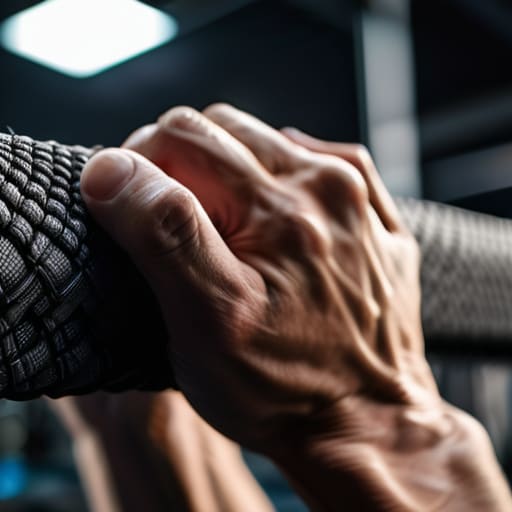
First, we need to strip back the layers of activewear marketing tactics that make you feel like a subpar athlete if you aren’t wearing a specific shade of sage green. Most brands want you to focus on the “vibe” or the “lifestyle,” but I want you to look at the actual construction. Grab the fabric and pull it. If it feels thin, scratchy, or looks like it’s going to lose its shape the second it hits a washing machine, put it back. I’m looking for fabric durability and quality that can handle a squat rack, not just a yoga pose in a studio.
Next, let’s talk about the technical jargon. You’ll see “moisture wicking technology” plastered on every hangtag like it’s magic, but half the time it’s just a fancy way of saying the fabric is a polyester blend that will pill in three weeks. Instead of chasing the buzzwords, do a quick cost per wear analysis. If a pair of leggings costs £60 but the seams are flat-locked and the waistband actually stays put, you’re winning. If they cost £20 but turn sheer the moment you bend over, you’ve just wasted twenty quid.
Key Things to Know
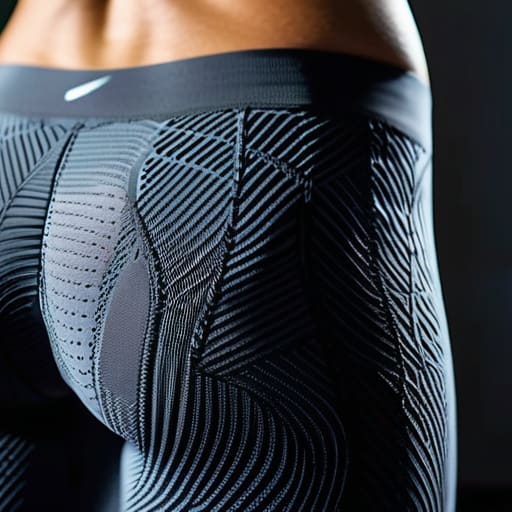
First, let’s talk about the lies printed on the hangtags. Most brands use activewear marketing tactics to make you think a certain sheen or a “seamless” construction is a sign of luxury, when usually it’s just a way to hide poor construction. If the waistband is thin and lacks an internal channel for elastic, it’s going to roll down the second you start a squat. I want you to look at the seam allowance and the stitch density. If the thread looks like it’s struggling to hold the fabric together in the shop, it won’t survive a single cycle in a heavy-duty wash.
Second, stop obsessing over the “tech” buzzwords and start looking at the actual composition. You’ll see “moisture wicking technology” plastered everywhere, but that’s often just a chemical coating that washes off after three months. Instead, do a quick cost per wear analysis by checking the fiber blend. A high percentage of recycled nylon or polyester with a bit of elastane is your friend because it actually retains its shape. If the fabric feels paper-thin or overly slippery, it’s a one-season wonder, regardless of how many “eco-friendly” labels they slap on the packaging.
Practical Tips and Steps
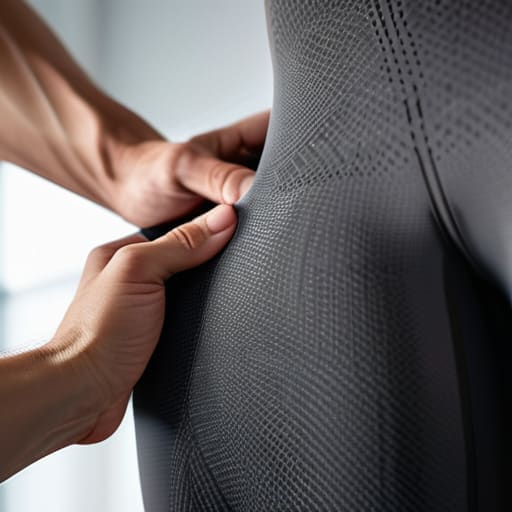
First, stop looking at the model in the campaign and start looking at the seam. When you’re in the fitting room, grab the fabric and give it a firm tug. If the light shines through the weave too easily or the threads look like they’re gasping for air, put it back. You want to check the fabric durability and quality by seeing how much it recovers after a stretch; if it stays saggy, it’s going to look like a wet paper bag after three washes. Also, check the waistband construction—if it’s just a thin piece of elastic sewn into a flimsy tube, it’s not going to hold up during a squat, no matter what the label says.
Next, do a quick cost per wear analysis before you tap your card. If a pair of leggings costs £60 but the polyester blend is so thin you can only wear them twice before they pill, that’s a bad deal. I’d rather you spend more on a single pair of high-density nylon leggings that actually stays opaque than fall for activewear marketing tactics that promise “second skin” but deliver “see-through disaster.” Look for flatlock seams—those are the ones that lie flat against your skin—and they’re much harder for cheap manufacturers to fake.
Common Mistakes to Avoid
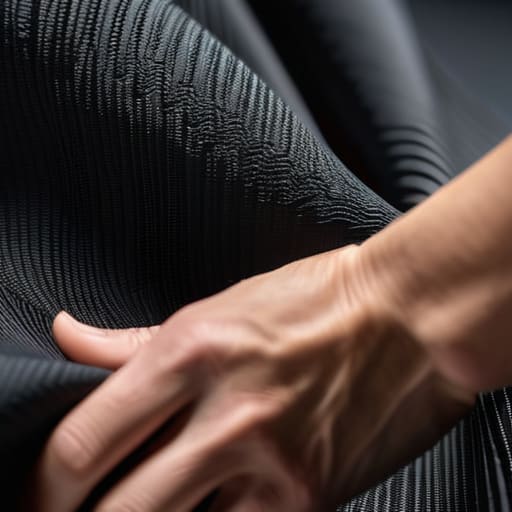
The biggest trap is falling for activewear marketing tactics that use words like “performance” or “luxury” as a substitute for actual technical specs. I see it constantly: a brand charges eighty pounds for a pair of leggings because the waistband is high, but the fabric is so thin you can see your skin through it the moment you lunge. They sell you a feeling, not a garment. If they aren’t telling you the specific blend—like the ratio of nylon to elastane—they are likely hiding the fact that the piece will lose its shape after three washes.
Stop ignoring the cost per wear analysis in favor of a “sale” price. A twenty-pound pair of shorts that pills and loses its elasticity in a month is infinitely more expensive than a sixty-pound pair that survives a year of heavy squats. Most people mistake a low price tag for a bargain, but if the seam allowance is non-existent and the stitching is single-thread, you aren’t saving money; you’re just subsidizing a brand’s waste. Don’t buy into the hype; look at the construction.
Final Thoughts
Look, at the end of the day, most of what you see in those glossy ads is just clever activewear marketing tactics designed to make you feel like a new pair of leggings will somehow transform your entire fitness journey. It won’t. A pair of high-compression shorts won’t make you run faster, but a pair with a poorly constructed gusset will definitely make you want to quit halfway through your mile. Stop looking for a lifestyle overhaul in a shopping cart and start looking at the construction.
If you want to actually save money, stop chasing the “drop” and start performing a quick cost per wear analysis in your head. If that £80 top is made of a thin, single-use synthetic that loses its shape after three washes, it’s not an investment—it’s expensive trash. I’d much rather see you spend a bit more on something with genuine fabric durability and quality that can actually handle a heavy squat session and a tumble in the wash. Buy for the body you have today, check the seams, and remember: fit is everything.
The "No-BS" Checklist for Your Next Gym Haul
- Stop falling for “buttery soft” marketing. That softness is usually just a high percentage of cheap polyester that will pill after three washes and lose its shape by the fourth. Look for a blend with a bit of nylon for strength and a touch of elastane for recovery. If it feels like a second skin but has zero structural integrity, it’s going to look like a crumpled paper bag by lunchtime.
- Do the squat test in the fitting room, not at home. I don’t care how cute the color is; if you can see your skin through the fabric when you bend over, that’s not “breathable,” it’s poorly constructed. Check the opacity under tension. If the seam allowance is too thin, that fabric is going to split the moment you actually try to use it for its intended purpose.
- Check the waistband construction like your life depends on it. A flimsy, single-layer elastic band is a recipe for the “roll-down” effect that makes you spend your entire workout pulling your leggings up. You want a wide, double-layered waistband that actually hugs your hips. If it feels like it’s fighting your body before you even start moving, it’s a no.
- Look at the stitching, not the logo. Flip the garment inside out. Are the seams smooth and consistent, or are there loose threads and uneven tension? In activewear, the seams take all the stress. If the stitching looks rushed or messy on the inside, it’s going to pop the moment you hit a heavy set of squats. A good seam is the difference between a £30 pair of leggings that lasts two years and a £100 pair that dies in two months.
- Ask yourself if it’s actually “technical” or just expensive. Most brands slap a high price tag on a basic cotton-blend legging and call it “performance wear.” Real performance gear has specific fabric weights designed for moisture management. If you can’t tell the difference between the “pro” line and the “lifestyle” line by looking at the fabric density, you’re just paying for the branding. Don’t do it.
The Truth About the 'Investment' Label
Stop letting a marketing team convince you that a £90 pair of leggings is an ‘investment’ just because the packaging is matte. An investment isn’t a price tag; it’s a fabric that won’t pill after three washes and a seam that doesn’t migrate every time you squat. If you can’t see the math in the thread count and the elastane recovery, you aren’t buying style—you’re just renting a trend that’s going to end up in a landfill by next season.
Neve Okonkwo-Barr
The Bottom Line
At the end of the day, choosing activewear honestly means ignoring the glossy, high-production ads and looking directly at the seam construction and the fabric composition label. If it’s 100% polyester with no stretch, or if the waistband feels like it’s held together by a prayer and a single thread, leave it on the rack. Stop letting brands convince you that a “lifestyle” justifies a price tag that could pay for three months of gym membership. Remember: a piece is only a bargain if the fabric weight can actually handle your movement and the seams don’t migrate after the first wash. If you can’t see how it’s built, don’t assume it’s built to last.
My goal isn’t to turn you into a fashion expert, but I want you to stop being a victim of clever marketing. You deserve clothes that actually do the job they were designed for, without you having to constantly pull at a hem or worry about a sheer patch during a squat. Style isn’t about having the newest drop; it’s about having a kit that feels like a second skin because you actually understood the math behind the purchase. Buy less, check the stitching, and prioritize how the garment interacts with your body over how it looks on a mannequin. That is how you build a wardrobe that actually works.
Frequently Asked Questions
If I find a pair of leggings that fit perfectly but the fabric feels thin, is it worth the £20 alteration to tighten the waistband or am I just throwing money at a losing battle?
If the fabric is thin, you aren’t just fighting the waistband; you’re fighting physics. A thin fabric lacks the structural integrity to hold a tighter seam, meaning once you wash them twice, that new tension is going to pull the knit apart and create tiny holes. Don’t spend £20 to turn a cheap pair into a ticking time bomb. Save your money and find a pair with a higher GSM (grams per square meter).
How can I tell if a high-priced "technical" fabric is actually high-quality nylon versus just being overpriced polyester that’s going to pill after three washes?
Look, “technical” is often just marketing-speak for “we added a fancy name to polyester.” To tell the difference, do the squeeze test. High-quality nylon feels cool to the touch and has a substantial, springy weight; polyester often feels slightly oily or suspiciously lightweight. Most importantly, check the sheen. If it looks like cheap, shiny plastic under the lights, it’s going to pill the second you start moving. If it’s pricey, demand a nylon blend.
Is it actually possible to fix a sports bra that has lost its support, or is that one of those "structural" issues where the marketing is lying to me?
Short answer: No. Once the elastane is shot, it’s gone. If the fabric feels thin or “crunchy” when you stretch it, the internal structure has failed. You can’t sew support back into a dead fiber. Don’t let brands call it “high-performance” if the elastic degrades after six months; that’s just planned obsolescence. Save your money on a tailor here—it’s a lost cause. Buy a better blend next time and skip the “repair” trap.
