Stop letting brands convince you that “luxury” sleepwear requires a three-figure price tag and a delicate hand-wash cycle that feels like a part-time job. I spent two years pinning bridal hems in a basement studio, and if there is one thing I learned, it’s that a $150 silk slip is useless if the seam allowance is so thin it shreds the first time you actually move in your sleep. Most people think learning how to choose sleepwear is about finding the prettiest pattern on a website, but it’s actually about understanding fiber density and whether a waistband is going to roll into a painful tube by 2:00 AM.
I’m not here to sell you on a lifestyle aesthetic or a “must-have” seasonal collection; I’m here to talk about fabric longevity and actual comfort. In this guide, I’m going to show you how to spot high-quality cottons that won’t pill after three washes, why the “breathable” synthetics in the high street window are a total scam, and how a simple ten-minute trip to a tailor can make a cheap pair of pajamas fit like a dream. We are going to build a sleep wardrobe that actually works on a Wednesday night, not just one that looks good in a curated Instagram feed.
Forget the Luxury Label How to Choose Sleepwear That Actually Works
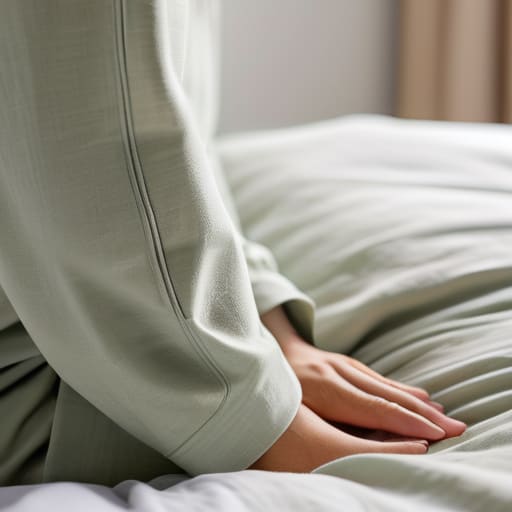
Marketing departments love to use the word “luxury” to justify a price tag that could pay your rent for a week, but in my experience, luxury is often just a thin layer of acetate masquerading as silk. If you’re looking at a set of “silk” pajamas that feels like wearing a plastic bag, run. Real silk is a nightmare to maintain and, frankly, a waste of money if you aren’t prepared for the dry-cleaning bill. Instead, look for breathable pajama fabrics like high-thread-count cotton or Tencel. You want something that actually moves with you, not something that clings to your skin the moment you start to sweat.
When you’re weighing up cotton vs silk pajamas, do the math on the longevity. A sturdy, mid-weight cotton poplin will survive a hundred wash cycles and still look decent on a Tuesday morning. If the waistband is too tight or the hem is riding up, don’t toss them—just take them to a local tailor. A simple casing adjustment costs about the same as a fancy latte and suddenly that “cheap” set fits like it was custom-made for your body.
The Math of Moisture Wicking Sleepwear Versus Cheap Synthetics
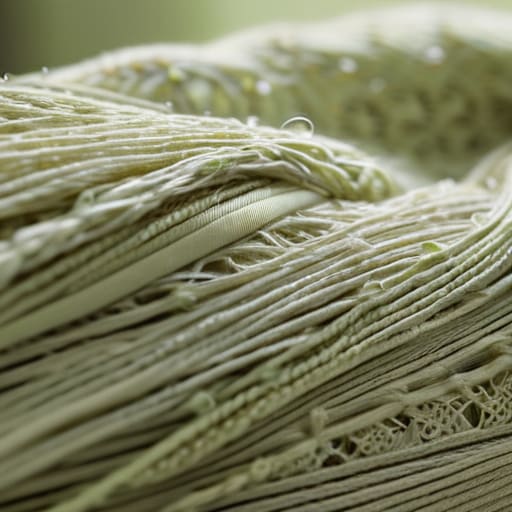
Here is the math: if you buy a $15 polyester set from a fast-fashion giant, you aren’t just buying cheap fabric; you’re buying a personal sauna. Polyester is essentially plastic. It doesn’t breathe, it traps heat, and it creates that awkward, damp feeling halfway through the night. When you look at moisture wicking sleepwear, you have to look past the marketing buzzwords. Real moisture management comes from the fiber structure, not a chemical coating that washes off after three cycles.
If you want to actually sleep, you need to weigh the cost-per-wear of natural fibers. Comparing cotton vs silk pajamas is where the math gets interesting. A high-quality, long-staple cotton or a decent Tencel will manage sweat far better than any “performance” synthetic. While a silk set feels like an investment, a mid-range organic cotton set is often the smarter play for long-term durability. You want breathable pajama fabrics that can withstand a hot wash without losing their shape. If the fabric feels like it’s sweating with you, put it back on the rack.
Cotton vs Silk Pajamas Which One Survives the Washing Machine
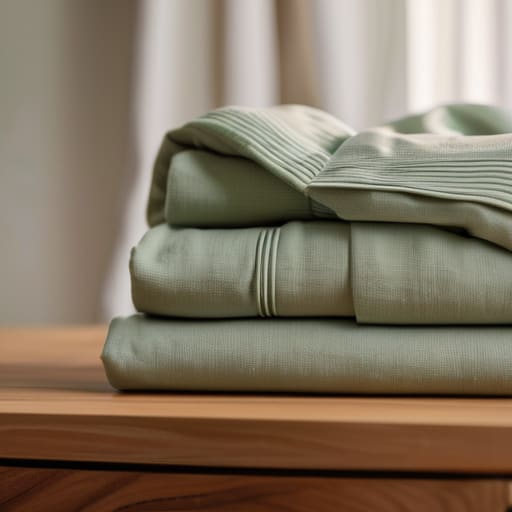
Here is the reality of the cotton vs silk pajamas debate: one is a workhorse, and the other is a high-maintenance hostage. If you are looking for something that can survive a standard 40-degree wash without looking like a crumpled napkin, stick to cotton. But don’t just grab any cheap jersey; look for long-staple cotton or a heavy poplin. It’s one of the most reliable breathable pajama fabrics because it handles sweat and friction without losing its structural integrity after three months of laundry cycles.
Silk, on the other hand, is often marketed as the ultimate luxury, but from a maintenance perspective, it’s a headache. Unless you’re prepared to hand-wash or pay for professional dry cleaning, that “investment” piece is going to pill, snag, or lose its sheen within a year. If you do go for silk, check the weight—if it feels thin enough to see through, it won’t last. For most of us living real, messy lives, a high-quality cotton set offers better temperature regulating sleepwear properties for a fraction of the long-term cost.
Temperature Regulating Sleepwear Finding Your Best Materials for Night Slee
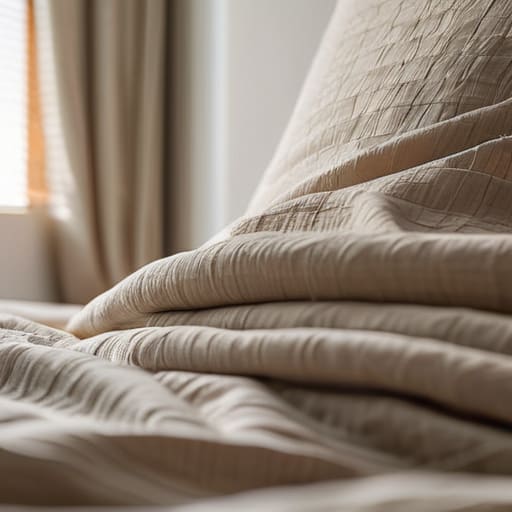
If you’re waking up in a puddle of sweat or shivering under a mountain of duvet, your clothes are likely the culprit. Most people blame their thermostat, but they ignore the fact that their fabric is essentially acting like a plastic bag. To find the best materials for night sleep, you have to look at how the fibers interact with your skin. Synthetic blends might feel soft in the shop, but they trap heat against your body, creating a microclimate that is basically a sauna. If you want to stop the midnight sweat sessions, you need to prioritize breathable pajama fabrics like linen or high-quality bamboo.
Linen is my absolute go-to for summer; it’s rugged, it handles moisture like a pro, and it actually gets better as the weave softens. If you prefer something more traditional, stick to long-staple cotton. It provides that essential temperature regulating sleepwear effect without the massive price tag of high-end silk. Just remember: if the tag says “polyester” or “nylon,” walk away. You aren’t just buying a set of pajamas; you’re buying your ability to stay asleep.
Beyond the Aesthetic Breathable Pajama Fabrics and Sleep Hygiene Clothing T
Look, we need to talk about the stuff you’re actually putting against your skin for eight hours a night. It’s easy to get distracted by a cute print or a matching set that looks great on a mannequin, but if the weave is too tight or the fabric is a cheap polyester blend, you’re basically sleeping in a plastic bag. For real sleep hygiene clothing tips, you have to look at the construction. I always tell my clients to check the seam allowance; if the seams are thick and scratchy, they’ll irritate you more than the fabric itself. You want something that moves with you, not something that fights your body every time you toss and turn.
When it comes to finding the best materials for night sleep, prioritize natural fibers that allow for airflow. If you’re a hot sleeper, avoid anything heavily treated with chemicals that might trap heat. I’m a huge advocate for lightweight linen or high-quality bamboo because they offer incredible natural breathability without the astronomical price tag of high-end silk. If you find a pair of vintage cotton pajamas that fit perfectly but are a bit too long, don’t scrap them—spend £10 at a local tailor to hem them. A custom fit is the ultimate luxury, and it’s much cheaper than buying “designer” loungewear that doesn’t actually breathe.
The non-negotiable checklist for your nightstand
- Check the seam allowance before you commit. If the pajamas feel scratchy in the shop, they’ll feel like sandpaper at 3 AM. Look for flat-locked seams or soft cotton piping; if the stitching is bulky and stiff, it’s going to chafe the second you start tossing and turning.
- Don’t trust a “one size fits all” approach to sleep. If you’re between sizes, size up. Sleepwear needs movement, not compression. A slightly oversized cotton shirt is a bargain; a tight synthetic top that restricts your breathing is just expensive trash.
- Test the stretch, not the label. Take the fabric between your hands and pull it. If it snaps back instantly with a sharp sound, it’s got high elastane—which is fine for joggers, but for sleep, you want a more natural give. You want the fabric to move with you, not fight you.
- Inspect the waistband math. An elasticated waist is fine, but if the elastic is sewn directly into a thin, cheap fabric, it’ll roll and dig in after three washes. Look for a dedicated fabric casing for the elastic; it keeps the tension even and prevents that annoying “sausage” feeling.
- Prioritize the “wash test” durability. Before you buy, look at the thread tension. If the stitching looks loose or uneven on the hanger, it’s going to unravel the first time it hits a heavy wash cycle. A £20 pair of well-constructed cotton shorts will outlive a £60 “designer” set made of flimsy lace every single time.
The truth about 'luxury' sleepwear
Stop letting a satin-finish polyester label trick you into thinking you’ve bought something expensive; if the fabric doesn’t breathe and the seams are pulling when you move, you haven’t bought luxury, you’ve just bought a very shiny way to wake up sweating.
Neve Okonkwo-Barr
The Bottom Line on Bedtime
At the end of the day, choosing sleepwear isn’t about chasing a specific aesthetic or buying into a “lifestyle” brand’s marketing. It’s about understanding that a $100 set of polyester-blend pajamas is a waste of money if you wake up sweating and frustrated. Look for the structural integrity of the fabric—check the weave, feel the weight, and prioritize natural fibers like cotton or linen that actually breathe. Remember, if the elastic in the waistband feels flimsy or the seams look like they’re fighting to stay together, they won’t survive the first month of heavy washing. Don’t be afraid to spend a little more on a high-density cotton that lasts years rather than a cheap synthetic that pills after three nights.
Stop treating your sleepwear as an afterthought or a “cheap” category of clothing. Your body spends a third of its life in these garments; they deserve the same respect you give your professional wardrobe. You don’t need a massive collection of expensive loungewear to feel put together or comfortable. You just need a few well-constructed pieces that fit your body correctly and handle the heat. Real style isn’t about what you wear to be seen by others; it’s about the quiet confidence of knowing you are comfortable in your own skin, wrapped in something that actually works.
Frequently Asked Questions
I found a vintage silk set at a charity shop, but how do I know if the seams are too fragile to actually wear or if they'll just split the first time I move in my sleep?
Don’t just look at the shine; look at the stress points. Turn the set inside out and give the seams a gentle, firm tug. If you see the threads pulling or the fabric puckering around the stitch, walk away—that’s a structural failure waiting to happen. Also, check the seam allowance. If the fabric is cut too close to the thread, there’s no room for movement. If it’s a good find but tight, a tailor can sometimes let the side seams out for £15, but only if there’s enough fabric left to play with.
Is it actually worth paying a tailor to take in the waist of high-end pajama trousers, or will the fabric bunch up awkwardly because of the way they're cut?
It depends entirely on the construction. If they’re high-end silk or lightweight viscose, avoid it; those fabrics lack the structure to hold a new seam, and you’ll end up with puckered, wavy lines that look cheap. But if it’s a heavy cotton poplin or a structured flannel, go for it. Just make sure your tailor checks the side seam allowance first. If there’s enough room to move the stitch, it’ll look intentional, not accidental.
If I have sensitive skin, should I be looking for specific weave types like poplin versus jersey, or does the fabric content matter more than the texture?
It’s both, but if you’re dealing with irritation, the weave is your immediate battlefield. Think of it this way: jersey is a knit, meaning it’s stretchy and soft, but it can trap heat and friction. Poplin is a weave—it’s crisp, smooth, and stays away from the skin. If you have sensitive skin, I’d prioritize a high-quality cotton poplin. It breathes better and won’t cling or chafe like a cheap, fuzzy synthetic knit.
