I spent three years in a cramped basement studio pinning hems for people who thought a “luxury” label meant the garment would actually last, only to realize most of them were just paying a premium for glorified plastic. It drives me mad when brands use flowery marketing to hide the fact that they’ve swapped out durable wool for a cheap polyester blend that will pill before your first coffee break. If you want to stop wasting money on clothes that lose their shape after three wears, you have to understand how natural and synthetic fibres differ at a structural level. It isn’t about being a textile scientist; it’s about knowing whether that sweater is going to breathe with you or turn into a sweaty, static-filled nightmare by lunchtime.
I’m not here to give you a lecture on molecular chains or chemical compositions. Instead, I’m going to show you the actual math of longevity: which fabrics hold a crease, which ones survive a heavy wash, and which ones are just expensive landfill fodder. We’re going to look at the real-world cost of your wardrobe, from seam strength to breathability, so you can build a closet that actually works for your life.
Beyond the Label How Natural and Synthetic Fibres Differ
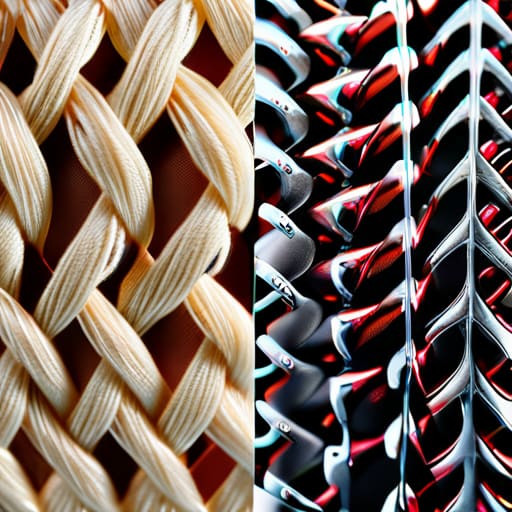
Look, the care label is a liar if you don’t know how to read between the lines. You’ll see “cotton blend” and think you’re getting the best of both worlds, but usually, you’re just paying for a garment that will pill after three wears. The real difference lies in the textile material properties that dictate how a piece lives in your closet. Natural fibers like wool, linen, and cotton are living things; they breathe, they react to your body temperature, and they actually get better with age. When you invest in a high-quality wool sweater, you’re paying for breathability that a polyester imitation simply cannot mimic, no matter how much they market it as “premium.”
On the flip side, synthetics like nylon or polyester are essentially plastic. They are incredibly durable in terms of sheer strength, but they have a nasty habit of trapping heat and sweat against your skin. Plus, there is the invisible cost: microplastic shedding in laundry is a massive issue that most brands won’t mention in their glossy lookbooks. If you want a wardrobe that survives a decade rather than a season, you have to stop chasing the “stretch” of cheap synthetics and start looking at the structural integrity of the fiber itself.
The Breathability Math Why Natural Fabrics Win Every Wednesday
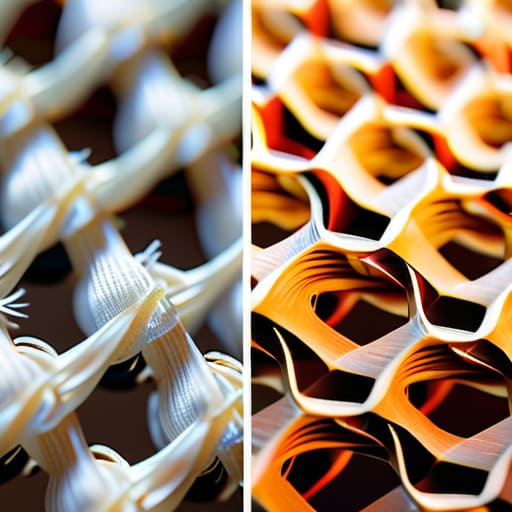
Here is the reality of a Tuesday afternoon in a crowded office or a Wednesday commute: if you are wearing a high-percentage polyester blend, you aren’t just wearing a garment; you are wearing a tiny, personal sauna. This is where the breathability of natural fabrics actually matters for your sanity. Cotton, linen, and wool have microscopic structures that allow air to move and moisture to escape. They work with your body temperature rather than trapping a layer of humid sweat against your skin.
Synthetics, on the other hand, are essentially plastic. While marketing teams love to brag about the “performance” of technical fabrics, most everyday clothes rely on a weave that just sits there, blocking airflow. When you’re stuck in a stuffy train or a heated meeting, a synthetic shirt won’t help you regulate; it just holds onto the dampness. If you want to avoid that mid-day “uncomfortable” feeling, look at the composition. I’d much rather spend a little more on a cotton-linen mix that breathes than save ten quid on a top that makes me feel like I’m wrapped in clingfilm.
The Durability Trap Analyzing Textile Material Properties and Longevity
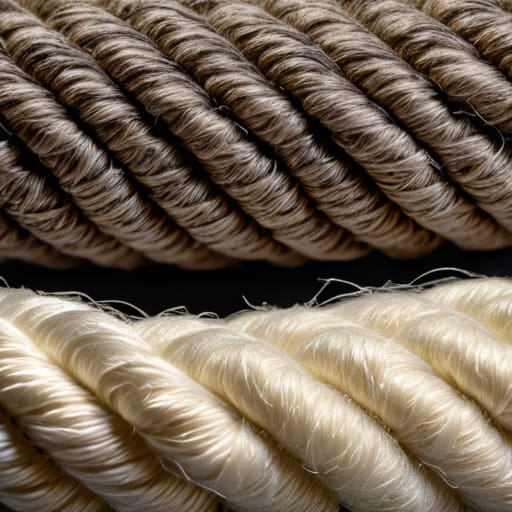
Here is the truth about the “durability” marketing: just because a fabric is strong doesn’t mean it’s built to last. I see it all the time in the studio—people bring me these high-performance polyester blends thinking they’ve found a winner because the material feels indestructible. But the durability of synthetic textiles is often a lie of physics. While a synthetic fiber might not snap easily, it lacks the structural integrity of a high-quality wool or heavy cotton. Synthetics tend to pill, lose their shape after three washes, and eventually look like a tired, fuzzy version of themselves.
Then there is the hidden cost that no one mentions at the checkout. When you buy into cheap, oil-based fabrics, you’re dealing with microplastic shedding in laundry every single time you hit the wash cycle. It’s a cycle of waste that starts in the factory and ends in your washing machine. If you want a garment that actually ages with you—one that develops character rather than just falling apart—you have to look at the textile material properties that allow a fiber to breathe and hold its tension. Don’t mistake “toughness” for longevity; one is a gimmick, the other is an investment.
Performance vs Reality Moisture Wicking and Synthetic Failure

You’ve seen the marketing: a high-tech gym shirt promising “revolutionary moisture wicking capabilities” that makes you feel like you’re wearing a laboratory experiment. The truth is, synthetics like polyester don’t actually absorb sweat; they just push it around. Because the fibers are essentially plastic, they can trap heat and bacteria against your skin, leading to that specific, lingering “gym smell” that no amount of heavy-duty detergent seems to kill. If you’re wearing a synthetic blend on a humid Tuesday, you aren’t staying dry—you’re just trapping a layer of lukewarm soup against your body.
This is where the real cost comes in, and I don’t mean the price on the tag. Every time you toss those high-performance leggings into the wash, you’re dealing with microplastic shedding in laundry, which is a nightmare for the water system. I’d much rather see you in a decent weight of merino wool or even a heavy cotton. They manage moisture naturally by absorbing it into the fiber itself, rather than just sliding it across a plastic surface. It’s a better experience for your skin and a much more honest way to dress.
The Hidden Cost Environmental Impact and Microplastic Shedding
Here is the truth that the big-box retailers won’t mention while they’re trying to upsell you on that “performance” fleece: every time you throw a synthetic garment in the wash, you’re essentially running a tiny, invisible pollution factory. We talk a lot about the durability of synthetic textiles, but we rarely talk about the cost of that durability once it hits the water. Every single wash cycle results in microplastic shedding in laundry, sending thousands of tiny plastic shards directly into our waterways. It’s a systemic issue that a single “eco-friendly” tag can’t fix, but it is something you can mitigate by choosing better materials from the start.
When we look at the environmental impact of fiber production, the math gets even messier. While natural fibers require land and water, they are ultimately biodegradable—they return to the earth. Synthetics, however, are essentially just oil shaped into a sweater, and they stay in the ecosystem forever. If you want to be smarter about your footprint, stop buying cheap polyester blends that lose their shape in a month. It is much better for the planet—and your wallet—to buy one high-quality wool piece that lasts a decade than ten plastic shirts that end up in a landfill by next season.
The Real-World Cheat Sheet: How to Spot the Difference Before You Pay
- Check the weight, not the brand. A heavy, 100% cotton twill will hold its shape through a hundred washes, whereas a thin, stretchy polyester blend will likely lose its recovery and start looking like a saggy pajama bottom within three months.
- Do the “scrunch test” in the fitting room. If you grab a handful of the fabric and it stays looking like a crumpled piece of paper, it’s likely a cheap synthetic that’s going to trap heat and sweat; if it bounces back, the fiber has enough structural integrity to actually last.
- Look at the seam allowance and the tension. High-quality natural fibers like wool or linen can handle a bit of tailoring, but if you see a garment made of high-stretch synthetics, be careful—if a tailor takes in the waist, the tension on those plastic fibers can cause the whole seam to “pop” or pucker.
- Don’t fall for the “silk-touch” lie. Many fast-fashion brands use highly processed viscose or polyester to mimic the feel of silk, but they lack the thermal regulation. You’ll end up freezing in the winter and sweltering by lunchtime because the fabric doesn’t breathe; if it’s cheap, it’s not silk.
- Calculate the “cost per wear” including the repair math. A $100 wool sweater that can be de-pilled and reshaped is cheaper than a $30 acrylic one that turns into a fuzzy, shapeless mess after two wears. If the fabric can’t be maintained, it’s not a bargain, it’s a donation to the landfill.
The Real Cost of a Label
Stop looking at the brand name and start looking at the fiber content; a ‘luxury’ sweater that’s 90% acrylic isn’t an investment, it’s just a ticking clock of pilling and static that’ll be in a landfill by next season.
Neve Okonkwo-Barr
The Bottom Line
Look, at the end of the day, choosing between natural and synthetic isn’t about being a purist; it’s about doing the math on how often you’ll actually be wearing the thing. If you buy that cheap, high-shine polyester blend because it’s trendy, you’re paying for it in sweat, microplastics, and a garment that will lose its shape by next season. Natural fibers like cotton, linen, and wool might require a bit more care or a slightly higher upfront cost, but they actually breathe and they age with you rather than falling apart at the seams. Don’t let a flashy marketing campaign convince you that a synthetic blend is a “performance” miracle when it’s really just a short-term fix for a long-term wardrobe problem.
My advice? Stop shopping for the version of yourself that exists in a curated Instagram feed and start shopping for the person who has to commute, sit in meetings, and live a real life on a Tuesday afternoon. A wardrobe shouldn’t be a collection of disposable moments; it should be a reliable toolkit of fabrics that feel good against your skin and survive the wash. You don’t need a massive budget to dress well, you just need to stop buying things that aren’t built to last. Invest in the fiber, check the seam, and remember that a well-made natural piece is always worth more than a mountain of synthetic clutter.
Frequently Asked Questions
If I find a high-quality wool blend in a charity shop, is it actually worth paying a tailor to fix the fit, or will the synthetic fibers make it lose its shape anyway?
Check the ratio first. If it’s 70% wool or higher, go for it. A little bit of nylon or polyamide in a blend actually helps the garment hold its shape and resist wrinkles, which is a win. But if it’s mostly polyester with a “wool touch,” don’t bother. The synthetic fibers will pill and sag regardless of how much you spend on tailoring. If the structure is solid, pay the £20 for the hem; it’s worth it.
Can I actually use a steamer to save a synthetic blouse that’s starting to look tired, or am I just going to melt the fibers?
Hold that steamer at a distance. Synthetics are essentially plastic, and unlike cotton or linen, they don’t have much “give” when things get hot. If you get too close, you won’t just get wrinkles out; you’ll get permanent, shiny heat marks—or worse, you’ll actually melt the fibers into a distorted mess. Keep the nozzle a few inches away, move constantly, and if the fabric feels even slightly tacky, stop immediately.
Since I'm on a budget, is it better to buy one 100% cotton shirt that needs a hem adjustment, or three polyester ones that "fit" perfectly right off the rack?
Buy the cotton shirt. Period. Those three polyester tops are a trap; they’ll pill, trap sweat, and lose their shape by next month. You aren’t “saving” money if you’re replacing them three times a year. A 100% cotton shirt is a structural foundation. Get it hemmed—it’ll probably cost you about £12-£15 at a local shop—and you’ll have a garment that actually breathes and survives a Wednesday. That’s the real maths.
