I spent two years in a basement studio pinning hems for a bridal shop, and if there is one thing those silk slips taught me, it’s that expensive doesn’t mean durable. I see it every week: someone walks into my studio with a “designer” knit that cost them a month’s rent, only for the seams to be puckering and the wool to be so thin you can see the light through it. The fashion industry loves to sell you the dream of the “forever knit,” but they rarely tell you how to choose a jumper worth keeping without getting fleeced by a label. Most of these high-street “staples” are just expensive trash disguised by clever marketing and soft lighting.
I’m not here to talk about seasonal trends or which colour is “in” for autumn. Instead, I’m going to show you the actual maths of a good knit. We are going to look at tension, fiber content, and why that $200 cashmere might actually be a waste of your money compared to a well-constructed wool blend. I’ll teach you how to spot a structural failure before you even head to the till, so you can build a wardrobe that actually survives a Tuesday morning commute.
Understanding How to Choose a Jumper Worth Keeping
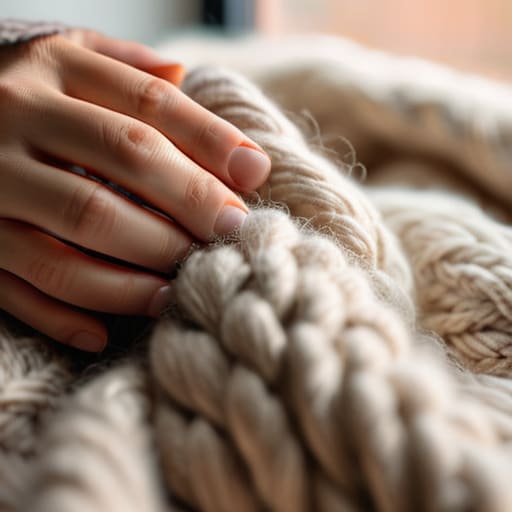
First, stop looking at the price tag and start looking at the composition label. This is where most people get fleeced. You’ll see “wool blend” on a sweater that is actually 80% acrylic, which is just a fancy way of saying it’s going to pill into a fuzzy mess after three wears and lose its shape by November. When you’re weighing up natural vs synthetic fibres, remember that pure natural fibres like wool, cashmere, or cotton breathe and move with you. Synthetics trap heat in a way that feels sweaty and, more importantly, they don’t have the “memory” to bounce back. If the fabric feels scratchy or suspiciously lightweight in the hand, it’s going to sag.
The next thing you need to do is check the architecture of the knit itself. I always look at the knit tension before I even try it on. Hold the jumper up to the light; if the gaps between the stitches are uneven or look loose and floppy, the garment lacks structural integrity. A high-quality piece should feel substantial, not because it’s heavy, but because the stitches are consistent and tight. If the tension is wonky, it’s a sign that the knitted garment durability is going to be non-existent once it hits a washing machine or even just a heavy-duty hanger.
Key Things to Know
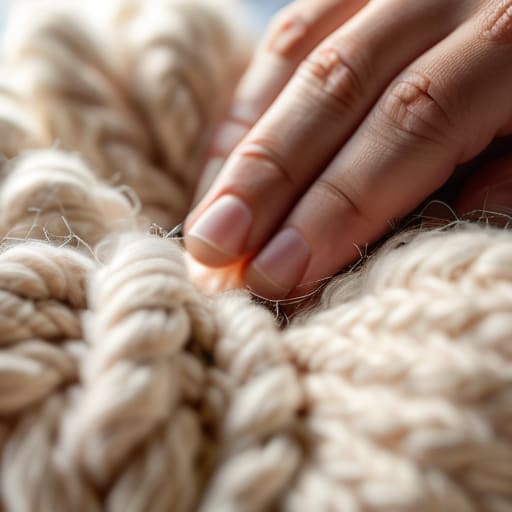
First, look at the composition label, not the marketing fluff on the hangtag. You need to understand the difference between natural vs synthetic fibres before you even touch the price tag. If a jumper is 80% acrylic, it’s going to pill by Tuesday and lose its shape by next month; it’s basically glorified plastic. I’m looking for wool, cashmere, or cotton—fibres that actually breathe and hold their structure. If you’re going to spend real money, you’re looking for identifying high quality wool by its bounce; give it a gentle squeeze, and it should spring back, not stay compressed like a cheap sponge.
Next, check the tension. Hold the jumper up to the light; if the knit looks patchy or uneven, the tension is wonky and it’ll sag the moment you put it on. A well-made piece has a consistent, tight stitch that feels substantial. Don’t let a “premium” label fool you if the seams are pulling or the ribbing looks flimsy. Knitted garment durability comes down to how the yarn is spun and how tightly it’s held together. If it feels thin and lifeless in the shop, it’ll be a rag in the wash.
Practical Tips and Steps
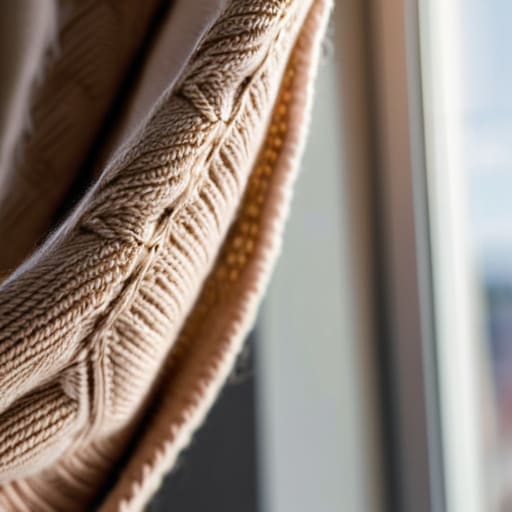
First, stop looking at the brand name and start looking at the light passing through the weave. Hold the jumper up to a window; if you see huge, uneven gaps in the knit, that’s a sign of poor understanding of knit tension. A high-quality piece should have a consistent, tight structure. If the stitches look loose and “slouchy” in a way that feels structurally flimsy rather than intentionally oversized, it’s going to lose its shape by Tuesday.
Next, get your hands on it. You need to know the difference between natural vs synthetic fibres by feel alone. If it feels suspiciously “slick” or plastic-y, it’s likely an acrylic blend that will pill into a fuzzy mess after three wears. I always look for a bit of weight and a springy texture. If you can stretch a bit of the cuff and it doesn’t snap right back into place, walk away. You aren’t buying a garment; you’re buying a future headache. Finally, check the seams. If the edges are raw or the tension is pulling at the armholes, no amount of “premium” marketing will save it.
Common Mistakes to Avoid
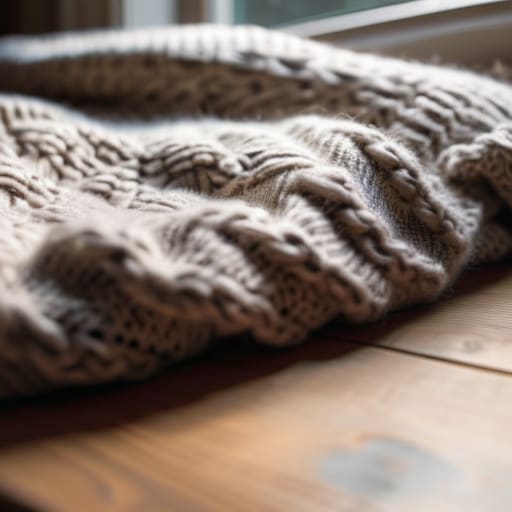
The biggest mistake I see? Buying based on the “hand-feel” in the shop. You run your hand over a sweater, it feels soft and buttery, and you think you’ve found a winner. Stop right there. Often, that “softness” is just a heavy coating of chemical softeners or a massive dose of acrylic that’s going to pill before you’ve even finished your first week of work. If you aren’t looking at the care label to weigh up natural vs synthetic fibres, you’re basically just buying a very expensive piece of lint. A little bit of scratchiness is often a sign of a sturdy, honest wool; a sweater that feels like a cloud but has zero structure is usually just disposable fluff.
Another trap is ignoring the tension of the knit. I’ve seen so many people grab a “premium” jumper only to realize the moment they pull it slightly that the stitches are loose and uneven. If the knit is sloppy, it won’t hold its shape after three wears, and no amount of steaming will fix a structural failure. Don’t get distracted by a fancy brand name; if the knitted garment durability isn’t visible in the tightness of the weave, it isn’t an investment—it’s a donation to the landfill.
Final Thoughts
Look, at the end of the day, stop letting a brand name or a “luxury” tag do the thinking for you. A jumper isn’t a win just because it looks good on a mannequin; it’s a win if it still holds its shape after three washes and a dozen Tuesday mornings. If you can’t feel the difference between natural vs synthetic fibres just by touching the sleeve, don’t bother buying it. Synthetic blends might feel soft in the shop, but they’re basically plastic, and they’ll pill into oblivion before the season is out.
If you do find something that feels right, treat it like the asset it is. Real knitwear care and longevity comes down to how you store it—stop hanging your knits on wire hangers unless you want permanent shoulder bumps—and how much you actually check the tension of the knit before you tap your card. Buying better isn’t about spending more; it’s about knowing when a piece is actually worth the space in your wardrobe. If the math doesn’t add up, leave it on the rack.
Five ways to tell if that knit is a keeper or just expensive landfill
- Do the light test. Hold the knit up to a window; if you can see clearly through the weave and it looks like a spiderweb, it’s going to lose its shape by Tuesday. You want density, not air.
- Check the “pilling potential” by feeling the surface. If it feels slightly fuzzy or “hairy” on the rack, it’s already halfway to becoming a ball of lint. A good jumper should feel smooth and substantial, not like it’s shedding.
- Look at the tension in the ribbing. Pull the cuffs and the hem gently; if they don’t snap back immediately, the elastic fibers are garbage and you’ll be wearing a shapeless sack within a month.
- Turn it inside out to inspect the seams. If the thread is loose or the edges are raw and fraying, the manufacturer cut corners, and those seams will split the first time you actually move your arms.
- Ignore the “softness” trap. A lot of cheap jumpers feel like a cloud because they’re loaded with acrylic, but that softness is a lie—it’s just plastic that will trap sweat and pill instantly. Real wool or cotton might feel a bit “crunchy” at first, but that’s the structural integrity you’re actually paying for.
The Math of a Good Knit
Stop letting a brand name trick you into calling a thin, acrylic blend an ‘investment piece.’ A jumper is only worth keeping if the fiber density can handle a Tuesday morning commute and the seams aren’t going to unravel the second you pull it over your head. If you can’t see the weight of the knit or the integrity of the ribbing, you aren’t buying a wardrobe staple—you’re just subsidizing a marketing budget.
Neve Okonkwo-Barr
The Bottom Line
Look, at the end of the day, choosing a jumper isn’t about chasing a specific aesthetic or buying into a brand’s “luxury” label. It’s about the math: the weight of the yarn, the integrity of the knit, and whether the fiber can actually handle a washing machine without turning into a felted mess. If you can spot a loose tension in the ribbing or a suspicious amount of acrylic fluff, you’ve already won half the battle. Remember, a jumper is only a good purchase if the cost-per-wear actually makes sense, and that starts with buying something that won’t lose its shape by the second Tuesday of November. If the fit is almost perfect but the sleeves are a fraction too long, don’t walk away—just budget for a quick hem and call it a win.
Stop letting marketing departments convince you that your wardrobe is a problem that can only be solved by opening your wallet more often. Style isn’t about how much you spend; it’s about how much you know about what you’re wearing. When you start looking at clothes through the lens of construction and fabric rather than trends, you stop being a consumer and start being a curator. Build a wardrobe that works for your actual life, not the life you see on a curated Instagram feed. You don’t need a mountain of cheap knits; you just need a few pieces that actually deserve a spot in your closet.
Frequently Asked Questions
I found a beautiful cashmere jumper at a charity shop, but the elbows are slightly thinning—is that something a tailor can actually fix, or is it a lost cause?
It’s not a lost cause, but don’t call it a “fix”—it’s a repair. A tailor can’t magically regrow fibers, so you’re looking at darning. If the thinning is just a bit of fuzziness, a professional can re-weave it, but it’ll cost you more than a decent coffee to do it right. If the holes are structural, it’s a patch job. If you love the fit, do it. If not, leave it.
How much should I realistically expect to pay a local tailor to shorten a jumper or take in the sides without ruining the original shape?
For a simple side-seam take-in, expect to pay anywhere from £15 to £25. If you’re asking them to shorten the hem or sleeves, add another £10–£15. Don’t go to a dry cleaner for this; they’ll just slash the knit and leave you with a puckered mess. You need a specialist who understands tension. It’s the price of a decent lunch, but it’s what keeps a £30 jumper looking like a £150 one.
If a jumper feels incredibly soft in the shop but is made of a synthetic blend, is it actually going to pill and look like a mess after three wears?
Yes, it absolutely will. That “cloud-like” softness is usually a chemical coating or a high percentage of acrylic/polyester designed to trick your hands in the fitting room. Synthetic fibers are essentially tiny pieces of plastic; they don’t breathe, they don’t drape, and they pill aggressively because the short fibers break and tangle into those annoying little balls. If it’s more than 30% synthetic, you’re buying a future mess. Buy natural fibers instead.
