I spent two years in a cramped basement studio pinning hems for a bridal shop, and if there is one thing those frantic Saturday mornings taught me, it’s that a price tag is a liar. I’ve seen women drop five hundred pounds on a “designer” piece only to realize it has no structure, and I’ve seen people find a twenty-pound gem in a charity shop that looks like a million bucks because the shoulder seam actually sits where it’s supposed to. Most fashion blogs will try to sell you on “investment pieces” and seasonal trends, but if you want to learn how to choose a blazer that won’t make you look like you’re wearing your dad’s hand-me-downs, you need to stop looking at the brand and start looking at the fabric weight.
I’m not here to give you a shopping list of things you can’t afford; I’m here to give you the blueprint for a piece that actually works on a Wednesday. I’ll show you how to spot a high-quality weave from across the room, which seams are worth the extra ten pounds at the tailor, and why structure matters more than labels. We’re going to talk about the real maths of style—the kind that prioritizes how a garment lives on your body over how it looks on a mannequin.
Stop Buying Labels How to Choose a Blazer That Actually Works
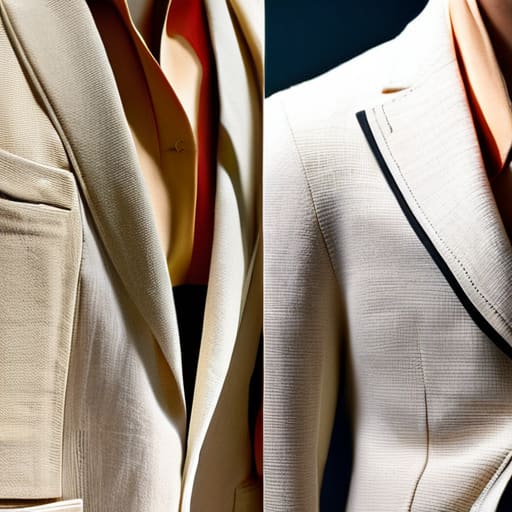
Stop looking at the brand name on the neck tag and start looking at the construction. Most “designer” blazers are just expensive polyester blends with enough padding to make you look like a linebacker. If you want something that actually lasts, you need to understand the difference between an unstructured vs structured blazer. A structured blazer has internal canvas and shoulder pads—great if you want to look sharp for a presentation, but potentially stiff and suffocating. An unstructured one is lighter, follows your natural shape, and is much easier to throw on for a casual Friday.
The real secret, though, is the fabric. If you’re buying a heavy wool blend for a July wedding, you’ve just wasted your money because you’ll never wear it. For warmer months, look for linen or high-quality cotton; these are the best blazer fabrics for summer because they breathe. But here is the math: if you find a gorgeous vintage piece for £15 that’s slightly too wide in the waist, take it to a tailor. A waist nip will cost you about the same as two fancy lattes, and suddenly you have a custom-feeling garment that beats a £200 off-the-rack disaster every single time.
The Math of Fabric Choosing Best Blazer Fabrics for Summer
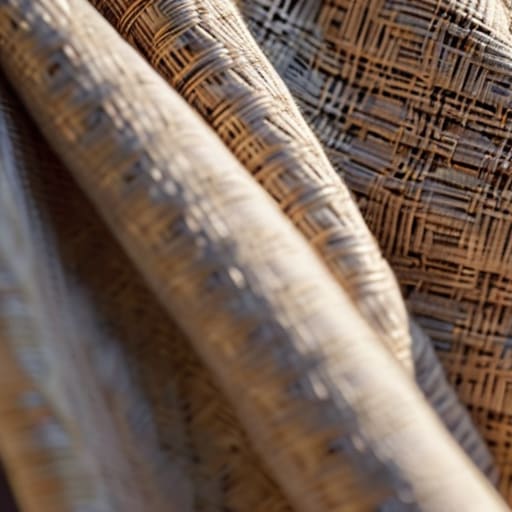
Stop looking at the “Summer Collection” signs and start looking at the composition tag. Most retailers love selling you polyester blends because they’re cheap to make, but if you’re looking for the best blazer fabrics for summer, polyester is your enemy. It doesn’t breathe; it just traps heat against your skin until you feel like you’re wearing a plastic bag. If you want to actually survive a July afternoon without a sweat patch, you need natural fibers. Linen is the obvious choice, but it wrinkles if you look at it wrong. If you need to look a bit more polished, go for a lightweight cotton or a linen-silk blend.
The real math comes down to weight and weave. A heavy twill might look expensive, but it’s a furnace in the sun. I always tell my clients to feel the drape; if it feels stiff and lifeless, it’s probably synthetic. When you’re deciding between an unstructured vs structured blazer, remember that unstructured options usually use lighter, more breathable fabrics that move with you. It’s less about the brand name and more about whether that fabric can actually handle the humidity.
The Anatomy of Shape Unstructured vs Structured Blazer Realities
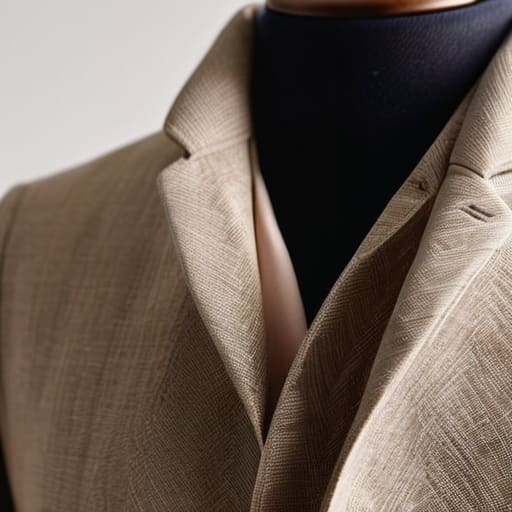
Most people walk into a shop and see a blazer as a single category, but the internal architecture changes everything. A structured blazer is the one with the shoulder pads and the heavy interfacing—it’s designed to create a shape that isn’t necessarily yours. It’s great if you want to look sharp for a presentation, but if the shoulders are even a centimeter too wide, you’re going to look like you’re wearing your dad’s suit. On the flip side, when you’re looking at unstructured vs structured blazer options, the unstructured version is basically a shirt with sleeves. It has no internal padding, meaning it follows your natural lines. It’s much more forgiving, but it won’t hide a slouchy posture.
The real trick is knowing how a blazer should fit the chest before you commit. With a structured piece, you want enough room to move without the lapels bowing out like a tent. If you’re going for smart casual blazer styling, an unstructured linen piece is your best friend because it breathes and moves with you. Just remember: you can tailor a waist, but you can rarely fix a shoulder that’s fighting your actual anatomy.
The Chest Test How a Blazer Should Fit the Chest
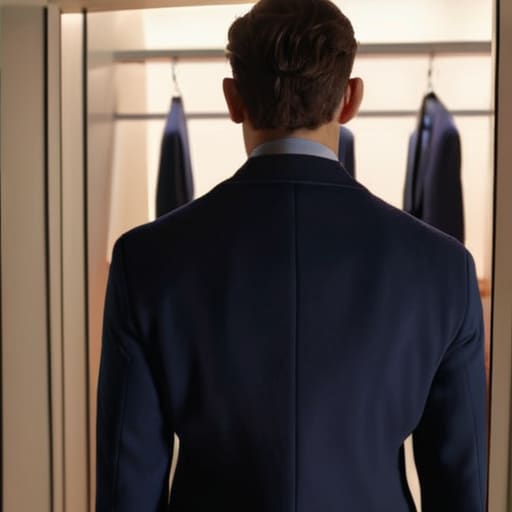
The chest is where most people lose the battle with a blazer. You’ll walk into a dressing room, pull on something that looks decent in the mirror, and think you’re golden—until you actually try to move. If you’re looking for a blazer fit guide for men or women alike, the golden rule is this: if the lapels are bowing outward or creating a weird, tent-like gap, walk away. That “tent” effect means there is too much excess fabric in the torso, and while a tailor can take in the sides, they can’t easily fix a chest that’s fundamentally too cavernous for your frame.
Instead, look for the “pinch test.” You should be able to pinch about an inch of fabric on either side of the chest. If you can grab a handful of material, it’s too big; if the fabric is pulling tight enough to create horizontal tension lines across your pectorals or bust, it’s too small. This is one of those vital tailoring tips for blazers that saves you from looking like you’re wearing your older brother’s hand-me-downs. You want the fabric to skim your body, not fight it.
Tailoring Tips for Blazers Fixing Fit for the Price of Coffee
Here is the reality: most people walk out of a shop with a blazer that is “fine,” which is actually just code for “it doesn’t quite fit anywhere.” If you’ve already bought the piece, don’t panic. Most of the issues aren’t dealbreakers; they are just tasks for a sewing machine. If the sleeves are a fraction too long or the waist is a bit boxy, a quick trip to the tailor can transform a mediocre find into your new favorite piece. Just remember, tailoring tips for blazers start with knowing what is actually fixable.
I can shorten a hem or take in the side seams for a reasonable fee, and that’s where the magic happens. However, do not—I repeat, do not—try to fix a shoulder that is too wide. If the seam is hanging off your natural shoulder bone, it’s a lost cause; that’s a structural nightmare that costs more to fix than the jacket is worth. Stick to adjusting the length, narrowing the waist, or tapering the sleeves. That is how you get that expensive, bespoke look without actually paying the bespoke price.
The Five Things Your Mirror Won't Tell You (But Your Tailor Will)
- Check the shoulder seam, not the label. If the seam is hanging off your natural shoulder bone, you’re looking at a permanent structural problem that will cost you more to fix than the blazer is worth. If it’s too narrow, walk away.
- The “Sit Test” for the back. Don’t just stand there looking pretty in the dressing room. Sit down. If the fabric pulls across your shoulder blades or creates a massive, angry horizontal crease at the small of your back, that’s a sign the torso is too short or the cut is fighting your anatomy.
- Sleeve length is a non-negotiable. You want the cuff to hit right at your wrist bone so you can actually see your hands. It’s a simple £15–£20 hem job, but if the sleeves are already fraying or the fabric is too heavy to shorten without losing the sleeve shape, leave it on the rack.
- Look for “give” in the lining. If the lining is made of cheap, non-breathable polyester that feels like a plastic bag, you’re going to overheat and the fabric will wear out from the inside out. A half-lining or a natural silk/viscose lining is worth the extra few pounds because it actually moves with you.
- Pocket placement is a silhouette killer. If the pockets are sitting too low, they’ll drag your entire silhouette down and make your legs look shorter. If they’re too high, you’ll look like you’re wearing a child’s jacket. Look for where the pocket sits in relation to your natural waist.
The Real Math of a Good Blazer
Stop looking at the price tag to tell you if a blazer is “high quality.” A £300 designer piece with cheap, flimsy lining and zero seam allowance is a waste of money, whereas a £40 charity shop find in a heavy, stable wool can be sculpted into your perfect silhouette for the price of a latte and an hour at the tailor.
Neve Okonkwo-Barr
The Bottom Line on Blazers
Look, choosing a blazer isn’t about finding the piece that looks best on a mannequin or carries the most prestigious logo. It is about the math: checking that the fabric weight won’t pill after three wears, ensuring the shoulder seam actually sits where your body ends, and knowing that a $40 high-street find can easily outperform a $400 “luxury” disaster if the construction is sound. Remember, if the chest pulls or the sleeves are a fraction too long, that isn’t a reason to put it back—it’s just a reason to find a local tailor. Don’t let a minor fit issue stop you from snagging a great piece; just budget for the alteration and you’ll end up with something that actually looks like it was made for you.
At the end of the day, a blazer is just a tool to help you navigate your life, whether that’s a high-stakes meeting or a rainy Wednesday morning. You don’t need a massive wardrobe or a designer credit card to look put-together; you just need a few reliable pieces that respect your shape and your budget. Stop chasing the “perfect” item and start looking for the fixable item. Once you stop viewing clothes as static objects and start seeing them as something you can shape to fit your reality, you’ll realize that style is a skill, not a shopping spree.
Frequently Asked Questions
I found a vintage wool blazer at a charity shop that looks amazing, but the sleeves are three inches too long—is it actually worth paying to have them shortened?
If the wool is heavy and the shoulders actually sit where they should, then yes—do it. Shortening sleeves is one of the easiest, cheapest fixes you can ask for, usually costing less than a decent lunch. But check the construction first: if there’s no extra fabric hidden in the seam allowance, a tailor might struggle to get them to the right length without it looking weird. If the bones are good, pay the fee. It’s a steal.
If I’m buying a blazer for everyday wear, should I prioritize a blend that doesn't wrinkle easily or a 100% natural fiber even if it needs more care?
If this is for your “everyday” rotation—the one you’re grabbing on a rainy Wednesday to run errands or head to a meeting—go for the blend. I’ve spent too many hours steaming out deep creases in 100% linen just to have them look messy again by lunchtime. A high-quality wool-synthetic blend holds its shape and survives the commute. Save the pure natural fibers for the special occasions where you have time to fuss.
How do I know if a blazer's shoulders are too narrow for me to ever fix, or if a tailor can actually move the seam to make it work?
Look, the shoulders are the non-negotiable. If the seam is biting into your deltoid or pulling toward your neck, walk away. Moving a shoulder seam is a massive job—it involves deconstructing the sleeve head and potentially re-cutting the armhole—and a decent tailor will charge you more than the blazer is worth to do it right. If the shoulder doesn’t sit where your bone ends, it’s a lost cause. Don’t waste the money.
