Stop listening to the marketing lies that tell you the “perfect” pair of trousers exists on a retail rack. I spent two years in a basement studio pinning hems for a bridal shop, and if there is one thing I learned, it’s that the garment on the mannequin is a liar. Most people spend hundreds of pounds trying to find a magic size, when the real secret to how to choose trousers that fit isn’t about finding a miracle—it’s about understanding where the fabric meets your bones. If you’re waiting for a brand to finally get your proportions right, you’re going to be waiting until you’re eighty, and you’re wasting money on clothes that just sit there looking limp.
I’m not here to sell you on a new collection or some “must-have” silhouette. I’m going to show you the actual maths of a good purchase: which seams can be let out, which waistbands are a lost cause, and exactly when a £15 trip to a tailor turns a mediocre find into a wardrobe staple. We are going to talk about fabric weight, seat room, and why you should always buy for your widest part first.
Understanding How to Choose Trousers That Fit
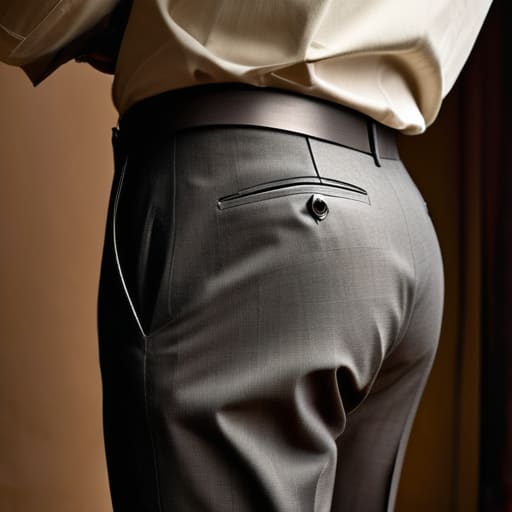
First, we need to stop pretending that the number on the tag is a law. Most brands use “vanity sizing” or inconsistent grading, so if you buy a 32 because it says so, you’re probably going to be fighting a losing battle with your button by lunchtime. Instead, you need to focus on the architecture of the garment. This means getting real about the difference between high and low rise; a high rise sits at your natural waist (the narrowest part), while a low rise hits the hips. If you’re buying trousers that sit too low, you’re going to spend the whole day tugging them up, which is a nightmare for both your comfort and the fabric’s longevity.
Next, let’s talk about the actual geometry of your body. You can’t just eyeball it. If you want to avoid that dreaded “puddling” effect at the ankles, you need to learn the basics of understanding trouser leg length relative to your shoes. Are you going for a clean, no-break look, or something more relaxed? Most importantly, don’t ignore the seat. If the fabric is pulling horizontally across your hips, no amount of “styling” will save you. Buy for the widest part of your body—the seat or the thighs—and let a tailor handle the rest.
Key Things to Know
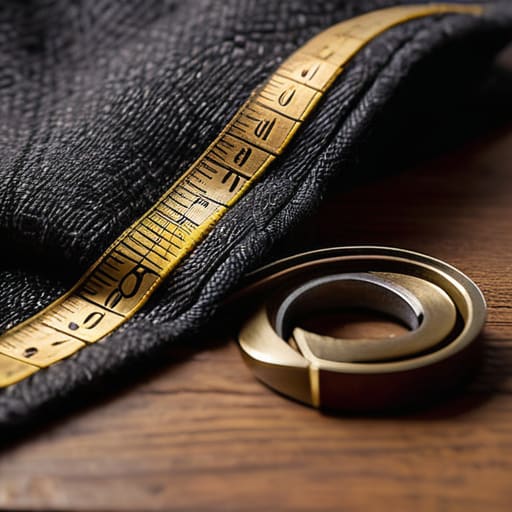
First, let’s get real about the anatomy of the garment. Most people focus entirely on the waist, but if you ignore the seat, you’re going to have a bad time. You need to know how to measure your seat for trousers—that’s the widest part of your hips/bottom—because if it’s too tight there, no amount of belt-cinching will save the silhouette. While you’re at it, pay attention to the difference between high and low rise. A high rise sits at your natural waist and is much easier for a tailor to adjust, whereas a low rise is a structural nightmare if your torso length doesn’t match the design.
Next, stop obsessing over the hem until you’ve checked the fabric. A heavy wool twill can handle a few different trouser break styles explained—from a sharp, no-break look to a more relaxed puddle—but a flimsy polyester blend will just look crushed and messy. If you’re shopping online, forget the “Small/Medium/Large” nonsense; look for actual measurements. If the rise is wrong, you’re looking at a £20+ alteration fee that might actually cost more than the trousers themselves.
Practical Tips and Steps
First, stop trying to find “the one” on the mannequin. A mannequin has no hips, no thighs, and certainly no sitting-down requirements. When you’re in the fitting room, I want you to do two things: sit down and walk. If the waistband digs into your ribs like a tourniquet or the fabric pulls tight across your lap, walk away. If you’re shopping online, ignore the “Small/Medium/Large” nonsense and look for a trouser waist measurement guide in the product description. If the brand doesn’t list actual inches or centimeters, they’re hiding something about the cut.
Once you find a pair that feels okay, we look at the geometry. You need to decide on your trouser break styles explained—are you going for a sharp, no-break look that hits just above the shoe, or something more relaxed? If they’re too long, don’t panic. Most people overpay for “perfect length” when they should just be budgeting £15 for a hem. My best tailoring tips for perfect fit always start with buying for your widest part—usually the seat or thighs—and letting a professional take in the rest. It is much easier to make a big garment smaller than to try and stretch a tight one.
Common Mistakes to Avoid
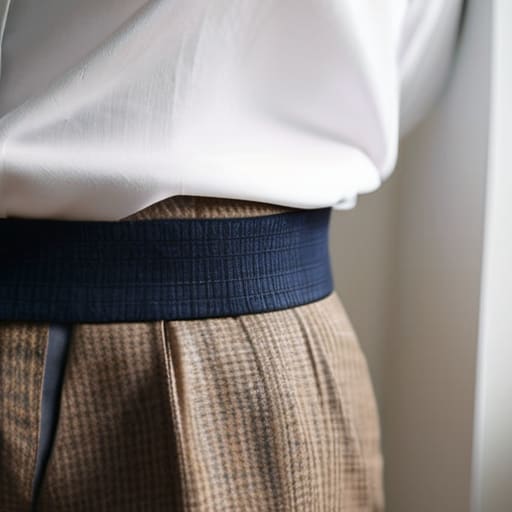
The biggest mistake I see is people treating the size on the tag like it’s a law of physics. It isn’t. A “32” in one brand is a “34” in another, and if you aren’t using a trouser waist measurement guide to check the actual inches, you’re just gambling with your money. Stop trying to squeeze into a size because the label says so; if the waistband is pulling and creating those angry little horizontal tension lines, the garment is too small and the fabric will eventually fail at the seam.
I also see a lot of people getting tripped up by the difference between high and low rise when they are trying to figure out where the garment actually sits on their anatomy. If you buy low-rise trousers but your body is built for a higher hip, you’re going to spend a fortune in alterations just to make them stay up. Finally, stop ignoring the hem. People think they have to choose between “too long” or “too short,” but understanding trouser leg length is really about knowing how much fabric you want to pool on your shoe. Don’t settle for a messy heap of fabric just because you were too lazy to visit a tailor.
Final Thoughts
Look, I know the whole process feels like a lot of math, but stop treating a fitting room like a high-stakes exam. You aren’t looking for a miracle; you’re just looking for a starting point. If you find a pair that feels good in the seat but hangs weird at the ankles, buy them. Most people get hung up on understanding trouser leg length before they even get to the register, but the truth is that the hem is the easiest, cheapest part to fix.
Don’t let a brand’s “standard sizing” bully you into thinking your body is the problem. If the waist is perfect but the hips are pulling, or if you’re struggling with the difference between high and low rise for your specific torso, just remember: the garment is a piece of fabric, not a rulebook. Take it to someone with a sewing machine. Spend the extra fifteen quid to get those side seams taken in or the hem adjusted. At the end of the day, a well-tailored pair of fifty-pound trousers will always look more expensive than a two-hundred-pound pair that sits wrong on your hips.
The Five Rules for Not Wasting Your Money
- Check the rise before you check the waist. If the distance from the crotch to the waistband is too short, no amount of clever styling will stop you from feeling like you’re wearing a permanent diaper. If it’s too long, you’re looking at a £15–£20 alteration to take the waistband up, which is fine, but it’s better to buy it right the first time.
- Prioritize natural fibers over “performance” blends. If the label says 95% polyester and 5% elastane, it’s going to bag out at the knees by lunchtime and stay that way. Look for cotton, wool, or linen; they have “memory,” meaning they actually hold the shape you paid for instead of turning into saggy puddles after three hours of sitting in an office chair.
- The “Sit Test” is non-negotiable. Stand up in the fitting room and look great for the mirror, then actually sit down. If the fabric pulls painfully across your thighs or the waistband digs into your stomach like a blunt knife, walk away. A trouser that looks good standing up but feels like a torture device sitting down is a failed purchase.
- Buy for your widest part, not your smallest. Most people try to squeeze into a size that fits their waist, only to realize the hips or thighs are screaming. Buy the size that fits your hips comfortably, and then spend the £12 it costs to have a tailor take in the waist. It is much cheaper to take fabric away than it is to try and magically conjure more where there is none.
- Inspect the seam allowance. Turn the trousers inside out. If there is at least a centimeter of extra fabric tucked inside the side seams, you’ve found a winner. That extra bit of cloth is your insurance policy; it means if your body changes or you need a slightly more relaxed fit, a tailor can actually work with the garment instead of telling you it’s a lost cause.
The Math of the Perfect Fit
Stop hunting for the “perfect” pair in every changing room like they’re supposed to be magic; buy the trousers that fit your widest part and have the waist taken in for the price of a latte. Style isn’t about finding a miracle on a hanger, it’s about knowing which seams are worth the stitch.
Neve Okonkwo-Barr
The Bottom Line
Look, if you take nothing else away from this, remember that the “perfect” pair of trousers doesn’t exist on a retail rack; it exists in the relationship between the fabric and your specific proportions. Stop obsessing over the size label—it’s usually a lie anyway—and start looking at the rise, the seat, and the drape. Check the fabric composition to ensure it won’t lose its shape by next Tuesday, and always, always leave enough room in the seam allowance for a tailor to work their magic. If the hips fit but the hem is dragging, that is a fifteen-pound fix, not a reason to return the item.
We spend so much energy trying to squeeze ourselves into the clothes the industry thinks we should wear, when we should be making the clothes work for us. Style isn’t about having a massive budget or a closet full of “investment pieces” that actually fall apart after three washes; it’s about the confidence that comes from knowing your clothes actually belong to you. Build your wardrobe one functional, well-fitted piece at a time. When you stop chasing trends and start focusing on how a garment actually sits on your body, you stop being a consumer and start being someone with actual style.
Frequently Asked Questions
If I buy trousers that are too long to save money, is it actually cheaper to hem them or should I just buy the right length?
It’s almost always cheaper to buy long and hem them. If you buy “the right length” off the rack, you’re often paying a premium for a specific sizing that might not actually exist for your proportions. Buy the pair that fits your hips and thighs perfectly—even if they pool at your ankles—and budget £15 for a straight hem. That’s your “maths”: a better fit for the price of a sandwich.
How can I tell if a fabric is too thin to hold its shape once I've had it taken in at the waist?
The “pinch and pull” test is your best friend here. Grab the fabric at the hip and give it a firm tug. If it ripples like a cheap curtain or feels like a wet paper towel, it’s too flimsy. When a tailor takes in the waist, they’re essentially compressing the fabric; if there’s no structural integrity, the seams will just pucker and look like a crushed soda can. If it doesn’t snap back, leave it on the rack.
Is it worth paying for a tailor to fix the rise of a pair of trousers, or is that a structural mess that's better left alone?
Honestly? Most of the time, it’s a structural mess. If the rise is too short, you’re fighting physics, and no amount of stitching will give you back the space you need to sit down comfortably. If it’s too long, you can sometimes nip it, but it’s expensive and risky. Before you spend £30+ on a complex reconstruction, check the crotch seam. If the fabric is pulling or gaping weirdly, leave them on the rack.
