I spent two years in a damp basement studio pinning hems for a bridal shop, and if there is one thing those silk slips taught me, it’s that a “luxury” label is often just a polite way of saying you’re paying for a logo instead of a decent weave. Most fashion blogs will tell you that finding the perfect button-down is about brand prestige or “curating an aesthetic,” but they’re lying. When it comes to how to choose a white shirt, the truth is much more tactile and a lot less glamorous. It’s about whether the cotton is thin enough to become transparent after one wash or if the shoulder seams are positioned so poorly that a tailor will charge you more to fix them than the shirt actually cost.
I’m not here to sell you on a lifestyle; I’m here to help you find a shirt that actually works on a Wednesday. I’ll show you how to spot quality construction by looking at the seam allowance and the opacity of the fabric, and I’ll tell you exactly which fit issues are worth a trip to the tailor and which ones are a total waste of money. We’re going to look at the real maths of style, focusing on durability and fit rather than the hype.
Stop Buying Investment Shirts How to Choose a White Shirt That Lasts
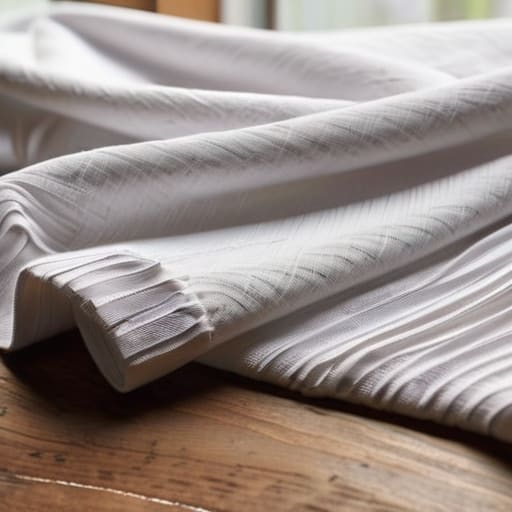
Stop looking at the price tag to tell you if a shirt is “quality.” I see it every week in the studio: someone drops off a £200 designer shirt that’s falling apart because the manufacturer used a thin, high-twist cotton that can’t handle a standard wash. If you want longevity, stop chasing the brand name and start looking at the weave. You want a substantial weight that actually holds its shape. When I’m checking a garment, I’m looking for the best cotton for white shirts—usually a heavier poplin or a sturdy twill—because if the fabric is too flimsy, it’s going to look like a crumpled napkin by lunch.
The other thing brands won’t tell you is that “premium” doesn’t mean opaque. I have a personal white shirt transparency guide which is simple: hold the fabric up to the light. If you can see the outline of your hand clearly, you aren’t buying a shirt; you’re buying a glorified undershirt. A shirt that lets everything underneath show through is a nightmare to style and a headache to maintain. Buy for the weight of the fiber, not the prestige of the label.
The Fabric Math Finding the Best Cotton for White Shirts
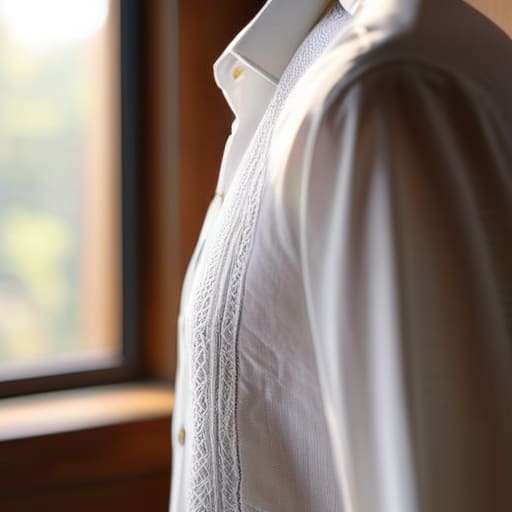
Stop looking at the price tag and start looking at the light. If you hold the fabric up to a window and can see the outline of your hand clearly, put it back. That’s not “breathable,” it’s just thin, and it’s going to look like a cheap undershirt by lunchtime. When you’re navigating a white shirt transparency guide, the real metric is weight and weave. You want a cotton that has enough substance to hold its own shape, rather than clinging to every curve in a way that feels accidental.
If you’re torn between linen vs cotton white shirts, remember that linen is beautiful but temperamental; it’s going to look like you slept in it by 10:00 AM. For a shirt that actually works on a Wednesday, look for a mid-weight poplin or an oxford cloth. Poplin is crisp and professional, while oxford is sturdier and handles a bit of a rough day better. I always tell my clients: if the fabric feels flimsy in the shop, it will be useless in the wash. You want a weave that survives the agitation of a machine, not one that turns into a translucent rag after three wears.
Linen vs Cotton White Shirts Which Survives Your Wednesday
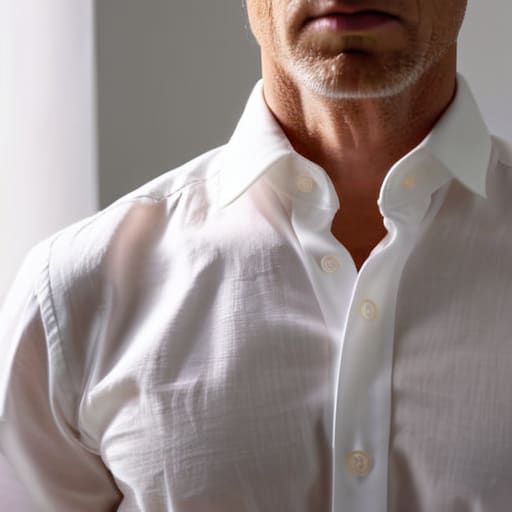
Here is the reality: choosing between linen vs cotton white shirts isn’t about which one looks better on a mannequin; it’s about how much you’re willing to fight with your clothes by 2:00 PM. If your Wednesday involves sitting in back-to-back meetings or commuting on a train, linen is going to betray you. It’s beautiful, breathable, and has that effortless, lived-in vibe, but it has zero white shirt wrinkle resistance. You will look like you slept in it by lunchtime. If you want that crisp, “I have my life together” aesthetic, you need to stick to a high-quality cotton.
However, don’t just grab any cotton tee-style button-down. If you’re looking for longevity, you need to check the weight. A flimsy, lightweight cotton is a recipe for a disaster—it’s basically a walking white shirt transparency guide, showing every seam of your bra or undershirt. I always tell my clients to look for a slightly heavier poplin or an oxford weave. It holds its shape, hides the undergarments, and actually survives the wash without turning into a translucent rag after three months.
Beyond the Price Tag a White Shirt Transparency Guide
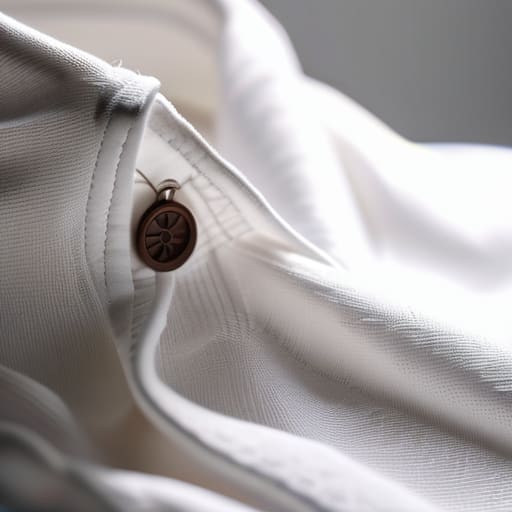
Here is the reality of the shop floor: the more expensive the tag, the more you are often paying for the brand’s marketing budget rather than the construction. If you want a real white shirt transparency guide, you have to look at the seams and the opacity. Hold the fabric up to the light; if you can see the outline of your hand clearly through it, that shirt isn’t going to survive more than three washes before it looks tired and translucent. You aren’t looking for “luxury,” you are looking for density.
Then there is the structural math. Check the collar and the cuffs—are they reinforced, or do they feel like limp paper? If you’re looking at different dress shirt collar styles, make sure the one you pick actually has enough structure to stand up on its own without a permanent wilt by lunchtime. Most importantly, check the buttonholes. If they are messy or fraying on the rack, they will be a disaster after a month of wear. Don’t let a high price tag distract you from poorly finished edges.
Fixing the Fit Collar Styles and How to Measure Shirt Fit
Let’s talk about the part most people ignore until they’re standing in front of a mirror feeling like they’re wearing a sack: the collar. If you’re looking at different dress shirt collar styles, don’t just pick what looks “classic” on a mannequin. A spread collar is great for a tie, but if you’re wearing it open on a Wednesday, a button-down collar will keep you from looking like you’ve lost your way to a boardroom. The real test, though, is the neck circumference. You should be able to fit two fingers between the collar and your skin; any more and it looks sloppy, any less and you’ll be red-faced by lunch.
When it comes to how to measure shirt fit, forget the size on the tag—that’s mostly marketing lies. I want you to check the shoulder seams first. They should sit exactly where your arm meets your torso. If they droop, the whole silhouette collapses, and no amount of white shirt wrinkle resistance will save you from looking unkempt. If the shoulders are right, a tailor can usually take in the sides for about the price of a decent lunch, turning a “meh” shirt into your new favorite.
The Non-Negotiables: 5 Things to Check Before You Hit the Till
- Check the opacity by holding the fabric up to the light; if you can clearly see the outline of your hand through it, you aren’t buying a shirt, you’re buying a glorified bandage, and no amount of clever layering will save you from that level of transparency.
- Look at the seam allowance in the sides; if the seam is stitched right up to the edge of the fabric with no extra material left inside, a tailor can’t widen it if you gain five pounds or want a more relaxed fit, making it a one-way ticket to a wardrobe dead end.
- Inspect the buttons and the placket—if the fabric between the buttons feels thin or flimsy, it’s going to pull and gap across your chest the second you sit down, and that’s a $15 fix you shouldn’t have to pay for.
- Feel the weight of the collar; a flimsy, limp collar that collapses under a sweater is a sign of cheap interfacing, and once it loses its shape, it’s impossible to bring back to life without a professional re-stiffening that costs more than the shirt itself.
- Do the “armhole test”—if the armholes are cut too low and wide, you’ll get that annoying bunching of fabric under your armpits that makes you look like you’re wearing a parachute, and that’s a structural nightmare that most decent tailors will tell you is a lost cause.
The Truth About the 'Perfect' Shirt
Stop looking for a brand name to tell you a shirt is high-quality; look at the seam allowance and the weight of the cotton instead. A £20 shirt with a sturdy weave and enough room in the shoulder for a tailor to nip it in will outlast any ‘investment’ piece that’s built too thin to survive a single heavy wash.
Neve Okonkwo-Barr
The Bottom Line on the White Shirt
At the end of the day, finding the perfect white shirt isn’t about finding a magic brand or a piece of clothing that promises to make your life easier. It’s about knowing that a heavy-weight cotton poplin will hold its shape through a Tuesday meeting better than a flimsy blend, and that a slightly oversized fit is a total win if the shoulder seams actually sit where they should. Don’t let the marketing fool you into thinking you need a hundred-pound shirt to look professional. If you find a decent weave and a silhouette that doesn’t require a structural engineer to fix, you’ve already won. Remember: the best shirt is the one that survives the wash and the tailor’s bill.
Stop waiting for the “perfect” moment or the “perfect” budget to build a wardrobe that actually works for your real, messy, Wednesday-to-Friday life. Style isn’t a luxury reserved for people with endless credit limits; it is the practical art of knowing what works for your body and your bank account. If you find a shirt that feels right, buy it, take it to a local seamstress, and make it yours. Real style is built in the alterations, not in the checkout aisle. Now, go find something that fits, and stop overthinking the label.
Frequently Asked Questions
I found a vintage silk white shirt for next to nothing, but is it actually worth the cost of dry cleaning and the risk of it yellowing?
Here is the truth: silk is high-maintenance, but if the weight is right, it’s worth the fight. First, check the seams—if the silk is paper-thin or the stitching looks stressed, skip it; that’s a money pit. As for yellowing, that’s usually oxidation or old perspiration, which a professional dry cleaner can often lift, but it’s never a guarantee. If the dry cleaning costs more than the shirt, let it go.
If the shoulder seam is sitting an inch too low, can a tailor actually move it up without ruining the whole structure of the shirt?
Honestly? It’s a massive job. Moving a shoulder seam isn’t just unpicking a thread; the tailor has to deconstruct the sleeve, recut the armhole, and potentially reshape the entire bodice. It’s expensive—expect to pay more than the shirt cost at a high street shop. If it’s a structured poplin, it might work, but if it’s a delicate silk, you’re asking for a disaster. If the seam is an inch off, buy a different shirt.
How do I tell if a shirt is going to become see-through after three washes, regardless of what the label says about the weave?
Hold it up to the light. If you can see the distinct outline of your hand through the fabric, run. That’s a low thread count masquerading as “breathable.” You want a tight, dense weave where the light struggles to pass through. Also, check the opacity of the seams; if the thread looks sparse or the fabric puckers where it’s joined, it’s going to thin out and go translucent after three washes. Don’t let them sell you air.
