I spent two years in a basement studio pinning hems for a bridal shop, and if there is one thing I learned, it’s that most “experts” are just salespeople in better lighting. They’ll tell you a silk slip dress is a “wardrobe staple” while ignoring the fact that the seam allowance is so thin it’ll fray after three wears. When you’re trying to figure out how to shop with someone honest, you quickly realize that most people are trained to look at the label’s price tag rather than the integrity of the construction. I’ve seen more “luxury” garments fall apart in a washing machine than I have vintage finds from a charity shop bin, and frankly, I’m tired of the industry pretending that a high price tag equals a long life.
I’m not here to sell you a new aesthetic or convince you that you need a “capsule collection” to be valid. My promise is much simpler: I’m going to show you how to spot the difference between a garment that’s built to last and one that’s just expensive trash. We’re going to talk about fabric weight, stitch density, and why you should always ask a stylist what a repair will actually cost before you swipe your card.
Stop Buying Lies How to Shop With Someone Honest

When you’re standing in a fitting room, the person next to you—whether it’s a best friend or a professional stylist—has a massive amount of power over your bank account. Most people think being a good shopping companion means being a cheerleader, but a cheerleader will tell you that a neon polyester blazer looks “fun” even if it’s going to pill after two wears and has zero structural integrity. If you want to actually build a wardrobe, you need to focus on identifying reliable shopping partners who care more about how the seam sits on your shoulder than how “on-trend” the silhouette is.
The real test is how they react when you say, “I love the color, but the fabric feels cheap and the hem is too long to fix reasonably.” A person worth your time won’t get defensive; they’ll help you do the math. You aren’t looking for someone to validate your impulses; you’re looking for someone helping you with building confidence in purchasing decisions by looking at the construction, not just the label. If they can’t tell you why a garment is a bad buy, they aren’t being honest—they’re just being polite.
Identifying Reliable Shopping Partners Who Value Your Math
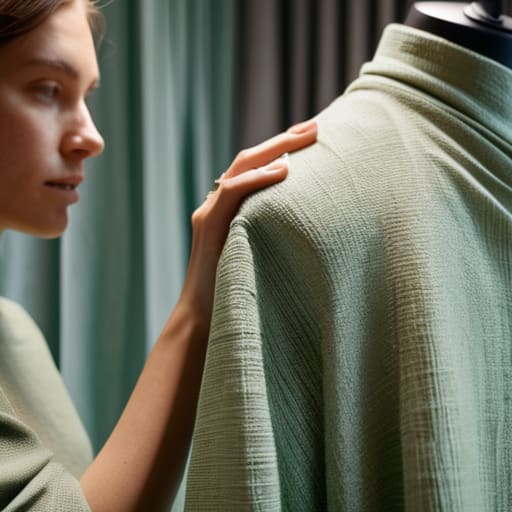
When you’re out looking for pieces, you aren’t just looking for clothes; you’re looking for a second set of eyes that won’t lie to you to avoid an awkward moment. Identifying reliable shopping partners starts with watching how they react when you hold up something that looks great but feels like cheap plastic. A real ally won’t just say “it’s cute” to be polite. They’ll tell you the seam is pulling or that the fabric is going to pill after two washes. If they’re more interested in how the item makes them feel than how it actually functions on your body, they aren’t a partner; they’re just a passenger.
The real signs of a trustworthy consumer—or the person accompanying you—lie in their obsession with the details. You want the person who asks about the care label or checks if there’s enough seam allowance left for a future adjustment. If your companion is constantly pushing you toward “must-haves” or latest trends, you aren’t building a wardrobe; you’re just feeding a cycle. Look for the person who values the math of a garment’s lifespan over the dopamine hit of a new tag.
How to Vet Shopping Companions Beyond the Hype

When you’re out in the wild, the biggest red flag isn’t usually a bad salesperson—it’s the friend who says, “Oh, that looks so cute on you!” without actually looking at how the fabric is behaving. If they can’t tell you why a garment is hitting your shoulders wrong or why that silk blend is going to pill after three washes, they aren’t helping you; they’re just performing friendship. How to vet shopping companions effectively comes down to testing their technical eye. Ask them a specific question: “Does this seam look straight?” or “Is this weight too thin for winter?” A real ally will pause and actually look, whereas a hype-man will just keep pushing you toward the checkout.
True confidence comes from evaluating consumer feedback and opinions through a practical lens, not just scrolling through aesthetic TikToks. You want someone who understands that a “must-have” trend is often just a fast-fashion trap in disguise. If your companion is more interested in the brand name than the seam allowance or the fiber content, they are part of the problem. Look for the person who notices when a hem is dragging or when a button looks like it’s held on by a prayer. That’s the kind of person who helps you build a wardrobe, not just a pile of receipts.
Evaluating Consumer Feedback and Opinions Without Getting Fooled
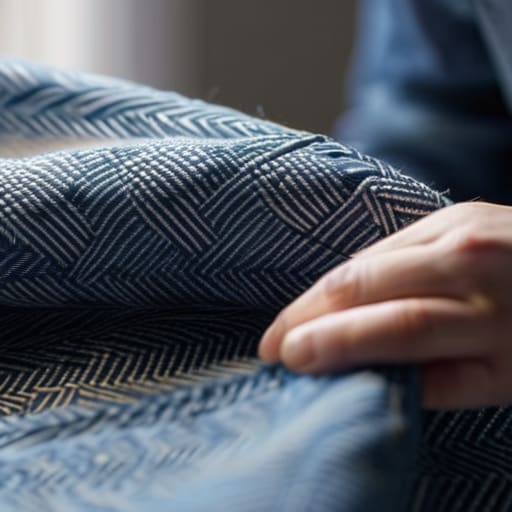
When you’re evaluating consumer feedback and opinions online, you have to treat a comment section like a thrift store bin: most of it is junk, but there’s gold if you know how to sift. I see people getting blinded by five-star reviews that say, “It’s so cute!” or “I felt so pretty!” That tells me absolutely nothing about the structural integrity of the garment. A dress can look “cute” in a filtered photo but fall apart after one wash because the seam allowance was non-existent. Look for the reviews that talk about the weight of the denim or how the hem held up after a month. Those are the signs of a trustworthy consumer—people who care about the math of longevity, not just the dopamine hit of a new package.
Don’t let a sea of “must-haves” trigger your FOMO. Peer pressure doesn’t just happen in a dressing room; it happens in your feed. If everyone is raving about a trend that relies on high-stretch synthetic blends, they aren’t telling you that the elastane will snap by next season. Real confidence comes from ignoring the hype and looking for the technical truth buried in the fine print.
Avoiding Peer Pressure While Shopping for Real Longevity
We’ve all been there: you’re in a fitting room, a friend is hovering, and they’re telling you that the silhouette is “everything” or that you “absolutely need” it for the season. It feels like a compliment, but if they aren’t looking at the construction, they’re just being nice. Avoiding peer pressure while shopping means learning to distinguish between a friend who likes your vibe and a partner who actually understands garment integrity. If your companion is pushing a trend that’s going to look dated by next Tuesday, or a fabric that’s going to pill after three washes, they aren’t helping your wardrobe; they’re just participating in the hype.
Real style is about building confidence in purchasing decisions based on how a piece actually lives in your life. When someone tells you “it looks great,” ask them a technical follow-up: “Does the shoulder sit right, or is the seam pulling?” This shifts the conversation from emotional validation to practical reality. You aren’t looking for a cheerleader; you’re looking for someone who can help you spot a bad hem or a cheap lining before you’ve even reached the till.
The Red Flag Checklist: 5 Ways to Tell if Your Shopping Partner is Actually on Your Side
- Watch their reaction when you say “no.” An honest partner—whether a friend or a professional—doesn’t flinch when you decide a piece isn’t worth the cost. If they try to talk you into it by saying “it’ll look great with X” or “it’s on sale,” they aren’t shopping for your wardrobe; they’re shopping for a dopamine hit or a commission.
- Listen for “fabric talk” over “trend talk.” If they spend the whole time talking about how “in” a color is but won’t even glance at the care label to see if it’s 100% cotton or a glorified plastic blend, run. A real expert knows that a trend dies in six months, but a bad fabric disintegrates in three washes.
- Check if they account for the “Alteration Tax.” If someone suggests a piece that looks “almost perfect” but requires a structural change—like taking in heavy denim or adjusting a shoulder seam—they aren’t being honest unless they mention the extra £20 or £30 it’s going to cost you at the tailor. A bargain that needs a rebuild isn’t a bargain.
- Demand the math on “investment pieces.” If they use the word “investment” to describe a mid-range blazer, ask them to prove it. An honest partner can tell you why the weight of the wool justifies the price tag compared to the cheaper version, or they’ll admit the expensive one is just paying for a logo and a fancy button.
- Look for the “Wednesday Test.” A good shopping companion asks, “Can you actually wear this on a random, boring Wednesday?” If their advice is strictly for “special occasions” or “looking snatched” for a single night out, they are helping you build a costume, not a wardrobe. Real style is about what works when you’re tired and running errands.
The Real Cost of a 'Good' Suggestion
If your shopping partner is only pointing at things that look good in the mirror but won’t tell you that the polyester lining is going to pill after three washes or that the side seams are too narrow to ever let a tailor fix the fit, they aren’t helping you build a wardrobe—they’re just helping you spend money.
Neve Okonkwo-Barr
The Bottom Line
Look, at the end of the day, shopping with someone else shouldn’t feel like a negotiation with a used car salesman. We’ve covered how to spot the red flags, how to ignore the “must-have” hype, and how to vet a partner based on whether they actually understand fabric weight and seam allowance rather than just brand names. If they can’t talk to you about how a garment will actually behave after three washes or what it’s going to cost you to get the waist taken in, they aren’t helping you build a wardrobe—they’re just helping you spend money. An honest shopping companion is someone who isn’t afraid to tell you that a piece is expensive trash simply because the construction won’t hold up.
Stop letting the industry make you feel like you need a bigger budget to have better style. You don’t need a credit card with no limit; you just need a sharper eye and a little bit of backbone. Real style isn’t about the dopamine hit of a new bag; it’s about the quiet confidence of knowing your clothes actually fit your life and your bank account. Build your wardrobe one logical decision at a time, and remember: if the math doesn’t work, the outfit doesn’t work. Now, go find someone who cares more about your fit than your receipt.
Frequently Asked Questions
What do I do if the person I'm shopping with is actually a professional stylist but keeps pushing things that don't fit my budget or my lifestyle?
Look, a title doesn’t make them right. If a stylist is pushing a £400 silk blouse when you need a durable cotton shirt that survives a Tuesday commute, they aren’t styling you—they’re styling their portfolio. Stop them mid-sentence. Tell them: “The math doesn’t work. This doesn’t fit my budget, and the fabric won’t survive my lifestyle.” If they can’t pivot to finding a better-fitting, cheaper alternative, they aren’t a stylist; they’re just an expensive salesperson.
How can I tell if a "personal shopper" is actually looking out for my wardrobe's longevity or if they're just getting a kickback from the brands they're recommending?
If they only suggest brands that “feel right” but never mention how the fabric will hold up after five washes, run. A real pro talks about seam strength and fiber content, not just vibes. Ask them straight: “What’s the cost-per-wear if this pilling starts in six months?” If they can’t do the math or if they steer you toward specific high-commission labels without discussing alterations, they aren’t a stylist—they’re a walking billboard.
If I find a piece I love but the person I'm with says it's "poor quality," how do I check if they're right about the fabric or just being overly picky?
Don’t take their word for it—go for a tactile interrogation. Check the weight and the “recovery.” If it’s a knit, scrunch it in your fist; if it stays a wrinkled mess, it’s cheap fibers. Look at the seams. If the fabric is thin but the stitching is tight and even, you might have a winner. If the fabric feels like plastic and the seams are puckering, they’re right. Trust the weave, not the opinion.
