I’ve spent way too many afternoons in cramped, fluorescent-lit dressing rooms watching people walk out of a shop feeling like they’ve suddenly gained twenty pounds, only to realize later the garment was fine and the room was the problem. It is a scam, plain and simple. Retailers use these sickly, overhead yellow lights and angled mirrors to manipulate your perception, and honestly, it’s a form of gaslighting. You aren’t failing the outfit; it’s just that how mirrors and lighting mislead you is a calculated part of the shopping experience designed to make you feel insecure or, conversely, to hide a terrible seam under a shadow.
I’m not here to give you a lecture on “visual aesthetics” or tell you to buy a more expensive version of the same mistake. Instead, I’m going to show you how to actually vet a piece of clothing when the environment is working against you. We’re going to talk about how to spot a true fit in bad light, why certain fabric weights behave differently under shadows, and how to tell if a garment is worth the trip to my sewing machine or if it’s just a lighting trick meant to hide a cheap construction.
Understanding How Mirrors and Lighting Mislead
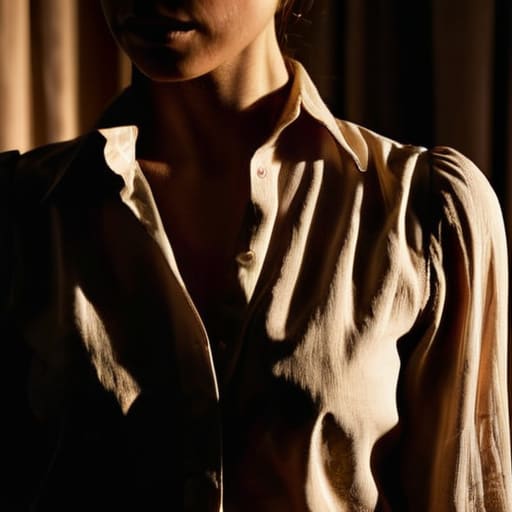
First, let’s talk about the physics of it. Most high-street dressing rooms are designed to be “flattering,” which is often code for “visually dishonest.” When you’re standing under harsh, singular spotlights, you’re dealing with the brutal impact of overhead lighting on appearance. These lights cast downward shadows that settle into your collarbones, under your eyes, and right in the hollows of your stomach. Suddenly, a perfectly fine linen shirt looks like it’s bunching in all the wrong places, and you start questioning if the garment is actually the problem or if it’s you.
Then there is the actual glass. Not all mirrors are created equal, and many retail spaces use cheap, slightly warped sheets that create a subtle visual distortion in retail environments. A mirror that leans back even a fraction of a degree can make your legs look shorter and your torso look heavier than they actually are. It’s a psychological trap. You walk out feeling defeated, thinking you need a different size, when really, you just need a mirror that doesn’t lie to your silhouette.
Key Things to Know

First, let’s talk about the impact of overhead lighting on appearance. Most high-street shops use harsh, top-down spotlights because they’re cheap and they make the clothes look crisp, but they are absolute killers for your face. These lights create deep shadows under your eyes and nose, which basically tricks your brain into thinking you look tired or “off” when you’re actually fine. It’s not a skin issue; it’s a physics issue.
Then there is the sneaky business of the color rendering index and skin tone. If a store uses low-quality LED bulbs, your skin might look grey or sallow, making that “perfect” beige knit look like it’s washing you out. You walk out of the store feeling drab, but the truth is the light was just lying to you.
Finally, watch out for the tilt. Some mirrors are slightly angled upwards to make your legs look longer, but this creates a massive amount of visual distortion in retail environments. It makes the garment hang in a way that is physically impossible, meaning you’re buying a silhouette that doesn’t actually exist in the real world.
Practical Tips and Steps
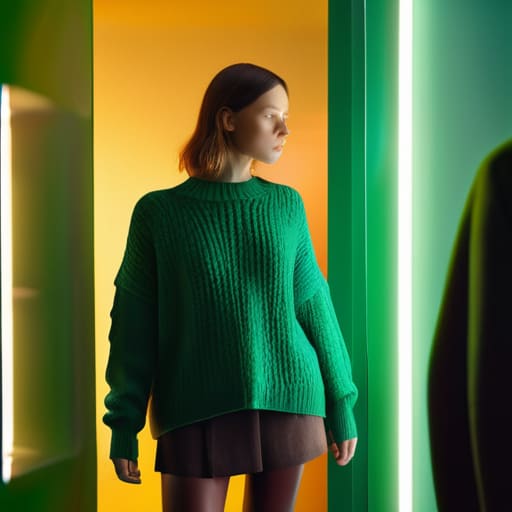
First, stop making permanent decisions based on a single glance in a dim cubicle. If you’re in a shop with harsh, yellow-tinted bulbs, you aren’t seeing the actual color of that knit; you’re seeing a lie. Look for the color rendering index—if the light feels muddy or makes your skin look sallow, the garment’s true hue is a gamble. I always tell my clients to take the piece to a window if they can. Natural light is the only way to see how a fabric actually behaves and how the color interacts with your complexion.
Second, watch the shadows. The impact of overhead lighting on appearance is brutal; it creates deep pockets under your collarbones and chin that aren’t actually there. If a dress looks “frumpy” under a spotlight, try turning your body to a side angle or checking the fit in a different part of the store. If the silhouette only works when you’re standing in a specific, lucky beam of light, it’s not a good fit—it’s just good stagecraft. Don’t let a poorly placed bulb dictate your wardrobe.
Common Mistakes to Avoid

The biggest mistake I see is people taking a bad fitting room experience as a personal failure. You walk in, the light hits you from a weird angle, and suddenly you think you’ve “gained weight” or that a skirt doesn’t suit you. In reality, it’s just the impact of overhead lighting on appearance creating harsh shadows that shouldn’t be there. If the light is coming from directly above, it’s going to carve out dark hollows under your eyes and collarbones, making you look exhausted rather than chic. Don’t let a poorly designed ceiling fixture dictate your self-worth.
Another trap is trusting a garment’s color just because it looked great on the hanger. Retailers often use lights with a terrible color rendering index and skin tone compatibility, meaning a soft sage green might look like a muddy grey once it’s against your face. If you buy something based on how it looks under those sickly yellow fluorescent tubes, you’re going to regret it when you try to wear it in actual daylight. Always, always check the fabric in natural light before you commit.
Final Thoughts
Look, at the end of the day, don’t let a bad dressing room ruin your mood or your bank account. If you walk out of a shop feeling like a disaster because the overhead lighting turned your skin grey and made your waistline vanish into a shadow, remember that it’s a technical failure, not a personal one. The visual distortion in retail environments is often intentional—or at least, it’s a result of designers prioritizing “mood” over actual functionality. If the lighting is making you doubt your silhouette, walk away.
The goal isn’t to find the perfect light; it’s to find the truth. Before you commit to a purchase, try to imagine that garment in your own bathroom or under the actual sun. If a piece only looks good under a flattering, warm glow, it’s probably not a piece that will work on a Wednesday. Stop letting the shop gaslight you. Buy for the fabric, buy for the fit, and remember that a little bit of tailoring can fix almost anything—but no amount of expensive silk can fix a bad mirror.
The Quick-Fix Cheat Sheet for Dressing Room Deception
- Check the seams, not your shadow. If the lighting is dim or yellow, you won’t see how a fabric is pulling or where a seam is puckering. Turn toward the light source and look for shadows in the fabric itself; if the light is hitting you from directly above, it’ll create artificial shadows under your bust or stomach that aren’t actually there.
- The “Two-Mirror Test” is non-negotiable. If the shop only has one mirror, you’re flying blind. You need to see your profile to know if a jacket is bunching at the small of your back or if the trousers are sagging. If you can’t see your side view, don’t buy it—you’ll regret the silhouette the second you step into natural daylight.
- Beware the “Slimming” Tilt. Some stores use mirrors that are slightly tilted backward. It’s a cheap trick to make your legs look longer and your torso look smaller, but it’s lying to you about your proportions. If the mirror feels like it’s leaning away from you, assume the fit is a lie and check the actual measurements of the garment.
- Bring your own light (or at least your phone). If you’re in a dressing room that feels like a cave, turn on your phone’s flashlight and hold it at eye level. It’s the only way to see the true color of the fabric and whether that “expensive” navy is actually a muddy charcoal that will make your skin look washed out.
- Ignore the “Magic Mirror” glow. High-end boutiques love warm, flattering, diffused lighting that makes everyone look like they’re in a filter. It feels great, but it hides flaws in construction. If you can’t see the grain of the fabric or the precision of the stitching because the light is too soft, you’re paying for an atmosphere, not a well-made garment.
The Dressing Room Deception
Stop apologizing to the mirror for how you look in a shop that uses fluorescent overheads to hide cheap seams; the lighting is lying to you, and if a garment only looks good under a spotlight, it’s a costume, not a piece of clothing.
Neve Okonkwo-Barr
The Reality Check
At the end of the day, don’t let a flickering fluorescent tube or a tilted dressing room mirror dictate your self-worth or your bank balance. We’ve covered how harsh overhead lighting creates shadows that make even the best tailoring look messy, and how those “slimming” tilted mirrors are nothing more than a cheap psychological trick. Remember: if a garment looks terrible in a dim, yellow-lit corner, it doesn’t mean the piece is bad—it means the environment is failing the fabric. Always check your seams in natural light if you can, and never, ever buy something based on a reflection that feels like it’s gaslighting you.
Building a wardrobe that actually works for your life isn’t about chasing every trend that looks good under a studio ring light; it’s about finding the pieces that hold up when you’re standing in your own hallway on a Tuesday morning. Stop letting the retail industry use bad lighting to sell you “miracle” fits that will fall apart after two washes. You deserve clothes that fit your body, not just the version of yourself that a poorly placed spotlight is trying to manufacture. Focus on the substance of the stitch and the reality of the drape, because a well-fitted, honest garment is worth more than a thousand shiny, deceptive reflections.
Frequently Asked Questions
If the lighting in a shop is terrible, is there a specific way I can test how a garment actually looks before I commit to buying it?
If the lighting is trash, stop trusting the mirror. Grab your phone and take a video. Move around—sit down, walk, turn sideways. The camera sensor often flattens the weird shadows that the overhead spotlights are creating, giving you a more honest view of the silhouette. Also, check the fabric texture in the video; if it looks like plastic under those lights, it’ll probably feel like it, too.
How can I tell if a piece of clothing fits poorly, or if it's just the way the dressing room mirror is angled?
The easiest way to tell? Check the seams, not your silhouette. If the lighting is making you look “off,” the fabric will still behave. Look at the shoulder seams—if they’re pulling or gaping, the garment is actually too small. If the fabric is pooling weirdly at the waist, it’s a fit issue, not a mirror issue. If the seams sit where they should but you just feel “wrong,” blame the lighting.
Are there certain types of fabrics that are more prone to looking "cheap" or different under harsh fluorescent shop lights?
High-shine synthetics are the biggest offenders. Under those brutal fluorescent tubes, cheap polyester satin or anything with a heavy metallic coating doesn’t “glow”—it looks oily. It catches the light in all the wrong places, highlighting every uneven seam or cheap thread. Also, watch out for thin, flat cottons; they lose their structure under harsh light and end up looking limp and washed out. If it looks like plastic under the shop lights, it’ll look like plastic in daylight.
