I once spent a frantic Saturday morning in my grandmother’s tiny sewing room, staring at a beautiful, vintage wool cardigan that had been reduced to a lace of tiny, jagged holes. She didn’t cry; she just handed me a darning needle and told me that if I didn’t learn how to protect against moths, I’d spend my whole life repairing mistakes instead of making clothes. Most people think the answer is buying some overpriced, lavender-scented “luxury” storage box from a boutique, but that’s just marketing fluff designed to make you feel like your closet is a problem that needs a subscription service.
I’m not here to sell you on aesthetic cedar chests that lose their scent in a month or expensive chemical sprays that smell like a hospital wing. Instead, I’m going to give you the actual mechanics of fabric preservation. I’ll show you which storage methods actually work for different fiber weights, why a simple cleaning routine is more effective than any “magic” repellent, and how to spot an infestation before it turns your favorite knit into a scrap heap. We’re going to focus on practical, low-cost defense so you can stop worrying about the bugs and start wearing your clothes.
Understanding How to Protect Against Moths
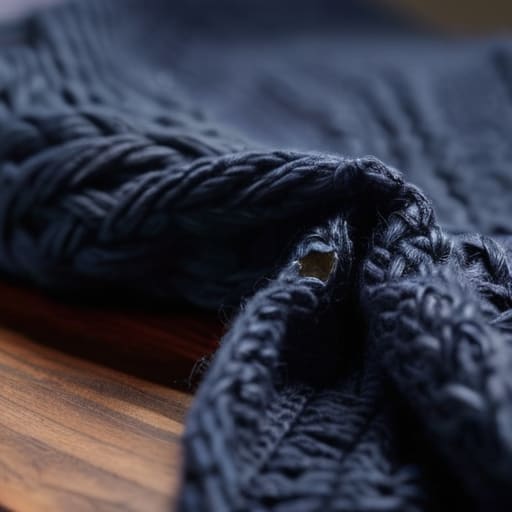
First, you have to understand that it isn’t the adult moths eating your favorite knitwear; it’s the larvae. They are the ones doing the actual damage, tunneling through fibers and leaving those tiny, frustrating holes that look like they were made by a cigarette burn. Identifying moth infestations early is the difference between a quick clean and having to pay a tailor to patch a gaping hole in a seam. Look for “webbing” or little clumps of grit in the folds of your clothes—that’s a red flag that you have guests you didn’t invite.
When it comes to protecting wool garments, stop relying on those little white mothballs. They smell like a chemical factory and honestly, the scent lingers in the fibers so long you’ll be smelling a laboratory every time you put on your sweater. I prefer natural moth repellent methods that actually work without ruining the scent of your laundry. A few drops of cedar oil or even certain essential oils for moth prevention can help, but remember: scent is a deterrent, not a total shield. If the fabric is already a buffet of skin cells and spilled coffee, the moths won’t care how much lavender you’ve sprayed.
Key Things to Know

First, we need to talk about what we’re actually fighting. It isn’t the moth itself; it’s the clothing moth larvae damage that does the heavy lifting. The adults just want to mate and move on, but the larvae are the ones hungry for your favorite cashmere jumper. If you see tiny, irregular holes or what looks like fine, sandy dust near a seam, you aren’t just looking at wear and tear—you’re identifying moth infestations in real-time. By the time you see a gaping hole in a sleeve, the repair cost is already higher than the garment’s resale value.
Second, stop relying on those little scented blocks from the supermarket. They smell like a cheap hotel lobby and, frankly, they don’t do much. If you want to actually succeed at protecting wool garments, you need a physical barrier. I’m talking airtight plastic bins or heavy-duty vacuum bags. If you prefer natural moth repellent methods, go for high-quality cedar or lavender, but remember: these are deterrents, not shields. They signal “stay away,” but they won’t stop a hungry larva if it’s already found a way into your drawer.
Practical Tips and Steps
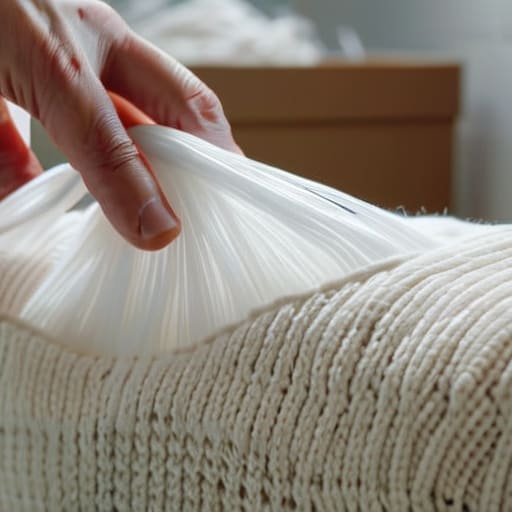
First, stop treating your seasonal storage like a graveyard. If you’re shoving a heavy knit into a plastic bin without cleaning it first, you’re basically setting a dinner table for them. Even if a sweater looks fine, microscopic skin cells and tiny spills are what attract them. I always tell my clients: clean before you store. If you can’t do a full wash, at least steam it thoroughly to kill off any hitchhikers. For serious protecting wool garments, skip the flimsy cardboard boxes and go for airtight, heavy-duty plastic containers or vacuum bags. It’s the only way to ensure you aren’t just trapping the problem inside with your favorite jumper.
Next, let’s talk about the “scent” trap. Everyone reaches for those little lavender sachets, but honestly? They’re mostly just making your closet smell like a spa while the larvae do their work. If you want to use natural moth repellent methods, go for high-quality cedar blocks or even specific essential oils, but you have to sand the wood every few months to keep the scent active. If you see a tiny, fuzzy caterpillar or a suspicious little hole, don’t wait. That’s the sign of clothing moth larvae damage already in progress, and once they’ve started eating the fibers, a tailor can’t magically weave the fabric back together.
Common Mistakes to Avoid
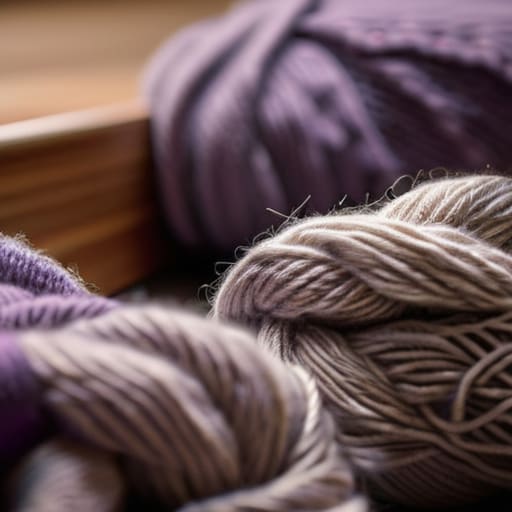
The biggest mistake I see is the “set it and forget it” mentality. People buy a fancy cedar chest or a box of expensive lavender sachets, tuck their knits away, and assume they’re safe. But here’s the truth: those things are just deterrents, not shields. If you haven’t actually cleaned the garment, you’re just inviting the larvae to a buffet. You can’t just shove a sweater into a storage bin if you’ve been wearing it all day; skin cells and tiny spills are basically a dinner bell for clothing moth larvae damage.
Another massive error is relying solely on “natural” solutions without actually checking your stock. I see people buying expensive essential oils for moth prevention and thinking they’re invincible, but if you aren’t physically inspecting your seams every few months, you’re playing a losing game. Don’t wait until you see a literal hole in your favorite cashmere to start identifying moth infestations. By then, you aren’t just looking at a simple repair; you’re looking at a structural nightmare that might cost more to fix than the sweater was worth in the first place.
Final Thoughts
Look, at the end of the day, protecting your clothes isn’t about buying a fancy, overpriced “wardrobe preservation system” from a lifestyle brand. It’s just about being a bit more observant of what you own. If you’ve spent decent money on a heavy wool blazer or a vintage silk slip, you owe it to your bank account to keep an eye on them. Identifying moth infestations early is the difference between a quick clean and having to pay a tailor to patch holes that honestly just ruin the drape of the garment forever.
I’m a big believer in natural moth repellent methods—think cedar blocks or even just making sure your seasonal storage is airtight—rather than relying on those chemical sachets that smell like a hospital wing. If you take ten minutes every few months to check your drawers, you’ll save yourself a massive headache. Don’t let a tiny bit of neglect turn into expensive clothing moth larvae damage. Treat your clothes like the assets they are, and they’ll actually last long enough to become the vintage pieces you’ll be hunting for in ten years.
Five ways to save your clothes from being eaten alive
- Stop storing “clean” clothes that aren’t actually clean. I know, it feels like a chore, but even a tiny, invisible drop of sweat or a microscopic crumb on a wool sweater is basically a dinner bell for larvae. If you wouldn’t wear it, don’t put it in the cedar chest.
- Ditch the fancy scented sachets and go for actual cedar or lavender. Most of those “luxury” moth repellent sprays are just expensive perfume that does nothing for the actual infestation. Real cedar blocks or even just a handful of dried lavender in a muslin bag are cheap, they smell better, and they actually work.
- Use airtight storage, not just “neat” storage. A cardboard box is basically a luxury apartment for a moth. If you have a heavy wool coat or a knit you aren’t wearing this season, get it into a vacuum bag or a really tight plastic bin. If air can’t get in, the moths can’t get in.
- Check your seams every single time you pull something out of seasonal storage. Moths are lazy; they love to hide in the dark, tight crevices like underarm seams or inside waistbands. A quick inspection now is much cheaper than paying a tailor to patch a hole in a cashmere blend later.
- Don’t ignore the “cheap” wool trap. If you’ve bought a budget wool blend, treat it with even more suspicion. These fabrics often have looser weaves that make it even easier for a moth to make itself at home. Treat every single natural fiber like it’s a target.
The real cost of a moth hole
A moth hole isn’t just a tiny gap in your knitwear; it’s a repair bill you didn’t budget for. Don’t let a few larvae turn your favorite wool jumper into a project you can’t afford to fix—clean your clothes, seal your storage, and treat your fabrics like the assets they actually are.
Neve Okonkwo-Barr
The Bottom Line
Look, protecting your clothes isn’t about buying a fancy, scented wardrobe system that costs more than the clothes themselves. It’s about the basics: cleaning your woolens before they go into storage, checking those seams for stray hairs or skin cells that act like a dinner bell for larvae, and using actual, physical barriers like cedar or airtight bins. If you invest time in proper maintenance and storage, you aren’t just saving a sweater; you are avoiding the absolute heartbreak of finding a hole in a piece you actually love. A moth hole is a repair cost that rarely feels worth the math, so just prevent it from happening in the first place.
At the end of the day, your wardrobe shouldn’t be a museum of things you’re afraid to touch, but it shouldn’t be a casualty of neglect either. We spend so much time worrying about what’s “in” this season that we forget the most radical thing you can do is make what you already own last. Taking ten minutes to properly fold a knit or swap out a moth repellent isn’t “extra” work—it’s just being a good steward of your own money. Stop looking for the next big purchase and start protecting the pieces that actually fit your life.
Frequently Asked Questions
If I find a small moth hole in a wool sweater I actually love, is it worth paying a tailor to darn it, or am I just throwing money after bad fabric?
If the sweater is high-quality wool—think heavy weight or a tight knit that isn’t pilling into oblivion—darn it. A professional darn will cost you about the price of a lunch, and it’s much cheaper than replacing a good garment. If it’s that thin, itchy acrylic blend from a fast-fashion haul? Let it go. Don’t spend ten pounds fixing a five-pound sweater; that’s just bad math.
Does using those fancy scented moth sachets actually work, or am I better off just spending five quid on some proper cedar blocks?
Honestly? Save your money. Those fancy, lavender-scented sachets are mostly just a way for brands to charge you a premium for pretty packaging. They smell nice to you, but they don’t actually stop a moth from eating your wool. Go for the cedar blocks. They’re blunt, they’re cheap, and the scent actually carries enough oil to deter pests. Just sand them down every few months to refresh the scent—it’s a five-minute job that saves a £200 repair.
Can I safely use a standard washing machine cycle to kill off any larvae, or am I going to ruin the structure of the garment?
It depends entirely on the care label, and that’s where most people lose a good sweater. If it’s a sturdy cotton or a synthetic blend, a hot wash can kill larvae, but if you’re talking about wool or cashmere, a standard cycle is a death sentence for the fibers. You’ll end up with a felted, shrunken mess that no tailor can fix. For delicate knits, skip the machine and go for a deep freeze instead.
