I spent three years in a basement studio pinning hems for people who thought they needed a whole new wardrobe just because they had a dinner date. The industry loves to tell you that learning how to dress up jeans requires a massive spree of “elevated” basics—silk blouses that cost more than my rent or designer loafers that fall apart in a month. It’s a lie. Most of the time, when people say they can’t make denim look polished, they aren’t actually lacking clothes; they’re just fighting a losing battle against a bad silhouette and a waistline that refuses to cooperate.
I’m not here to sell you a new aesthetic or a curated shopping list of “must-haves.” Instead, I’m going to show you how to actually use what you already own by focusing on fabric weight, structural integrity, and the occasional twenty-dollar trip to the tailor. We’re going to talk about why a heavy-weight denim behaves differently than a flimsy stretch blend and how a simple adjustment to your inseam can make a pair of thrifted Levi’s look like they were made for you. No hype, no expensive filler—just the maths of looking put-together.
Understanding How to Dress Up Jeans
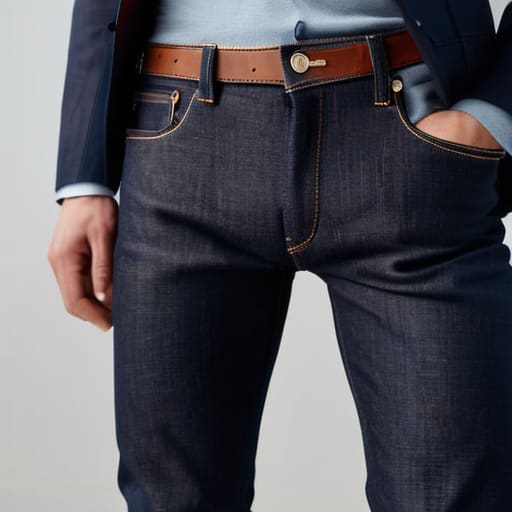
Before you start scrolling through Pinterest for “aesthetic” inspiration, we need to talk about what you’re actually wearing. You cannot dress up a pair of jeans if the fabric is thin, the wash is splotchy, or the knees are already bagging out from a year of heavy use. If you want to master elevated denim styling, you have to start with the foundation. I always tell my clients: look for a higher cotton weight and minimal elastane. If your jeans feel like leggings, they will never look “smart,” no matter what blazer you throw over them.
The goal isn’t to hide the denim, but to balance the casual nature of the fabric with structure. This is where most people trip up—they try to match the “vibe” instead of the silhouette. For smart casual denim outfits, think about the tension between soft and sharp. If you’re wearing a relaxed straight-leg, you need a crisp, structured top to prevent looking like you’ve given up. If the waist is gaping because you’ve lost weight or the cut is just slightly off, don’t buy a new belt to cinch it; spend that money on a tailor to take in the waist instead. That is how you actually look expensive.
Key Things to Know
First, let’s talk about the fabric, because if the denim is thin, flimsy, or has that weirdly shiny stretch-to-the-point-of-looking-like-leggings feel, no amount of styling will save it. For smart casual denim outfits, you want weight. You want a denim that actually holds its shape when you sit down. This is why I always tell people that dressing up dark wash jeans is the easiest win in their wardrobe; the deep indigo looks intentional and expensive, whereas a light, distressed wash often just looks like you’re heading to a lecture.
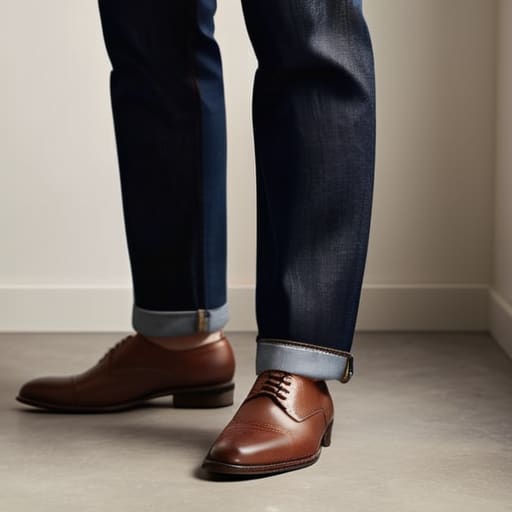
Second, pay attention to the architecture of the outfit. If you’re trying to figure out fashionable ways to wear jeans for something like a gallery opening or a nice meal, stop looking for a “statement top” and start looking at structure. A crisp, heavy cotton shirt or a structured blazer changes the entire silhouette. I’m a huge fan of denim and blazer combinations because the blazer does the heavy lifting for the “smart” part, while the jeans keep you from looking like you’re trying too hard. Just make sure the hem of the jeans doesn’t bunch up like an accordion over your shoes; if it does, spend the fifteen quid to get them tapered.
Practical Tips and Steps

First, let’s talk about the physics of the outfit. If you’re attempting smart casual denim outfits for something like a dinner date, stop reaching for a flimsy cardigan. You need structure to counteract the casual nature of the cotton. I always suggest a structured blazer—ideally in a wool blend or a heavy crepe—to create a clear line from shoulder to hip. This creates a visual “anchor” that tells people you actually tried. If your jeans are a bit loose in the waist, don’t use a belt to cinch them into a bunch of fabric; spend the ten pounds to have a tailor take in the waistband so the silhouette remains clean.
Second, pay attention to the wash. While light washes are great for a Sunday brunch, dressing up dark wash jeans is the easiest way to cheat a formal look. A deep indigo or even a black denim acts almost like a trouser, especially if the hem is the right length. If your jeans are dragging on the floor or bunching like an accordion at your ankles, they will never look expensive. Take them to someone with a sewing machine and get a clean, single hem—it’s a twenty-minute job that changes everything.
Common Mistakes to Avoid

The biggest mistake I see is the “identity crisis” outfit—trying to force a pair of distressed, baggy boyfriend jeans into a smart casual denim outfits category. If your denim has heavy whiskering, frayed hems, or holes in the knees, no amount of expensive silk or a structured blazer will perform magic. You’re fighting the fabric, and the fabric always wins. If you want to look intentional, stop trying to dress up “weekend” denim and start looking for a cleaner silhouette.
Another trap is ignoring the architecture of the outfit. People often think adding a blazer is a universal fix, but if your jeans are sagging at the crotch or pooling heavily over your shoes, the whole look collapses into a mess. For styling jeans for dinner dates, the goal is a streamlined silhouette. If the waist is gaping, don’t just tuck in a fancy blouse and hope no one notices; spend the fifteen pounds to have a tailor take in the waistband. A perfect fit makes a twenty-pound pair of jeans look like a hundred; a bad fit makes a designer pair look cheap.
Final Thoughts
Look, at the end of the day, you don’t need a bigger wardrobe; you just need to stop treating your denim like an afterthought. Most people think “dressing up” means buying a new pair of trousers, but that’s just more money down a drain that doesn’t need it. If you’ve mastered the basics of proportion and you aren’t afraid to spend fifteen quid to get a waist taken in, you’re already ahead of 90% of the people walking down the street.
Whether you are experimenting with denim and blazer combinations for a meeting or just trying to figure out fashionable ways to wear jeans to a pub dinner, remember that the fabric does the heavy lifting. If the denim is high-quality and fits your actual shape—not the shape on the mannequin—the rest is just playing with layers. Don’t let marketing convince you that “special occasions” require a complete identity shift. Just fix the fit, respect the fabric, and stop overcomplicating it.
The Five Rules for Making Denim Look Like You Actually Tried
- Stop ignoring the waist gap. If you’re trying to look “polished” but your jeans are bunching up at the lower back because they don’t fit your hips, you just look like you’re wearing someone else’s clothes. A tailor can take in that waistband for about £15-£20, and suddenly that “casual” denim looks like a deliberate, high-end silhouette.
- Check your denim weight before you pair it with anything fancy. Thin, stretchy jegging-style fabric is the enemy of a dressed-up look because it shows every single seam and underwear line. If you want to wear a blazer or a silk blouse, use a heavier, 100% cotton rigid denim; it holds its own shape and provides the structural foundation that makes an outfit look expensive.
- Watch the hem length like a hawk. Nothing kills a “smart-casual” vibe faster than jeans that are dragging under your heels or bunching up in messy folds at your ankles. If you’re wearing loafers or pointed boots, get them hemmed to hit just above the ankle bone. It’s a twenty-minute job at a local shop and it changes the entire line of your leg.
- Ditch the “distressed” trend if you’re aiming for anything above a Sunday morning coffee run. Rips, frayed edges, and heavy whiskering are hard to balance with “nice” pieces. If you want to dress up your jeans, stick to a clean, dark wash or a solid mid-blue with zero holes. It’s much easier to make a clean line look intentional than to try and make a shredded hem look sophisticated.
- Evaluate your hardware. If your jeans have cheap, shiny, oversized silver buttons that look like they’ll pop off in a week, they are going to drag down your leather jacket or your wool coat. I’d rather see a pair of mid-range jeans with understated, matte hardware than a designer pair that looks like a costume. The goal is for the denim to support your clothes, not compete with them.
The Myth of the "Fancy" Jean
Stop looking for the ‘dressy’ denim in the department store window; most of it is just overpriced polyester with a fake sheen. If you want to look expensive, take the sturdy cotton pair you already own, spend fifteen quid getting the hem cleaned up so they hit your ankle perfectly, and stop trying to outspend your silhouette with a brand name.
Neve Okonkwo-Barr
The Bottom Line
At the end of the day, dressing up jeans isn’t about buying a silk blouse that costs more than your weekly groceries just to “balance” a pair of denim. It’s about understanding the mechanics of what you’re already wearing. If you focus on the fabric weight, ensure your proportions aren’t fighting your silhouette, and—most importantly—make sure the waist actually sits where it’s supposed to, you’ve done 90% of the work. Don’t let a marketing campaign convince you that you need a whole new wardrobe to look polished; usually, you just need a better-fitting hem or a smarter way to layer what you already own.
Stop looking at your closet as a collection of things you “can’t wear” because they aren’t trendy enough. Style isn’t a math equation that only works if you spend a lot of money; it’s a skill you build by paying attention to how clothes actually sit on your body. If a pair of jeans feels “casual” in a bad way, it’s likely a fit issue, not a style issue. Take them to a tailor, fix the drape, and stop apologizing for not being “fancy” enough. You don’t need more clothes; you just need clothes that actually work for you on a random Tuesday.
Frequently Asked Questions
Can I actually take a pair of vintage, stretchy jeans to a tailor to make them look more "polished," or is the fabric too far gone?
Honestly? If they’re heavily stretched out, no. Once those elastane fibers snap, the fabric loses its “memory,” and no amount of pinning will stop them from bagging at the knees or sagging at the crotch. It’s a waste of your money. If they still have some snap left, I can taper the leg or nip the waist to sharpen the silhouette, but if they feel like pajama bottoms, let them go.
If I’m trying to dress up a cheap pair of denim for a dinner, should I focus on a structured blazer or a high-quality knit to hide the fact that the denim is thin?
Go with the knit. A structured blazer is a gamble; if the denim is thin and cheap, the blazer’s sharp lines will actually highlight how limp and unstructured the jeans are. It creates a weird tension where the top looks expensive and the bottom looks tired. A heavy, high-quality knit adds its own substance to the outfit, pulling the visual weight upward and making the whole look feel intentional rather than unfinished.
Is it worth paying for a waist adjustment on my favorite jeans if I want to wear them with tucked-in blouses, or will that just ruin the silhouette?
Do it. If you’re tucking in a blouse, that waist gap isn’t just a comfort issue; it’s a silhouette killer that creates those annoying little fabric folds at the hip. A waist adjustment—usually around £20-£30 depending on the denim weight—will make the jeans look like they were actually made for you. It’s much better to pay for a clean fit than to spend twenty minutes trying to hide a gap with a belt.
