I spent two years in a basement studio pinning hems for a bridal shop, and if there is one thing I learned, it’s that a “luxury” price tag is no guarantee of a good shape. I see people every week dropping hundreds on designer coats that make them look like a shapeless, heavy-set blob because the designer prioritized a “runway look” over actual human anatomy. Stop listening to the marketing departments telling you that you need a specific brand to look polished; the real secret to how to choose outerwear by silhouette isn’t about the label, it’s about understanding where the fabric hits your shoulders and where the hemline actually wants to end.
I’m not here to sell you a lifestyle or tell you to buy more stuff. My promise is much more practical: I’m going to show you how to identify the lines that actually work for your frame and, more importantly, what a tailor can actually fix when the proportions are off. We’re going to talk about structural integrity, shoulder seams, and why a twenty-pound alteration can make a thrifted find look like a custom piece.
Understanding How to Choose Outerwear by Silhouette
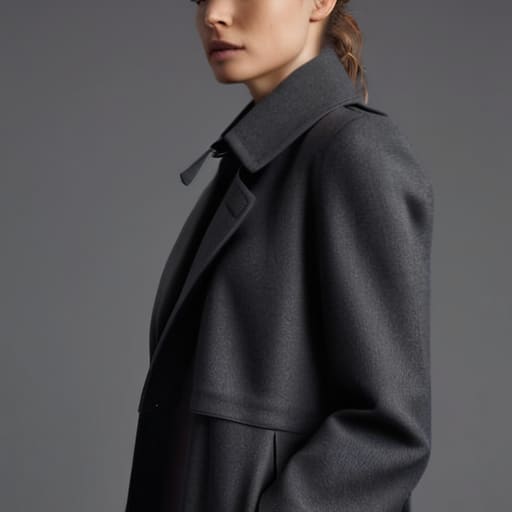
When we talk about silhouette, I’m not talking about whether you’re an hourglass or a pear—that’s marketing fluff. I’m talking about where the fabric ends and where your body begins. A coat is essentially a large, heavy rectangle that you are strapping to your frame, and if that rectangle is fighting your natural lines, you’re going to look like you’re wearing a costume. The secret to balancing proportions with coats is understanding where the weight sits. If you have narrow shoulders but a heavy hip, a coat that flares out too early will make you look bottom-heavy. You need a structure that directs the eye upward or creates a clean vertical line.
Don’t get caught in the trap of thinking “oversized” means “shapeless.” There is a massive difference between a deliberate, architectural drape and a coat that simply swallows you whole because the armholes are halfway down your ribs. When you are styling oversized vs tailored silhouettes, remember that one part of the garment usually needs to “anchor” the look. If the coat is massive, the shoulder seam needs to actually sit on your shoulder, or at least be intentional. If the seam is drooping into your bicep, it’s not a style choice; it’s just a bad fit that will cost you a fortune to fix.
Key Things to Know
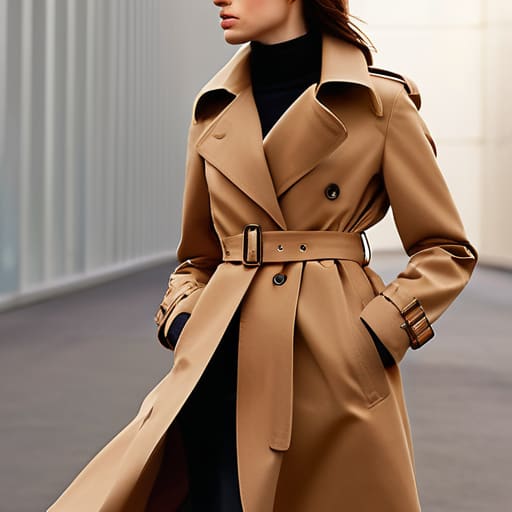
First, let’s talk about the math of your frame. Most people think they need to hide their body under layers, but you’re actually just adding unnecessary volume that makes you look heavy rather than styled. If you have a straight build, a structured, belted trench can create the illusion of a waist without needing a corset. If you’re pear-shaped, avoid heavy, oversized pockets sitting right on your hips; they add visual bulk exactly where you don’t want it. It’s all about balancing proportions with coats so you don’t look like you’re being swallowed by a duvet.
Second, pay attention to where the fabric ends. This is where most people fail when considering outerwear length for different heights. A mid-calf coat on someone petite can effectively “cut” their legs in half, making them look shorter and wider. If you aren’t tall, aim for slightly above the knee or go full-length to create a continuous vertical line. Also, check the shoulder seams. If the seam is drooping down your arm, that’s not “oversized style”—that’s just a bad fit that will cost you fifty quid to fix at the tailor.
Practical Tips and Steps
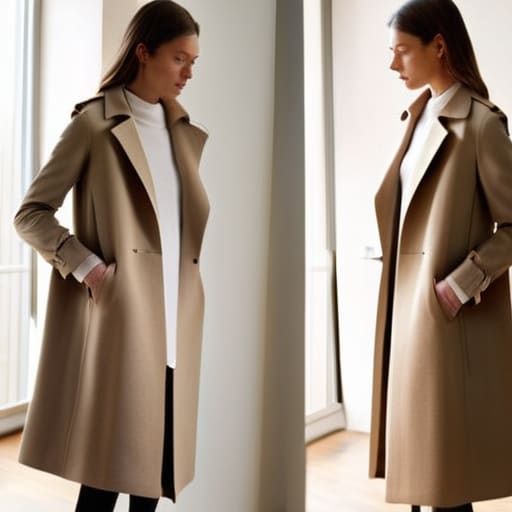
First, stop looking at the mannequin and start looking at your own proportions. When you’re in the fitting room, don’t just ask if you “like” the coat; ask where the hem hits. If you’re shorter, a mid-calf length can swallow you whole, making you look like you’re wading through deep water. You want to find the sweet spot of outerwear length for different heights—usually just above or below the knee—to keep your legs from disappearing. If the coat is heavy, make sure the shoulder seams actually sit on your shoulders. If they droop, you aren’t “doing” an oversized look; you’re just wearing someone else’s clothes.
Next, think about the physics of the garment. If you have a smaller frame but want a big, puffy puffer, you have to manage the visual weight in winter fashion so you don’t look like a Michelin Man accident. Pair a voluminous top with slimmer trousers to ground the look. If you find a vintage wool coat that’s perfect everywhere except the waist, don’t walk away. A simple dart or a belt can fix the silhouette for about thirty quid, and suddenly, that “okay” find is your new favorite piece.
Common Mistakes to Avoid
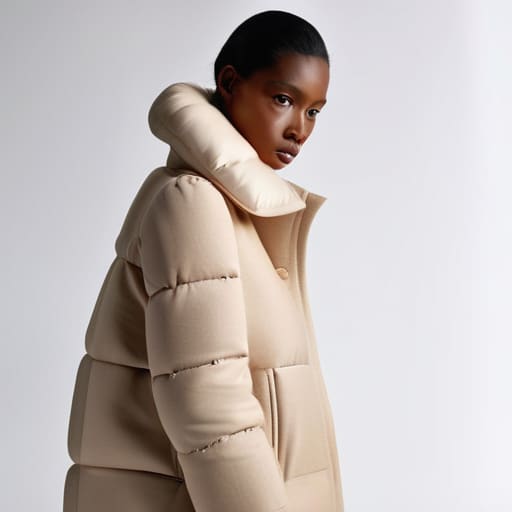
The biggest mistake I see—and I see it every single week in the studio—is people buying for the “vibe” rather than the structure. You see a model in a massive, floor-length puffer and think, “I want that,” but you aren’t accounting for the visual weight in winter fashion. If you are smaller-framed and you buy a coat that lacks any internal structure, you won’t look “effortlessly oversized”; you’ll look like you’re being swallowed by a sleeping bag. It’s not about being “too big” or “too small,” it’s about whether the fabric is fighting your natural lines or working with them.
Another massive trap is ignoring how the hemline interacts with your legs. I see so many people trying to follow a generic body shape fashion guide and end up buying lengths that actually cut them in half visually. If you’re shorter, a coat that hits at the mid-calf can make you look like you’re wading through mud. Don’t just settle for whatever length is on the rack. If the silhouette is almost perfect but the hem is ruining your proportions, take it to a tailor. It’s a thirty-minute fix that saves the entire outfit.
Final Thoughts
Look, I know the temptation is to walk into a shop, see a coat that looks incredible on a mannequin, and assume it’ll do the same for you. It won’t. Most of those “runway” shapes are designed for a specific height and a specific way of standing that doesn’t account for real human life. Instead of chasing a trend, focus on balancing proportions with coats that actually respect your frame. If you find a piece with great fabric but the shoulders are sagging or the hem hits you at the widest part of your leg, don’t walk away—just budget for a tailor.
At the end of the day, a good wardrobe isn’t about having the most pieces; it’s about having the pieces that don’t fight you. Whether you are styling oversized vs tailored silhouettes or just trying to figure out if a trench is too heavy for your build, remember that the goal is comfort and confidence, not looking like a walking advertisement. If you get the silhouette right, the rest of the outfit basically takes care of itself. Stop overthinking the “rules” and start looking at the lines.
The Neve Okonkwo-Barr Cheat Sheet for Not Looking Like a Shape-Shifter
- Check the shoulder seam before you even look at the price tag. If the seam is drooping down your arm, it’s a drop-shoulder style and you’re stuck with it; if it’s a structured coat and that seam is hanging off your bone, it’s a bad fit that will cost you fifty quid to fix, and honestly, it’s probably not worth the math.
- Learn to distinguish between “oversized” and “just too big.” An oversized silhouette is designed with intentional proportions—usually wider in the sleeve or slightly cropped—whereas a coat that is just too big looks like you’re wearing your older brother’s hand-me-downs, making you look shorter and more swallowed than intentional.
- Use the “armhole test” to judge the silhouette’s mobility. If the armholes are cut too low (the kind you see in cheap fast-fashion coats), you’ll lose your entire silhouette every time you lift your arms to check a bus timetable, turning a sleek shape into a bunch of bunched-up fabric.
- Pay attention to the weight of the fabric relative to the shape. A structured, architectural silhouette needs a heavy wool or a dense twill to actually hold its form; if you buy a sharp, boxy coat made of flimsy polyester, it’s going to collapse against your body and look like a crumpled paper bag by lunchtime.
- Don’t fear the waist, but don’t over-rely on the belt. A silhouette that skims the body is often more versatile than one that cinches tightly at the waist, because a belt can be moved or removed, but a coat cut too straight for your frame will always look like a tent, no matter how much you tug at the fabric.
The Silhouette Truth
Stop looking at the color or the brand name and start looking at the lines. A coat is just a structural shell for your body; if the silhouette is fighting your natural shape instead of framing it, you’re just wearing a very expensive, very heavy mistake.
Neve Okonkwo-Barr
The Bottom Line on Shape
At the end of the day, choosing outerwear isn’t about chasing the latest runway silhouette or buying into a brand’s “essential” collection. It’s about understanding the geometry of your own body and knowing how fabric weight interacts with a seam. If you can identify whether you need an oversized cocoon shape to mask a heavy knit or a structured, tailored shoulder to create definition, you’ve already won half the battle. Remember: a silhouette that feels “off” is rarely a body problem; it is almost always a proportion problem. Before you tap your card, check the shoulder seams, look at the hemline’s relationship to your height, and ask yourself if the shape actually works with your life, or if you’re just buying a trend that won’t survive a rainy Tuesday.
Stop letting marketing departments convince you that style is something you can acquire through a high-speed checkout. True style is much more patient and much more practical than that. It’s the confidence that comes from knowing your coat doesn’t wear you, but rather, provides the framework for how you move through the world. If you find a piece with a gorgeous silhouette but the sleeves are two inches too long, don’t walk away—take it to a tailor. A bit of structural adjustment is the difference between looking like you’re playing dress-up and looking like you actually own your clothes. Build a wardrobe that is functional, fitted, and fundamentally yours.
Frequently Asked Questions
If I find a vintage coat with a great silhouette but the shoulders are too wide, is it actually worth paying a tailor to fix, or will it mess up the whole structure?
It depends on the construction, but generally, wide shoulders are a high-risk, high-reward fix. If it’s a structured blazer or a heavy wool coat with built-in shoulder pads, you’re looking at a significant alteration cost—think $50 to $100—because the tailor has to deconstruct the sleeve head. If the fabric is flimsy, it’ll look wonky. But if it’s a solid vintage piece with good weight, it’s worth the math. Fix the shoulders, save the silhouette.
How can I tell if a coat is designed to be an oversized silhouette or if it just looks poorly constructed and cheap?
Check the shoulder seams. An intentional oversized coat will have a dropped shoulder that actually looks purposeful, not just a seam that’s hanging halfway down your bicep because the pattern is wrong. Look at the weight, too. Quality oversized pieces use heavy, structured fabric to hold that shape. If it’s thin, flimsy polyester that collapses into a shapeless heap the moment you move, it’s not “oversized”—it’s just poorly cut and cheap.
I have a very specific body shape—is it better to look for a silhouette that mimics my natural lines or one that creates a completely new shape?
Look, there is no “correct” answer, only what makes you feel less like you’re wearing a costume. If you want to mimic your lines, you’re looking for clothes that skim rather than squeeze—think structured wool coats that follow your frame. If you want to create a new shape, you’re playing with architecture, like adding shoulder pads to balance hips. Just remember: if you’re building a new shape, the tailoring cost will go up.
