I spent two years in a cramped basement studio pinning hems for a bridal shop, and if there’s one thing those silk slip dresses taught me, it’s that a high price tag is a liar. I’ve seen “luxury” blouses fall apart after three washes because the tension in the thread was garbage, and I’ve seen thrifted wool coats that look better now than the day they were made. Most people think they need a massive budget to find quality, but learning how to spot well made clothing isn’t about how much you spend; it’s about knowing where to look—specifically at the seams, the weight of the weave, and the integrity of the construction.
I’m not here to sell you on “investment pieces” or any of that other marketing nonsense designed to empty your bank account. Instead, I’m going to give you the actual, tactile checklist I use when I’m hunting through charity shops or vetting a new brand. We’re going to talk about fabric density, why a loose seam allowance is your best friend, and how to tell if a garment is built to survive a Wednesday or just a single afternoon. This is about real durability, not hype.
Understanding How to Spot Well Made Clothing
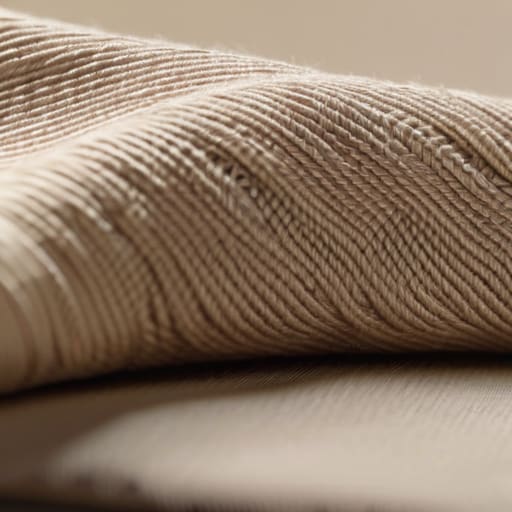
First, stop letting the price tag do the heavy lifting for you. A designer label doesn’t mean a single thing if the stitch density and durability are nonexistent. When I’m looking at a piece, I’m not looking at the logo; I’m looking at how the seams behave when I give them a gentle tug. If the threads are spaced widely apart or look like they’re struggling to hold the fabric together, that garment is going to fall apart the moment it hits a washing machine. You want tight, consistent lines that don’t puck or pull.
Next, we need to talk about the actual soul of the piece: the fiber. I always tell my clients to check the internal care label immediately to understand the balance of natural vs synthetic fibers. While a little bit of elastane is fine for shape, a shirt that is 100% polyester is just going to trap heat and pill after three wears. I look for weight and drape—real wool, cotton, or linen have a structural integrity that plastic-based fabrics can’t fake. If the fabric feels thin, scratchy, or suspiciously “slick,” walk away. It’s not a bargain if you have to replace it by next season.
Key Things to Know
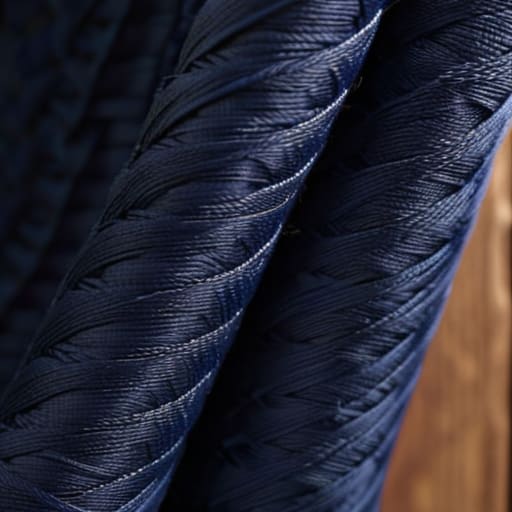
First, stop getting distracted by the price tag and start looking at the stitch density and durability. If you hold a garment up to the light and see gaps between the stitches, or if the thread looks like it’s barely hanging on for dear life, put it back. High-quality pieces have tight, consistent stitching that can actually handle the tension of you sitting down or moving your arms. I’ve seen “luxury” shirts where the seams are so loose they practically unspool the moment you put them on.
Next, you have to get honest about natural vs synthetic fibers. Marketing will try to sell you a “silk-feel” polyester blend that will pill and look like a ball of fuzz after three washes, but I promise you, it won’t last a season. I always tell my clients to check the composition label first; if it’s mostly plastic, it’s going to trap heat and lose its shape. Look for weight and texture that feels substantial. A good wool or heavy cotton might cost more upfront, but when you factor in the clothing longevity indicators like how the fabric holds its structure, the math almost always favors the natural fibers.
Practical Tips and Steps
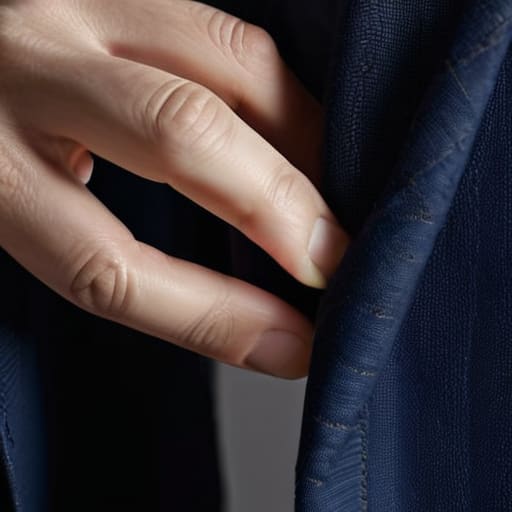
First, grab the fabric and give it a gentle tug. You aren’t looking for stretch; you’re looking for how the fibers fight back. When you’re weighing up natural vs synthetic fibers, remember that a high-quality wool or heavy cotton will feel substantial and spring back into shape immediately. If it feels thin, limp, or suspiciously “slick,” it’s likely a polyester blend that will pill and look tired by next Tuesday. I always tell my clients that a garment’s weight is the first real indicator of whether it can handle a washing machine.
Next, get close—like, uncomfortably close—to the seams. I’m looking for stitch density and durability above everything else. If the stitches are long and loose, they’re going to snap the moment you actually sit down or move your arms. You want tight, consistent lines. While you’re down there, check the hemline and finishing details; a deep, clean hem suggests the maker actually cared about how the piece hangs, whereas a skimpy, serged edge is just a sign they were rushing to meet a production quota.
Common Mistakes to Avoid
The biggest mistake I see is people falling for the “luxury” trap—thinking a heavy logo or a high price tag automatically means the piece will last. Marketing is loud, but the seams are quiet. People often mistake a heavy, stiff fabric for quality, when in reality, it’s often just a cheap blend of natural vs synthetic fibers designed to hold a shape for exactly three wears before it loses its soul. If it feels like wearing a piece of cardboard, it’s probably not built for a real life.
Another trap is ignoring the internal architecture of the garment. You can’t just look at the outside; you have to flip it inside out. I see so many “premium” items with loose, wandering threads and uneven stitch density and durability that make me want to cry. If the internal seams are raw or fraying before you’ve even taken the tags off, that piece isn’t an investment—it’s a ticking time bomb for your wardrobe. Don’t let a pretty print distract you from a messy finish; once the construction fails, the style doesn’t matter.
Final Thoughts
Look, I know it feels overwhelming when you’re standing in a dressing room surrounded by neon signs telling you that you need a whole new life by Tuesday. But please, stop treating every purchase like a high-stakes gamble. You don’t need a massive budget to build a wardrobe that actually lasts; you just need to stop letting the marketing do the talking for you. Once you start looking past the brand name and focusing on things like stitch density and durability, the whole game changes. You’ll stop being fooled by shiny, cheap fabrics and start seeing the actual value in what’s sitting on the rack.
At the end of the day, my goal isn’t to turn you into a textile scientist, but I want you to walk away with a bit of skepticism. If the seams look wonky or the fabric feels like it’s going to pill after two wears, walk away. Whether you are weighing up natural vs synthetic fibers or just checking if a hem is straight, remember that the goal is a wardrobe that works for your actual life, not a curated Instagram feed. Buy less, check the construction, and if it doesn’t fit perfectly right now, just find a tailor.
The "Hand-Feel" Checklist: 5 Things I Check Before I Even Look at the Price Tag
- Turn the garment inside out and look at the seams. If you see loose threads, raw edges that aren’t finished, or “serged” edges that look like they’re about to unravel, walk away. A well-made piece should look just as tidy on the inside as it does on the outside; that’s where the structural integrity lives.
- Do the “Pull Test” on the fabric. Don’t just feel the softness; grab a handful and give it a gentle tug. If it feels thin, unstable, or starts to distort immediately, it’s going to lose its shape after three washes. You want a fabric with some “memory”—something that snaps back when you let go.
- Check the weight of the hardware. If the zipper feels like it’s made of thin, scratchy plastic or the buttons are hollow and light, they won’t last a season. Metal zippers and substantial buttons aren’t just “fancy”—they are functional components that prevent the garment from falling apart when you actually move in it.
- Inspect the seam allowance. This is my personal favorite: pull the fabric slightly apart at the seam. If there’s almost no extra fabric inside the seam (a narrow allowance), a tailor can’t do much if it gets too tight. If there’s a bit of room, you’ve bought yourself the ability to actually tailor the piece to your body later.
- Look at the pattern matching. If it’s a striped shirt or a checked blazer, look at where the pattern meets the seam. If the lines jump wildly or refuse to line up, the manufacturer cut corners to save fabric. It’s a massive red flag that says they cared more about the margin than the craftsmanship.
## The Real Cost of a 'Deal'
Stop letting a brand’s marketing department tell you what an ‘investment piece’ is. Real quality isn’t found in a glossy campaign; it’s found in the weight of the weave, the strength of the topstitching, and whether or not a tailor can actually make the garment sit right on your body without the seams puckering like a cheap paper bag.
Neve Okonkwo-Barr
The Bottom Line
Look, at the end of the day, spotting quality isn’t about memorizing a list of luxury brand names; it’s about training your eyes to see what the marketing team tried to hide. It’s about checking the integrity of the seams, feeling the weight of the cotton, and realizing that a loose thread isn’t just a tiny flaw—it’s a warning sign. Remember that a garment’s value isn’t found in the price tag, but in the math of its longevity. If you can buy it for twenty pounds and it falls apart after three washes, you haven’t saved money; you’ve just wasted it. Always prioritize the fabric and the construction, because those are the things that actually determine how many Wednesdays that piece is going to get you through.
My goal isn’t to turn you into a textile expert, but to turn you into a person who can’t be fooled by a shiny label anymore. Style shouldn’t feel like a constant, expensive race to replace everything you own. When you learn to recognize what is actually built to last, you stop being a consumer and start being a curator of your own life. You deserve a wardrobe that works as hard as you do, and that starts with respecting the craft behind what you wear. Stop shopping for the “look” and start shopping for the build; your future, less-stressed self will thank you.
Frequently Asked Questions
If I find a piece with great fabric but the shoulders are slightly off, is it actually worth paying a tailor to fix, or is the structure too far gone?
It depends on where the “off” is. If the shoulder seam is just sitting a millimetre too wide, a tailor can usually take it in for about £20-£30, and it’s 100% worth it for good fabric. But if the shoulder padding is crushed or the armhole is sliced too high into your armpit, run. Fixing a structural armhole is a nightmare that costs more than the garment is worth. Check the seam first; if it’s moveable, fix it.
How can I tell if a "natural" fabric like linen or cotton is actually high quality or if it's been blended with cheap synthetics that will pill after three washes?
Check the burn test if you’re brave, but honestly? Just look at the drape and the light. High-quality 100% linen or cotton has a certain “heft” and a crispness that stays even when it wrinkles. If a “linen” shirt feels suspiciously stretchy or has a weird, plastic-y sheen under the shop lights, it’s loaded with polyester. That blend is a trap; it’ll pill by month three and you can’t tailor your way out of bad fiber.
When looking at vintage or charity shop finds, how do I know if a garment is actually well-made or if it’s just been well-maintained by someone else?
Look at the internals, not the exterior. A well-maintained piece looks great because it was cared for, but a well-made piece has “bones.” Check the seam allowances; if there’s a generous amount of fabric inside the seam, it means it was built to be let out or adjusted. Look for bound seams or French seams rather than messy overlocking. If the construction is solid, it’s a foundation. If it’s just clean, it’s just lucky.
