Stop looking at that “must-have” trending piece in your cart thinking it’s going to transform your look; a new color won’t save an outfit that feels visually dead. Most people think they need a bigger budget to look more “styled,” but they’re actually just missing the lesson of how texture adds interest to a basic silhouette. I spent two years in a basement studio pinning hems for people who thought a more expensive label meant a better look, but the truth is that a $20 thrifted heavy corduroy paired with a smooth, high-thread-count cotton tee will always look more intentional than a head-to-toe monochrome outfit in cheap, flat polyester.
I’m not here to sell you on “elevated essentials” or tell you to buy a whole new capsule collection. Instead, I’m going to show you how to actually use what you own by mixing weights and weaves that create depth without costing a penny. We’re going to talk about why a chunky knit survives a winter better than a thin synthetic one, and how to spot the difference between a fabric that has soul and one that’s just marketing fluff.
Stop Buying Style How Texture Adds Interest Without the Price Tag
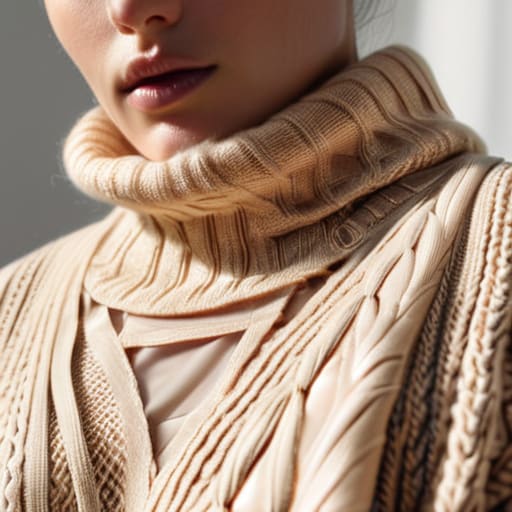
Most people think a “boring” outfit means they need a new piece of clothing. It doesn’t. Usually, it just means you’ve built a silhouette out of the same flat, lifeless jersey or polyester from top to bottom. When everything has the same sheen and weight, your eyes just slide right off you. To fix this, you need to stop thinking about colors and start mixing different fabric weights. If you pair a heavy, chunky knit with a slip skirt that has some liquid-like movement, you’ve suddenly created a look that feels intentional rather than accidental.
The secret is understanding the difference between tactile vs visual texture. Some fabrics, like a rugged denim or a boiled wool, demand to be touched; they provide a physical grit to your look. Others, like a high-sheen satin or a subtle herringbone weave, do the work visually from across the room. You don’t need a designer budget to achieve this; you just need to look for material contrast. A thrifted corduroy blazer over a simple cotton tee creates more depth than a brand-new, monochromatic outfit that has zero soul.
The Math of Depth Creating Depth Through Material Contrast
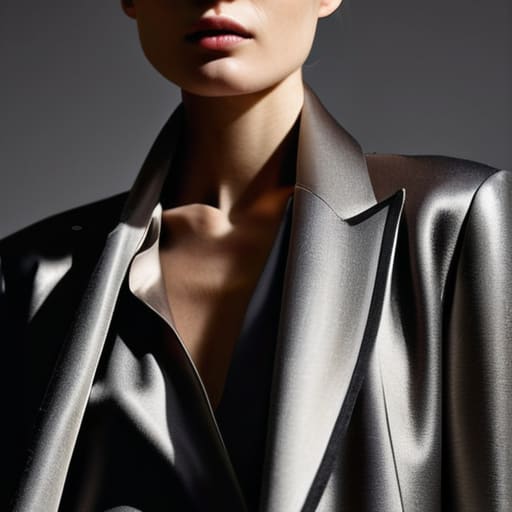
When people talk about “depth,” they usually mean they want to look more expensive, but depth is actually a physics problem involving light and shadow. If you wear a head-to-toe outfit in a single, flat jersey knit, you aren’t just “minimalist”—you’re invisible. You’re essentially a 2D shape. To fix this, you need to understand creating depth through material contrast. Think of it like this: a smooth, high-shine silk blouse reflects light, while a heavy, matte wool trouser absorbs it. That collision of light and dark is what makes an outfit look intentional rather than just “thrown on.”
It isn’t just about the look, though; it’s about the sensory experience in fashion. I always tell my clients to think about mixing different fabric weights to create a structural hierarchy. If you pair a chunky, oversized cable knit with a slim-cut satin slip skirt, the weight difference does the heavy lifting for you. You don’t need a third color or a loud print to make the outfit “pop”—you just need the tension between the rugged and the refined.
Beyond the Eye the Sensory Experience in Fashion
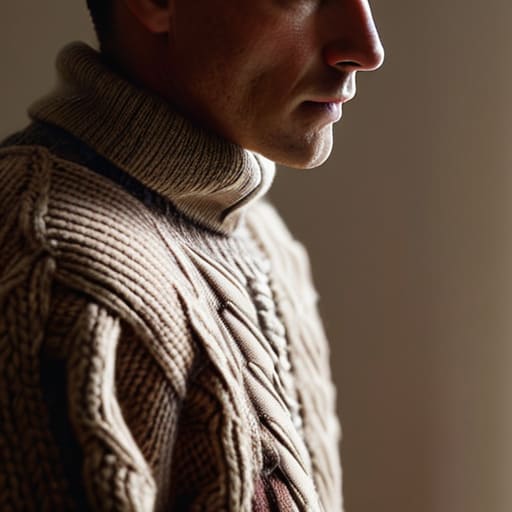
We need to talk about the difference between looking good in a photo and actually feeling like a person when you walk down the street. Most people focus entirely on the visual, but a truly functional wardrobe relies on the sensory experience in fashion. If you wear a head-to-toe outfit of thin, polyester jersey, you might look fine in a mirror, but you’ll feel like you’re wearing a glorified paper bag. There is no weight, no resistance, and no soul to the movement.
This is where understanding tactile vs visual texture becomes your secret weapon. You can have a sweater that looks chunky and delicious (visual) but feels like sandpaper (tactile), or a sleek satin that looks flat but feels incredible against your skin. The goal is to bridge that gap. When you start mixing different fabric weights—pairing a heavy, structural denim with a soft, breathable cotton—you aren’t just playing with light and shadow; you are creating a physical sense of stability. It’s the difference between a costume that feels flimsy and a kit that feels like it actually belongs to you.
Tactile vs Visual Texture What Your Wardrobe Is Missing
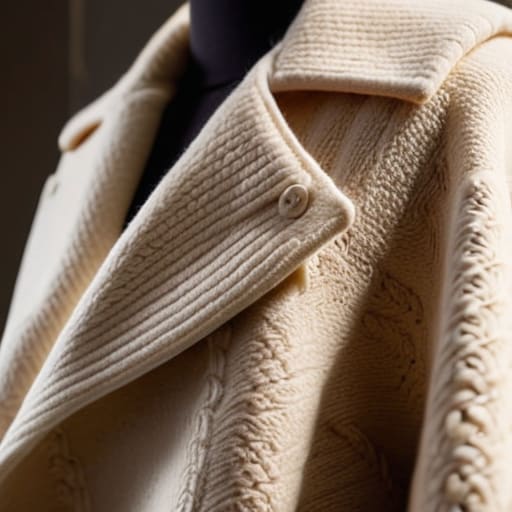
Here is the difference between a garment that looks good in a flat Instagram photo and one that actually feels substantial when you move. Most people get stuck in the trap of visual texture—they buy a patterned print or a faux-animal skin because it looks busy. But if the fabric is that thin, scratchy polyester that has zero substance, the outfit will always feel “cheap,” no matter the brand name. That is a failure of the sensory experience in fashion. You aren’t just dressing for an algorithm; you’re dressing for the person sitting across from you at lunch.
To fix a flat wardrobe, you need to understand the balance of tactile vs visual texture. Visual texture is the trickery of a print, like a plaid weave that isn’t actually woven. Tactile texture is the physical reality of the cloth—the grit of a heavy linen, the loft of a boiled wool, or the liquid slide of a heavy silk. When you start mixing different fabric weights, you create a silhouette that has gravity. A heavy denim paired with a soft, brushed cotton doesn’t just look better; it holds its shape in a way that makes you look intentional rather than just “dressed.”
The Practical Guide to Mixing Different Fabric Weights
If you want to actually use what you’ve learned about creating depth through material contrast, you have to stop treating every garment like it has the same gravitational pull. The biggest mistake people make is wearing a “flat” outfit—think a thin jersey tee paired with thin jersey leggings. It’s not a look; it’s just a silhouette that disappears. To make an outfit feel intentional, you need to play with the physics of the clothes. Pair a heavy, structured denim or a chunky boiled wool with something that has zero resistance, like a silk slip or a fine-gauge cotton.
When you are mixing different fabric weights, think about the “anchor” of the outfit. A heavy trench coat or a thick corduroy trouser acts as your base, providing the visual weight that allows lighter, more delicate pieces to pop. If you try to layer two heavy things together without a clear distinction, you don’t look “styled”—you just look bulky. It’s about finding that sweet spot where the light fabric skims the heavy one, creating a silhouette that actually has some architectural integrity instead of just looking like a pile of laundry.
The Texture Cheat Sheet: 5 Ways to Stop Wearing Flat Outfits
- Stop matching fabrics to your mood and start matching them to their weight; pair a heavy, chunky knit with a lightweight silk slip to create instant visual separation so you don’t look like a solid block of color.
- Check the seam allowance and the weave before you buy—a cheap, thin polyester will look “flat” because it has zero structural integrity, whereas a heavy linen or a boiled wool has a built-in texture that does the styling work for you.
- Use “rough” to balance “smooth” to avoid looking too precious; if you’re wearing a sleek, polished trouser, throw on a distressed denim jacket or a heavy corduroy shirt to make the outfit feel lived-in rather than like a mannequin display.
- Look for “micro-textures” in your basics, like a slubby cotton or a subtle crepe, because these tiny irregularities catch the light differently and prevent your “boring” Tuesday uniform from looking like a uniform at all.
- Don’t overcomplicate it with five different patterns; instead, pick one “hero” texture—like a chunky cable knit or a pebbled leather—and let the rest of the outfit be the quiet, smooth backdrop that lets that texture actually breathe.
The Real Secret to Not Looking Flat
Stop trying to buy a ‘new look’ every time you feel boring; you don’t need a new silhouette, you just need to stop wearing the same flat, lifeless jersey from head to toe and actually mix a heavy-gauge knit with something that has a bit of life in the weave.
Neve Okonkwo-Barr
Stop Looking for the Next Trend and Start Looking at Your Hangers
At the end of the day, looking “put together” isn’t about having a closet full of the latest drops; it’s about understanding the relationship between a heavy wool crepe and a light, airy linen. We’ve covered how playing with weight prevents your outfits from looking flat, how tactile surfaces like corduroy or silk add a sense of intentionality, and why mixing textures is the only way to make a monochrome outfit actually look expensive. You don’t need to go out and buy a whole new capsule collection to fix a boring wardrobe. Often, you just need to stop pairing smooth polyester with more smooth polyester and start challenging the eye with something that has actual substance.
My advice? Go to your wardrobe right now and do a quick audit. If everything you own feels the same under your fingertips, that’s why your outfits feel uninspired. Stop treating fashion like a math problem where you add more items to get a better result. Instead, treat it like a composition. A well-worn denim jacket over a silk slip dress or a chunky knit paired with structured trousers isn’t just a “look”—it’s a way of making the clothes you already own work harder for you. Style isn’t something you purchase; it is something you construct with the materials you have.
Frequently Asked Questions
If I'm buying second-hand, how can I tell if a textured fabric like corduroy or bouclé is actually high quality or just going to pill and look messy after three washes?
Don’t just look at the texture; look at the construction. For corduroy, run your finger along the wales—if they feel limp or uneven, the cotton is cheap and it’ll lose its shape. For bouclé, do the “pinch test.” High-quality loops are tightly integrated into the base weave, not just floating on top like fuzz. If it feels loose and “hairy” in the hand, it’s going to pill and look like a sweater after one wash.
I have a lot of basic cotton t-shirts and denim; is there a way to add texture to those without having to go out and buy an entirely new wardrobe?
You don’t need a new wardrobe; you just need to stop treating your cotton and denim like a uniform. Layer a heavy, chunky knit cardigan over that flat T-shirt, or throw a corduroy shirt open over your denim. If you’re feeling brave, swap your standard cotton socks for some ribbed wool ones. It’s about breaking up the smooth surfaces. Texture is just friction for the eyes—add some, and the outfit suddenly looks intentional.
How do I know if a heavy, textured piece is going to be too bulky for my frame, or will it just look intentional?
Look at the seams, not the mirror. A heavy knit looks intentional if the shoulder seam actually sits on your shoulder; if it’s drooping toward your elbow, you’re being swallowed by fabric. If you’re worried about bulk, pair that heavy texture with something slim and structural—like a crisp poplin shirt or straight-leg denim—to create a boundary. You aren’t “too small” for a chunky cardigan; you just need a silhouette that defines where you end and the sweater begins.
