Stop listening to influencers telling you that a “statement bag” is the key to a curated wardrobe. Most of those high-fashion pieces are nothing more than overpriced paperweights that fall apart the second they encounter a real-world commute or a heavy laptop. I spent two years in a basement studio watching people bring me “designer” bags with broken stitching and cheap linings that couldn’t survive a single season of actual life. If you want to learn how to choose a bag that works, you need to stop looking at the logo and start looking at the strap attachment points and the weight of the hardware.
I’m not here to sell you on a trend or convince you that you need a new leather tote every six months. My promise is simple: I’m going to show you the actual maths of a good purchase. We’re going to talk about why a certain fabric weight matters more than the color, how to spot a seam that will actually hold your life together, and exactly what you should look for so you don’t end up with a beautiful object that is utterly useless by next Tuesday.
Understanding How to Choose a Bag That Works
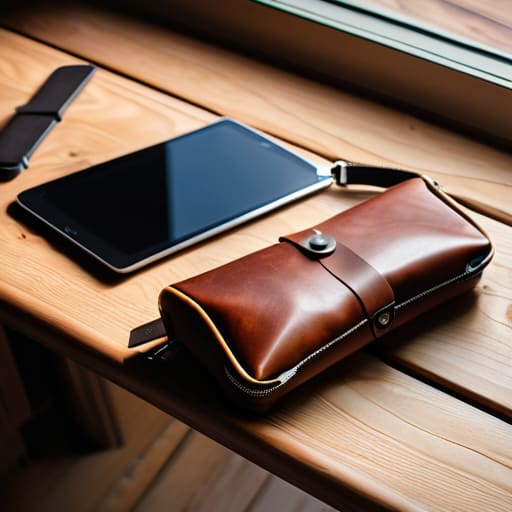
First, stop looking at the model in the campaign photo. She isn’t carrying a laptop, a heavy water bottle, and a tangled mess of charging cables; she’s just holding a tiny leather pouch to look chic. To find something that actually functions, you have to audit your daily carry essentials organization before you even touch a zipper. If you’re constantly digging for your keys at the bottom of a dark cavern, that bag has already failed you. I always tell my clients to visualize their “Wednesday load”—the stuff you actually lug around when life is happening—and match the bag’s volume to that reality.
Next, let’s talk about the physics of it. A bag can look stunning, but if the strap-to-body ratio is off, you’re going to be in pain by lunch. You need to prioritize comfort and weight distribution over a specific silhouette. If you’re opting for a larger tote, look for wider straps that won’t dig into your trapezius, or better yet, an ergonomic backpack design if you’re commuting. I also check the hardware; if the zipper feels flimsy or the base lacks structure, it’s not a “minimalist aesthetic,” it’s just poor construction that will cost you more in repairs than the bag was worth.
Key Things to Know
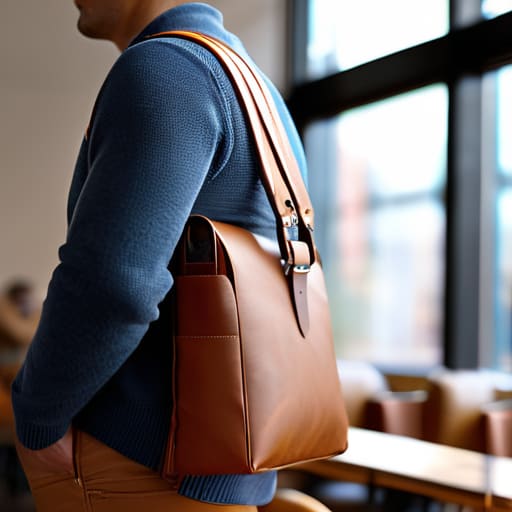
First, let’s talk about the math of your shoulders. You can find a gorgeous leather tote that looks incredible in a mirror, but if the straps are thin and the base is heavy, you’re going to be in pain by lunch. I always look at comfort and weight distribution before I even care about the color. If you’re carrying a laptop, a water bottle, and your entire life, you need straps that actually spread the load rather than digging into your traps like a cheese wire.
Next, stop ignoring the actual physics of the fabric. A bag might look sturdy, but if the material weight and strength aren’t balanced, the bottom will sag and ruin the silhouette within a month. I’m obsessed with seeing how a seam holds up under pressure. If you’re opting for a backpack, look for actual ergonomic backpack design—meaning padded straps and perhaps a chest clip—rather than something that just looks “cool” but treats your spine like an afterthought. If it feels like a brick before you even put your keys in it, walk away.
Practical Tips and Steps
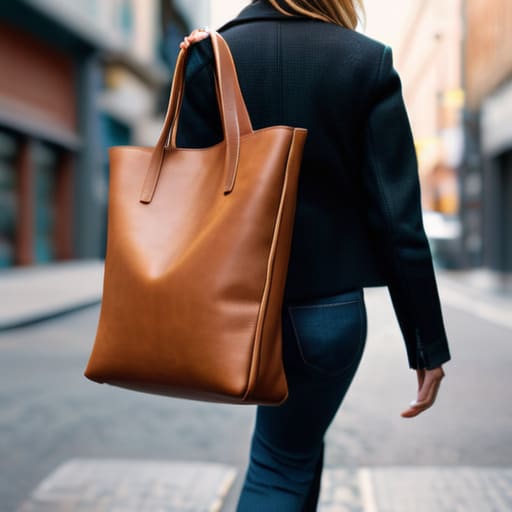
First, stop looking at the bag in isolation. A bag doesn’t exist in a vacuum; it exists on your body, usually while you’re trying to carry groceries, a laptop, and the sheer weight of a Tuesday. Before you tap ‘buy,’ consider the material weight and strength of the item. If you’re buying a heavy, structured leather tote, you’re essentially starting your day with a five-pound penalty before you’ve even put your keys in it. If the strap is thin and unpadded, it’s going to dig into your shoulder by lunchtime. Look for wider, more ergonomic straps that help with comfort and weight distribution—it’s the difference between a bag that feels like an extension of you and one that feels like a chore.
Next, do a quick audit of your daily carry essentials organization. I see so many people buy a beautiful, tiny micro-bag only to realize they can’t even fit a standard wallet or a phone without the seams screaming. Choosing the right bag size is a mathematical problem, not an aesthetic one. If you need to carry a charger, a book, and a water bottle, don’t try to squeeze them into a clutch. If you’re commuting, look for basic weatherproof bag features too; there is nothing more demoralizing than a damp notebook because your “chic” canvas bag decided to absorb the morning drizzle.
Common Mistakes to Avoid
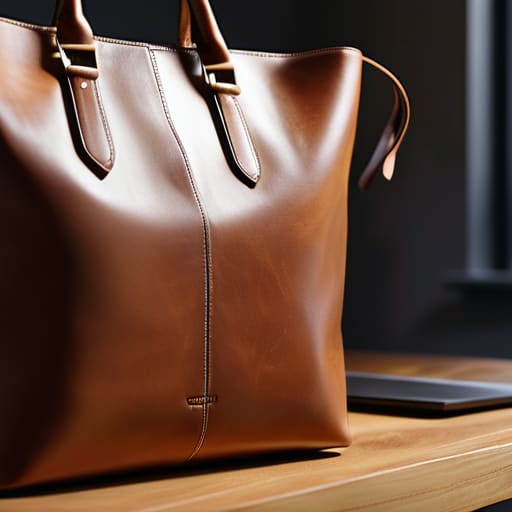
The biggest mistake I see is people buying for the “vibe” instead of the physics. You see a gorgeous, structured leather tote on Instagram and think it’s an instant win, but you aren’t accounting for material weight and strength once you actually put your laptop and a heavy water bottle inside. If the strap is thin and the base is flimsy, that bag isn’t an accessory; it’s a slow-motion shoulder injury. I’ve seen so many people walk into my studio asking if I can “fix” a bag that’s literally sagging under its own weight. You can’t tailor gravity, so stop ignoring it.
Another trap is the “just in case” mentality—buying a massive bag because you might need to carry a change of shoes or a heavy book. Most of the time, you’re just adding unnecessary bulk that ruins your comfort and weight distribution. If the bag is too heavy before you even put your wallet in it, it’s a bad purchase. Stop trying to find one bag that does everything for every possible life scenario. It’s better to have a bag that actually fits your daily reality than a giant, empty cavern that makes you look like you’re moving house every time you leave the flat.
Final Thoughts
At the end of the day, please stop treating your bag like a decorative afterthought. It is a piece of equipment that you are going to strap to your body for eight to ten hours a day. If you ignore comfort and weight distribution in favor of a logo, you aren’t buying a style statement; you’re just buying a future chiropractor appointment. I’ve seen too many people buy a structured, heavy leather tote that looks “expensive” but ends up being a torture device because the straps are too thin to distribute the load.
Before you tap your card, do the mental math. Check the material weight and strength against what you actually carry. If you’re lugging a laptop and a heavy water bottle, a flimsy canvas bag is going to lose its shape and look sad within three months. A bag that actually works is one that survives your Tuesday morning commute and your Friday evening errands without falling apart at the seams. Buy for the reality of your life, not the aesthetic of a mood board.
The "Will This Actually Work?" Checklist
- Check the strap math before you check the color. If you’re carrying a laptop and a heavy water bottle, a thin leather spaghetti strap isn’t a “vibe”—it’s a recipe for a shoulder bruise by 2 PM. Look for width that distributes weight, or better yet, a bag with a crossbody option that doesn’t dig into your collarbone.
- Test the hardware like you’re testing a car. I’ve seen “luxury” bags where the zipper catches on the lining every single time you try to reach for your keys. If the metal feels light and tinny, or the zipper doesn’t glide smoothly in the shop, it’s going to fail you by month three.
- Inspect the base. If you set the bag down and it immediately collapses into a sad, fabric puddle, you can’t carry anything structured inside it without it looking like a laundry bag. A bag with a reinforced base or enough weight in the fabric to hold its shape is worth the extra twenty quid.
- Look at the seam allowance and the lining. Turn the bag inside out if you can. If the lining is a thin, scratchy polyester that feels like it’ll tear if you look at it wrong, the whole bag is a ticking time bomb. A sturdy lining is what keeps a bag from losing its silhouette after a heavy week.
- Ignore the “it’s a classic” marketing and look at the scale. A massive tote might look chic on a runway, but if you’re five-foot-two, it’s going to swallow you whole and make you look like you’re carrying your entire life in a sack. Pick a scale that complements your frame, not one that hides it.
The Real Cost of a Bag
Stop looking at the brand name and start looking at the strap attachment points and the weight of the lining. A bag isn’t an ‘investment’ if the shoulder strap digs into your collarbone by lunchtime or if the zipper catches every time you try to find your keys on a rainy Wednesday. Buy for the utility of your life, not the aesthetic of a mood board.
Neve Okonkwo-Barr
The Bottom Line
At the end of the day, a bag isn’t a trophy to be displayed; it’s a tool you carry through a very loud, very busy life. If you’ve listened to any of this, you know that the “it-bag” of the season doesn’t matter if the strap digs into your collarbone or if the lining is so thin it rips the first time you drop your keys. Stop looking at the logo and start looking at the construction and the weight distribution. Check the seam reinforcement, test the zipper tension, and for the love of everything practical, make sure the dimensions actually accommodate your life—not just your phone. If it doesn’t pass the Wednesday morning test, it isn’t worth your money.
We spend so much time trying to “buy” a certain aesthetic, but style isn’t something you can pull off a rack or out of a luxury boutique. Real style is the confidence that comes from knowing your gear isn’t going to fail you mid-commute. You don’t need a closet full of expensive, fragile things; you need a handful of reliable pieces that have been vetted for durability and fit. Build your wardrobe around what works for your body and your schedule, not what works for a marketing department’s quarterly goals. Buy for the life you actually live, and the rest will take care of itself.
Frequently Asked Questions
I found a vintage leather bag at a charity shop that looks amazing, but the strap is fraying—is it actually worth paying a tailor to replace it?
First, check the leather. If it’s high-quality, thick hide that’s just lost its shine, it’s worth the fix. If it’s peeling like a bad sunburn, walk away. Replacing a strap usually runs you about £20–£35 depending on the hardware. If the bag itself was a steal, that’s a win. But don’t spend £40 to save a £5 bag; do the maths first. If the bones are good, fix it.
How can I tell if a bag's lining is going to disintegrate after six months of me shoving my keys and charger in it?
Turn it inside out—or as close as you can get. If the lining is thin, scratchy polyester, run. That’s basically glorified plastic wrap; it’ll shred the second your keys hit it. You want a heavy cotton twill or a dense nylon. Reach in and tug. If the fabric feels limp or you see loose threads pooling at the seams, it’s a disaster waiting to happen. A good lining should feel like a structural part of the bag, not an afterthought.
If I buy a structured tote that’s a bit too big for my frame, can an alteration actually fix the silhouette or am I just wasting my money?
Honestly? You’re probably wasting your money. Unlike a blazer where I can take in the waist or a pair of trousers where I can nip the hips, a bag’s structure is built into its bones. If the scale is wrong, it’s wrong. A tailor can swap a strap or fix a lining, but we can’t magically shrink the leather without ruining the proportions. If it swallows you whole, leave it on the rack.
