Stop letting fashion influencers convince you that you need to buy a matching “set” just to look put-together. I spent two years in a basement studio pinning hems for people who were terrified of looking “wrong,” and if I had a pound for every person who thought they had to bin a perfectly good gold necklace because they bought a silver ring, I’d be retired by now. The idea that there is a strict, unbreakable law on how to match metals across accessories is a total scam designed to keep you spending. You don’t need a new jewelry box; you just need to understand how different finishes interact with the clothes you already own.
I’m not here to give you a lecture on “aesthetic harmony” or whatever nonsense is trending on TikTok this week. Instead, I’m going to show you the actual mechanics of mixing metals—how to tell if a patina is too heavy for a delicate chain, and why certain tones work better with specific fabric weights. I’ll give you the practical rules for mixing gold, silver, and brass so you can stop overthinking your outfit and start actually wearing it.
Understanding How to Match Metals Across Accessories
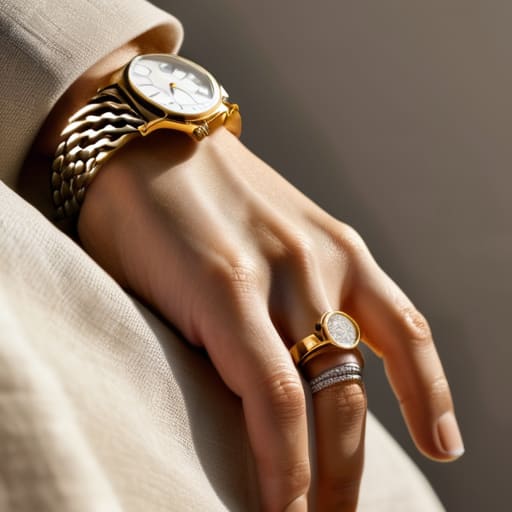
First, let’s stop pretending there is a rulebook written in stone. The old-school advice that says you can’t wear gold with silver is just a way to make you feel like you need to buy a whole new set of things just to “coordinate.” In reality, mixing gold and silver jewelry isn’t a crime; it’s just a matter of intentionality. If you throw them on randomly, it looks like you got dressed in the dark. But if you use a “bridge” piece—like a watch that features both tones or a ring that has a bit of both—the transition looks planned rather than accidental.
You also need to consider your own skin before you worry about the hardware. While I’m more interested in how a garment hangs than the color theory of a necklace, skin undertone metal matching actually matters for how “expensive” you look. If you have cool undertones, silver will look seamless, whereas gold might look like it’s sitting on your skin rather than with it. However, don’t go out and buy a new collection just because of this. Most of the time, you can balance the tones by simply playing with the scale of the pieces so one metal dominates while the other acts as a subtle accent.
Key Things to Know
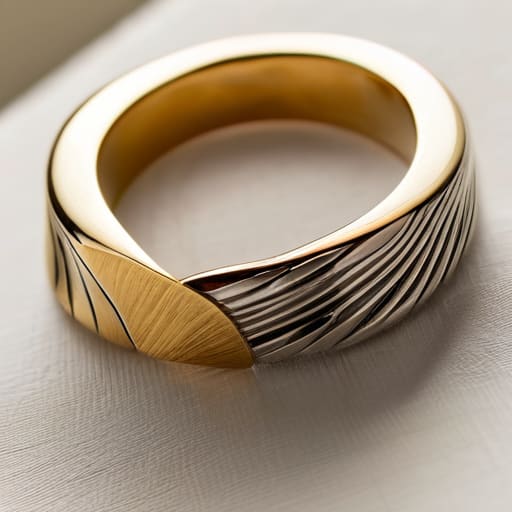
First, let’s stop acting like gold and silver are at war. The idea that you have to pick a side is a marketing lie designed to make you feel like your jewelry box is incomplete. In reality, mixing gold and silver jewelry is just about managing visual weight. If you throw a chunky silver chain and a dainty gold ring together without a plan, it looks like you got dressed in the dark. The secret isn’t about perfect symmetry; it’s about finding a “bridge” piece—something that already incorporates both tones—to make the transition look intentional rather than accidental.
You also need to stop ignoring your own skin. I spend half my life looking at people’s necklines and wrists, and the truth is that skin undertone metal matching is the quickest way to see if a piece is actually working for you. If you have cool undertones, silver will look seamless; if you’re warm, gold will glow. But even if you want to break the rules, aim for complementary metal tones that respect your natural warmth or coolness. It’s not about following a textbook; it’s about making sure the metal looks like it belongs to you, not like it’s just sitting on top of your skin.
Practical Tips and Steps
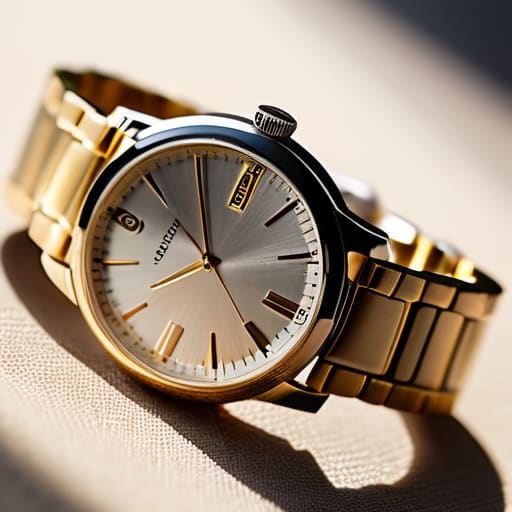
First, stop treating your jewelry box like a math equation that needs to be solved perfectly. If you’re terrified of looking messy, start with a “bridge piece.” This is a single item—maybe a watch or a ring—that already incorporates both metals. Once you have that anchor, mixing gold and silver jewelry becomes a lot less intimidating because you aren’t just guessing; you’re building around a piece that has already done the heavy lifting for you.
If you want to get more intentional, look at your skin undertones rather than just the metal itself. If you have cool undertones, silver will always look effortless, but you can still pull in gold if you lean into complementary metal tones like rose gold to soften the transition. Don’t go out and buy a whole new set of “matching” earrings just because you bought a gold necklace. Instead, focus on the scale of the pieces. If your gold necklace is chunky and heavy, keep your silver accents delicate. It’s about balancing the visual weight, not making sure every single atom of metal is the exact same shade.
Common Mistakes to Avoid
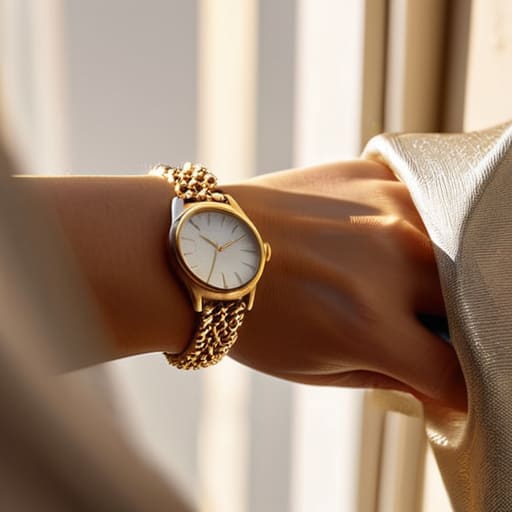
The biggest mistake I see is people treating metal coordination like a strict math equation where one wrong move ruins the whole look. You’ll see someone panic because their watch is silver and their necklace is gold, so they rush out to buy a “matching” set. Stop that. Most of the time, you aren’t failing at style; you’re just ignoring jewelry color theory. If you try to force a perfect match with cheap, high-street pieces that all have slightly different undertones, you won’t look cohesive—you’ll just look like you got dressed in the dark.
Another trap is ignoring how the metal actually sits against your skin. I’ve spent years pinning hems and seeing how different textures catch the light, and I can tell you: if you ignore your skin undertone metal matching, even the most expensive pieces will look “off.” It’s not about the price tag; it’s about whether the warmth of the metal is fighting your natural coloring. Also, please stop buying “statement” pieces that are so heavy they pull on your neckline. A piece that fits poorly is just a distraction, no matter how much you paid for it.
Final Thoughts
Look, at the end of the day, the “rules” about metals are mostly just noise designed to make you feel like your jewelry box is broken. If you’re staring at your tray of rings wondering if you’re doing it wrong, stop. Whether you are mixing gold and silver jewelry because it feels effortless or because you’re trying to make a single statement piece work with your existing collection, the goal isn’t perfection—it’s intention. If it looks like you threw it on while running for the bus, it’s a mess; if it looks like you chose it, it’s a vibe.
Don’t go out and buy a matching set just to satisfy some imaginary standard of cohesion. Most “sets” are just expensive ways to ensure you never look interesting. Instead, lean into the friction. Use a bit of jewelry color theory to see how a warm gold might play against a cool silver, and let that be your guide. If you can make it look like you meant to do it, you’ve already won. Style isn’t about following a manual; it’s about making sure what you’re wearing actually works for you.
5 ways to stop your jewelry from looking like a junk drawer
- Stop treating silver and gold like they’re at war; if you have a mixed-metal piece, use it as your anchor. If your watch is silver but your necklace is gold, find a ring that has both, and suddenly the “mismatch” looks like a deliberate choice rather than an accident.
- Check the undertone of your skin before you panic about the metal. If you look washed out in silver but glow in gold, that’s your body telling you what to wear—don’t force a “match” just because your belt buckle is brass.
- Pay attention to the finish, not just the color. Mixing a high-shine, polished gold hoop with a brushed, matte silver cuff looks intentional and expensive; mixing two different types of “shiny” metals is what actually makes an outfit look messy.
- Use your hardware as the baseline. If your handbag has chunky silver zippers and your boots have silver eyelets, your jewelry should lean silver to keep the visual weight consistent. It’s much easier to match a necklace to a bag than it is to try and redesign your entire outfit around a single earring.
- Don’t go out and buy a “matching set” just because the marketing tells you to. Most of those sets are overpriced and made of cheap alloys that will turn your skin green in a month. It is much cheaper—and much more stylish—to thrift a vintage brass brooch and pair it with your modern silver studs.
The Metal Myth
Stop treating your jewelry like a math equation where everything has to be identical to be ‘correct.’ You don’t need to go out and buy a matching gold set just because your earrings aren’t silver; you just need to understand that mixing metals is a choice, not a mistake, and it’s a lot cheaper than replacing a perfectly good necklace because it doesn’t ‘match’ your belt buckle.
Neve Okonkwo-Barr
The Bottom Line
Look, at the end of the day, matching your metals isn’t some high-level fashion law that requires a designer budget to master. It’s really just about understanding the basics: knowing when to lean into a cohesive look with matching tones and when to intentionally mix them so you don’t look like you’re wearing a uniform. Remember that the weight and finish of the metal matter just as much as the color; a chunky, brushed gold earring will always feel different next to a delicate, polished silver ring. You don’t need to go out and buy a matching set of “gold-tone” accessories just to feel put together. Instead, look at what you already own, check the hardware on your bags, and make sure your metals aren’t fighting for attention in a way that looks accidental.
My biggest piece of advice? Stop letting the fear of “breaking the rules” stop you from wearing what you love. If you have a vintage silver brooch that makes you feel incredible, wear it with your gold watch. If the metals clash slightly, who cares? As long as the piece fits your body well and the quality of the metal isn’t so low that it turns your skin green by Tuesday, you’re winning. Style isn’t about perfect coordination; it’s about intentionality. If you look in the mirror and feel like the person you want to be, then you’ve already solved the only problem that actually matters.
Frequently Asked Questions
Does it actually matter if my watch is silver and my necklace is gold, or is that just a rule people made up to sell more jewelry?
It’s mostly a rule made up to make you feel like your wardrobe is “broken” so you’ll buy something new to “fix” it. Honestly? It doesn’t matter. If you love the pieces, wear them. The only real issue is if the metals clash because one is high-shine polished and the other is a dull, brushed vintage. That looks accidental, not intentional. Mix them on purpose, and suddenly it’s a choice, not a mistake.
If I find a vintage piece with a weird, mixed-metal finish, is it worth getting it polished or is it just a lost cause?
Don’t bin it. If it’s a genuine vintage piece, that “weird” finish is usually just patina or uneven oxidation, which is worth more than a shiny, cheap imitation. If the metals are physically bonded—like a mixed-metal cuff—leave it; it’s a design choice. If it’s just tarnished, a gentle polish with a soft cloth can work wonders. But if the plating is actually flaking off? That’s a lost cause. Don’t waste your money.
How much is it actually going to cost me to have a jeweler swap out a clasp or a link so my existing pieces finally play nice together?
Look, don’t let a jeweler quote you a “bespoke” price just because they can. For a simple clasp swap or adding a few links to make a necklace sit right, you’re usually looking at £30 to £60. If it’s a tiny jump ring, it’s a quick fix. But if they have to strip a whole chain to add weight, expect more. It’s still cheaper than buying a new piece that actually fits your neck.
