Stop letting Pinterest boards and “seasonal color analysis” influencers convince you that finding your look requires a complete identity overhaul or a massive credit card bill. Most of the advice out there on how to identify what suits you is just a disguised sales pitch for more clothes you don’t actually need. I spent two years in a basement studio pinning hems for people who were convinced their bodies were the problem, when in reality, it was just a misunderstanding of fabric weight and shoulder placement. You don’t need a new wardrobe; you need to stop fighting against the way clothes actually sit on a human frame.
In this guide, I’m stripping away the trend-speak and the expensive guesswork. I’m going to show you how to look at your existing pieces through the lens of construction, silhouette, and scale rather than just “vibes.” We aren’t going to talk about what’s “in” this season; we are going to talk about how to read your own proportions so you can stop wasting money on items that end up sitting in a pile on your floor. This is about practical, math-based style that actually works on a Tuesday morning.
Understanding How to Identify What Suits You
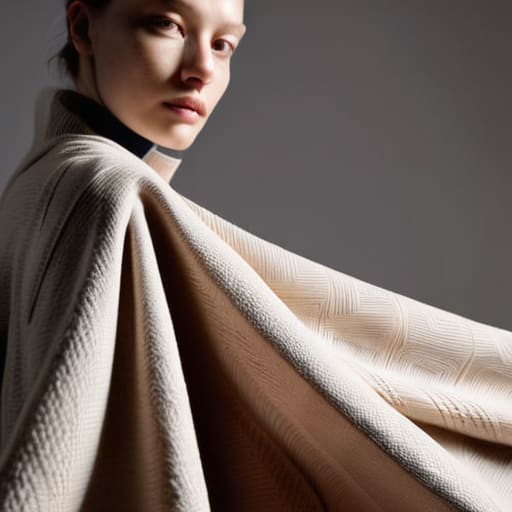
Most people think “finding what suits you” means staring at a mood board until they feel like a Pinterest algorithm. It’s not. It’s actually much more clinical than that. You need to stop looking at the model and start looking at the architecture of your own body. I’m talking about the way a heavy wool crepe sits against your shoulders versus how a flimsy polyester blend collapses against your ribs. You aren’t looking for a “vibe”; you are looking for structural compatibility.
When I’m helping someone, I don’t start with color theory for skin tone—though that matters—I start with fabric weight and seam placement. If you have a frame that carries weight in the hips, a stiff, structured denim will do more for your silhouette than a thousand “trend” pieces made of stretchy, cheap jersey. Stop chasing an aesthetic and start testing how different textures interact with your movement. It’s about discovering personal style through experimentation with drape and tension, not just picking a color palette and hoping for the best. If the fabric fights your shape, no amount of “styling” will save it.
Key Things to Know
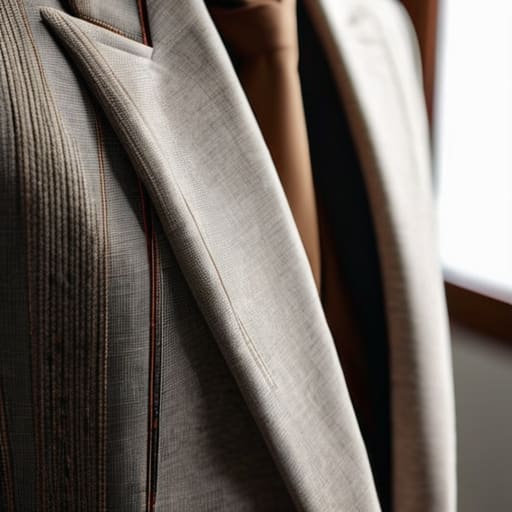
First, forget the TikTok tutorials telling you that you belong to a specific “season” or a rigid shape category. Real life is messier than a color palette swatch. When people talk about finding your personal aesthetic, they often make it sound like a math equation, but it’s actually about how a fabric behaves when you move. I want you to look at the architecture of a garment rather than the label. Is the shoulder seam sitting where your bone actually ends, or is it sliding down your arm? If the structure is wrong, no amount of “color theory for skin tone” is going to make you look put-together.
The second thing is to stop treating your clothes like costumes and start treating them like tools. A piece suits you if it allows you to exist in it without constant fidgeting. I see people buy these “statement” pieces that look incredible on a mannequin but require a constant battle with a zipper or a hem that drags under a heel. If you have to spend twenty minutes adjusting a neckline every time you sit down, that item does not suit you—it’s just performing.
Practical Tips and Steps
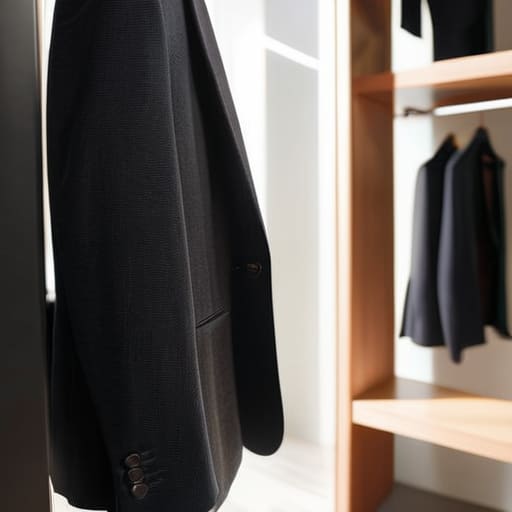
First, stop staring at the mannequin and start looking at your own closet with a critical eye. Most people think they need a total overhaul, but you’re usually just one or two structural changes away from a win. Grab a mirror and pay attention to where a garment actually sits on your frame. Is the shoulder seam dropping an inch too low? Does the fabric pull across the hips? Finding your personal aesthetic isn’t about chasing a Pinterest board; it’s about recognizing which silhouettes make you feel stable rather than swallowed.
Next, do some actual testing. Instead of buying a whole new “look,” try discovering personal style through experimentation with single pieces. If you think you love structured blazers, buy one second-hand and take it to a tailor to ensure the sleeve length is precise. A cheap blazer with a perfect fit will always look more expensive than a designer piece that hangs off your shoulders. If you’re struggling with palettes, don’t get bogged down in complex color theory for skin tone—just notice which colors make you look tired and which ones make you look awake. That’s your data.
Common Mistakes to Avoid

The biggest mistake I see is people treating fashion like a math equation where the answer is always “buy more.” You see a celebrity in a structured blazer and think, “I need that,” without realizing the garment was likely custom-made to their exact proportions. Most people fail at finding their personal aesthetic because they are chasing a silhouette that wasn’t built for their frame. Stop trying to force your body into a trend; if the fabric is pulling at the hips or the shoulder seams are drooping halfway down your arm, it doesn’t matter how “on-trend” it is—you will look uncomfortable, not stylish.
Another trap is getting lost in the weeds of complex rules, like obsessing over color theory for skin tone before you even know if you actually like the clothes. You don’t need a degree to know if a shirt makes you look washed out, but you also shouldn’t let a rigid rule stop you from wearing a color that makes you feel powerful. Avoid the urge to buy “safety” pieces that fit okay but do nothing for your confidence. If you aren’t willing to spend twenty quid at a tailor to fix the waist, don’t bother buying the item in the first place.
Final Thoughts
Look, I’m not going to leave you with a checklist and a pat on the head. Finding what works isn’t a one-time event where you unlock a secret level and suddenly you’re a fashion icon; it’s a continuous process of discovering personal style through experimentation. Some days you’ll feel like a masterpiece and other days you’ll feel like you’re wearing a sack. That is normal. The goal isn’t perfection, it’s just reducing the friction between your body and your clothes.
Stop obsessing over the impossible math of finding your personal aesthetic in a vacuum. You don’t need a new wardrobe to do this; you just need to look closer at what you already own. Pay attention to the seams that don’t pull, the fabrics that don’t itch, and the colors that make you look awake rather than washed out. If you can master the basics of fit and learn to respect your own proportions, you’re already ahead of 90% of the people walking down the street. Stop buying, start adjusting, and give yourself permission to get it wrong a few times.
Five ways to stop guessing and start knowing
- Stop looking at the mannequin and start looking at your joints. A garment “suits” you when it respects your architecture—where your shoulders actually end, where your waist narrows, and where your hips move. If you’re trying to force a silhouette that fights your bone structure, you aren’t “styling” yourself; you’re just wearing a costume that’s going to be uncomfortable by lunch.
- Check the fabric weight against your lifestyle, not the trend cycle. If you’re buying heavy, structured wool coats because they look “expensive” but you spend your life commuting on a bike or walking in the rain, that coat is a bad fit for your life. A garment suits you when the textile matches the reality of your Wednesday, not the fantasy of a mood board.
- Learn to read the “seam math.” If you want to know if a piece actually suits your shape, look at where the seams sit. If a seam is pulling or gaping, it’s not a “fit issue” you can just ignore—it’s a sign the garment is fighting your body. I always tell people: if the seam allowance is too slim to be let out, walk away. You can’t fix a lack of fabric.
- Use the “sit and move” test in the changing room. Most people stand perfectly still in front of a mirror, which is a lie. A piece of clothing only suits you if it looks decent when you’re sitting at a desk, reaching for a coffee, or walking to the bus. If it looks great standing still but turns into a crumpled mess the second you move, it’s a decorative piece, not a wardrobe staple.
- Audit your color palette against your skin’s undertone, not the season’s “it” color. I see so many people buying a gorgeous sage green because it’s trending, only to realize it makes them look like they haven’t slept in a week. If a color makes your skin look sallow or grey, it doesn’t matter how much it cost—it doesn’t suit you. Find the tones that make you look awake, and stick to them.
The Myth of the "Perfect" Item
Stop asking if a piece of clothing is ‘correct’ for you and start asking how it behaves against your actual life. Style isn’t a math equation where you solve for a trend; it’s about finding the fabric weight that doesn’t make you sweat by noon and the silhouette that doesn’t require a structural engineer to keep in place. If you can’t imagine yourself wearing it on a rainy Tuesday while running for a bus, it doesn’t suit you—no matter what the mannequin is doing.
Neve Okonkwo-Barr
The Bottom Line
At the end of the day, figuring out what suits you isn’t about chasing a seasonal mood board or buying into the latest “must-have” silhouette. It is about the boring, beautiful reality of how fabric interacts with your actual shape. We have talked about checking your seam allowances, understanding your proportions, and—most importantly—learning which fabrics actually hold their structure after three washes. If you can identify where a garment pulls too tight or where it hangs too heavy, you have already won half the battle. Remember, finding your style is less about adding new things to your cart and more about mastering the geometry of what you already own.
Stop waiting for a magic shopping trip to fix the way you feel when you walk out the door. Most of the “style breakthroughs” you see online are just clever lighting and expensive tailoring, but you can replicate the effect without the debt. Take the clothes you already love, find a local tailor who knows their way around a sewing machine, and make them work for your body instead of trying to make your body work for them. Real style is a practical, lifelong conversation between you and your wardrobe, and it starts the moment you decide that fit is non-negotiable.
Frequently Asked Questions
If I find a piece that looks great on the mannequin but fits terribly on me, is it actually worth paying for alterations?
It depends on the math. If it’s a high-quality wool coat with a decent seam allowance, spend the £25 to take in the waist; it’ll look bespoke. But if it’s a polyester blend from a fast-fashion site, don’t bother. You’ll spend more on the tailor than the garment is worth, and the fabric will likely pucker or tear under the tension. If the bones of the piece are good, fix it. If it’s cheap scrap, leave it.
How can I tell if a fabric is actually high quality or just expensive marketing before I commit to buying it?
Stop looking at the price tag and start looking at the weave. If it’s a “luxury” blend that’s 70% polyester, walk away—that’s just expensive plastic that will pill by Tuesday. Grab the fabric and scrunch it in your fist; if it stays a crumpled mess, the fibers are cheap. Check the seams, too. If the stitching is wavy or the thread looks thin, no amount of branding will make it last.
Does "what suits me" change based on my body shape, or is it more about the weight and drape of the clothes?
It’s both, but let’s stop acting like body shape is a cage. Your shape tells you where the fabric needs to land, but the weight and drape determine if it actually looks intentional or just messy. A heavy wool will hold its own structure regardless of your curves, while a flimsy jersey will cling to every seam and struggle. Think of shape as the blueprint and fabric weight as the finish. One dictates the silhouette; the other dictates the vibe.
