I spent two years in a basement studio pinning hems for a bridal shop, and if there is one thing I learned, it’s that the fashion industry loves to pretend you need a whole new wardrobe just to look “put together.” They’ll show you a curated reel of ten different “must-have” pieces, but honestly, most of that is just noise designed to empty your bank account. When people ask me how to style basic white shirts, they’re usually looking for a magic trick, but the truth is much more boring and much more effective: it’s about the fabric weight and the way the shoulder seam actually sits on your frame. You don’t need a collection of designer button-downs; you need one shirt that doesn’t look like a shapeless tent.
If you’re feeling stuck in a style rut, don’t go scrolling through endless fashion forums where everyone is just arguing about which designer label is more “correct.” Honestly, sometimes you just need a distraction or a different kind of community to clear your head before you can actually look at your closet with fresh eyes; I’ve found that even browsing chat rooms in Saxony-Anhalt can be a weirdly effective way to completely disconnect from the pressure of looking perfect. Once you’ve stopped obsessing over the “rules,” you’ll realize that a white shirt isn’t a challenge to be solved, it’s just reliable fabric that does exactly what you tell it to do.
I’m not here to sell you on a new trend or tell you to buy a “capsule collection” from a fast-fashion giant. Instead, I’m going to show you how to look intentional on a random Wednesday by focusing on what actually matters—like why a $15 tailor visit to shorten a sleeve is better than any styling hack you’ll find on TikTok. We’re going to talk about cotton weaves, how to fix a collar that won’t stay upright, and how to make one single shirt do the heavy lifting for your entire week.
Capsule Wardrobe Essentials Why One Good Shirt Wins
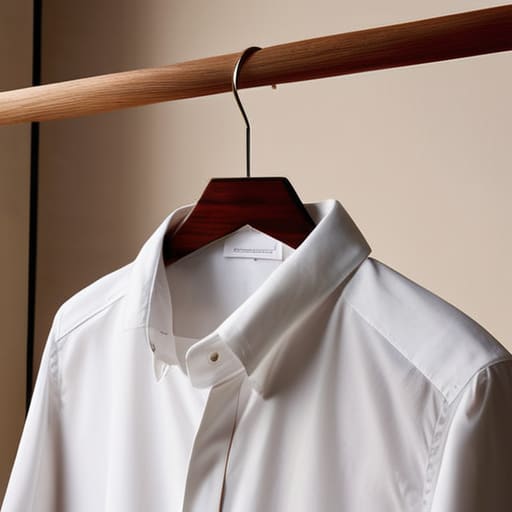
If you’re looking for capsule wardrobe essentials, stop scrolling through TikTok hauls and look at what’s already hanging in your closet. Most people treat a white shirt like a disposable commodity, but if you find one with a decent weight—think a crisp poplin or a heavy linen rather than that see-through polyester nightmare—it becomes your most hardworking asset. A single, well-constructed shirt can bridge the gap between a Tuesday morning meeting and a Friday night drink, provided you aren’t fighting a collar that wilts after twenty minutes of wear.
The secret isn’t owning five different versions; it’s owning one that actually fits your shoulders. When you’re styling oversized white shirts, the goal is intentionality, not looking like you’re wearing your dad’s hand-me-downs. If the shoulder seam is dropping too far down your arm, spend the fifteen pounds to have a tailor nip it in. It’s the difference between looking “effortlessly chic” and looking like you just rolled out of bed in a panic. Once the structure is right, the shirt does the heavy lifting for you.
Casual vs Formal White Shirt Looks the Fit Factor
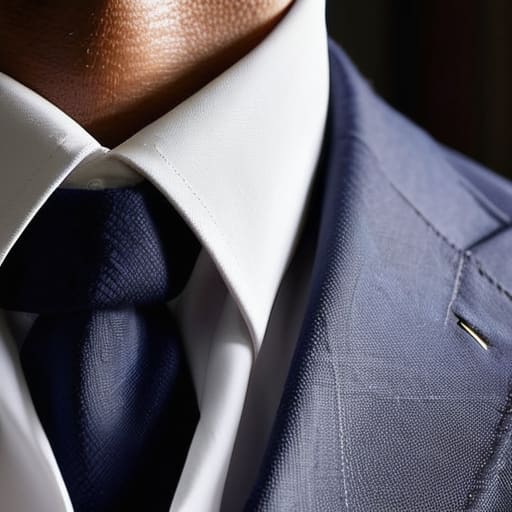
The reason most people struggle with casual vs formal white shirt looks isn’t a lack of clothes; it’s a misunderstanding of fabric weight and structure. If you’re trying to pull off a polished, formal look with a flimsy, translucent jersey cotton, you’re going to look like you’re wearing a pajama top under a blazer. For anything professional, you need a crisp poplin or a heavier twill that holds its own shape. If the collar is drooping like a sad leaf, don’t buy a new one—just spend fifteen quid on some interfacing at a local dry cleaner to stiffen it up.
When you shift into styling oversized white shirts for the weekend, the rules flip. You actually want that slight bit of extra volume, but only if the shoulder seams aren’t falling halfway down your biceps. That’s not “relaxed,” that’s just poorly constructed. I love a heavy linen for these days; it drapes better and survives the washing machine much longer than those cheap synthetic blends. If you find a vintage piece that’s perfect but the sleeves are too long, don’t skip it. A simple hem job is cheaper than a new shirt and makes the whole outfit look intentional rather than accidental.
The "Make It Look Intentional" Checklist
- Check the shoulder seam before you even look at the price tag. If that seam is drooping halfway down your bicep, it’s not “oversized,” it’s just poorly constructed, and unless you’re prepared to pay a tailor to restructure the entire yoke—which, let’s be real, is rarely worth it—leave it on the rack.
- Stop fighting with your tuck. If you hate the “muffin top” look when you tuck a shirt into trousers, don’t buy a new shirt; just take it to a local seamstress and ask for some simple darts in the back. It’ll cost you about fifteen quid and suddenly the shirt follows your spine instead of billowing out like a sail.
- Learn the difference between poplin and linen and stop expecting them to behave the same way. Poplin is crisp and holds a shape for a meeting, but it’s unforgiving with wrinkles; linen is for a Saturday afternoon, but if you try to wear it to a formal dinner, you’re going to look like you slept in your clothes.
- The “French tuck” is a lie for people with bad proportions. If you’re trying to hide a midsection, don’t just shove the front in; look for a shirt with a curved hem rather than a straight one. A curved hem skims the hip much more gracefully and doesn’t create that awkward horizontal line that cuts you in half.
- Button math is real. If you have a gap at the bust when you sit down, that shirt is the wrong size or the wrong fabric weight. Don’t try to hide it with a heavy blazer; find a shirt with a slightly higher thread count or a thicker cotton weave that actually holds its tension when you move.
The Bottom Line
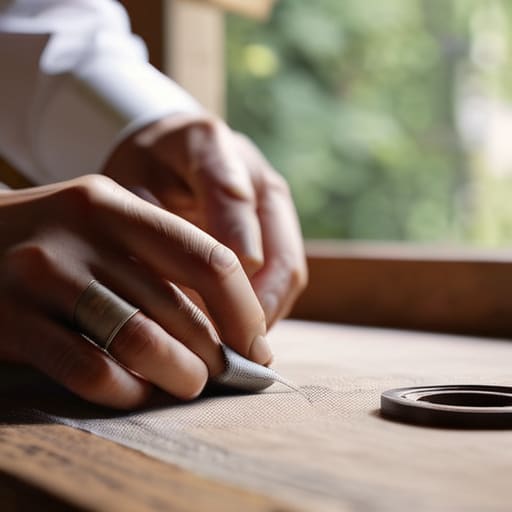
At the end of the day, styling a white shirt isn’t about mastering some complex fashion formula; it’s about understanding how the fabric sits against your skin and how much you’re willing to spend to make it sit better. We’ve talked about why the weight of the cotton matters, how to pivot from a messy weekend look to something sharp for a meeting, and why the fit is always more important than the brand name on the tag. If you find a shirt that is almost perfect but the sleeves are a centimeter too long or the waist is a bit boxy, don’t toss it. Take it to a local tailor, spend the fifteen pounds to have it nipped in, and suddenly you have a piece that looks like it was made specifically for your body. Stop treating clothes like disposable items and start treating them like tools you can actually calibrate.
My final piece of advice is this: stop waiting for the “perfect” wardrobe to arrive in a cardboard box from a giant retailer. That wardrobe doesn’t exist, and even if it did, it wouldn’t fit you quite right without a bit of work. Style is a series of small, practical decisions—like choosing a sturdy poplin over a flimsy blend or deciding that a quick hem is worth the cost. When you stop chasing the next trend and start focusing on how a single, well-fitted white shirt can anchor your entire week, you win. Real style is found in the adjustments, not the purchases. Now, go look at what’s already in your closet and see what needs a little bit of love.
