I spent two years in a basement studio pinning hems for a bridal shop, surrounded by enough tulle to choke a horse, and if there’s one thing I learned, it’s that the “trend cycle” is a massive, expensive lie. Marketing departments want you to believe that style is a moving target you have to chase with a credit card, but they’re just trying to distract you from the fact that most of what they call “in” is just engineered obsolescence. When people ask me how trends actually work, they expect a lecture on runway cycles or influencer aesthetics, but the truth is much more mechanical: it’s a math problem designed to make your perfectly good clothes feel “wrong” by next Tuesday.
I’m not here to tell you which colors are “in” for the season or how to curate a Pinterest board. Instead, I’m going to show you how to spot the difference between a genuine shift in silhouette and a temporary hype-trap that’ll fall apart after three washes. We’re going to look at fabric durability, seam construction, and the actual cost of staying relevant versus the cost of just looking good on a Wednesday. No fluff, no “must-haves,” just the reality of how to build a wardrobe that survives the hype.
The Math Behind How Trends Actually Work
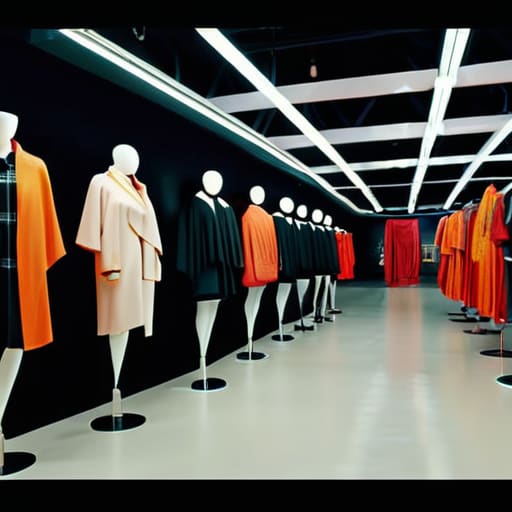
Look, the industry loves to pretend trends are these magical, lightning-strike moments of inspiration, but it’s actually just a predictable sequence of market cycle stages. It follows the diffusion of innovation theory like a script: first, you see it on a niche runway or a very specific corner of the internet; then, the “cool kids” grab it; and finally, it hits the high street racks in polyester blends that won’t survive a single wash.
The trick is knowing the difference between a fad and a trend. A fad is a fever dream—think of those neon leg warmers that lasted exactly three weeks before becoming landfill fodder. A real trend is a shift in how we actually want to live. If people are moving toward oversized, structured tailoring, that’s a shift in consumer behavior patterns driven by a desire for comfort and longevity. My rule of thumb? If the garment is designed to be “disposable” to keep up with a micro-trend, the math never adds up. You aren’t buying a style; you’re just paying for a very expensive way to look dated by next Tuesday.
Diffusion of Innovation Theory Why Your Closet Feels Dated
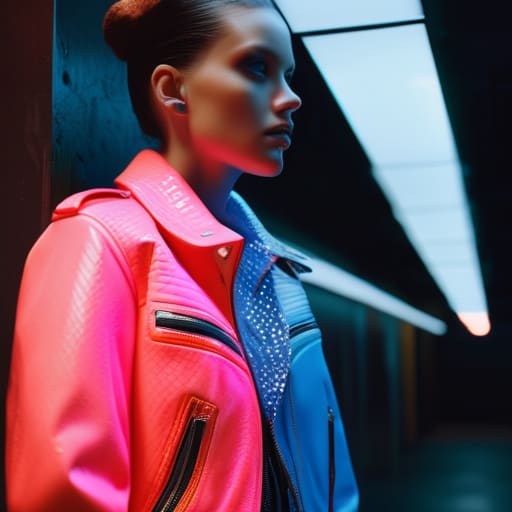
If you’ve ever felt like you bought a “cool” jacket only to see it looking incredibly dated six months later, you aren’t crazy—you just got caught in the wrong part of the trend lifecycle curve. There is a concept called diffusion of innovation theory that basically explains how an idea moves from a niche subculture to a massive, soul-crushing retail explosion. It starts with the innovators and early adopters who are actually doing something interesting with clothes, but by the time that same look hits the fast-fashion racks in a polyester blend, the “cool” has been sucked out of it.
The reason your closet feels like a museum of last season is that most of us are shopping in the late stages of the cycle. When a look reaches mass-market saturation, it’s no longer a style; it’s just a costume. Understanding the fad vs trend distinction is your best defense here. A fad is a spike on a graph that vanishes before you can even get your hem adjusted, whereas a real trend has enough structural staying power to survive a few seasons. If you want to stop feeling dated, stop chasing the peak of the curve and start looking for the pieces that exist before the marketing machine catches up.
Distinguishing Fad vs Trend Avoiding the Disposable Trap
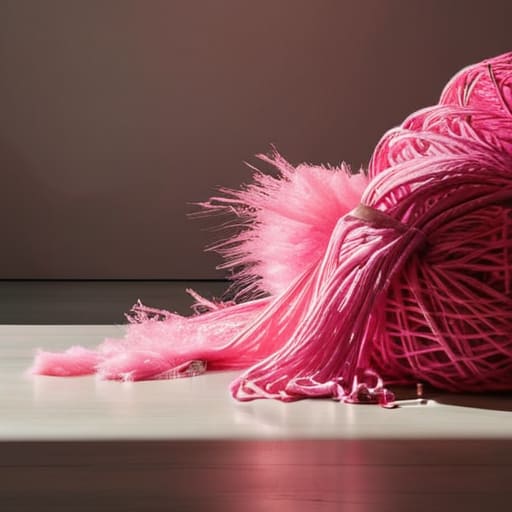
Here is the distinction that most marketing departments try to blur: a fad is a fever, but a trend is a shift. A fad is that hyper-specific, neon-pink micro-trend that shows up on your feed, stays for three weeks, and then looks like a mistake in every single photo you take six months later. These are driven by pure impulse and extreme volatility in consumer behavior patterns. If you buy into a fad, you aren’t building a wardrobe; you’re just paying for a temporary dopamine hit that will end up in a donation bin by next season.
A real trend, however, has more staying power because it’s usually rooted in a change in how we actually live. Think about the shift toward relaxed tailoring or heavier-weight natural fibers. These aren’t just flashes in the pan; they represent a movement in how we value comfort and durability. When you understand the fad vs trend distinction, you stop chasing the noise and start looking for the signal. My rule of thumb? If the garment relies on a specific, loud gimmick to look “current,” it’s a fad. If it’s a change in silhouette or fabric quality that makes your Tuesday morning easier, it’s a trend worth your money.
Early Adopter Psychology and the Market Cycle Stages
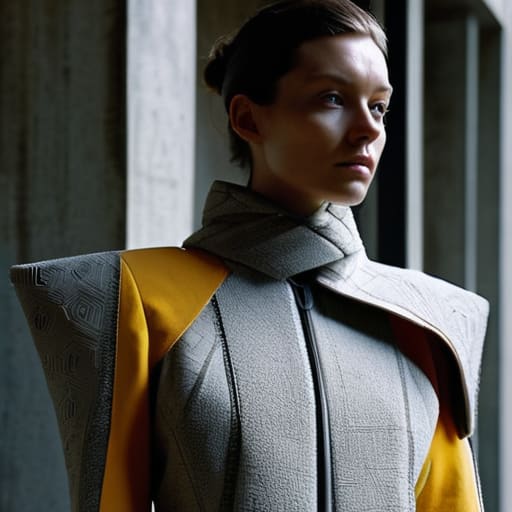
We need to talk about the people who start these fires. In the context of early adopter psychology, these aren’t just people with too much disposable income; they are the ones willing to take a massive risk on a silhouette that looks, frankly, a bit ridiculous to the rest of us. They are the ones buying the structural, avant-garde pieces that don’t even have a proper seam allowance yet. They aren’t looking for “wearability”—they are looking for a signal. They are the first step in the trend lifecycle curve, acting as the human test subjects for whether a concept has legs or if it’s just a momentary glitch in the algorithm.
But here is the part the marketing departments won’t tell you: by the time a look reaches the “early majority” and lands in your local high street, the soul of the garment has usually been stripped out to save on production costs. To keep up with the speed of the market cycle stages, brands swap heavy wools for thin, scratchy polyesters that won’t survive a single season of real life. They trade construction for volume, and that is exactly when you should stop buying.
Predicting Cultural Shifts Without Breaking the Bank
If you want to stay ahead of the curve without looking like you’re trying too hard, stop looking at what’s on the front page of every fast-fashion site. By then, the trend lifecycle curve is already heading toward the basement. Instead, look at the way people are actually living. Are people moving toward more durable, heavy-weight fabrics because they’re tired of things falling apart? Are they gravitating toward silhouettes that allow for more movement? When you spot a shift in how people want to feel in their clothes, you’ve found the signal in the noise.
Predicting cultural shifts is less about being a psychic and more about observing consumer behavior patterns in the wild. I look at the textures that are sticking around in thrift stores and the way certain silhouettes are being repurposed. If you see a specific way of wearing a garment—like a certain way of cuffing a sleeve or layering a specific weight of knit—that’s a clue. Don’t go out and buy a whole new wardrobe; just find one piece that aligns with that shift and make it fit perfectly. That’s how you stay relevant without the financial hangover.
How to Outsmart the Cycle Without Going Broke
- Look for the silhouette, not the print. A trend might scream “neon leopard print” this month, but that’s just a temporary fever. If you see a specific shape emerging—like a wider trouser leg or a structured shoulder—that’s the actual trend. Buy the shape in a neutral, sturdy fabric like wool or heavy cotton. You can change the vibe with a cheap belt or a different shirt, but you can’t “fix” a bad silhouette once the print goes out of style.
- Check the seam allowance before you commit. When a trend hits the high street, brands cut corners by making the seam allowances tiny to save fabric. This is a trap. If a “trendy” jacket has almost no fabric inside the seams, you can’t tailor it if your body changes or if you want to adjust the fit later. A trend is only worth the money if it has enough “give” to be lived in for more than one season.
- The “Three-Outfit Rule” is your math check. Before you buy into a trending item, I want you to mentally pair it with three things you already own. If you can’t do it, you aren’t buying a piece of clothing; you’re buying a costume. A trend that requires you to buy three more things just to make it work isn’t a trend—it’s a debt trap.
- Avoid “micro-trends” in synthetic blends. If you see a massive surge in something like “coquette aesthetic” or “mob wife” appearing in 100% polyester, run. Those fabrics don’t breathe, they don’t drape well, and they pill after three washes. By the time you’ve even figured out how to style it, the garment will look like a crumpled paper bag. If the trend is fast, keep your fabric choice slow and natural.
- Budget for the “Tailor Tax.” If you find a piece that perfectly captures a trend but the fit is slightly off—maybe the waist is a bit too high or the sleeves are a centimeter too long—don’t walk away. Factor in an extra £15-£20 for a local seamstress. A trending piece that actually fits your specific body looks like high fashion; a trending piece that hangs off you looks like you’re wearing a hand-me-down.
The Real Cost of Being "On Trend"
A trend is just a marketing cycle designed to make you feel like your perfectly good clothes are suddenly obsolete; but if you stop chasing the silhouette and start looking at the seam construction, you’ll realize that real style isn’t about being first in line, it’s about being the person who actually knows how to make a garment last past a single season.
Neve Okonkwo-Barr
Stop Chasing the Cycle
At the end of the day, understanding the trend cycle isn’t about becoming a psychic fashion forecaster; it’s about realizing that most of what you see on your feed is just a calculated stage of the diffusion process. You now know the difference between a fad that will fall apart after two washes and a genuine shift in how we wear clothes. You know that the “early adopter” phase is often just a way to make you feel behind, and that the math of a trend usually ends in a closet full of unwearable polyester. By identifying where a look sits in the market cycle, you can stop being the person who buys the peak of the hype and start being the person who waits for the dust to settle.
My advice? Stop treating your wardrobe like a revolving door and start treating it like a collection of tools for your actual life. Trends will come and go, but a well-constructed seam and a fabric that actually holds its shape are constant truths. You don’t need to own every version of “what’s next” to look like you know what you’re doing. Build a foundation that works on a Tuesday, a Wednesday, and a rainy Friday, and let the trends pass you by like background noise. Because once you stop chasing the cycle, you finally have the freedom to actually wear your clothes.
Frequently Asked Questions
If a trend is already hitting the high street, is it too late to buy into it without looking like I'm wearing a costume?
If it’s hit the high street, the “cool” window is closed, but the “utility” window is wide open. Don’t buy the cheap, polyester version of the trend—that’s how you end up looking like a costume. Instead, look for a single, well-made piece in a better fabric that mimics the silhouette. If you can find a vintage version with a decent seam allowance to play with, do it. Buy the shape, not the hype.
How can I tell if a specific fabric trend—like those heavy faux-leathers—is actually going to survive more than one season of wear?
Look at the weight and the lining. If that “faux-leather” feels like a thin, oily plastic bag, it’s going to crack at the elbows by February. Real longevity in synthetics comes from a heavy, polyurethane coating with a substantial fabric backing. If it doesn’t have enough structure to hold its own shape when you set it on a chair, don’t bother. It’s not an investment; it’s just expensive landfill.
Is it actually worth paying a tailor to update a piece that's slightly "off-trend," or am I just throwing money at a dead end?
It depends entirely on the seam allowance. If you’re trying to turn a slim-fit blazer from 2018 into a modern oversized silhouette, you’re probably out of luck—there’s no fabric left to move. But if you have a high-quality wool piece that just feels “dated” because the hem is too long or the sleeves are bunching, spend the £20. A tailor can shift the vibe of a garment without you needing to buy a single new thing.
